
Main Courses
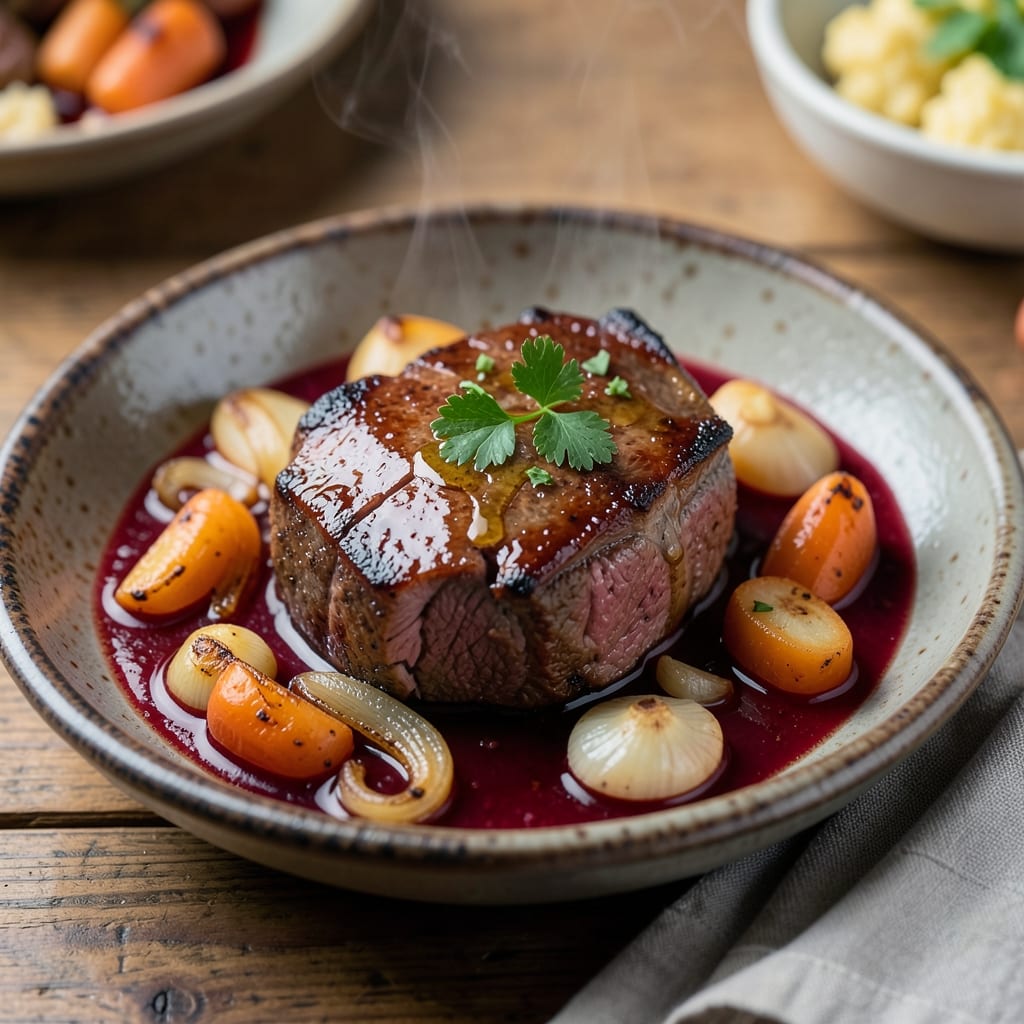
Transforming 500g beef shin into silky, melt-in-your-mouth perfection requires patience and precision—this slow-braised method delivers restaurant-quality results at home. The key lies in low-and-slow cooking, where tough connective tissue dissolves into rich, gelatinous goodness, creating a dish that’s both deeply satisfying and impressively elegant. This technique transforms what many consider an inexpensive cut into a centerpiece worthy of any dinner table.
The process begins with a flavorful sear to develop a caramelized crust, followed by hours of gentle simmering in aromatic liquids—think red wine, broth, and herbs—that infuse the meat with layers of umami. Unlike quick-cooking cuts, beef shin benefits from this slow transformation, emerging tender enough to cut with a fork while retaining its natural richness. The result is a dish that’s equally at home in a French bistro or a cozy home kitchen.
By the time you’re done, you’ll have perfectly braised beef shin with a glossy, saucy finish that clings to every bite, paired with complementary sides like roasted root vegetables or crusty bread to soak up the flavorful juices. The technique is foolproof, provided you follow the timing and temperature guidelines—no guesswork required. This is comfort food at its finest, where effort translates into unmatched reward.
Whether you’re cooking for a special occasion or simply craving a hearty, flavorful meal, this recipe delivers. The slow-braised method ensures tenderness and depth of flavor, making it a standout dish that’s sure to become a regular in your rotation. Let’s get started on creating something truly special.
Ingredients for 500g beef shin
Patience and a handful of quality ingredients transform tough shin into melt-in-your-mouth perfection.
| Ingredient | Amount | Notes |
|---|---|---|
| Beef Shin 🥩 | 12 oz | Bone-in, cut into 2-inch pieces |
| Red Wine 🍷 | 1 cup | Bold dry variety like Cabernet |
| Beef Broth 💧 | 2 cups | Homemade or high-quality store-bought |
| Yellow Onion 🧅 | 1 whole | Chopped into 1/2-inch pieces |
| Carrot 🥕 | 2 whole | Cut into 1-inch chunks |
| Garlic Cloves 🧄 | 4 cloves | Crushed or smashed |
| Fresh Thyme 🌿 | 2 sprigs | Or 1 tsp dried thyme |
| Fresh Rosemary 🌿 | 1 sprig | Woody stems removed |
| Tomato Paste 🍅 | 2 tbsp | Smooth, not chunky |
| Olive Oil 🫒 | 2 tbsp | Extra-virgin for searing |
| All-Purpose Flour 🌾 | 2 tbsp | For dusting |
| Salt 🧂 | 1 ½ tsp | Kosher or sea salt |
| Black Peppercorns 🌶️ | 1 tsp | Freshly cracked |
| Bay Leaf 🍃 | 1 whole | For depth of flavor |
| Fresh Parsley 🌿 | ¼ cup | Chopped for garnish |
The beef shin is the star here—look for cuts with good marbling and vibrant color. Local butchers often have the best selection, or check the meat case at Whole Foods for pre-cut shin. Bone-in pieces add richness to the braising liquid, so don't trim them unless you're comfortable navigating the bone. For the wine, any bold, dry red works—Cabernet, Merlot, whatever's open. The broth should be rich and flavorful; Kitchen Basics or Pacific Foods are solid choices if you're not making your own. Fresh herbs make all the difference here—Trader Joe's often has affordable bundles of thyme and rosemary.
No red wine? Beef broth with a splash of balsamic vinegar works perfectly fine. Fresh thyme and rosemary are ideal, but dried will work at one-third the amount. If you're short on time, pre-minced garlic from the jar is a lifesaver, though fresh has more depth. The tomato paste can be swapped for a handful of sun-dried tomatoes (about 1/4 cup) if you prefer. For the vegetables, carrots and onions are classic, but celery and fennel add an extra layer of complexity. The bay leaf is non-negotiable—it adds that subtle earthiness that makes the dish sing.
This dish tastes even better the next day, so make it ahead if you can. Store in an airtight container in the fridge for up to 4 days, or freeze for 3 months. The sauce thickens as it cools, so add a splash of broth if it's too stiff when reheating. I like to portion it into individual containers with a side of crusty bread—makes for easy lunches all week. The bones can be saved for stock, adding another layer of flavor to future dishes.
Why You'll Love This Recipe
- Foolproof Simplicity: I swear by this—just sear the shin, toss in chopped onion and carrot, then let the red wine and broth do the heavy lifting. No fancy techniques, no stress.
- Deep Umami Magic: That slow-cooked shin? It melts in your mouth with a rich, wine-infused depth you won’t find in quicker cuts. The caramelized onions and broth make every bite sing.
- Leftovers That Shine: Make a double batch and freeze half—thawed, it’s just as tender and perfect for sandwiches or salads. Honestly, my lunchbox’s new best friend.
- Budget Beef Power: 500g of shin stretches farther than pricier cuts, and the wine and broth add restaurant-quality flavor without breaking the bank. My wallet thanks me every time.
Step-by-step instructions for slow-braised beef shin
Here's the method that transforms tough beef shin into melt-in-your-mouth perfection.
Sear the Beef Shin for Deep Flavor
Heat 2 tablespoons olive oil in a heavy Dutch oven over medium-high heat until shimmering. Pat the 12 oz beef shin dry with paper towels and season generously with 1.5 teaspoons salt and 1 teaspoon freshly cracked black peppercorns on all sides. Place the beef shin in the pot and sear for 4-5 minutes per side until deep golden brown with crispy edges.
This initial sear creates the Maillard reaction that builds rich, complex flavors. Don't rush this step—the beef should develop a caramelized crust before moving forward. I press down gently on the beef during the first minute to prevent it from curling and ensure even contact with the pan. If the oil starts smoking excessively, reduce heat slightly to maintain control without losing the sear.
Build the Aromatic Base
Remove the seared beef shin and set aside. In the same pot, add 1 whole yellow onion chopped into ½-inch pieces and 2 whole carrots cut into 1-inch chunks. Cook for 5 minutes until softened and slightly caramelized. Add 4 cloves crushed garlic cloves, 2 sprigs fresh thyme, 1 sprig fresh rosemary (woody stems removed), and 1 whole bay leaf. Stir for 30 seconds until fragrant.
The onions and carrots should release their natural juices and begin to soften while developing a subtle sweetness. This aromatic base forms the flavor foundation for the entire dish. If the vegetables start sticking, add a splash of 1 cup red wine to deglaze and scrape up all the browned bits from the bottom of the pot—these contain concentrated flavor that would otherwise be lost.
Create the Braising Liquid
Pour in the 1 cup red wine and scrape up any browned bits with a wooden spoon. Let it simmer for 2 minutes until reduced by half. Add 2 tablespoons tomato paste and stir until dissolved. Sprinkle 2 tablespoons all-purpose flour over the mixture and stir vigorously for 1 minute until smooth. Slowly pour in 2 cups beef broth while whisking continuously to prevent lumps from forming.
The wine should reduce until syrupy, intensifying its flavor. The tomato paste adds depth while the flour creates a natural roux that thickens the braising liquid slightly. This step transforms the raw ingredients into a cohesive sauce that will tenderize the beef shin during the long braising process. If the mixture appears too thick, add a splash of water to achieve a consistency that will coat the back of a spoon.
Braise Until Fork-Tender
Return the beef shin to the pot, bone-side down. Bring the liquid to a gentle simmer, then reduce heat to low and cover with a tight-fitting lid. Braise for 2.5-3 hours until the beef is fork-tender and falls apart easily when pierced. The internal temperature should reach 205-210°F.
This long, slow cooking process is crucial for transforming tough beef shin into silky, melt-in-your-mouth perfection. The collagen in the connective tissue breaks down into gelatin, creating that luxurious texture we're after. I check the beef after 2 hours to ensure it's not overcooking—your oven might run hot, so start checking at the 2-hour mark. If the liquid reduces too much, add a splash of water or broth to maintain adequate coverage of the beef.
Finish and Serve with Fresh Herbs
Once the beef is tender, remove it from the pot and strain the braising liquid through a fine-mesh sieve into a clean saucepan. Skim off any excess fat that has risen to the surface. Return the strained liquid to the pot and simmer for 5-7 minutes until slightly thickened. Taste and adjust seasoning with additional salt or pepper if needed.
Slice the beef shin against the grain into ¼-inch thick pieces and arrange on a serving platter. Ladle the reduced braising sauce over the top and garnish with ¼ cup chopped fresh parsley. The finished dish should have a rich, umami-packed sauce that clings beautifully to the tender beef. Serve immediately with crusty bread or over mashed potatoes to soak up every last bit of that luxurious sauce.
Pro Tips For Making 500g Beef Shin
- Sear the Shin First: After browning onions and carrots, pull the pan out for 30 seconds and sear the shin in batches over high heat until deeply caramelized—this locks in flavor and prevents it from turning mushy later. I used to skip this, and the dish always tasted like it needed more salt.
- Deglaze with Wine Immediately: As soon as you remove the shin, pour in the red wine and scrape every bit of fond from the bottom with a wooden spoon—don’t let it sit. The wine’s acidity cuts through the richness, and skipping this step means losing half the flavor.
- Simmer Onions and Carrots Low: Once the shin is back in the pot with broth, reduce heat to a bare simmer (tiny bubbles, not rolling) and let onions and carrots cook gently for 20 minutes before adding the shin again. Rushing this makes them turn to mush instead of caramelizing into the broth.
- Save Time with Frozen Broth: Use high-quality frozen beef broth instead of homemade—it’s just as rich and cuts prep time by 20 minutes. Just thaw it in the fridge overnight or microwave it in 2-minute bursts while you prep the shin. No one will know the difference.
Perfect pairings for this dish
Classic French Sides
Serve your braised beef shin with crusty French bread—a baguette from Breads Bakery works perfectly. The crusty exterior soaks up the rich sauce while the soft interior provides a satisfying contrast. For an elevated touch, add a side of duchesse potatoes—their creamy texture and buttery flavor complement the deep umami of the shin. 🥖
Roasted Root Vegetables
Roasted root vegetables bring natural sweetness and earthy depth to the meal. Toss 3 carrots, 2 parsnips, and 1 small rutabaga in 1 tbsp olive oil, ½ tsp salt, and ¼ tsp black pepper, then roast at 400°F for 30-35 minutes until caramelized. The natural sugars in the vegetables enhance the braising sauce’s richness.
Red Wine Reduction Sauce
Use the leftover braising liquid to make a red wine reduction—simmer it uncovered on medium-high heat until reduced by half. Finish with 1 tsp balsamic vinegar and a pinch of sugar to balance acidity. This sauce elevates the dish to restaurant-worthy status with minimal effort.
Polenta or Risotto
Creamy polenta or risotto makes a luxurious base for the beef shin. For polenta, cook 1 cup polenta in 4 cups milk with ½ tsp salt until thick. For risotto, use 1 cup Arborio rice cooked in 4 cups beef broth with ½ cup white wine and ½ cup grated Parmesan. Both add heartiness and texture contrast.
Simple Green Salad
A bright green salad cuts through the richness of the braised shin. Toss 4 cups mixed greens with 1 tbsp olive oil, 1 tbsp red wine vinegar, ½ tsp Dijon mustard, and ¼ tsp salt. Add ¼ cup toasted walnuts for crunch and ¼ cup crumbled goat cheese for tangy contrast.
Dessert Pairings
End the meal with a classic French dessert like crème brûlée or chocolate mousse. The creamy textures and sweetness provide a satisfying finish. For something lighter, try poached pears in red wine—it echoes the flavors of your main course while offering a refreshing contrast. 🍮
Nutrition facts
Frequently asked questions
Can I substitute bone-in beef shin for boneless?
Bone-in shin is ideal for this recipe as the bones add incredible depth to the braising liquid. If you must use boneless, reduce the cooking time by 30-45 minutes since it lacks the extra collagen-rich connective tissue. The meat will still become tender, though the sauce may be slightly less rich.
What's the best way to store leftovers?
Store in an airtight container in the fridge for up to 4 days, or freeze for 3 months. The sauce thickens as it cools, so add a splash of broth when reheating. For best texture, reheat gently in a saucepan over low heat until warmed through.
Can I make this in a slow cooker?
Sear the beef first, then transfer everything to a slow cooker. Cook on low for 8-10 hours or high for 5-6 hours. The slow cooker maintains consistent low heat, making it perfect for this method. Just add ½ cup water if the liquid gets too low during cooking.
Why does my beef shin turn out tough?
Most likely, it wasn't cooked long enough. Beef shin needs to reach 205-210°F internally for the collagen to fully break down. Check doneness by piercing with a fork—it should feel like butter. If using a meat thermometer, be patient and let it cook until the temp is perfect.
What's the best way to use the leftover braising liquid?
Reduce it into a glossy sauce by simmering uncovered until thickened, then finish with 1 tsp balsamic vinegar and a pinch of sugar. Use it to drizzle over the beef, make gravy for mashed potatoes, or store it for future meals—it freezes beautifully for up to 3 months.