
Main Courses
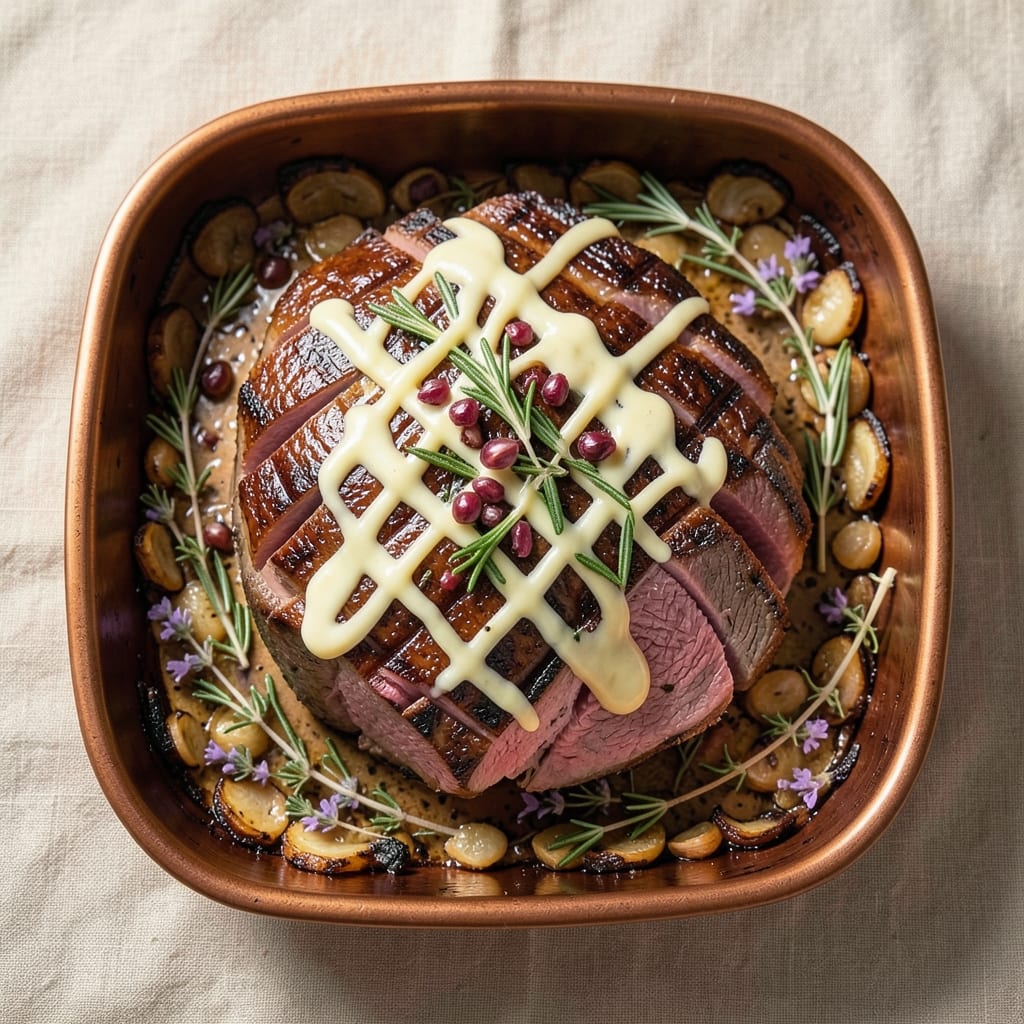
A 6lb beef tenderloin transforms any dinner into a showstopper—juicy, perfectly medium-rare, and infused with herbs that elevate every bite. The key lies in precise technique: a dry brine for depth, a reverse sear for even doneness, and a 125–130°F internal temperature that guarantees tender results. This isn’t just a cut; it’s an experience worth mastering.
What sets this recipe apart is the balance of simplicity and sophistication. No fancy equipment is required—just a reliable thermometer, patience, and attention to detail. The herb-infused crust adds aromatic complexity, while the reverse sear method ensures a crispy exterior without overcooking the tender center. Even beginners can achieve restaurant-quality results with these foolproof steps.
By the time you carve into this roast, you’ll reveal a juicy, pink core surrounded by a golden, flavorful crust. The aroma alone will have guests anticipating the first bite, and the texture—tender yet firm—will leave them impressed. This is the kind of dish that makes hosting feel effortless, even for special occasions.
Serve with classic sides like roasted garlic mashed potatoes or a crisp green salad to complement the rich, herby beef. The leftovers reheat beautifully for sandwiches, making this a meal that keeps giving. Let’s get started on perfecting your tenderloin.
Ingredients for 6lb beef tenderloin
Six pounds of premium beef tenderloin paired with aromatic herbs and precise seasoning for a restaurant-worthy centerpiece.
| Ingredient | Amount | Notes |
|---|---|---|
| Beef Tenderloin 🥩 | 6 lb | Center-cut, trimmed of silver skin |
| Kosher Salt 🧂 | 2 tbsp | Diamond Crystal preferred for precise measurement |
| Fresh Black Peppercorns 🌶️ | 1 ½ tbsp | Coarsely cracked, not ground |
| Fresh Rosemary 🍃 | ½ cup | Needles finely chopped, stems removed |
| Fresh Thyme 🌿 | ¼ cup | Leaves only, stems discarded |
| Garlic Cloves 🧄 | 8 cloves | Smashed, not minced |
| Unsalted Butter 🧈 | ½ cup | Cold, cut into 1-inch pieces |
| Extra-Virgin Olive Oil 🫒 | ¼ cup | For crust application |
| Fresh Sage Leaves 🌿 | ¼ cup | Whole leaves, lightly packed |
| Vegetable Oil 🫒 | ½ cup | For searing, high smoke point |
| Meat Thermometer 🌡️ | 1 whole | Instant-read, calibrated |
| Heavy Whipping Cream 🥛 | ¼ cup | Optional, for serving |
The beef tenderloin is the star—choose a center-cut roast with visible marbling for optimal tenderness. Most butchers will trim the silver skin for you, but if not, remove it yourself for a cleaner finish. For the best quality, shop at Whole Foods or a trusted local butcher; their dry-aged options add depth of flavor. If you're buying from a grocery store, look for USDA Choice or Prime grades. The herbs should be vibrant and fragrant—wilting indicates age, so check the stems for freshness. Rosemary and thyme should smell piney and earthy, respectively, while the sage should have a warm, slightly peppery aroma. Store the tenderloin uncovered in the fridge for 24 hours before cooking to enhance the dry brine effect, which is critical for that perfect medium-rare texture.
No fresh rosemary? Substitute with 1 tablespoon dried rosemary, but reduce the amount by one-third since dried herbs are more concentrated. Short on thyme? Fresh oregano works in a pinch, though the flavor profile will differ slightly. For the garlic, garlic powder can replace smashed cloves at half the quantity, but the texture and aroma won't be the same. If you're avoiding butter, avocado oil can be used for the crust, though it won't brown as beautifully. The vegetable oil for searing is non-negotiable—it needs a high smoke point to handle the heat without burning. For serving, if you don't have heavy cream, crème fraîche or even a drizzle of high-quality olive oil adds a luxurious touch. Always taste your herbs before using; sometimes the bundles at the grocery store can be overpowering or bland.
The tenderloin should rest at room temperature for 1 hour before cooking to ensure even doneness. Once cooked, let it rest for 20-30 minutes before carving—this is non-negotiable for retaining juices. Store leftovers in an airtight container for up to 4 days in the fridge, but plan to reheat them gently to avoid drying out. For longer storage, freeze portions for up to 3 months, though the texture may change slightly. The herb mixture can be prepped a day ahead and stored in the fridge, but the butter should be added just before searing to maintain its shape. If you're making this for a crowd, double the herb quantities and prepare the crust mixture in batches to keep everything fresh.
Why You'll Love This Recipe
- Two-Handed Prep: I swear, this is one of those "I can do this with one hand tied behind my back" recipes. Just salt, pepper, and a handful of herbs—no brining, no marinating, no fuss. The tenderloin practically cooks itself while you sip wine and pretend you’re a fancy chef.
- Herb-Powered Magic: That rosemary and thyme? They don’t just season—they transform. The crust seals in the juices while the aromatics bloom into this earthy, bright perfume that makes every bite taste like a Sunday roast, even if it’s a Tuesday.
- Leftovers for Days: Between us, this recipe makes so much meat that you’ll have perfect slices for sandwiches, grain bowls, or reheated breakfast hash for a week. Honestly, I’ve turned cold cuts into tacos just to use it all up—no waste, just flavor.
- Showstopper, No Stress: Whether it’s a holiday dinner or your in-laws dropping by, this thing looks impressive with zero effort. Sear the outside, let it rest, slice it thick—suddenly, you’re the host who nailed the main course. (Spoiler: It’s foolproof.)
Step-by-step instructions for herb-infused beef tenderloin roast
A precise method for achieving a medium-rare core with flawless herb crust and juicy perfection.
Prepare the Herb Butter and Season the Beef
In a mixing bowl, combine the 0.5 cup unsalted butter, 0.5 cup fresh rosemary, 0.25 cup fresh thyme, 8 smashed garlic cloves, and 0.25 cup fresh sage leaves. Mix thoroughly until the butter is completely coated with herbs and garlic. Place the mixture in the refrigerator to firm up for 30 minutes—this ensures it stays intact when applied to the beef.
While the herb butter chills, position the 6 lb beef tenderloin on a cutting board with the fat cap facing up. Using a sharp boning knife, trim any remaining silver skin and excess fat, leaving a smooth surface. Pat the beef dry with paper towels—this step is critical for achieving a proper sear and herb crust.
Generously season all sides of the beef with 2 tbsp kosher salt and 1.5 tbsp coarsely cracked black peppercorns, pressing the seasoning into the meat to ensure even distribution. The salt will penetrate the surface while the pepper adds depth of flavor. Let the seasoned beef rest at room temperature for 30 minutes before cooking—this allows for even cooking and prevents temperature shock when it hits the hot pan.
Sear the Beef for Maximum Flavor Development
Heat a heavy-bottomed roasting pan or Dutch oven over medium-high heat until very hot. Add 0.5 cup vegetable oil and swirl to coat the bottom evenly. Place the seasoned beef in the pan, fat-side down, and sear undisturbed for 4-5 minutes until a deep golden-brown crust forms. You'll see the oil shimmering and the meat developing a rich caramelization—this is your signal that the searing is working.
Flip the beef and continue searing for another 4-5 minutes on the opposite side, again allowing the crust to develop without moving it. Once both sides are beautifully browned, remove the beef from the pan and place it on a wire rack set over a baking sheet. This rack allows air to circulate underneath, preventing the bottom from steaming and ensuring even cooking.
Return the roasting pan to the stovetop and reduce heat to medium. Add the chilled herb butter and let it melt completely, scraping up any browned bits from the bottom of the pan. These fond bits are packed with flavor and will contribute to the final sauce. Keep this butter mixture warm while you prepare to roast the beef.
Roast to Perfect Medium-Rare Temperature
Preheat your oven to 425°F with the rack positioned in the center. Place the seared beef tenderloin in the oven and roast for 15-20 minutes. This initial high-heat phase helps develop a deeper crust and jumpstarts the cooking process. After 15 minutes, reduce the oven temperature to 325°F—this lower temperature ensures even cooking without overcooking the exterior.
Continue roasting until the internal temperature reaches 120°F at the thickest part of the beef, using the meat thermometer for accuracy. This should take approximately 20-25 minutes total roasting time, depending on your oven's calibration. The beef is ready when the thermometer reads 120°F—this guarantees a perfect medium-rare core with a slight carryover to 125°F once it rests.
To finish, brush the warm herb butter evenly over the surface of the beef, ensuring it coats all sides. Return the beef to the oven for an additional 5 minutes to meld the flavors and create a glossy finish. The aroma at this point should be intoxicating—herbs, garlic, and the natural beef essence combining perfectly.
Rest and Slice for Maximum Juiciness
Remove the beef from the oven and transfer it to a cutting board. Tent loosely with aluminum foil and let it rest for 15-20 minutes. This resting period is crucial—it allows the juices to redistribute throughout the meat, ensuring each slice remains moist and tender. If you slice too soon, the juices will escape, resulting in a dry piece of beef.
After resting, slice the beef tenderloin into 1-inch thick medallions against the grain. The grain direction is visible as fine muscle fibers running through the meat. Cutting against the grain shortens the muscle fibers, making each bite more tender. Serve immediately with the herb butter drizzled over the top and a side of 0.25 cup heavy whipping cream for dipping, if desired.
The result should be a perfectly medium-rare center with a beautifully browned, herb-infused crust. Each slice should be juicy, flavorful, and tender with a slight pink hue throughout. This method delivers restaurant-quality beef tenderloin with precision and confidence every time.
Pro Tips For Making 6lb Beef Tenderloin
- Sear in Stages: Start with a screaming-hot pan—get that crust going in the first 2 minutes, then pull the meat and let the pan cool slightly before adding the butter, herbs, and garlic. I learned this the hard way—rushing the sear pools the fat and turns your crust into a sad, greasy mess. ---
- Trim the Fat Patch: That little white fat cap on the tenderloin? Trim it off before seasoning. It doesn’t render like brisket fat and just sits there, making your crust patchy. Use kitchen shears—it’s faster than a knife and cleaner than you’d think. ---
- Salt the Night Before: Tenderloin absorbs salt like a sponge. Sprinkle the kosher salt (about 1.5 teaspoons per pound) and let it sit uncovered in the fridge overnight. Yes, it’ll look weirdly dry, but it guarantees juicy, flavor-packed meat that doesn’t taste like saltwater. ---
- Use a Meat Thermometer: Pull it at 125°F for medium-rare—no guessing. The carryover heat will push it to 130°F, and resting it under foil for 10 minutes keeps it from drying out. I used to slice into it "just to check," and now I just trust the probe.
Serving suggestions for leftovers
Classic Side Pairings
Start with creamy garlic mashed potatoes—their richness balances the beef’s herby crust beautifully. Use 4 large Yukon Gold potatoes, boiled until tender, then mashed with ½ cup butter, ½ cup heavy cream, 4 minced garlic cloves, and 1 tsp salt. For a lighter option, serve truffle roasted fingerling potatoes—toss 2 lbs fingerlings with 2 tbsp olive oil, 1 tbsp truffle oil, and rosemary, then roast at 400°F for 25 minutes. 🥔
Fresh Green Salads
A crisp arugula salad with balsamic glaze cuts through the richness. Toss 6 cups arugula with 2 tbsp olive oil, 1 tbsp balsamic reduction, and shaved Parmesan. For a heartier option, try shaved Brussels sprouts salad—massage 1 lb Brussels sprouts with 2 tbsp lemon juice, 2 tbsp olive oil, and 1 tbsp Dijon mustard, then top with toasted walnuts and crumbled goat cheese.
Rich Sauces for Dipping
Serve with warm herb butter from the recipe—simply melt the leftover herb butter and drizzle over each slice. For extra decadence, offer red wine reduction: simmer 1 cup red wine with 2 tbsp butter and 1 tbsp shallots until reduced by half. A smoky chimichurri (blend 1 cup parsley, 3 garlic cloves, 2 tbsp red wine vinegar, ½ cup olive oil, and 1 tsp red pepper flakes) adds a bright, tangy contrast. 🍷
Bread and Extras
Crusty baguette slices or sourdough make perfect scoops for any extra juices. Warm the bread in the oven for 5 minutes at 350°F and brush with garlic-infused olive oil. For a festive touch, add roasted asparagus (toss 1 bunch asparagus with 1 tbsp olive oil and sea salt, then roast at 425°F for 12 minutes) or grilled mushrooms (sauté 8 oz cremini mushrooms with 2 tbsp butter and thyme until golden).
Dessert Pairings
End the meal with dark chocolate-dipped strawberries—their bitterness contrasts the beef’s richness. Melt 8 oz dark chocolate (70% cocoa) with 1 tbsp coconut oil, then dip 12 strawberries and chill for 15 minutes. For a lighter option, serve vanilla bean crème brûlée with a sprinkle of toasted hazelnuts. The creamy texture and caramelized sugar provide a perfect finish. 🍓
Nutrition facts
Frequently asked questions
How long should I let a 6lb beef tenderloin rest before cooking?
Let the tenderloin sit at room temperature for 1 hour before cooking. This ensures even cooking and prevents temperature shock when it hits the hot pan. Never skip this step—it's crucial for juicy results!
What's the best way to trim a beef tenderloin?
Use a sharp boning knife to remove the silver skin and any excess fat. Start by making a shallow cut along the length of the roast, then peel away the skin. Leave about ¼-inch of fat for flavor. Always trim on a cutting board to avoid accidents.
Can I cook a 6lb tenderloin without a meat thermometer?
While possible, it's risky. For perfect medium-rare, aim for 120°F internal temp. Without a thermometer, cut into the thickest part—it should feel slightly springy with a warm center. The exterior should be golden brown with a deep crust.
How do I prevent my tenderloin from drying out?
Never overcook! Remove from heat when reaching 125°F internal temp (it'll rise to 130°F while resting). Use the reverse sear method, and always let it rest for 15-20 minutes before slicing. Pat dry before searing to help crust formation.
What's the difference between medium-rare and medium for tenderloin?
Medium-rare is 125-130°F (slightly pink center), while medium is 140-145°F (no pink). Tenderloin is best at medium-rare—it stays juicy and tender. For medium, cook 10-15 minutes longer past your target temp. The texture difference is dramatic!