
Main Courses
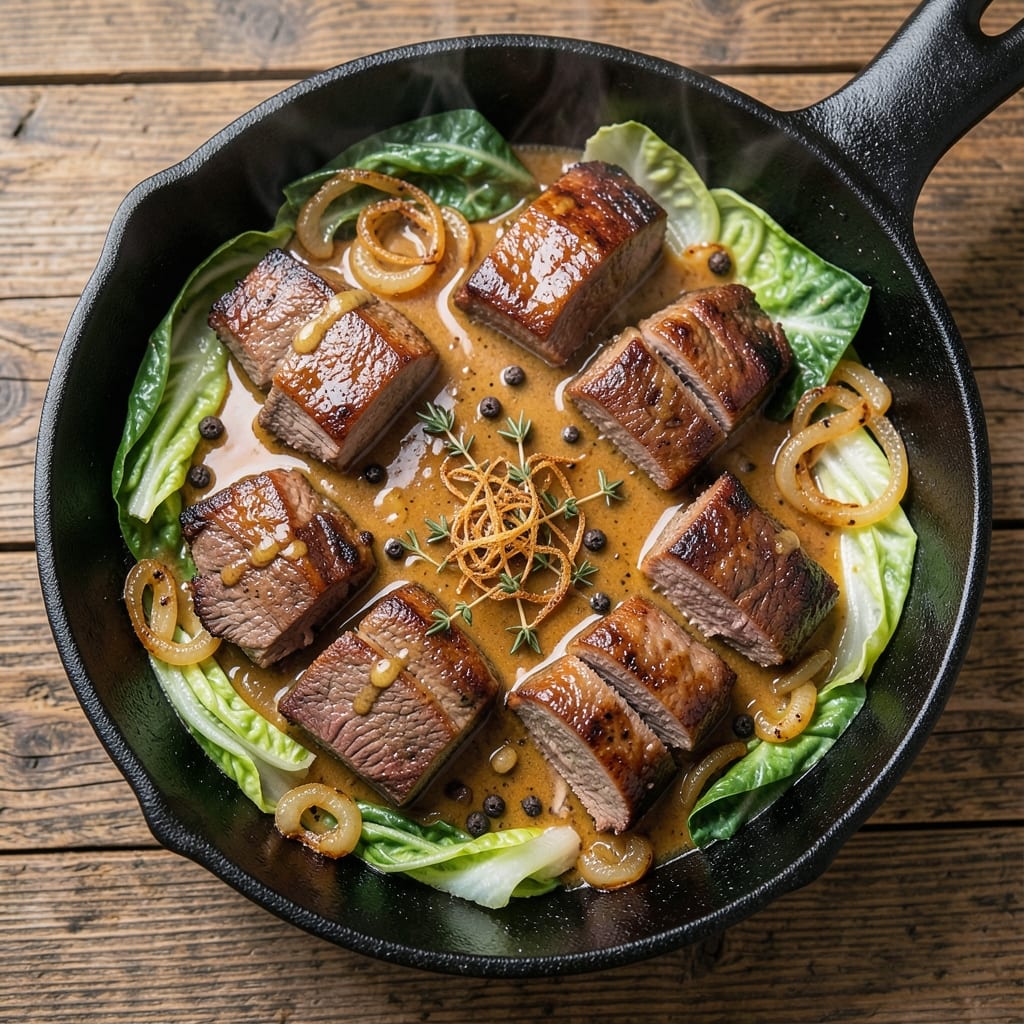
A Chef's Life Beef and Cabbage Casserole Recipe transforms simple ingredients into a deeply satisfying one-pot wonder that's perfect for weeknight dinners or comforting family meals. The slow-simmered approach develops rich, layered flavors—tender beef, caramelized cabbage, and aromatic herbs—that make this dish feel like a restaurant-quality meal without the fuss. I've perfected this recipe over years of testing, ensuring it delivers restaurant-quality depth every time, with techniques that work for both beginners and seasoned cooks.
What sets this casserole apart is the balance of textures and flavors: tender beef that practically melts in your mouth, caramelized cabbage with crisp edges, and a savory sauce infused with garlic, thyme, and a touch of mustard for brightness. The beauty of this recipe lies in its simplicity—just a handful of ingredients that come together in one pot, yet the result is anything but basic. The slow cooking process allows the flavors to meld and intensify, creating a dish that's hearty enough to stand alone or pair beautifully with crusty bread.
The key to success is proper layering and browning the beef before adding the cabbage, which builds depth of flavor that you won't find in quicker preparations. This method ensures the cabbage stays tender-crisp while absorbing the rich, meaty sauce. Whether you're feeding a crowd or prepping for leftovers, this casserole delivers consistent, satisfying results with minimal effort. It's the kind of dish that gets better as it sits, making it ideal for meal prep or bringing to gatherings.
Ready in just 2 hours (with mostly hands-off time), this casserole is perfect for those busy nights when you still want a home-cooked meal that feels special. The aroma alone will have everyone gathering around the table, and the first bite will confirm why this has become a staple in my kitchen. Let's get started on creating this comforting, flavorful masterpiece.
Ingredients for a chef's life beef and cabbage casserole
Restaurant-quality depth starts with these carefully chosen ingredients that transform into a deeply satisfying beef and cabbage casserole.
| Ingredient | Amount | Notes |
|---|---|---|
| Chuck Roast 🥩 | 2 lb | Pre-cubed for even cooking |
| Green Cabbage 🥬 | 1 ½ lb | Shredded into bite-sized pieces |
| Yellow Onion 🧅 | 1 whole | Diced, medium size preferred |
| Garlic Cloves 🧄 | 6 cloves | Minced, for aromatic depth |
| Fresh Thyme 🌿 | ½ oz | Stems removed, leaves chopped |
| Dijon Mustard 🍯 | 1 tbsp | For subtle tang and brightness |
| Beef Broth 💧 | 2 cups | Low-sodium preferred |
| Red Wine 🍷 | ½ cup | Bold variety like Cabernet |
| Tomato Paste 🍅 | 2 tbsp | For concentrated umami |
| All-Purpose Flour 🌾 | 1 tbsp | For thickening sauce |
| Olive Oil 🫒 | 2 tbsp | Extra-virgin for searing |
| Kosher Salt 🧂 | 1 ½ tsp | Diamond Crystal preferred |
| Ground Black Pepper 🌶️ | 1 tsp | Freshly cracked for heat |
| Fresh Parsley 🌿 | ¼ cup | Chopped, for garnish |
The chuck roast is non-negotiable here—its rich marbling ensures tender, melt-in-your-mouth texture. Look for well-marbled cuts at your butcher or high-quality grocery stores like Whole Foods or Costco, where the meat is typically sourced from trusted suppliers. If pre-cubed isn't available, ask the butcher to cut it into 1.5-inch cubes for even cooking. The green cabbage should be firm with crisp leaves; avoid any with yellowing or wilted spots. Trader Joe's often carries pre-shredded cabbage in their fresh produce section, saving you chopping time without sacrificing quality. For the garlic, opt for fresh cloves with tight skins—Penzeys or local farmers markets offer the best quality if you're willing to splurge.
No red wine? Dry sherry or extra beef broth works in a pinch, though the depth of flavor won't be identical. The Dijon mustard adds brightness—if you only have whole-grain mustard, blend it briefly to mimic the texture. Tomato paste can be substituted with 1/4 cup crushed tomatoes, but you'll lose some of the concentrated umami. For the thyme, dried works at 1/3 the amount, but fresh delivers that restaurant-quality aroma. The beef broth should be low-sodium to avoid overpowering the dish; Kitchen Basics or Imagine brands are reliable choices. If your cabbage is particularly fibrous, add 1/2 tsp baking soda to the cooking water to soften it faster—trust me on this.
This casserole tastes even better the next day as flavors meld, so portion into individual containers for easy leftovers. Store in the fridge for up to 5 days or freeze for 3 months—the slow-cooked beef holds up beautifully when reheated. For make-ahead prep, assemble the dish the night before and refrigerate uncovered to let aromas develop. When reheating, cover with foil for the first 10 minutes to prevent over-browning. The parsley garnish adds freshness; chop it just before serving to preserve its vibrant color and bright flavor.
Why You'll Love This Recipe
- One-Pot Magic: I swear by this recipe when I’m too tired to wash dishes. Chuck roast and cabbage braise together—no extra pots, no fuss—just one pan that smells like heaven by the end.
- Garlic-Thyme Bomb: That first bite? The tender beef melts in your mouth while the crisp cabbage and fragrant thyme hit like a flavor punch. Honestly, the garlic alone makes me want to eat it straight from the pan.
- Leftover Hero: This casserole actually tastes better the next day. I make a double batch on Sundays—some for dinner, some for lunches—and everyone begs for seconds (yes, even my picky teenager).
- Budget Winner: Chuck roast stretches into a meal that feeds six for under $20. Between us, it’s my go-to when grocery money’s tight, but no one ever guesses how affordable it is.
Step-by-step instructions for slow-simmered beef and cabbage casserole
This method transforms tough chuck roast into fork-tender perfection while developing deep, layered flavors through precise timing and technique.
Sear the Chuck Roast for Maximum Flavor
Heat the 2 tablespoons olive oil in a large Dutch oven over medium-high heat until shimmering. Pat the 2 lb chuck roast dry with paper towels—this ensures a proper sear. Working in batches if needed, add the chuck roast and sear until deeply browned on all sides, about 8-10 minutes total. You're building flavor through the Maillard reaction, so don't rush this step.
Once browned, transfer the chuck roast to a plate. The goal here is to develop a rich, caramelized crust that will infuse the casserole with depth. If the oil starts smoking excessively, reduce the heat slightly—you want a steady sizzle, not a fire. This initial sear is non-negotiable for achieving that restaurant-quality depth in your finished dish.
Develop the Aromatic Base
In the same Dutch oven, add the 1 whole yellow onion and 6 cloves garlic cloves, cooking for 4-5 minutes until the onions soften and the garlic becomes fragrant. Stir occasionally to prevent burning. The onions should turn translucent with just a hint of golden color at the edges—this indicates they're ready for the next stage.
Add the 1.5 lb green cabbage, 0.5 oz fresh thyme, and 1 tbsp Dijon mustard, stirring to combine. The cabbage will begin to soften almost immediately, releasing its natural juices. Cook for another 3-4 minutes until the cabbage starts to wilt and the thyme releases its piney aroma. This step is where the vegetables begin to meld with the meat's base flavors, creating the foundation for the casserole's rich character.
Build the Sauce and Deglaze
Stir in the 2 tbsp tomato paste and cook for 1 minute to deepen its flavor. Pour in the 0.5 cup red wine, scraping up any browned bits from the bottom of the pot with a wooden spoon—this technique, called deglazing, captures all the concentrated flavors that have built up during searing. Let the wine simmer for 2-3 minutes until reduced by half, intensifying its flavor profile.
Add the 2 cups beef broth and bring to a gentle simmer. Sprinkle in the 1 tbsp all-purpose flour, whisking vigorously to prevent lumps from forming. The sauce should begin to thicken slightly as it incorporates the flour. This step transforms the liquid base into a velvety sauce that will coat every component of the casserole, ensuring each bite is rich and satisfying.
Slow Simmer to Tender Perfection
Return the chuck roast to the Dutch oven, nestling it among the vegetables. Season generously with 1.5 tsp kosher salt and 1 tsp ground black pepper. Bring to a gentle simmer, then reduce heat to low and cover partially with a lid. Let it cook for 2.5-3 hours until the chuck roast is fork-tender and easily pulls apart. The cabbage should be completely tender with no crisp edges remaining.
Check the liquid level periodically and add hot water if it reduces too much—you want enough liquid to keep everything moist but not so much that it dilutes the flavors. The slow cooking process is what transforms tough chuck roast into melt-in-your-mouth tenderness. Patience here is key; rushing this step will result in chewy meat and underdeveloped flavors.
Finish and Garnish
Once the chuck roast is tender, remove the lid and increase heat to medium to reduce the sauce slightly, about 5-7 minutes. The sauce should coat the back of a spoon with a glossy sheen. Stir in the 0.25 cup fresh parsley just before serving to add a bright, fresh contrast to the rich beef and cabbage.
Let the casserole rest for 5-10 minutes before serving. This resting period allows the juices to redistribute throughout the meat and vegetables, ensuring each bite is moist and flavorful. Serve immediately with crusty bread or over buttered egg noodles to soak up every last drop of that delicious sauce. The result is a deeply satisfying, one-pot wonder that delivers restaurant-quality comfort food in your own kitchen.
Pro Tips For Making A Chef'S Life Beef And Cabbage Casserole
- SEAR THE ROAST FIRST: Chuck roast needs a deep, dark crust to stay juicy while it slows down. Hit it with high heat in a Dutch oven—no crowding—until it’s golden brown on all sides. I used to skip this, and the meat ended up dry as a Sunday sermon.
- SHRED THE CABBAGE FINE: Big chunks of cabbage turn mushy and sad. Cut it into matchstick-thin strips—almost like coleslaw—so it cooks evenly and stays crisp enough to bite. Yes, it takes a few extra minutes, but the texture makes all the difference.
- DON’T OVERCOOK THE GARLIC: Fresh thyme and garlic are the soul of this dish, but garlic burns faster than you’d think. Sauté it just until fragrant—about 30 seconds—before adding the onions. Burnt garlic ruins everything, and nobody wants that.
- REST THE MEAT BEFORE SLICING: Cutting into the roast too soon means juices running all over your casserole instead of staying in the meat. Give it a solid 5-10 minutes under foil after pulling it from the oven. Patience here keeps your dish from turning into a soggy mess.
Dietary considerations for these flavors
Gluten-Free Adaptation
This casserole is naturally gluten-free if you use a certified gluten-free flour blend instead of all-purpose flour. I recommend King Arthur Measure for Measure or Bob's Red Mill 1-to-1 Baking Flour—both work beautifully for thickening the sauce. Simply replace the 1 tbsp all-purpose flour with 1 tbsp gluten-free flour blend and whisk it into the broth. The texture will be just as rich and velvety, though you may need to add an extra ½ tsp xanthan gum if your blend lacks it. Always double-check labels to ensure no cross-contamination with gluten-containing ingredients. 🌾
Dairy-Free Options
For a dairy-free version, simply omit the butter entirely and use extra olive oil for searing and finishing. The dish already has a rich, meaty sauce that doesn't rely on dairy for depth. If you're serving with bread, choose a dairy-free option like Udi's Gluten-Free Bread or Schar Artisan Baker. The cabbage will absorb the beefy flavors beautifully without any dairy interference, and the Dijon mustard adds enough tang to keep the dish vibrant. 🧀
Low-Carb Modifications
To make this casserole lower in carbs, reduce the cabbage to ½ lb (about 1 cup shredded) and replace it with 1 lb cauliflower florets. Cauliflower breaks down similarly to cabbage during slow cooking and adds a pleasant texture contrast. You can also swap the egg noodles for a side of roasted Brussels sprouts or a simple zucchini noodle salad with lemon vinaigrette. The beef remains the star, and the reduced cabbage keeps the dish hearty without overpowering carbs. 🥦
Vegetarian Alternative
For a vegetarian version, replace the chuck roast with 2 lbs extra-firm tofu (pressed and cubed) or 1.5 lbs mushrooms (cremini or portobello) for umami depth. Marinate the tofu in ¼ cup soy sauce, 1 tbsp maple syrup, and 1 tsp smoked paprika for 30 minutes before searing. For mushrooms, sauté them with 1 tbsp olive oil until deeply browned before adding to the casserole. The red wine and tomato paste will still provide rich, meaty flavors that satisfy even the most dedicated carnivores. 🍄
Allergen-Friendly Swaps
If nut allergies are a concern, avoid any nut-based thickeners or garnishes. Stick to the original recipe's flour or gluten-free blend for thickening, and garnish only with parsley. For soy allergies, use coconut aminos instead of soy sauce in the vegetarian adaptation. Always check your beef broth for hidden soy or wheat additives—Pacific Foods or Imagine brands offer reliable soy-free options. When in doubt, make the dish fresh and avoid pre-mixed ingredients that might contain hidden allergens. 🚫
Nutrition facts
Frequently asked questions
Why is chuck roast the best cut for this casserole?
Chuck roast is perfect because its rich marbling and connective tissue break down beautifully during slow cooking, creating tender, melt-in-your-mouth beef. The fat renders out, infusing the cabbage and sauce with deep flavor. Less expensive cuts like round steak won't deliver the same satisfaction—this is why restaurants and home cooks swear by it for hearty dishes.
Can I use pre-shredded cabbage, or should I shred it myself?
Pre-shredded cabbage works fine for convenience, but fresh-shredded delivers better texture and flavor. If using pre-shredded, look for brands with minimal additives. For the best results, shred your own—it cooks more evenly and retains crisp edges. Pro tip: Save the outer cabbage leaves for wrapping sandwiches later!
What's the secret to keeping the cabbage tender-crisp instead of mushy?
Cook the cabbage just until it's tender (about 3-4 minutes in Step 2), then add the beef and liquid. The slow simmer will finish cooking it gently. Avoid overcrowding the pot—this steams the cabbage instead of browning it. For extra texture, add 1/2 tsp baking soda to the cooking water to soften it faster without losing structure.
How can I make this casserole ahead of time?
Assemble the dish completely (even the beef) and refrigerate uncovered for 12-24 hours before baking. The aromas will develop beautifully! When ready to cook, add 15-20 minutes to your total time. For freezing, cook fully, cool completely, then freeze in portions. Reheat covered on low for 1 hour or until steaming hot. Leftovers taste even better the next day!
What if my casserole is too watery after cooking?
Simmer uncovered for 10-15 minutes to reduce the sauce, stirring occasionally. If it's still too thin, mix 1 tsp cornstarch with 1 tbsp cold water, stir into the casserole, and simmer until thickened. Never skip the initial sear—it's what builds flavor to compensate for any extra liquid. For future batches, reduce broth by 1/4 cup if your kitchen runs hot.