
Salads
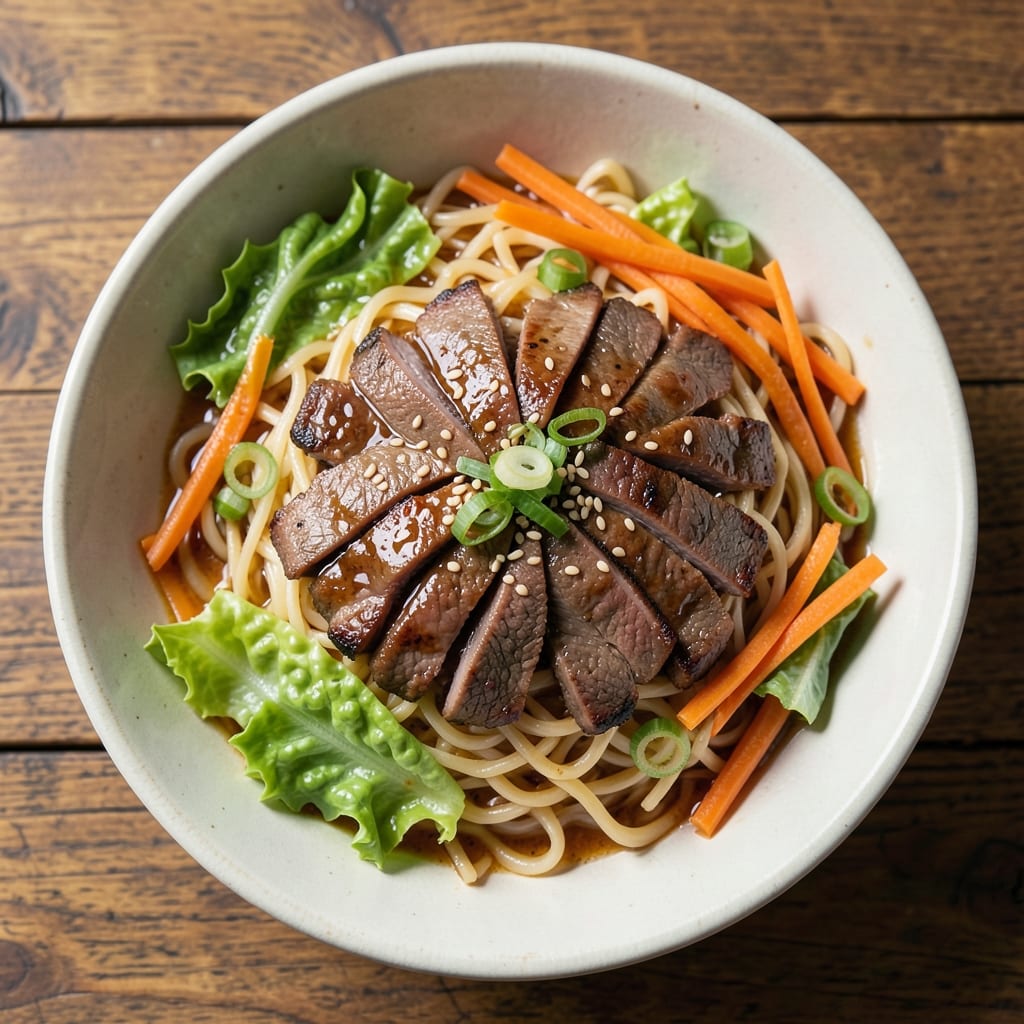
This Asian beef noodle salad recipe delivers restaurant-quality flavors with crisp-tender beef and silky rice noodles in under 30 minutes. The secret lies in thinly sliced beef marinated in a bold soy-ginger mix, stir-fried to perfection, then tossed with chilled noodles and fresh vegetables. Every bite balances sweet, tangy, and umami notes—no takeout required.
The foundation starts with marinated beef (flank steak or sirloin) sliced paper-thin and seared just until tender, not overcooked. Rice noodles soak up the dressing beautifully, while shredded cabbage and carrots add satisfying crunch. A homemade dressing—soy sauce, rice vinegar, sesame oil, and a touch of honey—ties everything together with a bright, addictive flavor.
What you’ll end up with is a refreshing, protein-packed salad that’s perfect for lunch or a light dinner. The beef stays tender and flavorful, the noodles hold their texture, and the dressing clings to every component. Garnish with crushed peanuts or sesame seeds for extra crunch and visual appeal.
This recipe scales effortlessly—double it for meal prep or serve as-is for a quick, satisfying meal. The best part? It’s customizable: swap in soba noodles for a gluten-free option or add a spicy peanut drizzle for heat lovers. Let’s make this salad your new go-to dish.
Ingredients for asian beef noodle salad
Restaurant-quality Asian beef noodle salad starts with these precise ingredients for perfect balance.
| Ingredient | Amount | Notes |
|---|---|---|
| Flank Steak 🥩 | 1 lb | Thinly sliced against grain |
| Rice Noodles 🍜 | 8 oz | Medium width, uncooked |
| Green Cabbage 🥬 | 4 cups | Shredded, crisp variety |
| Carrots 🥕 | 2 medium | Julienned, about 1 cup |
| Soy Sauce 🍶 | ½ cup | Low-sodium preferred |
| Rice Vinegar 🍶 | ¼ cup | Seasoned preferred |
| Sesame Oil 🫒 | 1 tbsp | Toasted, for aroma |
| Honey 🍯 | 1 tbsp | Light variety |
| Fresh Ginger 🌿 | 1 tbsp | Grated, fresh preferred |
| Garlic Cloves 🧄 | 2 cloves | Minced, fresh preferred |
| Peanuts 🥜 | ¼ cup | Crushed, unsalted |
| Sesame Seeds 🌾 | 1 tbsp | Toasted, for garnish |
| Vegetable Oil 🫒 | 2 tbsp | High smoke point |
| Diamond Crystal Kosher Salt 🧂 | ½ tsp | For seasoning |
| Ground Black Pepper 🌶️ | ¼ tsp | Freshly ground |
The beef selection is critical—flank steak delivers that signature tender yet firm texture when sliced thinly against the grain. Trader Joe's or Costco carry excellent pre-sliced options, but if buying whole, ask your butcher to slice it paper-thin for you. For the rice noodles, medium-width varieties hold up best to the dressing without becoming mushy. Look for brands like Mama Lu's or Vietnamese rice noodles at Asian markets—they're specifically designed for salads and don't require pre-cooking. Fresh ginger and garlic should be vibrant and aromatic—if they smell dull, they're past their prime.
No flank steak? Sirloin or ribeye work equally well, though ribeye has more fat which can make the salad richer. For a quick swap, pre-cooked rotisserie chicken shredded thinly mimics the texture beautifully. The dressing can be made in advance—store it in a sealed jar for up to 5 days—but the noodles should be soaked only when ready to serve. If you're avoiding gluten, substitute tamari for soy sauce and use certified gluten-free rice noodles. The peanuts add essential crunch—toast them lightly in a dry pan before crushing to enhance their flavor without burning.
Prep the vegetables immediately before assembling the salad to maintain crispness—cabbage and carrots stay fresh for 3-4 days when stored in airtight containers in the fridge. The dressing keeps up to 1 week refrigerated, though the sesame oil will lose some of its aromatic punch after 3 days. For meal prep, store components separately: dress the noodles and beef just before serving to prevent sogginess. This salad reheats poorly—always serve at room temperature for optimal texture and flavor.
Why You'll Love This Recipe
- No-Fuss Protein Power: I slice that flank steak thin, marinate it for 10 minutes in soy sauce and a splash of oil, then sear it fast. No fancy knife skills or hours of prep—just tender, flavor-packed beef with zero fuss.
- Umami Bomb Combo: The crisp-tender cabbage and shredded carrots soak up the soy sauce like a sponge, while the rice noodles soften just enough to hold up to the chewy beef. Honestly, the balance of salty, fresh, and meaty hits every time.
- Lunchbox Hero: Pack it cold for work or school—no reheating needed. The noodles stay separate until you mix it up, and the beef stays juicy. My kids actually ask for this in their lunches. (Yes, even on a Tuesday.)
- Budget Meal Stretch: A single flank steak feeds four, and the veggies stretch further than you’d think. Leftovers? They’re even better the next day—cold or at room temp. This is my go-to when I need to feed a crowd without breaking the bank.
Step-by-step instructions for Asian beef noodle salad
Transform simple ingredients into a restaurant-quality Asian beef noodle salad with perfectly tender beef and silky rice noodles.
Marinate and Slice the Flank Steak
In a medium bowl, combine the 0.5 cup soy sauce, 0.25 cup rice vinegar, 1 tablespoon honey, 1 tablespoon grated fresh ginger, 2 minced garlic cloves, 0.5 teaspoon Diamond Crystal kosher salt, and 0.25 teaspoon ground black pepper. Whisk until fully dissolved and the mixture takes on a deep amber hue.
Add the 1 lb flank steak, ensuring each slice is coated thoroughly. Cover and refrigerate for at least 30 minutes (I prefer 1 hour) to allow the marinade to penetrate deeply. For best results, slice the flank steak thinly against the grain using a sharp knife—this creates tender, bite-sized pieces that cook quickly and evenly. The marinade should transform the steak from raw to vibrant, with a glossy sheen indicating proper absorption.
Cook the Rice Noodles to Al Dente Perfection
Bring a large pot of water to a rolling boil. Add the 8 oz rice noodles and cook according to package instructions—typically 3-4 minutes—until the noodles are tender but still slightly firm to the bite. This al dente texture prevents them from turning mushy when tossed with the salad.
Drain immediately and rinse under cold water for 10 seconds to halt cooking. Toss the noodles with 1 tablespoon toasted sesame oil to prevent sticking and add a nutty aroma. The noodles should be glossy and separate, not clumping together. Transfer to a large mixing bowl and set aside—this keeps them warm while you prepare the remaining components.
Prepare the Vegetable Medley
In a separate bowl, combine the 4 cups shredded green cabbage and 2 medium julienned carrots. Massage the vegetables gently with your hands for 1 minute—this breaks down the cabbage fibers and releases moisture, ensuring a more vibrant, crunchy texture when combined with the dressing.
The cabbage should soften slightly but remain crisp, while the carrots retain their bright orange color. If the mixture appears too dry, add 1 tablespoon rice vinegar to enhance flavor and tenderness. This step is crucial for achieving that signature Asian salad crunch without overpowering the delicate beef and noodles.
Cook the Marinated Beef to Crisp-Tender Perfection
Heat 2 tablespoons vegetable oil in a large skillet over medium-high heat until shimmering. Add the marinated flank steak in a single layer, leaving space between pieces to prevent steaming. Cook undisturbed for 2-3 minutes until the edges develop a golden-brown crust.
Flip the steak and continue cooking for another 1-2 minutes until the internal temperature reaches 140°F—this ensures the beef is crisp on the outside and tender on the inside. The marinade should caramelize slightly, creating a glossy glaze. Remove the beef from the skillet and set aside, reserving any remaining marinade in the pan.
Assemble and Toss for Maximum Flavor
Return the skillet with reserved marinade to medium heat and add the 0.25 cup crushed peanuts. Toast for 1 minute until fragrant and lightly golden. Pour in the remaining 1 tablespoon toasted sesame oil and toss everything together.
Combine the cooked beef, rice noodles, and vegetable medley in the large mixing bowl. Pour the peanut-sesame oil mixture over the top and toss gently but thoroughly to distribute evenly. Garnish with 1 tablespoon toasted sesame seeds just before serving. The salad should be vibrant, with each bite delivering a perfect balance of crisp-tender beef, silky noodles, and fresh vegetables.
Pro Tips For Making Asian Beef Noodle Salad
- SEAR THE STEAK HOT: Crank your pan to medium-high and let it scream for 30 seconds before adding oil—this gets the flank steak that deep, caramelized crust in 2-3 minutes instead of 5. I used to walk away too soon, and the beef would turn out chewy. Now I count to 10 after the first sear, then flip.
- SOAK NOODLES SEPARATELY: Split those rice noodles into two batches and soak one while you prep the steak and veggies. They’ll soften faster without getting mushy from sitting in warm water. Trust me, you’ll save yourself from a sad, gummy mess when assembling.
- SHRED CABBAGE THIN: Tear the green cabbage into quarters, remove the core, then slice it paper-thin with a sharp knife—almost like you’re cutting onions. Thinner slices stay crisp longer and actually taste like cabbage instead of a sad, watery wad.
- SAVE THE SOY SAUCE: Toss half the soy sauce with the raw beef before searing, and reserve the rest for the dressing. The marinade adds depth, while keeping some separate lets you adjust the final flavor without overpowering the salad. I learned this after drowning my first batch in saltiness.
Dietary considerations for asian beef noodle salad
Gluten-Free Swaps
Replace the soy sauce with tamari—a naturally gluten-free alternative that still delivers that deep umami punch. For the rice noodles, opt for certified gluten-free brands like Mama Lu's or Thai Kitchen rice noodles, which are typically free from cross-contamination. Double-check labels, as some varieties may process in shared facilities. 🥗
Low-Carb Adaptations
Swap the rice noodles for shirataki noodles (made from konjac yam) to slash carbs while keeping that satisfying texture. Use 12 oz instead of the original 8 oz since they’re less dense. For extra protein, add ¼ cup chopped edamame or 2 extra oz of sliced chicken breast to the beef. The salad remains hearty without the carb overload.
Dairy-Free & Vegan Options
Skip the beef entirely and use extra-firm tofu or tempeh instead. Press and marinate the tofu in the same soy-ginger mixture for 30 minutes, then pan-fry until crispy. For a vegan dressing, replace honey with maple syrup and ensure your soy sauce is vegan-certified (like San-J or Kikkoman Vegan Soy Sauce). Garnish with toasted coconut flakes instead of peanuts for a nut-free crunch. 🌱
Nut-Free Considerations
Omit the crushed peanuts and replace them with toasted pumpkin seeds or sunflower seeds for crunch. These alternatives provide a similar texture without the nut risk. For extra flavor, add 1 tsp of toasted sesame seeds to the dressing or sprinkle crispy fried shallots on top. Always check seed brands for cross-contamination warnings if allergies are a concern.
Protein Flexibility
Need a different protein? Swap the beef for grilled shrimp (marinate in half the soy sauce + lime juice) or rotisserie chicken (shredded and tossed in the dressing). For a vegetarian option, use mushrooms (marinated and pan-seared) or crispy baked tofu. Adjust cooking times—shrimp cooks in 2 minutes, while tofu needs 5-6 minutes per side for a caramelized crust. 🍤
Nutrition facts
Frequently asked questions
Can I make this Asian beef noodle salad ahead of time?
Yes, but with smart prep! Store the cooked beef, cooked noodles, and dressing separately in airtight containers for up to 2 days. Keep vegetables raw until ready to serve. When assembling, toss everything together just before eating to maintain crispness. The beef stays tender for 2 days refrigerated if properly sealed.
What's the best way to slice flank steak for this recipe?
Slice against the grain for maximum tenderness! Use a sharp knife and cut at a 45-degree angle for thin, even strips. For easier prep, ask your butcher to slice it paper-thin before you take it home. Never slice with the grain—this creates chewy, tough pieces that ruin the salad's texture.
Can I use regular pasta instead of rice noodles?
Not ideal, but you can try! Swap for cold spaghetti or linguine (cooked al dente, then chilled). The texture will be firmer, but the flavor works. For best results, use udon noodles (cooked and cooled) which hold up better. Regular pasta absorbs dressing differently and loses its bite when cold.
How do I prevent the cabbage from getting soggy?
Massage it with a little dressing first! Combine the cabbage with 1 tbsp rice vinegar and ½ tbsp sesame oil before adding other ingredients. This jumpstarts the flavor and keeps it crisp. Also, store raw vegetables separately from the dressing until the last minute to maintain crunch.
What makes the beef crisp-tender instead of tough?
Three key factors: thin slicing, quick cooking, and proper marinating. Slice against the grain, cook over medium-high heat for only 2-3 minutes total, and never overcrowd the pan. The marinade's acidity (vinegar) helps tenderize while keeping the exterior crisp.