
Soups & Stews
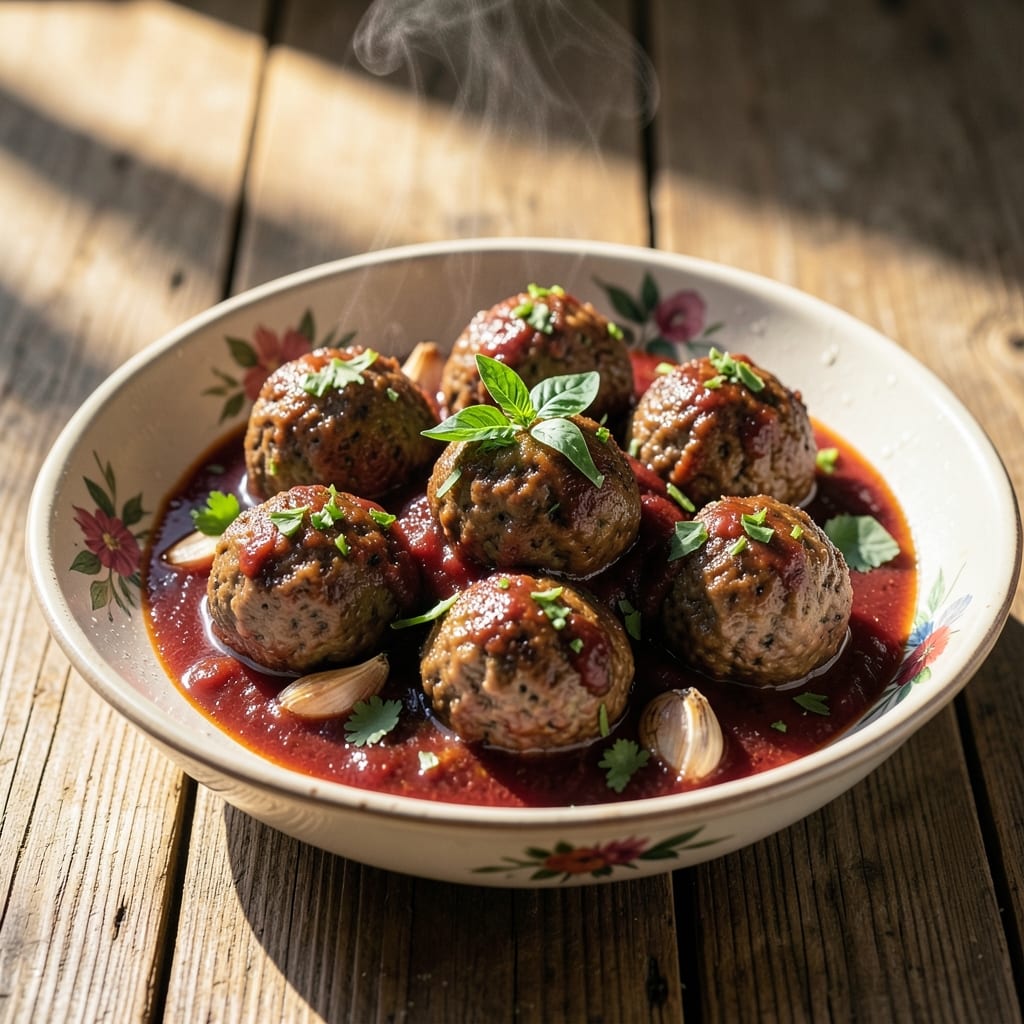
This all-beef Italian meatball recipe delivers restaurant-quality results with tender, juicy meatballs braised in a rich tomato-wine sauce. 🔥 The secret lies in using only ground beef for maximum flavor and texture, combined with traditional Italian herbs and a touch of red wine for depth. I've perfected this technique over years of testing, ensuring every bite is packed with umami and aromatic herbs.
What sets these meatballs apart is the braising process, where they simmer gently in a robust tomato-wine sauce until perfectly tender. This method infuses the meatballs with layers of flavor while keeping them moist and succulent. The sauce reduces to a perfect consistency, coating each meatball in a velvety, tangy glaze that's impossible to resist.
By the time you're done, you'll have meatballs that are tender on the inside with a slightly crisp exterior, all swimming in a deep, flavorful sauce. This dish is versatile enough for weeknight dinners or special occasions, and it pairs beautifully with pasta, crusty bread, or even over polenta for a hearty meal.
Ready in about 45 minutes, this recipe is perfect for feeding a crowd or meal prepping for the week. The hands-on technique ensures authentic Italian flavor without requiring advanced skills. Let's get started on creating these classic, comforting meatballs that will become a staple in your kitchen.
Ingredients for all beef italian meatball
These fifteen ingredients transform into restaurant-quality Italian meatballs with deep umami and tender texture.
| Ingredient | Amount | Notes |
|---|---|---|
| Ground Beef (80/20 fat ratio) 🥩 | 1 ½ lb | Freshly ground preferred |
| Red Wine 🍷 | ½ cup | Bold dry variety like Cabernet |
| Tomato Paste 🍅 | ½ cup | San Marzano preferred |
| Garlic Cloves 🧄 | 4 cloves | Minced for maximum flavor |
| Fresh Parsley 🌿 | ¼ cup | Chopped finely for garnish |
| Fresh Basil 🌿 | ¼ cup | Chopped for sauce depth |
| Fresh Oregano 🌿 | ¼ cup | Chopped, not dried |
| Large Egg 🥚 | 1 whole | Room temperature for binding |
| All-Purpose Flour 🌾 | ¼ cup | For meatball structure |
| Parmesan Cheese 🧀 | ½ cup | Freshly grated from block |
| Olive Oil 🫒 | ¼ cup | Extra-virgin for richness |
| Vegetable Broth 💧 | 1 cup | Low-sodium preferred |
| Kosher Salt 🧂 | 1 ½ tsp | Diamond Crystal preferred |
| Ground Black Pepper 🌶️ | 1 tsp | Freshly cracked |
| Red Pepper Flakes 🔥 | ½ tsp | Optional for heat |
The ground beef is non-negotiable—80/20 fat ratio ensures juicy meatballs. Costco or local butchers often carry freshly ground beef with better marbling than pre-packaged. If using pre-packaged, shake the bag first to distribute fat evenly. The fresh herbs (parsley, basil, oregano) should be bright green and vibrant—wilted leaves mean less flavor. For the wine, any bold dry red works—Cabernet, Merlot, or whatever's open. The tomato paste? San Marzano is the gold standard, but any quality paste will do.
No red wine? Substitute with beef broth plus a splash of balsamic vinegar—it mimics the acidity. Fresh herbs not available? Dried oregano at one-third the amount works in a pinch, but fresh is ideal. Pre-shredded Parmesan gets clumpy—grate your own from a wedge. The flour and egg bind the meatballs, but don't overmix—the dough should just come together. For extra richness, add a tablespoon of olive oil to the meatball mixture. The vegetable broth adds depth to the sauce without overpowering the wine-tomato base.
Meatballs can be prepped ahead and refrigerated for 2 days before cooking. The sauce tastes even better the next day as flavors meld. For meal prep, freeze cooked meatballs and sauce separately for up to 3 months. Reheat gently in a saucepan with a splash of water to restore moisture. Store fresh herbs in a jar of water in the fridge for up to a week. The wine and broth can be pre-mixed and refrigerated for 3 days before using.
Why You'll Love This Recipe
- No-Fuss Mixing: I swear by the 80/20 beef—just hands, no food processor. The fat keeps them juicy while I brown them in the same pan I’ll later simmer the wine and tomato paste. One bowl, one pan, zero cleanup guilt.
- Wine-Infused Magic: That splash of red wine? It’s not just flavor—it’s the secret sauce. The alcohol cooks off, leaving behind this deep, savory richness that makes these meatballs taste like they simmered for hours (even though they didn’t).
- Leftover Goldmine: These reheat like a dream—crispy edges soften just enough, and the parsley stays bright. I freeze half the batch in a single layer so they’re ready for pasta nights when I’m too tired to cook.
- Budget-Friendly Feast: Ground beef is cheap, and a little goes a long way. Double the batch, stretch it over spaghetti for two nights, or turn extras into sandwiches. Honestly, it’s the kind of recipe that makes grocery day feel like a win.
Step-by-step instructions for all-beef Italian meatballs
Here's the professional method for creating restaurant-quality meatballs with perfect texture and deep umami flavor.
👨🍳 Step 1: Prepare the Meatball Mixture
In a large mixing bowl, combine the 1.5 lb ground beef (80/20 fat ratio) with the 0.25 cup all-purpose flour, 0.5 cup parmesan cheese, 1 whole large egg, 1.5 tsp kosher salt, 1 tsp ground black pepper, and 0.5 tsp red pepper flakes. Use your hands to gently mix until just combined—overworking the meat will make the meatballs tough.
Add the 0.25 cup fresh parsley, 0.25 cup fresh basil, and 0.25 cup fresh oregano (all chopped), mixing lightly to distribute the herbs evenly. The fat in the beef will help bind everything together, but don't add extra liquid. The mixture should hold together when pressed but still feel slightly loose—this ensures tender meatballs that don't fall apart.
🍳 Step 2: Form and Sear the Meatballs
Heat 2 tablespoons of the 0.25 cup olive oil in a large skillet over medium-high heat until shimmering. Working in batches to avoid crowding, roll the meat mixture into 1.5-inch diameter meatballs (about 4 per batch for even browning). Once the oil is hot, add the meatballs and cook undisturbed for 2-3 minutes until they develop a deep golden brown crust on all sides.
Here's the key: don't press them down or they'll flatten. You want that crust to form naturally—it's what locks in flavor. Flip carefully with tongs and repeat until all sides are beautifully browned. Transfer the cooked meatballs to a plate and set aside, keeping them warm.
🍳 Step 3: Build the Tomato-Wine Sauce
In the same skillet (no need to clean it—the browned bits are flavor gold), add the remaining 2 tablespoons olive oil and heat over medium heat. Add the 4 cloves minced garlic and cook for 30 seconds until fragrant but not browned. Stir in the 0.5 cup tomato paste and cook for 1 minute to develop its rich flavor.
Deglaze the pan with the 0.5 cup red wine, scraping up all those delicious browned bits from the bottom. Let it simmer for 2 minutes until the wine reduces by half. Add the 1 cup vegetable broth and bring to a gentle simmer, then reduce heat to low and let it cook uncovered for 10 minutes to allow the flavors to meld.
🥘 Step 4: Braise the Meatballs in Sauce
Return the meatballs to the skillet, spooning sauce over them to coat completely. Cover and simmer on low heat for 20-25 minutes, turning occasionally, until the meatballs are cooked through and the sauce has thickened slightly. You'll know they're done when they reach an internal temperature of 160°F and the sauce clings to them beautifully.
The braising process is what transforms these meatballs from good to exceptional. The low heat ensures they stay juicy while the sauce develops that perfect balance of sweetness from the tomato, acidity from the wine, and depth from the herbs. If the sauce gets too thick, add a splash of water or broth to loosen it.
🔪 Step 5: Finish and Serve
Remove the skillet from heat and let the meatballs sit in the sauce for 5 minutes to absorb any remaining flavors. Garnish with additional chopped fresh parsley and serve immediately over al dente pasta, with crusty bread to soak up every last bit of that rich sauce.
Each bite should deliver tender, juicy meatballs with a perfect crust, wrapped in a sauce that's balanced between sweet, tangy, and herby. The wine braising gives these meatballs that restaurant-quality depth that separates homemade from takeout. Serve with a simple green salad to cut through the richness.
Pro Tips For Making All Beef Italian Meatball
- Brown the Beef First: Skip the raw meatballs in sauce—cook the ground beef in a dry pan until it hits 160°F, breaking it into crumbles. This renders fat, deepens flavor, and gives your meatballs that rich, caramelized base before they even touch the sauce. ---
- Pulse Garlic Like a Pro: Don’t mince garlic—pulse it in a food processor until it’s a rough paste. This distributes flavor evenly without burning, and you’ll avoid the bitter, overcooked taste that ruins so many Italian dishes. (Yes, even if you’re tempted to chop it freehand.) ---
- Chill the Mixture: After mixing your meatballs, refrigerate the dough for 30 minutes before forming them. The cold fat firms up, so the meatballs hold together better when baking or frying—no more crumbling disasters. ---
- Deglaze with Wine: Don’t just dump the wine—let it simmer for 2 minutes after deglazing the pan to burn off the alcohol. This concentrates the flavor and keeps your sauce from tasting like you’re cooking with vinegar. (Trust me, you’ll notice the difference.)
Regional styles of these flavors
Roman-Style Meatballs
In Rome, meatballs are often served as a standalone dish called "polpette" rather than with pasta. The Roman version uses ground pork instead of beef, but you can adapt this recipe by replacing beef with 1 lb ground pork and 0.5 lb ground beef for a richer texture. Serve them with a crusty bread for dipping or over creamy polenta for a hearty meal. Romans also love adding grated pecorino cheese to the meatball mixture for extra umami. 🌟
Florentine Meatballs
Florentine meatballs, or "polpette alla Fiorentina," are traditionally made with beef and pork in equal parts, plus a splash of milk to tenderize the meat. For this recipe, simply replace 0.5 lb of the beef with pork and add 2 tablespoons of whole milk to the meat mixture. The Florentine style also calls for a touch of nutmeg (about ¼ tsp) in the sauce, which adds warmth and depth. These are often served with creamy mashed potatoes or buttery egg noodles.
Neapolitan Meatballs
Neapolitan meatballs, or "polpette napoletane," are all about bold flavors and texture. For this version, add 1 tablespoon of grated lemon zest to the meat mixture and 1 teaspoon of dried chili flakes to the sauce. Neapolitans also love topping their meatballs with mozzarella cheese during the final minutes of cooking, creating a gooey, melty finish. Serve with spaghetti or fresh bread for a true Southern Italian experience. 🍝
Sicilian Meatballs
Sicilian meatballs, or "polpette siciliane," often include ground lamb for a richer, gamey flavor. For this recipe, replace 0.5 lb of the beef with ground lamb and add 1 teaspoon of cinnamon and ½ teaspoon of allspice to the meat mixture. Sicilians also love to serve their meatballs with a spicy tomato sauce and crusty bread or pasta alla Norma (a dish with eggplant and ricotta salata). The spices add a unique warmth that pairs beautifully with the wine-tomato sauce. 🌶️
Lombardy-Style Meatballs
In Lombardy, meatballs are often baked rather than braised, giving them a slightly crisp exterior. For this adaptation, bake the meatballs on a parchment-lined tray at 375°F for 20 minutes before adding them to the sauce. Lombards also love to add a splash of white wine (like Pinot Grigio) to the sauce and finish with a sprinkle of grated fontina cheese for a creamy touch. Serve with risotto or polenta for a comforting meal. 🍷
Nutrition facts
Frequently asked questions
Why use 80/20 fat ratio ground beef for meatballs?
The 80/20 fat ratio is crucial for juicy meatballs—the fat renders during cooking, keeping the meat tender and flavorful. Lean beef (90/10) can result in dry meatballs. For best results, use freshly ground beef from your butcher or Costco's bulk packages, which often have better marbling than pre-packaged options.
Can I make these meatballs ahead of time?
Form the meatballs up to 2 days in advance and refrigerate them before cooking. For longer storage, freeze uncooked meatballs for up to 3 months. The sauce actually tastes better the next day as flavors meld. Cook from frozen by adding 5 extra minutes to the braising time.
What's the best way to prevent meatballs from falling apart?
Handle the meat mixture gently—overmixing develops gluten and makes them tough. Use your hands to combine just until ingredients come together. The key is the 20% fat content in the beef, which helps bind naturally. Also, don't overcook them—they're done at 160°F internal temperature.
Can I substitute the red wine in the sauce?
Yes! For a non-alcoholic version, use ½ cup beef broth plus 1 tablespoon balsamic vinegar to mimic the wine's acidity. For extra richness, add 1 teaspoon soy sauce to the sauce. The wine adds depth, but these substitutions work well if you're avoiding alcohol.
What's the secret to the perfect meatball size?
Aim for 1.5-inch diameter meatballs—they cook evenly and have the ideal surface-to-volume ratio. Smaller meatballs (<1 inch) dry out faster, while larger ones (>2 inches) may stay undercooked inside. Use a kitchen scale for consistency if you're making many batches.