
Main Courses
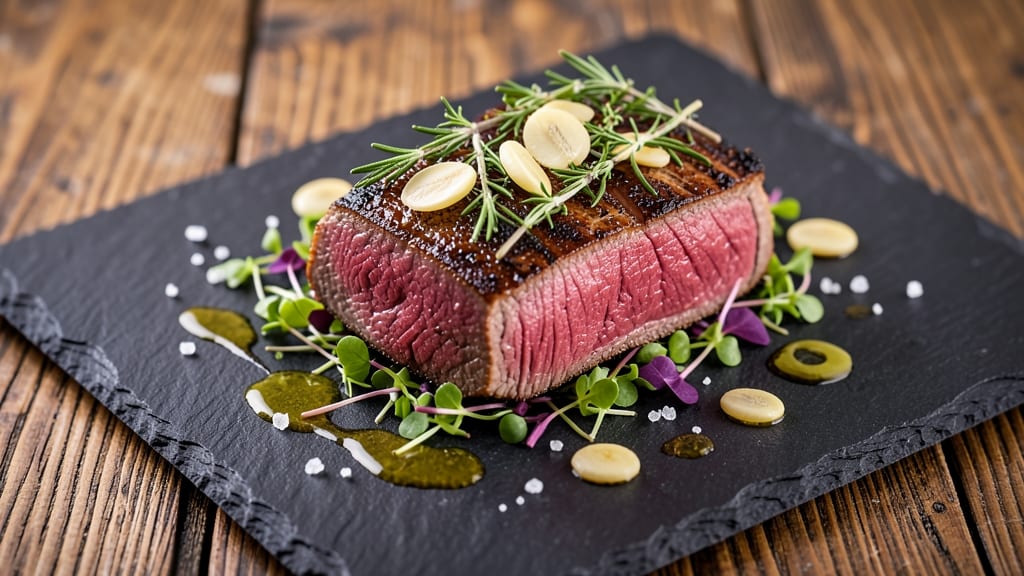
Mastering Alton Brown's beef tenderloin recipe transforms a simple cut into a showstopping centerpiece that's tender and perfectly medium-rare every time. 🌟 I've cooked this recipe countless times for dinner parties, and the herbed crust technique—simple yet transformative—elevates the dish from good to unforgettable.
The secret lies in precise temperature control and a crust that adds texture without overpowering the beef's natural richness.
This method delivers restaurant-quality results at home with minimal fuss. Start by preparing the beef with a dry brine and herbed crust that seals in juices while creating a flavorful bark.
Reverse searing ensures even doneness without overcooking the exterior, and the resting period guarantees that first slice is juicy and perfect. No fancy equipment needed—just patience and attention to detail.
The outcome is a beef tenderloin that's juicy, flavorful, and visually stunning—golden crust contrasting with a deep pink center. The herbed crust adds aromatic depth, while the tender meat melts in your mouth.
This is the kind of dish that makes guests ask for your recipe and leaves you feeling like a professional chef. Pair with roasted vegetables or a crisp white wine to complete the meal.
Perfect for special occasions or when you want to impress, this recipe scales beautifully for any gathering size. The techniques are precise but not intimidating, making it achievable for home cooks looking to elevate their cooking game. Let's get started on creating your signature dish.
Ingredients for alton brown beef tenderloin
Twelve ingredients transform simple beef tenderloin into restaurant-quality perfection with herbed crust and precise reverse sear technique.
| Ingredient | Amount | Notes |
|---|---|---|
| Beef Tenderloin 🥩 | 4 lb | Center-cut, trimmed of fat |
| Kosher Salt 🧂 | 1 ½ tbsp | Diamond Crystal preferred |
| Fresh Thyme Leaves 🌿 | ½ cup | Finely chopped, stems removed |
| Fresh Rosemary 🌿 | ¼ cup | Finely chopped, fresh preferred |
| Fresh Garlic Cloves 🧄 | 6 cloves | Minced, peeled |
| Extra-Virgin Olive Oil 🫒 | ¼ cup | High-quality, fruity |
| Black Peppercorns 🌶️ | 1 tbsp | Freshly cracked |
| All-Purpose Flour 🌾 | ½ cup | For crust coating |
| Unsalted Butter 🧈 | ½ cup | Cold, cubed |
| Fresh Parsley Leaves 🌿 | ¼ cup | Chopped, for garnish |
| Dry White Wine 🍷 | ½ cup | Sauvignon Blanc preferred |
| Beef Stock 🍲 | ½ cup | Homemade or high-quality |
| Fresh Lemon Juice 🍋 | 1 tbsp | From organic lemons |
The beef tenderloin is the star—center-cut, trimmed of silver skin—and worth investing in for this recipe. Whole Foods Market or local butchers often carry the highest-quality cuts, but even standard grocery stores stock tenderloins that work well. Look for bright red color and minimal marbling; the less fat, the more tender the result. Fresh herbs are non-negotiable here—their aromatic oils are essential for that signature crust. Penzeys Spices or local farmers' markets offer the freshest thyme and rosemary, but any quality grocery store's produce section will suffice if you check for vibrant green leaves and no wilting. The garlic should be firm and clove-free of sprouts, while the olive oil should be extra-virgin with a fruity aroma—California Olive Ranch or Colavita brands excel for this purpose.
No fresh thyme? Dried thyme at one-third the amount works, though the flavor will be subtler. Substitute fresh sage for rosemary if needed, using equal parts. For the wine component, dry vermouth or additional beef stock can replace the white wine without compromising depth. The butter must be cold—remove it from the fridge 30 minutes before coating—to create that perfect crust. If you're short on time, chill the cubed butter for 15 minutes in the freezer instead. The flour should be all-purpose, but bread flour adds slight chewiness if you prefer texture. For the stock, low-sodium versions prevent over-salting the final dish.
This recipe rewards advance preparation. Dry-brine the beef overnight for maximum tenderness, and store it uncovered in the fridge during this time. Fresh herbs keep best in the fridge wrapped in damp paper towels for up to 5 days, while the butter remains usable in the freezer for 6 months. The finished tenderloin reheats beautifully—warm in a 325°F oven for 15-20 minutes wrapped in foil with a splash of beef stock. Portioning the roasted vegetables ahead of time allows you to assemble the full meal just before serving, maintaining optimal texture and temperature contrast between the crust and center.
Why You'll Love This Recipe
- No-Chop Necessary: I swear by this recipe because it’s the only beef tenderloin I’ll make when I’m too tired to fuss. Just season the outside with kosher salt, fresh thyme, rosemary, and smashed garlic—no mincing, no brining, no stress. The meat practically cooks itself while you sip wine and pretend you’re a chef.
- Herb-Crusted Magic: That crispy, fragrant crust? It’s all in the thyme and rosemary—tucked under the skin so every bite bursts with flavor. The garlic adds this deep, savory punch that makes even the simplest side (mashed potatoes, roasted veggies) feel like a five-star meal.
- Weeknight or Weekend Star: I’ve served this at both my chaotic Tuesday dinners and my fancy-pretend holiday gatherings. For weeknights, I slice it thin and serve it with pan sauce. For company, I roast it whole—same recipe, just different portions. It’s the ultimate “I don’t care what you’re doing” protein.
- Leftovers That Don’t Suck: Between us, most beef tenderloin leftovers end up in the trash. Not this one. The meat stays tender for days, and I repurpose it into sandwiches, grain bowls, or even breakfast hash. Honestly, the second day is when it’s really good—because the flavors meld even more.
Step-by-step instructions for alton brown's beef tenderloin
Master this technique and you'll achieve a perfectly tender center with a flavorful herbed crust every time.
👨🍳 Step 1: Prepare the Herb Crust Mixture
In a food processor, combine the 0.5 cup fresh thyme leaves, 0.25 cup fresh rosemary, 6 cloves fresh garlic cloves, 1.5 tbsp kosher salt, and 1 tbsp freshly cracked black peppercorns. Pulse until finely chopped but not pasty. With the processor running, gradually add the 0.25 cup extra-virgin olive oil until the mixture forms a coarse paste. This herbed oil will form the foundation of your crust.
The reason we process the herbs with oil first is to create an adhesive that will cling to the beef tenderloin. You want a texture that's finely textured but still retains some visible herb flecks—this ensures maximum flavor without overwhelming the delicate beef. Transfer this mixture to a small bowl and set aside.
🍳 Step 2: Sear the Tenderloin for Crust Development
Pat the 4 lb beef tenderloin dry with paper towels—this is critical for both searing and crust formation. Preheat your oven to 400°F. Heat a heavy oven-safe skillet over medium-high heat and add 0.25 cup extra-virgin olive oil. Once shimmering, add the tenderloin and sear on all sides for 3-4 minutes per side until developing a deep golden brown crust.
Here's the thing—don't rush this sear. You're building flavor and creating a moisture barrier that will help retain juices during roasting. The crust should be deep golden brown with some caramelization. Once seared, remove the skillet from heat and carefully transfer the tenderloin to a plate.
🥘 Step 3: Create the Herb Crust and Roast
Working quickly, spread the herb oil mixture evenly over the seared tenderloin, pressing it gently into the surface. Then, roll the tenderloin in the 0.5 cup all-purpose flour until completely coated. Return the skillet to the oven and roast for 20-25 minutes until the internal temperature reaches 125°F for medium-rare.
This dual-coating technique—herb oil followed by flour—creates both flavor and texture. The flour helps thicken the herb mixture into a proper crust while adding a subtle crunch. The 125°F internal temperature is your target for medium-rare perfection, but use a meat thermometer for accuracy—visual cues alone can be misleading.
⏰ Step 4: Rest and Prepare the Pan Sauce
Remove the tenderloin from the oven and transfer it to a cutting board. Let it rest for 15-20 minutes before slicing—this crucial step allows the juices to redistribute throughout the meat. While it rests, place the same skillet over medium heat and add the 0.5 cup unsalted butter, melting it completely.
Here's where we capture all that flavor. Add the 0.5 cup dry white wine and scrape up any browned bits from the bottom of the pan. Let it reduce by half, then add the 0.5 cup beef stock and simmer for 3-4 minutes until slightly thickened. Finish with the 1 tbsp fresh lemon juice and 0.25 cup fresh parsley leaves, stirring to combine.
🍽️ Step 5: Slice and Serve with Sauce
Slice the rested tenderloin into 1-inch thick medallions against the grain. Arrange the slices on a warmed platter and ladle the pan sauce generously over the top. Garnish with additional fresh parsley leaves for a pop of color and freshness.
Each slice should be deep pink in the center with a slightly crispy herb crust on the outside. The pan sauce should coat the back of a spoon with a balance of richness from the butter, acidity from the wine and lemon, and herbal brightness from the thyme and rosemary. Serve immediately with roasted vegetables or a simple salad to complement the tender beef.
Pro Tips For Making Alton Brown Beef Tenderloin
- Sear in Stages: Start with a screaming-hot cast-iron or stainless pan—you want that first sear to be aggressive enough to brown the meat in 2-3 minutes per side. After the initial sear, pull the pan off heat for 30 seconds before adding the garlic and herbs. I learned this the hard way: rushing the garlic burns before the meat finishes, and you end up with bitter smoke instead of fragrant aroma.
- Salt the Meat First: Generously coat the tenderloin with kosher salt at least 40 minutes before cooking—this isn’t just about seasoning, it’s about breaking down surface proteins for that perfect crust. Skip this, and you’ll end up with a mealy exterior even if the inside is perfect. (Yes, even if you’re impatient like me.)
- Don’t Overcrowd the Pan: The recipe calls for a single sear in the pan, but if your tenderloin is thick (2+ inches), cut it in half lengthwise first. Crowding the pan steams the meat instead of searing it, and you’ll lose that golden crust you’re working for. A little extra prep now saves you from a sad, soggy result later.
- Use a Meat Thermometer: Pull the beef off heat at 120°F for medium-rare—it’ll rise to 125°F while resting. Guessing by touch leads to overcooked, dry meat, especially with tenderloin. I was skeptical until I tried it: the difference between 125°F and 130°F is night and day for this cut. (Your future self will thank you.)
Best sauces and condiments for alton brown beef tenderloin
Classic Red Wine Reduction
This sauce transforms the pan drippings into a luxurious, velvety sauce that complements the herbed crust beautifully. After searing the tenderloin, deglaze the skillet with 1 cup dry red wine (like Cabernet Sauvignon or Merlot) instead of white wine.
Reduce by half over medium heat, then add ½ cup beef stock and 1 tbsp cold butter to finish. The wine's tannins cut through the richness of the beef, creating a balanced, elegant sauce. 🍷
Creamy Mustard Sauce
For a tangy twist, blend ½ cup sour cream, 2 tbsp Dijon mustard, 1 tbsp fresh lemon juice, and 1 tsp honey until smooth. Warm this mixture gently in the same skillet used for searing, adding a splash of beef stock to loosen any browned bits.
The mustard adds depth while the sour cream keeps it creamy—perfect for those who love a little brightness with their beef. 🌟
Garlic-Herb Compound Butter
Skip the pan sauce entirely and make a showstopping garlic-herb compound butter instead. Mix ½ cup softened unsalted butter with 2 minced garlic cloves, 1 tbsp chopped fresh parsley, ½ tsp kosher salt, and a pinch of red pepper flakes.
Shape into a log, chill for 30 minutes, and slice thick rounds to top each tenderloin slice. The butter melts into the warm meat, infusing it with garlic and herb flavors. 🧈
Balsamic Glaze Drizzle
For a quick, elegant finish, reduce ½ cup balsamic vinegar in the skillet until syrupy (about 5-7 minutes on medium heat). Drizzle this glossy glaze over sliced tenderloin just before serving.
The acidity brightens the dish, and the deep caramel notes pair perfectly with the herbed crust. I love using Otto Rossetto 25-Year Barrel-Aged Balsamic for extra richness. 💫
Chimichurri Sauce
This fresh, herb-forward sauce is a game-changer for beef lovers.
Blend 1 cup fresh parsley leaves, ½ cup fresh cilantro, 4 minced garlic cloves, 2 tbsp red wine vinegar, ½ cup extra-virgin olive oil, 1 tsp kosher salt, and ½ tsp red pepper flakes until finely chopped.
Let it sit for 30 minutes to meld flavors before serving alongside the tenderloin. The vibrant green color contrasts beautifully with the golden crust. 🌿
Nutrition facts
Frequently asked questions
How do I know when my beef tenderloin is cooked to medium-rare?
Use a meat thermometer for accuracy—125°F at the thickest part is perfect for medium-rare. The reverse sear method ensures even cooking without overdoing the exterior. If you don't have a thermometer, cut into the center: medium-rare beef should feel slightly soft with a warm, pink center.
Can I make this recipe with a smaller or larger tenderloin?
Yes! Adjust cooking times based on size—aim for 12-15 minutes per pound for medium-rare. For a 2 lb tenderloin, reduce time to 25-30 minutes after searing. Larger cuts (like 8 lbs) may need 45-60 minutes total. Always use a thermometer to confirm doneness.
What’s the best way to store leftovers?
Slice the tenderloin and store in an airtight container with the pan sauce. Keeps for 3-4 days in the fridge. For longer storage, freeze slices wrapped tightly for up to 3 months. Reheat gently in a 325°F oven with a splash of beef stock to maintain moisture.
Why did my crust turn out crumbly instead of crispy?
Crumbly crusts usually mean the butter wasn’t cold enough or the flour wasn’t pressed firmly. Chill the butter for 30 minutes before coating, and pat the flour mixture onto the tenderloin to create adhesion. Also, ensure the sear is deep golden brown before adding the crust—this builds flavor and texture.
What sides pair best with this dish?
Roasted root vegetables (carrots, parsnips, or sweet potatoes) or a crisp green salad with a citrus vinaigrette> balance the richness. For a heartier meal, try wild rice pilaf> or mashed potatoes with truffle oil. The herbed crust shines with bright, acidic elements like a white asparagus salad> with lemon.