
Main Courses
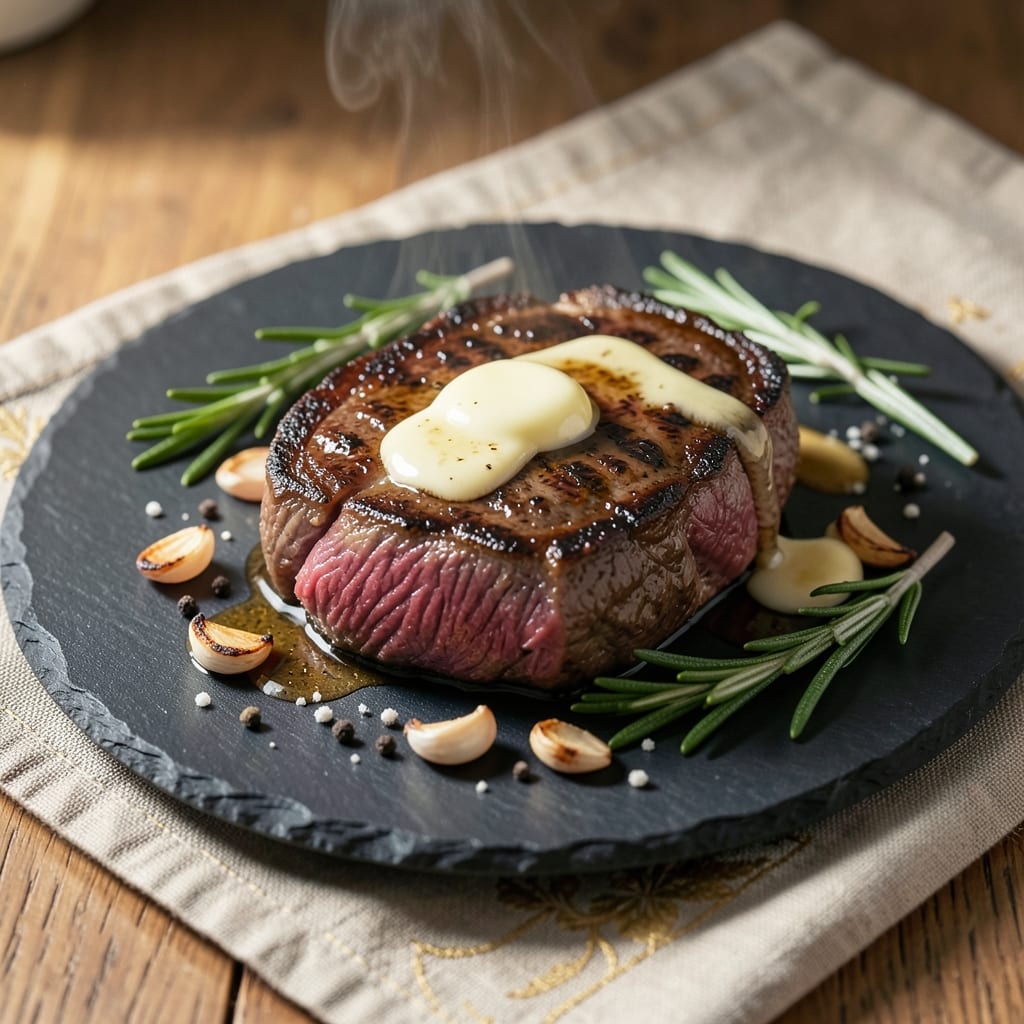
This American beef steak recipe delivers the perfect balance of crispy crust and juicy pink heart—the kind of steak that makes every bite feel like a restaurant-quality experience. 🔥 The secret lies in a reverse sear technique that ensures even cooking while preserving that tender center, followed by a final basting with butter that locks in flavor and creates a golden crust you can't resist.
What sets this recipe apart is the simplicity of the process combined with professional results. You'll start with a dry brine that enhances tenderness and flavor, then sear the steak in a hot cast-iron skillet or on the grill for that classic caramelized crust. The final basting with butter adds richness and depth, transforming a simple steak into something truly special.
The result is a steak with a crispy exterior that gives way to a tender, juicy interior, every bite bursting with flavor. This method works beautifully with ribeye, sirloin, or New York strip, making it versatile enough for any occasion. Whether you're grilling outdoors or cooking indoors, this recipe delivers consistent, restaurant-quality results every time.
Pair it with classic American sides like roasted garlic potatoes or a fresh garden salad to complete the meal. The beauty of this recipe is in its adaptability—whether you're feeding a crowd or treating yourself to a special dinner, this steak will be the star of the show.
Ingredients for american beef steak
The perfect steak starts with these quality ingredients for a restaurant-style crust and juicy center.
| Ingredient | Amount | Notes |
|---|---|---|
| Ribeye Steak 🥩 | 1 ½ lb | 2-inch thick cuts preferred |
| Kosher Salt 🧂 | 1 tbsp | Diamond Crystal preferred |
| Black Peppercorns 🌶️ | 1 tbsp | Freshly ground for best flavor |
| Unsalted Butter 🧈 | ½ cup | Cold, cut into 8 pieces |
| Garlic Cloves 🧄 | 4 cloves | Minced for basting |
| Fresh Rosemary 🌿 | ¼ cup | Chopped, stems removed |
| Extra-Virgin Olive Oil 🫒 | 2 tbsp | For searing |
| Fresh Thyme 🌿 | ¼ cup | Chopped, stems removed |
| Cast-Iron Skillet 🍳 | 1 whole | 12-inch preferred |
| Meat Thermometer 🌡️ | 1 whole | For precise doneness |
| Heavy Cream 🥛 | ¼ cup | Optional, for basting |
| Balsamic Vinegar 🍷 | 1 tbsp | For finishing drizzle |
| Fresh Parsley 🌿 | ⅛ cup | Chopped, for garnish |
The steak cut matters most here. Ribeye delivers that perfect marbling for flavor, but sirloin or New York strip work just as well—just go for 2-inch thick cuts. Costco or local butcher shops often have the best selection of thick-cut steaks. If you're buying pre-cut, check the packaging for thickness—anything less than 1.5 inches won't develop that perfect crust. For the salt, Diamond Crystal kosher salt
No fresh rosemary? Dried works at one-third the amount, but the flavor won't be as bright. Running out of olive oil? Avocado oil or vegetable oil works for searing—just don't use butter straight from the fridge. The heavy cream in the basting is optional, but it adds richness that makes the crust even more decadent. For a lighter version, skip it and just use more butter. The balsamic vinegar should be aged—Trader Joe's or Whole Foods carry good options. And if you're short on time, the meat thermometer is non-negotiable for perfect doneness. I've ruined steaks both under- and overcooked without one—trust me on this. The steaks should rest at room temperature for 30-60 minutes before cooking for even results. Store any unused butter in the fridge for up to 3 months, and fresh herbs in damp paper towels in a sealed container for 5-7 days. The cooked steaks reheat beautifully—wrap in foil and warm in a 200°F oven for 10 minutes. For meal prep, slice against the grain and store in portions for 3-4 days. The crust gets soggy if you wrap it too soon after cooking, so let it rest for at least 10 minutes before slicing.
Why You'll Love This Recipe
- Four-Ingredient Magic: I swear by this—just steak, salt, pepper, and butter. That’s it. No fancy marinades or hours of prep. Honestly, the hardest part is deciding when to pull it off the heat.
- Butter-Basted Bliss: The moment you baste that ribeye with melted garlic butter? Pure satisfaction. The crust seals in juices while the butter clings to every bite—rich, savory, and ridiculously good without overpowering the meat.
- Weeknight to Weekend: This steak works for a busy Tuesday or a fancy Friday. Serve it with mashed potatoes for a quick family meal, or pair it with roasted asparagus and a glass of wine for a date night. It adapts without effort.
- Leftovers That Don’t Suck: Cold sliced ribeye the next day? Still tender, still packed with flavor. I’ll be real—it’s my go-to for lunchboxes or a lazy afternoon sandwich. No sad, dry steak here.
Step-by-step instructions for butter-basted ribeye steak
Master this technique and you'll achieve a perfect crust with a juicy pink center every time.
🔥 Step 1: Prepare the Steak for Maximum Flavor
Remove the ribeye from the refrigerator and let it sit at room temperature for 30-45 minutes. This ensures even cooking throughout. While it rests, generously coat both sides with the 1 tablespoon kosher salt and freshly ground 1 tablespoon black peppercorns. I press the salt into the meat so it penetrates slightly—this builds flavor from the inside out.
Pat the steak dry with paper towels, especially around the edges where moisture accumulates. Dry meat sears better because the salt can properly adhere and create that coveted crust. The steak should feel completely dry to the touch before you begin cooking.
🍳 Step 2: Sear to Create the Perfect Crust
Heat the 12-inch cast-iron skillet over high heat until it's screaming hot—you should see a thin layer of steam when you sprinkle water inside. Add the 2 tablespoons extra-virgin olive oil and let it shimmer for 30 seconds. Place the steak in the pan and press down gently with a spatula for 10 seconds to ensure full contact with the hot surface.
Cook undisturbed for 3-4 minutes until a deep golden-brown crust forms. You'll see the edges start to crisp—that's your signal to flip. For a 1.5 lb ribeye, you're aiming for medium-rare (130°F internal temperature). Use the meat thermometer to check periodically, but don't open the lid too often—each time you do, you lose precious heat.
👨🍳 Step 3: Build the Herb Butter Baste
While the steak sears, prepare the herb butter by combining the ½ cup cold unsalted butter with the 4 minced garlic cloves, ¼ cup chopped fresh rosemary, and ¼ cup chopped fresh thyme in a small bowl. The butter should be cold enough to hold its shape when pressed—this prevents it from melting too quickly in the pan.
When the steak is browned on one side, remove it from the pan and add the herb butter mixture. Tilt the skillet and spoon the melted butter over the steak, basting both sides generously. Return the steak to the pan and continue basting every 1-2 minutes until the internal temperature reaches 125-130°F for medium-rare. This basting creates layers of flavor and keeps the steak incredibly moist.
⏰ Step 4: Rest and Finish with Elegance
Transfer the steak to a warm plate and let it rest for 8-10 minutes. This crucial step allows the juices to redistribute throughout the meat. While it rests, heat the ¼ cup heavy cream in a small saucepan over low heat until it just begins to simmer. Stir in the 1 tablespoon balsamic vinegar and remove from heat.
Slice the steak against the grain into ½-inch thick portions and drizzle with the warm cream reduction. Garnish with the ⅛ cup chopped fresh parsley for a pop of color. The crust should be deep mahogany with a crackly texture, while the interior remains tender and pink in the center. Serve immediately with roasted vegetables or a fresh salad to complement the rich flavors.
Pro Tips For Making American Beef Steak
- USE A CAST-IRON SKILLET: High heat is non-negotiable for ribeye—cast iron retains heat better than anything else and gives you that perfect crust. I’ve tried stainless steel, but it just can’t match the sear. If you don’t have cast iron, a heavy stainless pan with a splash of oil will work, but it’ll take longer to get the job done.
- SALT THE MEAT 40 MINUTES EARLY: This isn’t just about seasoning—it’s about flavor penetration. I used to salt right before cooking, and the crust never tasted as good. Kosher salt draws out moisture, so give it time to reabsorb. Trust me, your steak will taste deeper and more balanced.
- DON’T OVERCROWD THE PAN: If you’re cooking more than one steak, resist the urge to pile them in. Overcrowding steams the meat instead of searing it, and that’s when you end up with sad, gray edges. Cook one at a time if you have to—your steak deserves that direct, blistering heat.
- BUTTER AND GARLIC AT THE END: Add the butter and garlic only in the last minute of cooking. That’s when the butter foams up and bastes the steak with all those rich, garlicky flavors. I used to add them too early, and they’d burn before the steak was done. Timing is everything here—wait until the steak is nearly done to toss in that butter.
Storing and reheating this dish
Refrigerator Storage
Let your steak cool to room temperature for 15-20 minutes after cooking before refrigerating. Wrap it tightly in butcher paper or heavy-duty aluminum foil—this preserves the crust better than plastic wrap. Store in an airtight container for up to 4 days in the fridge. The key is to keep it away from other foods that might absorb its rich flavors. 🥩
Freezer Preservation
For longer storage, freeze your steak within 2 hours of cooking. Wrap it in plastic wrap first, then place inside a freezer bag with all air removed. Label with the date—it stays safe for 3 months. When ready to eat, thaw overnight in the fridge, then reheat using the oven method below. Never microwave frozen steak directly—it creates a tough exterior.
Oven Reheating Method
Preheat your oven to 200°F and place the steak on a wire rack over a baking sheet. Cover loosely with foil and warm for 10-15 minutes—this maintains moisture without steaming. For sliced steak, arrange pieces on the rack and heat for 8-10 minutes. The goal is to gently warm without drying out that perfect crust. 🔥
Skillet Refresh
For a quick reheat, heat 1 tablespoon olive oil in a skillet over medium heat. Sear the steak for 1-2 minutes per side until warmed through. Add a pat of butter and a splash of beef broth to keep it moist. This method works best for whole steaks rather than slices. The sizzle tells you it's ready when the crust re-crispifies.
Meal Prep Tips
Slice steak against the grain and store in portioned containers with a paper towel on top to absorb any excess moisture. Reheat individual portions in the microwave for 1-2 minutes on 50% power, covered. For best texture, add a teaspoon of water to prevent drying. Prepped this way, it keeps well for 3-4 days in the fridge. 💡
Nutrition facts
Frequently asked questions
What's the best cut for this American beef steak recipe?
This recipe works beautifully with ribeye, sirloin, or New York strip—just aim for 2-inch thick cuts to develop that perfect crust. The ribeye's marbling adds extra flavor, while sirloin offers a leaner option. Always check with your butcher for the freshest cuts and ask for "thick-cut" steaks if pre-packaged options are too thin.
Can I cook this steak on the grill instead of a skillet?
Grilling works perfectly for this recipe. Preheat your grill to high heat and use direct heat for searing. The reverse sear method applies—start by cooking the steak over indirect heat until it reaches 110-115°F internally, then finish with a quick sear over direct heat. Baste with the herb butter mixture during the final minutes for that restaurant-quality crust.
Why does my steak turn out dry when I cook it?
Most likely, you skipped the resting period or overcooked the steak. Always let it rest for 8-10 minutes after cooking—this lets juices redistribute. For perfect doneness, use a meat thermometer and remove from heat at 125-130°F for medium-rare (it'll rise to 130-135°F while resting). Avoid cutting into it too soon after cooking.
What sides pair best with this steak?
Classic American sides like garlic roasted potatoes, grilled asparagus, or a fresh garden salad complement this steak perfectly. For a heartier meal, try creamy mac and cheese or cornbread. The key is balancing rich flavors with something fresh—avoid heavy sauces that might overpower the steak's natural taste.
Can I make this recipe with thinner steaks?
Thinner steaks (1-inch thick) will cook too quickly for this method. If you must use them, increase the heat and reduce cooking time, but you won't get that same perfect crust. For best results, always choose 2-inch thick cuts—this thickness allows for even cooking and that coveted crust while keeping the center juicy.