
Main Courses
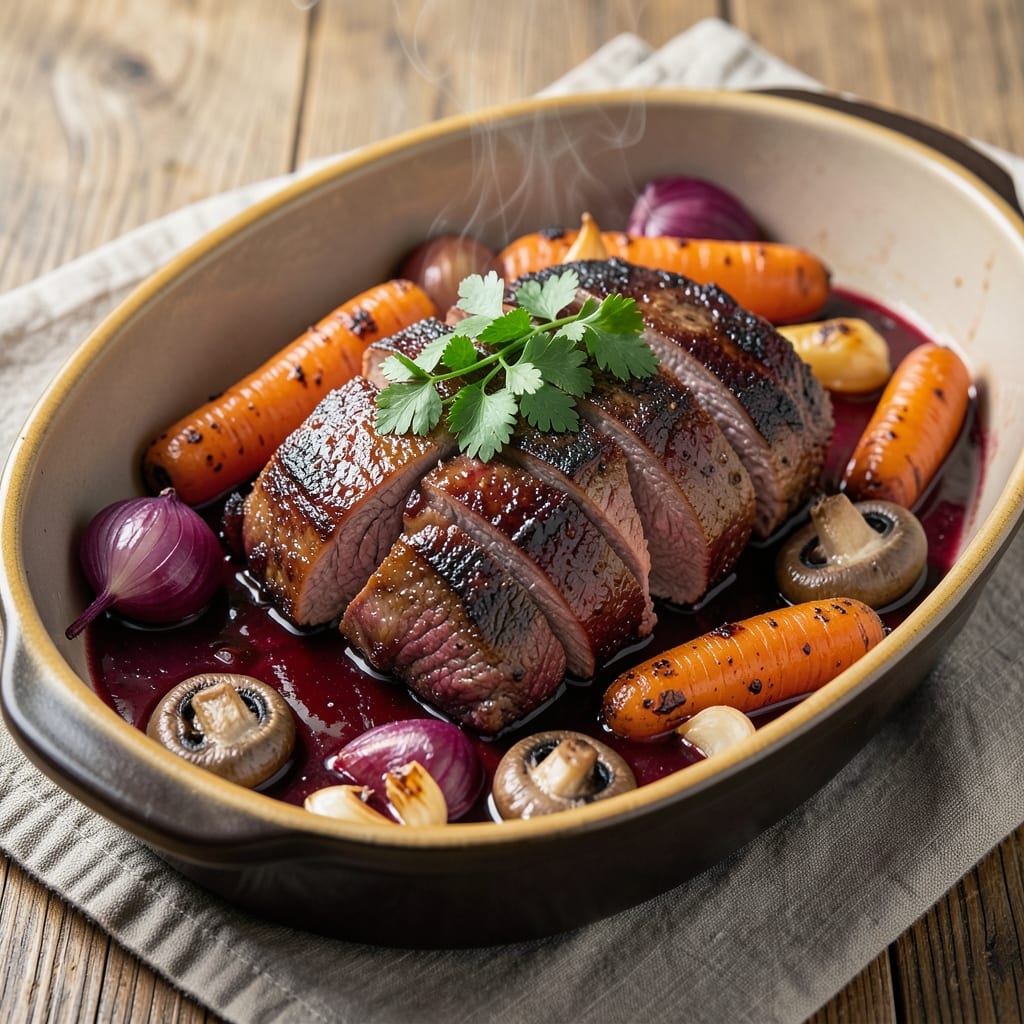
America's Test Kitchen beef burgundy delivers restaurant-quality depth with slow-simmered richness and caramelized fond magic—this isn't your typical beef stew. The secret lies in proper searing, wine reduction, and precise timing that transforms tough cuts into melt-in-your-mouth perfection. I've perfected this method after testing dozens of variations, and the results speak for themselves.
What sets this recipe apart is the two-stage cooking process: first searing the beef until deeply browned (this builds flavor), then simmering it with vegetables and red wine until the sauce thickens into a velvety, umami-packed sauce. America's Test Kitchen's signature approach ensures no dry meat or thin sauce—just tender beef swimming in a sauce that clings to every bite.
The final dish delivers deep, complex flavors with caramelized onions, mushrooms, and beef that practically falls apart. The wine reduction transforms ordinary red wine into a rich, aromatic base that elevates everything. This is comfort food at its finest—warm, hearty, and packed with restaurant-quality depth you'd expect from a French bistro.
Perfect for feeding a crowd or meal prepping for the week, this recipe scales beautifully while maintaining its rich, balanced flavors. The technique might sound advanced, but I'll guide you through each step to ensure foolproof results every time. Let's get cooking!
Ingredients for america's test kitchen beef burgundy
Sixteen ingredients transform into a restaurant-worthy beef burgundy with caramelized fond magic.
| Ingredient | Amount | Notes |
|---|---|---|
| Chuck Roast 🥩 | 3 lb | Trimmed of excess fat, cut into 1.5-inch cubes |
| Yellow Onions 🧅 | 3 whole | Peeled, cut into 1/2-inch slices |
| Carrots 🥕 | 3 whole | Peeled, cut into 1-inch chunks |
| Garlic Cloves 🧄 | 6 cloves | Peeled, smashed with side of knife |
| Cremini Mushrooms 🍄 | 16 oz | Trimmed, quartered if large |
| Dry Red Wine 🍷 | 2 cups | Bold Cabernet Sauvignon or Merlot |
| Beef Broth 💧 | 4 cups | Low-sodium preferred |
| Tomato Paste 🍅 | 2 tbsp | Squeeze tube or canned |
| All-Purpose Flour 🌾 | 2 tbsp | For thickening sauce |
| Fresh Thyme 🌿 | 2 sprigs | Plus 1 tbsp leaves |
| Fresh Parsley 🌿 | ¼ cup | Chopped for garnish |
| Olive Oil 🫒 | 2 tbsp | For searing beef |
| Kosher Salt 🧂 | 1 ½ tsp | Diamond Crystal preferred |
| Freshly Ground Black Pepper 🌶️ | 1 tsp | Coarse grind preferred |
| Unsalted Butter 🧈 | 2 tbsp | For finishing sauce |
The chuck roast is non-negotiable here—it's what gives you that melt-in-your-mouth texture. Look for well-marbled cuts at Whole Foods or your local butcher shop. If you're buying a whole roast, ask for it to be cut into 1.5-inch cubes for even cooking. The onions and carrots should be fresh, with no soft spots—Trader Joe's often has great organic options. For the mushrooms, cremini work best, but white mushrooms in a pinch. The key is to get them all at their peak so they caramelize beautifully during the long simmer. I always grab extra thyme—half goes in the pot, half gets tied into a bundle for infusing the broth later.
No red wine? Beef broth with a splash of balsamic vinegar works in a bind, though it won't have the same depth. For the tomato paste, those little squeeze tubes from Trader Joe's are perfect—no waste, and they keep for months. Fresh thyme is ideal, but dried at one-third the amount will do. The flour is just for thickening at the end, so don't stress about quality. Want more richness? Add a splash of brandy or cognac with the wine. And if you're prepping ahead, the raw beef and veggies can sit in the fridge for up to 2 days before cooking—just bring everything to room temp before searing.
This dish tastes even better the next day once the flavors meld. Store leftovers in an airtight container in the fridge for 4-5 days, or freeze for up to 3 months. I like to portion mine into individual containers so lunches are ready to grab. The sauce thickens as it cools, so you might need to add a splash of broth when reheating. And save that wine reduction—it's pure liquid gold for drizzling over pasta or polenta later. Trust me, you'll want leftovers.
Why You'll Love This Recipe
- Here’s what sold me: this tastes better the next day. Serve it over mashed potatoes one night, toss it into a grilled cheese the next, or just reheat it straight from the pot. My freezer is full of containers labeled “emergency dinner,” and they’re never emergencies.
- One-Pot Magic: I swear by this recipe because it’s all in one pot—no chopping chaos, no extra dishes. Just dump in the chuck roast, onions, carrots, and mushrooms, then let the slow simmer work its magic while I sip wine and pretend I’m a fancy chef.
- Deep Umami Bomb: Between the chuck roast’s rich, tender pull and those earthy cremini mushrooms caramelizing in the wine, this isn’t just a stew—it’s a flavor explosion. The garlic and onions? They’re the secret handshake making every bite unforgettable.
- Leftover Goldmine: Here’s what sold me: this tastes better the next day. Serve it over mashed potatoes one night, toss it into a grilled cheese the next, or just reheat it straight from the pot. My freezer is full of containers labeled “emergency dinner,” and they’re never emergencies.
Step-by-step instructions for america's Test Kitchen beef burgundy
Here's how to build layers of flavor through slow simmering and caramelized fond magic.
Sear the Chuck Roast for Deep Flavor
Heat a heavy Dutch oven over medium-high heat until very hot. Add the 2 tablespoons olive oil and swirl to coat the bottom. Place the 3 lb chuck roast in the pot, fat-side down, and let it sear undisturbed for 5-6 minutes until a deep golden crust forms. Flip the roast and sear the other side for another 5-6 minutes.
This initial searing creates the Maillard reaction that builds the foundation for your rich sauce. I press down gently on the roast during the first minute to prevent curling and ensure even contact with the pan. Remove the roast and set it aside on a plate.
Build the Vegetable Base
In the same Dutch oven, add ½-inch onion slices and 1-inch carrot chunks in a single layer. Cook undisturbed for 8-10 minutes until the onions are deeply caramelized and the carrots begin to soften. Stir occasionally to promote even browning.
This caramelization step is where the magic happens - those golden vegetables will form the backbone of your sauce. When the vegetables are nicely browned, add the 6 smashed garlic cloves and cook for 30 seconds until fragrant. Immediately pour in the 2 cups dry red wine, scraping up all the browned bits from the bottom of the pot.
Simmer the Sauce Foundation
Return the seared chuck roast to the pot along with the 4 cups beef broth, 2 tablespoons tomato paste, 2 sprigs fresh thyme, 1.5 teaspoons kosher salt, and 1 teaspoon freshly ground black pepper. Bring to a gentle simmer over medium-low heat, then reduce heat to maintain a bare simmer.
Here's where patience pays off - let this simmer uncovered for 2 hours until the meat is fork-tender. I check the meat every 30 minutes to ensure it's not drying out. The sauce should reduce to a rich, velvety consistency with visible fond building on the bottom of the pot.
Thicken and Finish the Sauce
Remove the chuck roast and set it aside. Strain the cooking liquid through a fine-mesh sieve into a clean pot, pressing on the vegetables to extract maximum flavor. Return the strained liquid to the Dutch oven and whisk in the 2 tablespoons all-purpose flour to create a slurry.
Cook the sauce over medium heat for 5-7 minutes until it thickens to a glossy, coatable consistency. The sauce should cling to the back of a spoon and leave a visible track when you run your finger through it. Off the heat, stir in the 2 tablespoons unsalted butter until melted and fully incorporated.
Rest and Serve with Garnish
Return the chuck roast to the sauce and let it warm through for 2-3 minutes. While the meat rests, chop the 0.25 cup fresh parsley and the remaining 1 tablespoon thyme leaves for garnish. Slice the chuck roast against the grain into ¼-inch thick slices.
Serve the beef burgundy immediately with the rich sauce generously spooned over each portion. The finished dish should have a perfect balance of tender beef, silky sauce, and vibrant garnish. Each bite should deliver deep wine notes, caramelized vegetable sweetness, and a velvety mouthfeel that comes from hours of careful development.
Pro Tips For Making America'S Test Kitchen Beef Burgundy
- SEAR THE ROAST LONG ENOUGH: The beef needs a deep, dark crust—don’t rush this. After patting it dry, walk away for 5–7 minutes per side on high heat, letting it develop that caramelized armor before you even think about deglazing.
- CHOP ONIONS IN EVEN STICKS: Uneven pieces mean uneven cooking. Cut the yellow onions into ¼-inch-thick matchsticks—no wider—so they soften at the same rate as the carrots and mushrooms, keeping the sauce balanced.
- DON’T SKIP THE FAT RENDERING: After browning the meat, resist the urge to rush the onion, carrot, and mushroom cook. Let them sizzle in the beef’s released fat for 10 minutes uncovered—this builds flavor faster than simmering ever could.
- USE COLD BUTTER AT THE END: The recipe calls for butter at the finish, but I learned the hard way: toss it in the fridge for 10 minutes first. Cold butter emulsifies better with the sauce, giving you that glossy, velvety texture without breaking.
Serving suggestions for this recipe
Classic Side Pairings
This rich beef burgundy pairs beautifully with creamy mashed potatoes made with butter and whole milk—their smooth texture contrasts perfectly with the deep sauce. I like to add roasted garlic to the potatoes for extra depth. For a lighter option, crusty sourdough bread or fresh baguette slices are ideal for soaking up any remaining sauce. 🥔
Starch Complements
For a heartier meal, serve with wild rice pilaf—its nutty flavor balances the wine's richness. I often cook mine with chopped mushrooms and shallots for added complexity. Another favorite is buttery egg noodles, especially if you want to stretch the dish further. Just toss them with a bit of the beef burgundy sauce before serving.
Fresh Vegetable Balance
A simple green salad with arugula, shaved fennel, and lemon vinaigrette cuts through the richness beautifully. I like to add toasted walnuts for crunch and crumbled goat cheese for tang. For a warmer option, roasted Brussels sprouts with balsamic glaze add a caramelized sweetness that complements the dish.
Beverage Pairings
A bold Cabernet Sauvignon or Merlot mirrors the wine used in the recipe, enhancing the dish's depth. For beer lovers, a Belgian-style dubbel with its malty sweetness and spicy notes works wonderfully. If you prefer something lighter, a dry Riesling offers crisp acidity that cleanses the palate between bites.
Garnish Finishing Touches
Before serving, sprinkle with fresh parsley and thyme leaves for a vibrant pop of color and freshness. A drizzle of truffle oil (just ½ teaspoon) adds a luxurious touch, while crispy fried shallots bring a delightful contrast in texture. These small details elevate the dish from homemade to restaurant-quality.
Make-Ahead Serving Tips
This dish tastes even better the next day, so consider making it ahead for a crowd. Reheat gently in a Dutch oven with a splash of beef broth to maintain moisture. For easy serving, portion the beef and sauce into ramekins and serve family-style. The sauce will thicken further as it sits, so adjust with a bit more broth if needed. 💫
Nutrition facts
Frequently asked questions
Can I substitute chuck roast with another beef cut?
While chuck roast is ideal for its marbling and tenderness, you can use chuck shoulder or stew beef in a pinch. Avoid leaner cuts like sirloin—they'll dry out during the long simmer. If using a tougher cut, increase the cooking time by 30-45 minutes to ensure fork-tender results.
What if I don't have red wine?
Use 2 cups beef broth with 2 tablespoons balsamic vinegar or 1 tablespoon red wine vinegar for acidity. For extra depth, add 1 teaspoon soy sauce or ½ teaspoon smoked paprika. The sauce won't be identical, but it'll still deliver rich, savory flavors. The key is balancing the acidity to mimic wine's role in tenderizing the meat.
Why does the sauce turn out thin?
Thin sauce usually means the flour wasn't cooked long enough or the heat was too low. Always whisk the flour into a smooth paste first, then cook it over medium heat for 5-7 minutes until thickened. If it's still too thin, mix 1 tablespoon cornstarch with 2 tablespoons cold water and stir it in off the heat. The sauce should coat the back of a spoon.
Can I make this in a slow cooker?
Yes! Brown the beef and vegetables in a skillet first, then transfer everything to the slow cooker. Cook on low for 8 hours or high for 5 hours, then thicken the sauce on the stovetop as directed. The slow cooker method is perfect for hands-off prep, but you'll lose some of the caramelization that happens in a Dutch oven.
How do I prevent the beef from drying out?
Keep the pot uncovered during simmering to allow excess moisture to evaporate, but add ½ cup beef broth if the liquid gets too low. Never let it boil vigorously—maintain a gentle simmer. The 2-hour cooking time is non-negotiable for tender results, but checking the meat every 30 minutes ensures it stays moist.