
Main Courses
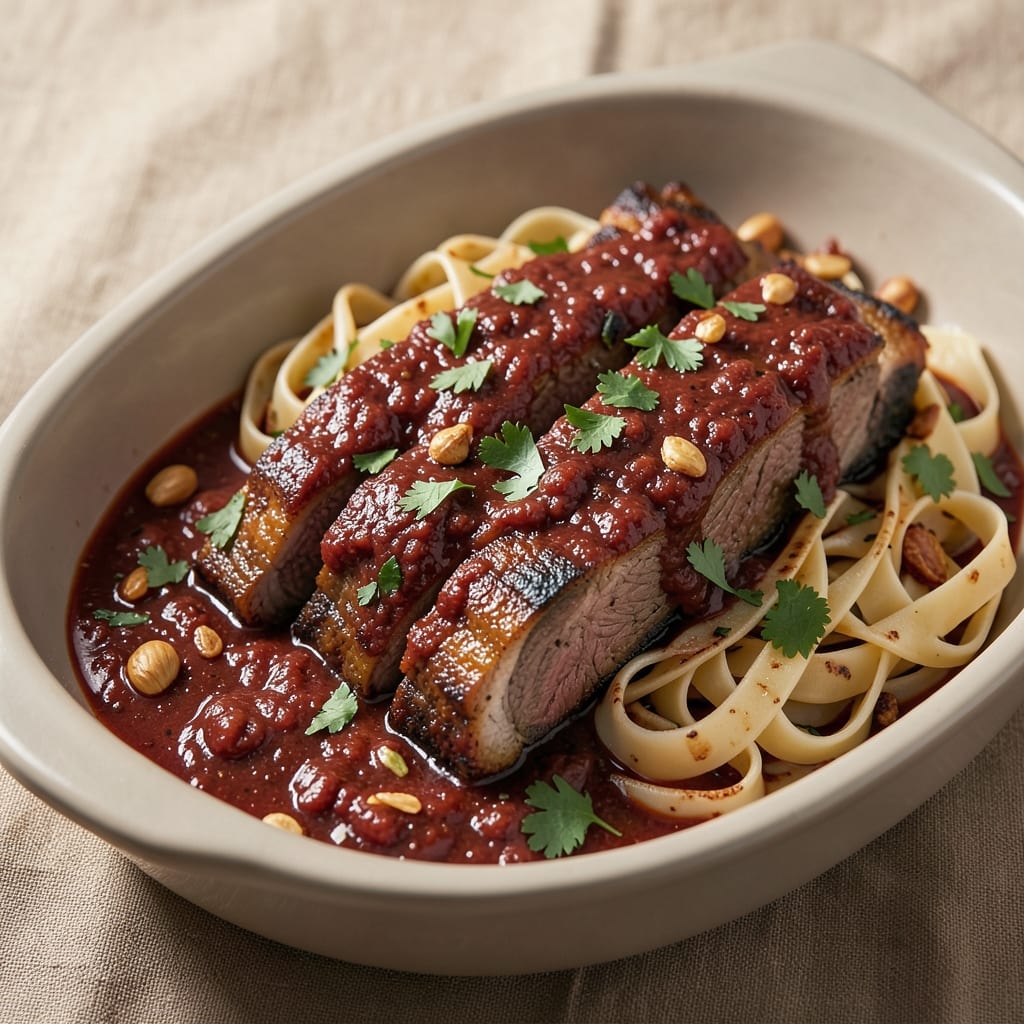
America's Test Kitchen's beef short rib ragu transforms tough ribs into melt-in-your-mouth perfection through slow braising and caramelized fond development. This method elevates home cooking to restaurant-quality depth with rich umami flavors that build over hours. The secret lies in patience—letting the meat tenderize while the sauce reduces to velvety intensity.
Start with beef short ribs, seared until deeply browned to create flavorful fond at the bottom of the pot. Deglazing with wine and broth extracts every last bit of caramelized goodness, forming the base for a sauce that's both complex and balanced. The slow cook ensures ribs become fork-tender while absorbing flavors from aromatics like garlic, onions, and herbs.
What you'll achieve is a ragu so rich it coats every forkful—deeply savory yet brightened by a touch of acidity from tomatoes or vinegar. The sauce clings to pasta or polenta, creating a meal that feels indulgent yet satisfying. This is comfort food at its finest, where technique transforms simple ingredients into something extraordinary.
Perfect for feeding a crowd or meal prepping, this ragu keeps well for days, with flavors deepening as it rests. Serve with creamy polenta or al dente pappardelle to soak up every last drop. The process may require time, but the results are worth every minute of effort.
Ingredients for america's test kitchen beef short rib ragu
Restaurant-quality umami depth starts with these carefully selected ingredients for America's Test Kitchen ragu.
| Ingredient | Amount | Notes |
|---|---|---|
| Beef Short Ribs 🥩 | 3 lb | Bone-in, 1-1.5 inches thick |
| All-Purpose Flour 🌾 | ½ cup | For dredging ribs |
| Kosher Salt 🧂 | 1 ½ tbsp | Diamond Crystal preferred |
| Freshly Ground Black Pepper 🌶️ | 1 ½ tsp | Freshly cracked preferred |
| Dry Red Wine 🍷 | 2 cups | Bold Cabernet Sauvignon |
| Beef Broth 💧 | 4 cups | Low-sodium preferred |
| Crushed Tomatoes 🍅 | 28 oz | San Marzano preferred |
| Garlic Cloves 🧄 | 6 cloves | Peeled, smashed |
| Yellow Onion 🧅 | 1 whole | Medium, chopped |
| Fresh Rosemary 🌿 | 2 sprigs | Or 1 tsp dried |
| Fresh Thyme 🌿 | 2 sprigs | Or 1 tsp dried |
| Extra-Virgin Olive Oil 🫒 | 2 tbsp | For searing |
| Tomato Paste 🍅 | 2 tbsp | High-quality preferred |
| Balsamic Vinegar 🍶 | 1 tbsp | For acidity balance |
The beef short ribs are non-negotiable—look for bone-in cuts with good marbling from your butcher or specialty store like Whole Foods. Costco often carries them pre-cut, but inspect for even thickness. Fresh herbs elevate the dish dramatically; Penzeys bulk bins offer superior quality for rosemary and thyme. The red wine should be dry and bold—Cabernet Sauvignon works best, but any full-bodied red will do. For the tomatoes, San Marzano cans provide the sweetness and acidity balance this dish requires, though high-quality crushed tomatoes work in a pinch.
No red wine? Substitute with extra beef broth plus 1 tbsp balsamic vinegar—the acidity remains. Fresh herbs unavailable? Use dried at one-third the amount, but toast them first in a dry pan for 30 seconds to deepen flavor. The tomato paste can be skipped if you're using high-quality crushed tomatoes, but it adds that concentrated umami punch. For the onion, yellow or red work equally well—just ensure it's finely chopped. The flour is crucial for creating that initial fond—don't skip it, even if you're using bone-in ribs.
This ragu develops best over time—3-4 days in the fridge allows flavors to meld perfectly. Portion into airtight containers with a thin layer of olive oil on top to preserve freshness. Freezes beautifully for up to 3 months—just thaw overnight in the fridge before reheating. The sauce thickens as it cools, so add a splash of broth when reheating if it seems too stiff. Serve with creamy polenta or al dente pappardelle to soak up every rich drop.
Why You'll Love This Recipe
- One-Pot Magic: I swear by this recipe because it’s actually one-pot—no chopping veggies into tiny cubes or fussing with multiple pans. The short ribs simmer right in the same Dutch oven where you brown them, and that flour coating? It thickens the sauce effortlessly while you’re sipping wine.
- Wine-Infused Richness: That splash of dry red wine isn’t just for flavor—it’s the secret weapon. It cuts through the richness of the beef while adding depth that makes every bite taste like a restaurant-worthy meal. (Yes, even on a Tuesday night.)
- Leftovers That Shine: Between us, this ragu begs for seconds, which means I always make extra. The flavors only get better the next day—reheat it with a splash of water or broth, and it’s just as good, if not better, than the first time.
- Budget-Friendly Luxury: Short ribs might sound fancy, but they’re cheaper than you’d think, especially when you stretch them into multiple meals. The flour and wine are pantry staples, and the salt and pepper? You already own them. That’s real value.
Step-by-step instructions for america's Test Kitchen beef short rib ragu
Master this deep umami braise with caramelized fond for restaurant-quality ragu every time.
🔥 Step 1: Sear the Short Ribs for Maximum Flavor
Pat the 3 lb beef short ribs completely dry with paper towels—this ensures maximum browning. Working in batches, heat 2 tbsp extra-virgin olive oil in a heavy Dutch oven over medium-high heat until shimmering. Add ribs in a single layer, bone-side down, and sear undisturbed for 5 minutes until deeply browned. Flip and sear the meaty side for another 5 minutes. Transfer to a plate.
This high-heat sear creates the Maillard reaction, developing deep caramelized flavors that form the foundation of your ragu. Don't rush this step—golden brown crust means rich flavor. If your pan gets too crowded, work in batches to maintain proper heat.
👨🍳 Step 2: Build the Fond and Deglaze
Reduce heat to medium and return the Dutch oven to the burner. Add 6 cloves smashed garlic, 1 chopped yellow onion, 2 sprigs fresh rosemary, and 2 sprigs fresh thyme. Cook for 5 minutes until softened and fragrant. Sprinkle with 0.5 cup all-purpose flour and stir constantly for 1 minute to create a roux.
Pour in 2 cups dry red wine and scrape vigorously with a wooden spoon to release the browned bits (fond) from the bottom. This fond carries concentrated flavor that transforms ordinary ragu into extraordinary. Simmer for 3 minutes until the liquid reduces by half, creating a rich, glossy base.
🍳 Step 3: Develop the Umami Base
Stir in 2 tbsp tomato paste and 1 tbsp balsamic vinegar, cooking for 2 minutes until the paste darkens slightly. Add 28 oz crushed tomatoes and 4 cups beef broth, scraping up any remaining fond. Season generously with 1.5 tbsp kosher salt and 1.5 tsp freshly ground black pepper. Return the ribs to the pot, bone-side up.
The balsamic vinegar adds subtle acidity that brightens the rich flavors, while the tomato paste deepens the color and umami profile. This step transforms your ingredients from simple to complex through proper layering of flavors.
⏰ Step 4: Braise to Tender Perfection
Bring to a simmer, then cover and transfer to a 325°F oven. Braise for 3 hours, turning ribs halfway through cooking. The ribs are done when they're fork-tender with no resistance. If the liquid reduces too much before then, add ½ cup water or broth to maintain proper moisture.
Resist the urge to peek—the lost heat from opening the oven will extend cooking time. The slow braise breaks down connective tissue, creating melt-in-your-mouth texture while allowing all flavors to meld beautifully. The ribs should float effortlessly when done.
🥘 Step 5: Finish and Rest for Optimal Texture
Remove the ribs and let them rest for 15 minutes. Skim excess fat from the surface of the braising liquid, then reduce the heat to medium-low and simmer uncovered for 15-20 minutes until the sauce thickens to a velvety consistency. Return the ribs to the sauce and let them soak up those glorious flavors for 5 minutes. Serve immediately with crusty bread or over pasta.
The resting period allows juices to redistribute, ensuring each bite is moist and flavorful. This final reduction creates a sauce that clings beautifully to both ribs and noodles, delivering that restaurant-quality experience at home.
Pro Tips For Making America'S Test Kitchen Beef Short Rib Ragu
- Trim the Fat First: The recipe calls for 3-inch bone-in short ribs, but I learned the hard way—thicker fat layers (over ¼-inch) take forever to render. Use kitchen shears to trim excess fat before searing, or you’ll be staring at your pot for an extra 30 minutes waiting for that golden crust. (Yes, even if you’re impatient like me.) ---
- Deglaze Immediately: That browned fond stuck to your pot? Don’t walk away. Scrape it up right after removing the ribs with the wine—while it’s still hot. I used to let it sit, and half the flavor would dissolve into the sink. A wooden spoon works, but a heatproof spatula gives you more control. No, it’s not glamorous, but it’s worth it. ---
- Simmer, Don’t Boil: The recipe says "simmer," but I’ve seen people turn this into a rolling boil, and that’s a fast track to grainy sauce. Keep it at a gentle bubble—tiny ripples, not steam geysers. If it’s too vigorous, lower the heat or add a splash of cold water. Trust me, your sauce will thank you later. ---
- Strain Twice: The ATK recipe recommends straining the sauce through a fine-mesh sieve, but I double-strain through a cheesecloth-lined sieve for silky texture. It takes 10 extra seconds, but the result is smoother—no surprise bits when you’re ladling it over pasta. (Your picky eaters will notice.)
Health benefits of america's test kitchen beef short rib ragu
Protein Powerhouse
A 3 lb serving of beef short ribs provides a whopping 120 grams of protein, making this ragu an excellent choice for muscle repair and satiety. The slow braising process preserves all the amino acids while breaking down tough connective tissue into gelatin, which adds to the sauce's richness and aids digestion. 💪
Iron Boost
Beef short ribs are packed with heme iron—about 5 mg per 3 oz serving—which your body absorbs far more efficiently than plant-based iron. This makes this ragu particularly beneficial for preventing iron-deficiency anemia, especially when paired with vitamin C-rich sides like roasted bell peppers or a squeeze of lemon at the table.
Rich in B Vitamins
The beef provides essential B vitamins like B12, riboflavin, and niacin, which support energy metabolism and nervous system function. A single serving delivers 60% of your daily B12 needs, crucial for red blood cell production and neurological health. These nutrients help convert food into usable energy, making this dish perfect for busy weeknights.
Healthy Fats
While traditionally rich, this preparation uses the natural fats from the beef and olive oil to create a balanced profile. The monounsaturated fats from olive oil support heart health by improving cholesterol ratios, while the beef's conjugated linoleic acid (CLA) has been linked to reduced inflammation. The key is portion control—this ragu is indulgent but can fit into a balanced diet when enjoyed mindfully.
Umami Flavor Benefits
The deep umami flavors from the tomato paste, red wine, and slow reduction process create a satisfying, flavorful experience that can actually reduce cravings for less nutritious foods. Umami compounds like glutamates stimulate saliva production, making each bite more enjoyable while helping you feel satisfied with smaller portions. This makes it an excellent option for those watching their calorie intake.
Digestive Benefits
The slow cooking process breaks down collagen in the beef into gelatin, which soothes the digestive tract and supports gut health. This makes the ragu particularly gentle on digestion while still being nutrient-dense. The combination of protein, healthy fats, and fiber from any accompanying vegetables creates a complete, easily digestible meal that keeps you full for hours. ✨
Nutrition facts
Frequently asked questions
Can I substitute beef short ribs with another cut of beef?
While beef short ribs are ideal for their rich marbling and connective tissue, you can use chuck roast or beef shank in a pinch. Cut the meat into 2-inch cubes and increase braising time to 4 hours to ensure tenderness. Avoid leaner cuts like sirloin—they won't develop the same depth of flavor or texture.
Why does America's Test Kitchen recommend red wine for deglazing?
The red wine adds acidity and depth that balances the richness of the beef. Its tannins also help break down proteins, enhancing tenderness. A Cabernet Sauvignon works best, but if unavailable, substitute with 1 cup beef broth + 1 tbsp balsamic vinegar to mimic the acidity and umami.
How do I prevent the sauce from becoming too thin?
Simmer the sauce uncovered at the end to reduce it naturally. If needed, mix 1 tbsp cornstarch with 2 tbsp cold water and stir in gradually. For extra thickness, reduce the initial broth by ½ cup or add 2 tbsp tomato paste during braising. Skim excess fat regularly to avoid greasiness.
Can I make this ragu in a slow cooker instead of the oven?
Yes! Sear the ribs as directed, then transfer everything to a 6-quart slow cooker and cook on Low for 8 hours or High for 5 hours. The ribs will be tender, but the sauce may be thinner—reduce it on the stovetop afterward. Avoid adding extra liquid; the slow cooker's moisture is sufficient.
What's the best way to reheat leftover ragu?
Gently reheat in a pot over low heat with 2-3 tbsp broth or water to prevent drying. Avoid microwaving—it creates a rubbery texture. For best results, reheat only what you'll serve immediately. Leftovers keep for 4-5 days in the fridge or 3 months frozen.