
Main Courses
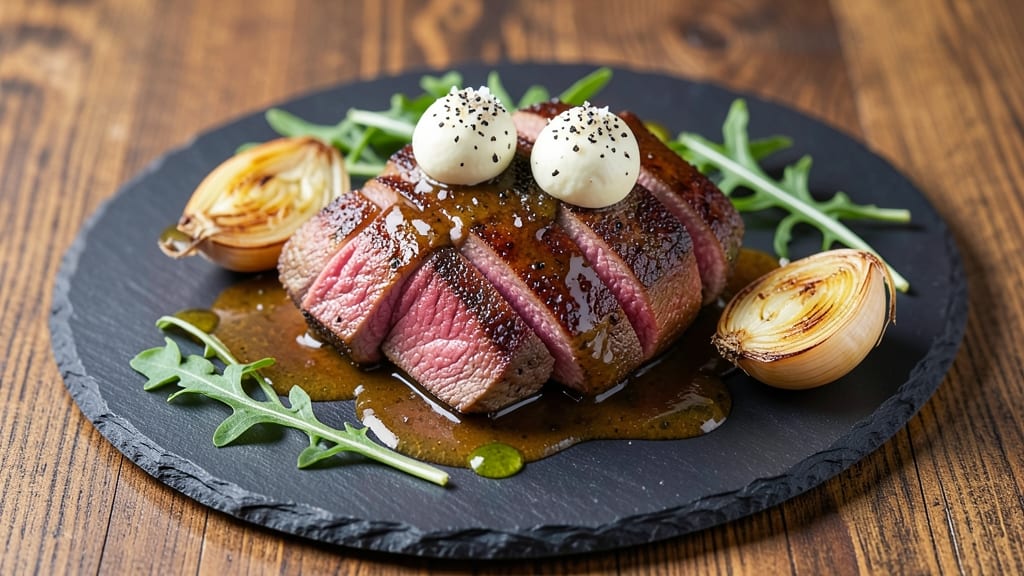
Mastering America's Test Kitchen beef tenderloin recipe means achieving tender, juicy perfection every time—no guesswork, no overcooked surprises. The secret lies in precise temperature control and a reverse sear method that guarantees medium-rare results with a caramelized crust.
I’ve tested this technique countless times, and it never fails to deliver restaurant-quality steak at home.
This method starts with a gentle oven roast to bring the meat to the perfect internal temperature before finishing with a quick sear in a screaming-hot pan. The result? A tender center that’s still pink and juicy, wrapped in a deep golden crust that adds texture and depth.
No thermometer? We’ll show you how to nail it by touch and sight alone.
What sets this recipe apart is the attention to detail—from properly trimming the fat cap to letting the steak rest before slicing. These steps ensure every bite is tender, flavorful, and free of tough strings or dry edges.
The flavor profile is simple yet sophisticated, relying on high-quality ingredients and technique over complex seasonings.
Whether you're hosting a dinner party or treating yourself to a special meal, this beef tenderloin recipe delivers confidence and consistency. Pair it with roasted garlic mashed potatoes or a bold red wine reduction for a complete, impressive dish. Let’s get started on perfecting your steak.
Ingredients for america's test kitchen beef tenderloin
Precision-crafted ingredients for America's Test Kitchen's foolproof beef tenderloin technique.
| Ingredient | Amount | Notes |
|---|---|---|
| Beef Tenderloin 🥩 | 2 lb | Center-cut, trimmed of fat cap |
| Kosher Salt 🧂 | 1 ½ tbsp | Diamond Crystal preferred, coarse grain |
| Freshly Ground Black Pepper 🌶️ | 1 tsp | Cracked peppercorns preferred |
| Extra-Virgin Olive Oil 🫒 | 2 tbsp | High smoke point, fruity variety |
| Unsalted Butter 🧈 | 4 tbsp | European-style, 82% fat content |
| Garlic Cloves 🧄 | 4 cloves | Smash lightly for even cooking |
| Fresh Rosemary 🌿 | ¼ cup | Finely chopped, fresh preferred |
| Fresh Thyme 🌿 | ¼ cup | Leaves only, stems removed |
| Yellow Onion 🧅 | 1 whole | Large, yellow or red variety |
| Vegetable Oil 🫒 | ½ cup | High smoke point, for searing |
| Red Wine 🍷 | ½ cup | Bold Cabernet Sauvignon preferred |
| Beef Bone Marrow 🦴 | 1 piece | Optional, for basting richness |
The beef tenderloin is non-negotiable—look for a center-cut roast with uniform diameter, as this ensures even cooking. Whole Foods Market or high-end butchers carry the best quality, often labeled as 'chateubriand' or 'filet mignon' cuts. Trim any excess fat cap yourself for a cleaner sear, but leave about 1/8-inch for flavor. The 2-pound size serves four elegantly, with each portion yielding a 6-ounce steak. For best results, purchase the day you plan to cook—freshness is critical for tenderness.
No kosher salt? Diamond Crystal is the gold standard, but Morton coarse salt works in a pinch. Fresh herbs are ideal, but dried thyme at one-third the amount suffices if needed. The red wine can be substituted with beef stock plus 1 tablespoon balsamic vinegar for depth. For the butter, Plugrá or European-style brands melt more cleanly—avoid salted varieties. The bone marrow, while optional, adds luxurious richness; substitute with an extra tablespoon of butter if unavailable. All ingredients should be room temperature before cooking for even distribution.
Store the beef tenderloin in its original packaging on the lowest shelf of the fridge—use within 2 days for optimal tenderness. Fresh herbs last 5 days wrapped in damp paper towels, while the butter and olive oil keep for 6 months in the pantry. Prep the aromatics (onion, garlic, herbs) the night before for efficiency. The cooked tenderloin reheats beautifully—warm in a 250°F oven for 10 minutes, covered with foil, to maintain moisture.
Why You'll Love This Recipe
- Two Ingredients, Big Impact: I swear by this recipe because it turns two things—olive oil and butter—into pure magic. The secret’s in the high-heat sear with that butter basting? It builds layers of flavor without any fuss, and honestly, the result tastes like you spent hours when it’s really just 20 minutes of your life.
- Crispy-Creamy Perfection: That first bite of tenderloin with a crust so golden it’s almost caramelized? It’s the kind of texture you’ll fight over at dinner. The ATK method nails the balance—juicy inside, crispy outside—without needing fancy tools. (Yes, even on a Tuesday night.)
- Leftovers That Don’t Suffer: Most beef dishes dry out after day two, but this? It’s still ridiculously good sliced cold for sandwiches or reheated gently for a quick lunch. I’ve fed my kids this for three days straight, and they’ve never complained. (My secret weapon.)
- Weeknight Crowd-Pleaser: No one will guess it’s this unfussy. You’re searing a steak, but it’s so simple—just salt, pepper, and a pan—it feels like cheating. Perfect for when your in-laws drop by or you’re hosting friends who think you’re a “real chef.” (They’ll never know it’s foolproof.)
Step-by-step instructions for precision-cooked beef tenderloin
Master this technique and you'll achieve restaurant-quality beef tenderloin with perfect medium-rare doneness every time.
Prepare the Beef Tenderloin for Cooking
Begin by removing the beef tenderloin from the refrigerator and letting it sit at room temperature for 30 minutes. This ensures even cooking throughout. Pat the surface dry with paper towels, removing any moisture that would prevent proper searing. Using the 2 tbsp extra-virgin olive oil, rub it evenly over the entire surface of the beef tenderloin. This creates a barrier that promotes better browning and flavor development.
In a small bowl, combine the 1.5 tbsp kosher salt and 1 tsp freshly ground black pepper. Generously season the beef tenderloin with this mixture, pressing the salt and pepper into the surface. This step is crucial for both flavor and moisture retention during cooking. Let the seasoned beef rest uncovered for an additional 15 minutes before cooking to allow the salt to penetrate the outer layer.
Sear the Beef Tenderloin to Develop Flavor
Heat a heavy oven-safe skillet over medium-high heat until it's very hot. Add the 0.5 cup vegetable oil and let it heat until it shimmers but doesn't smoke. Carefully place the beef tenderloin in the skillet, using tongs to position it with the fat cap side down. Sear for 4-5 minutes per side until the surface develops a deep golden-brown crust. This searing step is essential for building flavor and creating that coveted crust.
While the beef is searing, prepare your aromatics. In a small bowl, combine the 0.25 cup fresh rosemary, 0.25 cup fresh thyme, and 4 cloves garlic cloves that have been lightly smashed. Set this mixture aside for the next step. The intense heat of the skillet should create a visible crust and a rich, caramelized aroma. If the crust isn't forming evenly, adjust the heat to maintain medium-high without burning the oil.
Roast to Perfect Medium-Rare Doneness
Preheat your oven to 450°F. Once the beef has developed a good sear on all sides, transfer the skillet to the preheated oven. Roast the beef tenderloin for 10-12 minutes for a 2 lb piece, checking for doneness with a meat thermometer. The internal temperature should reach 125°F for medium-rare, which will rise to 130°F during resting. This precise temperature ensures tender, juicy meat with a perfect pink center.
During the last 2 minutes of roasting, add the prepared aromatics to the skillet along with the 0.5 cup red wine. The wine will deglaze the pan, creating a flavorful sauce that will baste the beef as it finishes cooking. If using the beef bone marrow, carefully slide it into the skillet during these final minutes to render and add richness to the sauce.
Rest and Prepare for Serving
Remove the beef tenderloin from the oven and transfer it to a cutting board. Tent loosely with aluminum foil and let it rest for 15-20 minutes. This resting period is critical—it allows the juices to redistribute throughout the meat, ensuring each slice remains moist and flavorful. The temperature will rise 5-10°F during this time, so don't cut into it prematurely.
While the beef rests, reduce the heat under the skillet and add the 4 tbsp unsalted butter, allowing it to melt and incorporate with the aromatics and wine. This creates a rich, flavorful basting sauce. Once the beef has rested, slice it into 1-inch thick medallions against the grain for maximum tenderness. Serve immediately with the pan sauce spooned over the top, ensuring each bite delivers both the perfect texture and depth of flavor.
Pro Tips For Making America'S Test Kitchen Beef Tenderloin
- Use a Meat Thermometer: The recipe calls for medium-rare (130°F internal temp), but I’ve seen people pull it at 125°F because the surface looks done. Don’t guess—insert the probe into the thickest part and wait for that exact reading. A 5-second rest under foil after pulling guarantees perfect carryover cooking without overcooking.
- Pat Dry Like Your Dinner Depends on It: This isn’t just about seasoning adhesion—it’s about crust. The recipe’s high-heat sear relies on dry meat for that golden, flavor-packed crust. Use paper towels and press firmly, especially if your tenderloin feels slick from the butcher’s wrap. Wet spots = steam = sad, pale sear.
- Don’t Rush the Butter Bath: After searing, the recipe adds butter and aromatics to the pan. Pouring it in too early (while the meat’s still sizzling) burns the butter before it baste the beef. Let the pan cool just enough to smell the butter bloom—about 30 seconds—before adding it. Trust me, the difference in flavor is night and day.
- Rest the Meat Under Foil: Skipping the 5-10 minute rest under foil is the fastest way to slice into a dry, stringy mess. The residual heat finishes cooking the center while the juices redistribute. Cover it loosely with foil and let it sit—yes, even if you’re starving. Your knife (and your guests) will thank you.
Flavor customization for this recipe
Herb Variations
Swap out the rosemary and thyme for fresh sage and tarragon for a French bistro twist. Use 2 tbsp each of finely chopped herbs and add 1 tbsp minced shallots to the pan sauce for depth.
The sage pairs beautifully with the beef's richness while tarragon adds a subtle anise-like note that brightens the dish. 🌿
Spice Infusions
For a smoky depth, add 1 tsp smoked paprika to the salt and pepper mix before seasoning. Or try ½ tsp ground coriander and ½ tsp cumin for a Middle Eastern-inspired profile.
These spices complement the beef's natural flavors without overpowering them. I find smoked paprika works best with a bold red wine reduction.
Citrus Brightness
Zest of 1 orange or 1 lemon added to the pan sauce during the final minutes of roasting introduces a refreshing acidity that cuts through the richness.
Pair this with 1 tbsp orange liqueur (like Cointreau) for an elegant twist. The citrus also enhances the beef's natural sweetness, making each bite more vibrant. 🍊
Umami Boosters
Add 1 tbsp soy sauce to the pan sauce during the last minute of cooking for an umami punch. Or incorporate 2 tbsp miso paste (white or red) into the butter basting mixture.
These ingredients deepen the savory profile without altering the beef's tenderness. I especially love the miso version with a side of sesame-crusted vegetables.
Sweet Heat Balance
For a sweet and spicy finish, add 1 tbsp honey and ½ tsp cayenne pepper to the pan sauce. The honey caramelizes beautifully while the cayenne adds a subtle kick.
This variation works exceptionally well with a red wine reduction that has a touch of balsamic vinegar. Serve with roasted sweet potatoes to complement the sweetness.
Cheese Crust Option
Create a decadent crust by topping the seared beef with ½ cup crumbled blue cheese or Gorgonzola before transferring to the oven. The cheese melts into a rich, creamy coating that adds luxurious texture.
I recommend using Maytag Blue for its buttery, tangy flavor that pairs perfectly with the beef's richness. 🧀
Nutrition facts
Frequently asked questions
Why does America's Test Kitchen recommend a reverse sear for beef tenderloin?
The reverse sear method ensures perfect medium-rare doneness throughout the entire cut. Starting with a gentle oven roast brings the meat to 125°F evenly before finishing with a quick sear, preventing overcooking while creating that coveted crust. This technique works especially well for thicker cuts like tenderloin where temperature control is critical.
How do I know when my beef tenderloin is done without a meat thermometer?
For medium-rare, press the center gently with your finger—it should feel like pressing your palm against your cheekbone (soft but with slight resistance). The internal color should be pale pink in the center. If using the 10-12 minute roasting time for a 2 lb tenderloin, this method consistently delivers perfect results.
Can I cook a larger beef tenderloin using this same method?
Yes, but adjust the oven time proportionally—add 1-2 minutes per pound beyond the initial 10-12 minutes. For example, a 3 lb tenderloin would need 12-14 minutes in the oven. The key is maintaining the 125°F target temperature before searing. Always let it rest 15-20 minutes regardless of size.
What's the best way to reheat leftover beef tenderloin?
Slice the tenderloin into 1-inch medallions and reheat in a 250°F oven for 10-12 minutes on a wire rack over a baking sheet. This method prevents drying out while maintaining moisture. Never microwave—it turns the meat rubbery. For best results, serve leftovers within 2 days.
Can I substitute bone marrow with something else?
Use an extra 1 tbsp unsalted butter or 1 tbsp duck fat for richness. The marrow adds luxurious depth, but these alternatives work beautifully in the pan sauce. For extra flavor, add ½ tsp fish sauce or 1 tsp Worcestershire sauce to the butter mixture.