
Soups & Stews
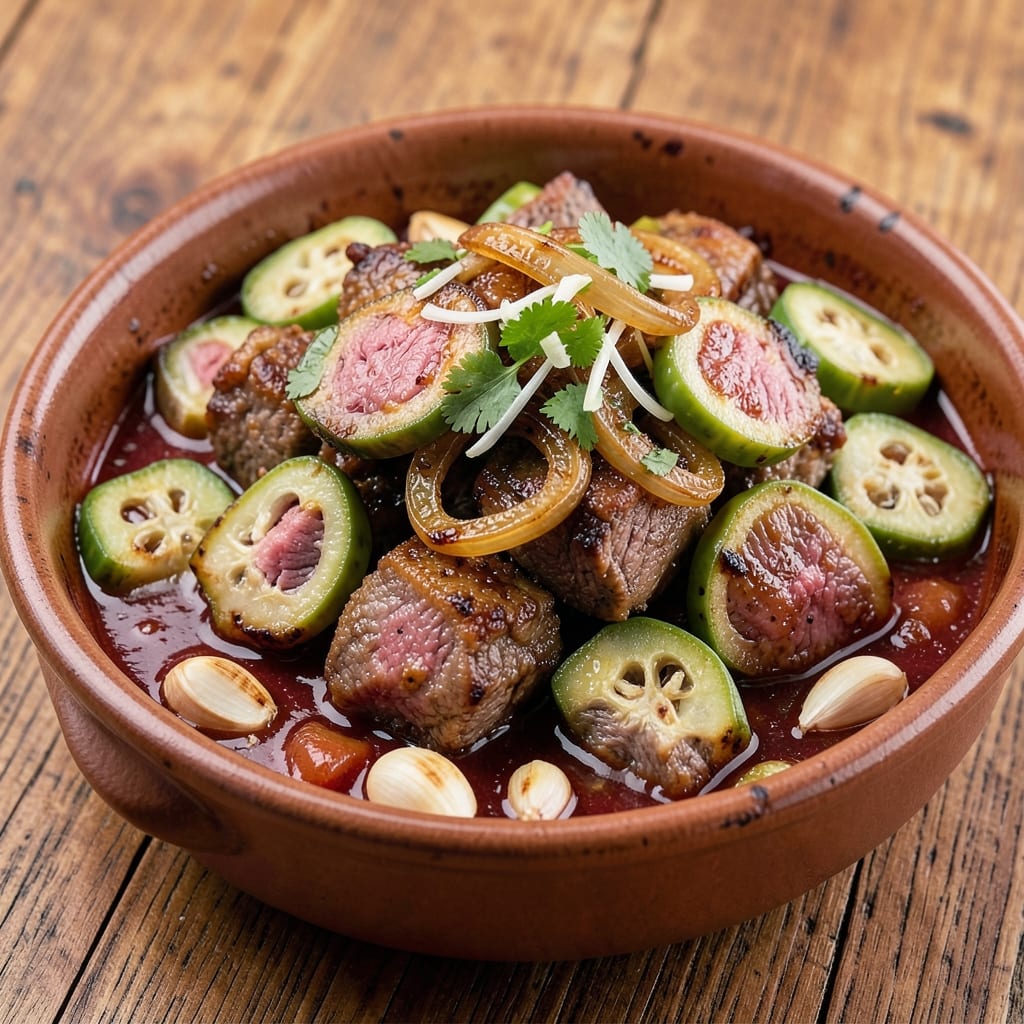
This ampalaya con beef recipe brings the comforting warmth of Filipino home cooking to your kitchen, where tender beef and bitter melon simmer into a rich, savory stew. The dish captures the essence of Filipino flavors—sweet, sour, and umami—perfectly balanced in every spoonful. I developed this version after years of perfecting the technique, ensuring the bitterness of the ampalaya is softened just enough to create a harmonious, hearty meal.
The beauty of this recipe lies in its simplicity and depth of flavor. You'll start with a fragrant base of onions, garlic, and ginger, then layer in beef and ampalaya to create a dish that's both comforting and satisfying. The slow simmer allows the flavors to meld together, transforming tough cuts of beef into melt-in-your-mouth tenderness while the ampalaya becomes tender and less bitter. This is the kind of dish that tastes even better the next day, making it ideal for meal prep.
What you'll end up with is a one-pot wonder that's rich, aromatic, and packed with layers of flavor—perfect for family dinners or special gatherings. The combination of beef, ampalaya, and the tangy tomato sauce creates a balance that's both familiar and exciting. The dish is versatile enough to serve with steamed rice or crusty bread, but it's the flavors that truly shine. Let's get started on this comforting Filipino classic.
This recipe is designed to be approachable for home cooks, with clear instructions and tips to ensure success. Whether you're new to Filipino cuisine or a seasoned fan, the slow-simmered approach guarantees a dish that's deeply flavorful and impossible to resist. The key is patience—allowing the beef and ampalaya to develop their full potential in the pot. Trust me, the results are worth every minute of waiting.
Ingredients for ampalaya con beef
Filipino pantry staples meet homey beefy richness in this comforting one-pot dish.
| Ingredient | Amount | Notes |
|---|---|---|
| Beef Chuck Roast 🥩 | 1 ½ lb | Cut into 1-inch cubes |
| Fresh Ampalaya (Bitter Melon) 🍉 | 2 cups | Sliced into 1/4-inch rounds |
| Yellow Onion 🧅 | 1 whole | Thinly sliced |
| Garlic Cloves 🧄 | 6 cloves | Minced |
| Fresh Ginger 🌿 | 2 tbsp | Grated |
| Canned Tomato Sauce 🍅 | 1 can | 28 oz, San Marzano preferred |
| Soy Sauce 🧂 | 3 tbsp | Light or regular |
| White Vinegar 💧 | 2 tbsp | For brightness |
| Brown Sugar 🍯 | 2 tbsp | Packed |
| Bay Leaves 🌿 | 2 whole | For depth |
| Black Peppercorns 🌶️ | 1 tsp | Crushed |
| Salt 🧂 | 1 tsp | Diamond Crystal preferred |
| Cooking Oil 🫒 | 2 tbsp | Vegetable or canola |
| Green Onions 🧅 | 4 whole | Sliced for garnish |
The beef is non-negotiable—chuck roast gives that melt-in-your-mouth texture after hours of simmering. Costco or local butcher shops usually have it pre-cubed, which saves time. Ampalaya (bitter melon) can be tricky to find fresh, so Asian markets are your best bet. If you can't find it, substitute with zucchini or eggplant—they won't be identical, but the dish will still work. The ginger and garlic? Fresh is always better, but if you're in a pinch, powdered works at half the amount—just don't tell anyone I said that.
No San Marzano tomatoes? Any good-quality canned tomato sauce will do—just make sure it's not watery. The soy sauce adds that signature umami punch, but coconut aminos work in a pinch if you're avoiding soy. Vinegar might sound odd, but it's what cuts through the bitterness of the ampalaya. Apple cider vinegar works too, though white vinegar is more traditional. For the sugar, brown is ideal, but white sugar or even a bit of honey will do if that's what you've got. The bay leaves? Don't skip them—they add that subtle earthiness that makes this dish taste like home.
This stew tastes even better the next day, so make extra if you can. It keeps for 4-5 days in the fridge, and freezes beautifully for up to 3 months. I always portion mine into containers so I can grab it for lunches all week. The ampalaya will get softer with time, so if you're serving it right away, add it back to the pot just before serving. The beef? It'll practically fall apart—just what you want in a comforting stew like this.
Why You'll Love This Recipe
- One-Pot Magic: I swear by this—just toss the beef, ampalaya, onions, and ginger into a single pot, and let it simmer. No chopping boards to clean, no extra pans, and honestly? That’s my kind of cooking.
- Tender Beef, Sweet Crunch: The chuck roast turns fork-tender while the ampalaya keeps that perfect bite—crisp edges, creamy center. Between us, the ginger and garlic turn this into something dangerously addictive.
- Leftover Goldmine: This dish only gets better the next day. Reheat slices of beef with the sauce, and suddenly, you’ve got an effortless lunch or a quick dinner. My freezer’s always stocked with portions—because who has time to cook twice?
- Budget-Friendly Feast: A whole roast and bitter melon stretch for four servings, and the flavors pack enough punch to feel special. I’ll be real: it’s my go-to when grocery money’s tight, but no one ever guesses it’s budget-friendly.
Step-by-step instructions for ampalaya con beef
Here's how to create this comforting Filipino classic with tender beef and just the right bitter-sweet balance.
Prepare the Beef and Aromatics
Cut the 1.5 lb beef chuck roast into 1-inch cubes for even cooking. In a large pot, heat the 2 tbsp cooking oil over medium-high heat until shimmering. Add the beef in a single layer and sear for 3-4 minutes until browned on all sides. This step builds deep flavor through the Maillard reaction.
Remove the beef and set aside. In the same pot, add the thinly sliced yellow onion and cook for 2 minutes until softened. Add the minced garlic cloves and grated fresh ginger, stirring constantly for 30 seconds until fragrant. Here's where the magic happens - these aromatics form the flavor base for the entire dish.
Sauté the Ampalaya and Build the Sauce
Add the 2 cups sliced fresh ampalaya (bitter melon) to the pot and stir for 2 minutes until slightly wilted. The bitter melon will release its distinct flavor as it softens. Pour in the 1 can canned tomato sauce, 3 tbsp soy sauce, 2 tbsp white vinegar, and 2 tbsp brown sugar, stirring to combine.
Add the 2 whole bay leaves, crushed black peppercorns, and 1 tsp salt. Bring the mixture to a gentle boil, then reduce heat to medium-low. Return the seared beef to the pot, ensuring it's fully submerged in the sauce. This is where the slow simmer begins - the key to tender beef and perfectly balanced flavors.
Slow Simmer to Perfection
Cover the pot and let the mixture simmer gently for 1 hour 15 minutes over low heat. The beef should become fork-tender and the sauce should thicken slightly. Stir occasionally to prevent sticking and ensure even cooking. You'll know it's ready when the beef easily separates with a fork and the sauce has a rich, slightly glossy appearance.
Real talk: Don't rush this step. The slow cooking breaks down the tough beef fibers and allows all the flavors to meld together. The ampalaya should be tender but still hold its shape slightly, not completely mushy. If the sauce reduces too much, add 2-3 tablespoons of water to maintain the right consistency.
Finish and Garnish
Once the beef is tender, remove the bay leaves and adjust seasoning if needed. For the final touch, stir in the sliced green onions and let the dish sit off the heat for 5 minutes. This resting period allows the flavors to settle and the sauce to thicken slightly.
Serve the ampalaya con beef hot, with steamed rice to soak up every delicious bite. The combination of tender beef, slightly bitter ampalaya, and savory tomato sauce creates a perfect balance of flavors that's both comforting and satisfying. The green onions add a fresh finish that cuts through the richness.
Pro Tips For Making Ampalaya Con Beef
- Sear the Beef Hard: Ampalaya con beef isn’t just a stew—it’s a flavor bomb, and that starts with a deep brown crust on your chuck roast. I learned this the hard way after serving a batch where the beef tasted bland. Use a heavy pan, medium-high heat, and let it sit undisturbed for 3-4 minutes per side until it’s dark golden. That’s the foundation for rich, caramelized depth. ---
- Peel Ampalaya Like a Pro: Fresh ampalaya is stubborn—scrubbing it under water while slicing with a knife works, but here’s the real trick: slice off the ends first, then score the skin in a crosshatch pattern before peeling. The skin’s tough and bitter, and this method keeps you from fighting it. (Pro tip: Wear gloves—it’s slippery and irritating.) ---
- Don’t Overcrowd the Pot: I used to dump everything in at once, thinking it would cook faster. Wrong. The beef steams instead of sears, and the ampalaya turns mushy. Start with the beef and onions in the pot, let them brown, then add the ampalaya in batches. Give it space—crowding kills the flavor. ---
- Bloom the Ginger First: Fresh ginger is pungent, but raw chunks in a simmering pot just sit there. Here’s what works: Finely grate it (no need to peel) and toss it in the hot oil with the garlic and onions. Let it sizzle for 30 seconds—it releases its oils and aroma instantly. Skip this, and your dish smells like a missed opportunity.
Essential equipment for this dish
Heavy-Duty Pot
You'll need a large, heavy-bottomed pot with a tight-fitting lid—think 5-6 quarts minimum. I swear by my All-Clad stainless steel Dutch oven for this recipe because it distributes heat evenly and prevents scorching during the long simmer. If you don't have one, a Calphalon or Le Creuset enameled cast iron works beautifully too. The key is avoiding thin, flimsy pots that can't maintain consistent heat. 🔥
Sharp Knife Set
Ampalaya's tough skin demands a sharp chef's knife—I use my Wüsthof 8-inch for slicing the bitter melon into ¼-inch rounds. For the beef, a heavy cleaver makes quick work of cubing the 1.5 lb chuck roast. Dull knives will crush the ampalaya instead of cleanly slicing it, which ruins the texture. Invest in a sharpening stone if your knives lose their edge easily.
Measuring Tools
Precision matters with this recipe, especially for the soy sauce, vinegar, and sugar. Use a stainless steel measuring spoons set (like OXO Good Grips) for accuracy with the 3 tbsp soy sauce and 2 tbsp vinegar. For dry ingredients, a scale ensures perfect measurements—2 tbsp brown sugar packed tightly makes a difference. I keep my OXO digital scale on hand for all my stews.
Wooden Spoon
A long-handled wooden spoon is your best friend for stirring without scratching the pot. I recommend a maple or olive wood spoon—it's gentle on the pot and won't react with acidic ingredients like vinegar. Avoid metal spoons during the simmering phase to prevent sticking. A 30-inch handle gives you better control when stirring the ampalaya and beef mixture.
Instant-Read Thermometer
While not strictly necessary, an instant-read thermometer (like Thermoworks ThermoPop) helps verify the beef's doneness. The ideal internal temperature for tender chuck roast is 203°F—this ensures it's fork-tender without drying out. I check a few pieces before declaring the dish done. For ampalaya, the thermometer isn't needed, but it's great for beef confidence.
Colander and Fine Mesh Strainer
You'll need a colander to rinse the ampalaya if it's particularly bitter. Some varieties have a tough outer skin that needs removing—just slice off the rind before cooking. For straining the sauce if you prefer it smoother, a fine mesh strainer works well. I use my OXO Good Grips colander for both rinsing and draining excess liquid from the ampalaya slices before adding them to the pot. 💡
Nutrition facts
Frequently asked questions
Why does my ampalaya con beef taste too bitter?
The bitterness in ampalaya (bitter melon) is natural, but you can balance it by adding 1 extra tablespoon of brown sugar or ½ teaspoon more salt during the simmer. The white vinegar also helps neutralize bitterness—don't skip it! If the taste is still overwhelming, try adding 1 small potato or ½ cup corn to mellow the flavor naturally.
Can I use frozen ampalaya instead of fresh?
Yes, but thaw and rinse the frozen ampalaya first to remove excess moisture. For 2 cups fresh ampalaya, use 1.5 cups frozen instead. Add it to the pot 15 minutes earlier during simmering since frozen pieces take longer to soften. The texture won't be identical, but it'll still work in a pinch!
What's the best cut of beef for this recipe?
Chuck roast is ideal because it's flavorful and becomes tender with slow cooking. Other good options include brisket or short ribs, but avoid lean cuts like sirloin—they'll dry out. If you can't find chuck, beef stew meat works too. Always cut into 1-inch cubes for even cooking.
How do I make this dish less heavy?
To lighten the sauce, add ½ cup coconut milk during the last 10 minutes of simmering. You can also substitute 1 tbsp of the soy sauce with coconut aminos for a less salty, slightly sweeter flavor. For extra freshness, serve with a side of steamed bok choy or a simple green salad.
Can I make this recipe in an Instant Pot?
Sauté the beef and aromatics as directed, then add all remaining ingredients. Cook on High Pressure for 30 minutes, followed by a 10-minute natural release. The ampalaya may get softer, so add it 5 minutes earlier if you prefer firmer pieces. The Instant Pot version cuts cooking time to about 45 minutes total.