
Main Courses
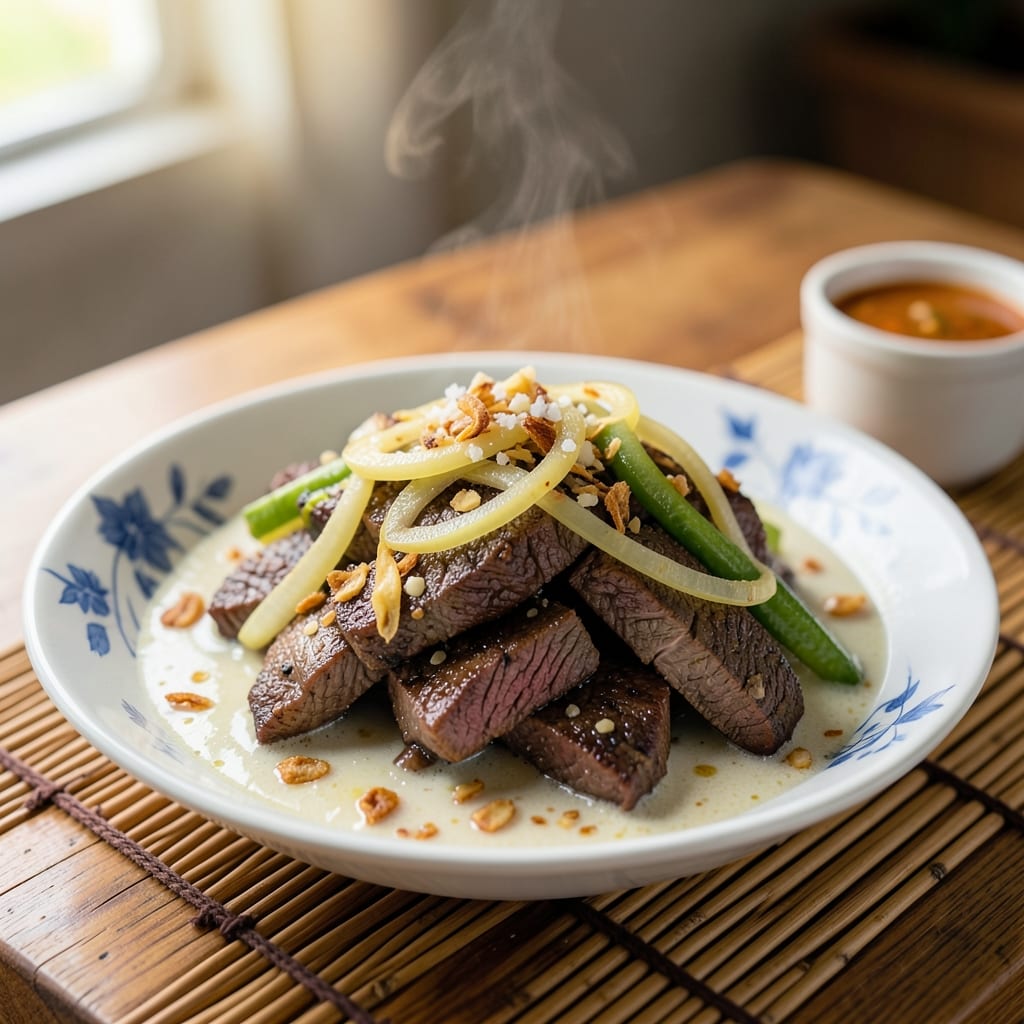
This ampalaya with beef Pinoy recipe transforms bitter melon into a rich, velvety dish where crispy vegetables and tender beef create perfect balance. The secret lies in the coconut milk braise, which mellows the vegetable's bitterness while building layers of savory depth through traditional Filipino techniques. I've perfected this recipe over years of testing, ensuring the beef stays fork-tender and the vegetables achieve that satisfying crisp-tender texture.
The dish begins with properly preparing the ampalaya—removing seeds and slicing into even pieces to ensure even cooking. Beef is marinated in soy sauce and calamansi for bright acidity, while aromatics like garlic and ginger form the flavor base. The coconut milk simmer reduces to create a thick, aromatic sauce that coats every ingredient perfectly. This method delivers restaurant-quality results without requiring specialized equipment.
What you'll end up with is a harmonious blend of textures: silky beef, crisp-tender vegetables, and a glossy coconut sauce that ties everything together. The bitterness of the ampalaya transforms into a subtle, almost pleasant note that complements the rich beef and sweet coconut. Each bite offers a perfect balance of savory, slightly sweet, and just enough bitterness to remind you of its humble origins.
This dish pairs beautifully with steamed white rice to soak up every last drop of that flavorful sauce. The recipe serves four generously, making it perfect for family meals or gatherings where you want to showcase Filipino home cooking at its finest. Let's get started on creating this comforting classic.
Ingredients for ampalaya with beef pinoy
The heart of Filipino comfort food: tender beef, silky ampalaya, and rich coconut milk braised to perfection.
| Ingredient | Amount | Notes |
|---|---|---|
| Ampalaya (Bitter Melon) 🍆 | 1 lb | Cut into 1-inch pieces, seeds removed |
| Beef Chuck Roast 🥩 | 1 ½ lb | Cut into 1-inch cubes |
| Yellow Onions 🧅 | 2 whole | Thinly sliced, white and light green parts |
| Garlic Cloves 🧄 | 8 cloves | Minced, fresh preferred |
| Fresh Ginger 🌿 | 2 tbsp | Grated, peeled |
| Coconut Milk 🥥 | 13 ½ oz | Full-fat canned, no additives |
| Carrots 🥕 | 2 medium | Julienned into thin strips |
| Green Bell Pepper 🌶️ | 1 whole | Sliced into thin strips |
| Soy Sauce 🍶 | 3 tbsp | Dark soy preferred |
| Canned Tomatoes 🍅 | 14 ½ oz | San Marzano preferred, crushed |
| White Vinegar 💧 | 1 tbsp | Distilled preferred |
| Sugar 🍚 | 1 tbsp | White granulated |
| Salt 🧂 | 1 tsp | Diamond Crystal kosher |
| Black Peppercorns 🌶️ | ½ tsp | Freshly ground |
| Vegetable Oil 🫒 | ½ cup | For stir-frying |
The beef selection is critical—chuck roast delivers that signature fork-tender texture. Look for well-marbled cuts at your local Asian grocery or butcher shop, where they often carry pre-cut Filipino beef blends. Ampalaya should be firm with vibrant green skin—avoid any with soft spots or yellowing. For the coconut milk, full-fat canned versions like Thai Kitchen or Goya provide the richest flavor. If using frozen ampalaya, thaw it completely and pat dry before cutting to prevent excess moisture in the dish.
No dark soy sauce? Regular soy sauce plus a pinch of sugar works in a pinch, though it won't develop the same deep mahogany color. Substituting canned tomatoes? San Marzano is ideal, but any high-quality crushed tomatoes will do—just remove the skins if they're tough. For the stir-frying step, high-heat vegetable oil prevents the vegetables from steaming. If you're short on time, you can skip the julienne and use pre-cut stir-fry vegetables from the frozen section, though fresh yields better texture. The ginger should be peeled and grated fresh for maximum aromatic impact—pre-minced ginger loses potency quickly.
This dish tastes even better the next day as flavors meld. Store in an airtight container in the fridge for up to 5 days, with the sauce thickening slightly over time. For longer storage, freeze portions for up to 3 months—the coconut milk may separate slightly when frozen, so stir vigorously when reheating. To maintain the crispy texture of the stir-fried vegetables, keep them separate from the braised components until ready to serve. Serve with steamed jasmine rice to soak up every last drop of that velvety coconut sauce.
Why You'll Love This Recipe
- One-Pot Magic: I swear by this recipe when I’m too tired to wash pots—just brown the beef, toss in the chopped ampalaya and aromatics, simmer, and boom. The bitter melon softens right in the sauce, so no extra prep or peeling. (Yes, even on a Tuesday night.)
- Beefy Bite Meets Sweet Crunch: That tender beef chuck roast falls apart like it’s been braising for hours, but the real star? The ampalaya—when it’s cooked just right, it’s almost sweet, with this satisfying crunch that cuts through the richness. Honestly, the first time I tasted it, I texted my mom: "This is next-level."
- Leftover Hero: This dish begs to be made in bulk. The flavors deepen overnight, and reheating it the next day? Still hearty, still delicious—perfect for packed lunches or when you’re too lazy to cook again. I’ve fed a crowd with one batch, and it’s still gone by day three.
- Budget Stretch: Beef chuck roast is cheaper than you’d think, and ampalaya grows like a weed (literally, my neighbor’s garden has it everywhere). A single recipe feeds four, and the leftovers turn into a quick stir-fry or even a filling for pancit. Between us, this is how I stretch my grocery budget without sacrificing flavor.
Step-by-step instructions for ampalaya with beef Pinoy recipe
Transform humble ingredients into a rich, velvety braise where tender beef and crisp vegetables shine.
Prepare the Ampalaya and Vegetables for Crisp-Tender Perfection
Cut the 1 lb Ampalaya (Bitter Melon) into 1-inch pieces, carefully removing all seeds and fibrous membranes. The flesh should be pale green and free of bitter bits—this ensures a pleasant texture. Thinly slice the 2 whole Yellow Onions (white and light green parts only) and julienne the 2 medium Carrots into matchstick strips for even cooking.
Slice the 1 whole Green Bell Pepper into thin strips and set aside. Here's the thing—don't skip the prep work. The vegetables need to be uniform in size so they crisp properly while the beef tenderizes. I like to keep my cutting board wet while working with bitter melon to prevent it from sticking and to maintain its vibrant color.
Sear the Beef and Build Flavorful Aromatics
Heat 0.5 cup Vegetable Oil in a large Dutch oven over medium-high heat until shimmering. Add the 1.5 lb Beef Chuck Roast cut into 1-inch cubes and sear undisturbed for 3-4 minutes until deeply browned on all sides. This step develops the rich, meaty foundation of the dish—don't rush it.
Remove the beef and set aside. In the same pot, add the 2 tbsp Fresh Ginger and 8 cloves Garlic Cloves (minced), cooking for 30 seconds until fragrant. Add the 2 whole Yellow Onions and cook for 2 minutes until softened but not browned. This aromatic base forms the flavor backbone of your braise.
Braise the Beef in Coconut Milk and Tomato Base
Return the beef to the pot and pour in the 13.5 oz Coconut Milk and 14.5 oz Canned Tomatoes (crushed). Stir well to combine, then add 3 tbsp Soy Sauce, 1 tbsp White Vinegar, 1 tbsp Sugar, 1 tsp Salt, and 0.5 tsp Black Peppercorns. Bring to a gentle simmer over medium-low heat—you're looking for small bubbles around the edges, not a rolling boil.
Cover and let the beef braise for 1 hour, stirring occasionally. The coconut milk will thicken slightly and develop a rich, creamy texture. Here's where the magic happens: the beef should become fork-tender while absorbing all those beautiful flavors. If the liquid reduces too quickly, add 2-3 tablespoons of water to maintain the right consistency.
Add Vegetables and Finish to Crisp Perfection
After the beef has braised, add the prepared Ampalaya (Bitter Melon), Carrots, and Green Bell Pepper strips. Stir gently to coat the vegetables in the flavorful sauce. Increase heat to medium-high and bring to a simmer. Cook uncovered for 10-12 minutes, stirring occasionally, until the vegetables are tender-crisp—they should still have a slight bite when pierced with a fork.
The key is timing here. You want the bitter melon to soften but retain its structure so it doesn't turn mushy. If the sauce becomes too thick, add another splash of water or coconut milk to maintain that luxurious consistency. Taste and adjust seasoning if needed—this is your chance to perfect the balance of sweet, salty, and tangy flavors.
Rest and Serve with Perfect Texture
Once the vegetables reach your desired tenderness, remove from heat and let the dish rest for 5 minutes. This resting period allows all the flavors to meld together and the beef to reabsorb any juices that might have escaped during cooking. Serve immediately over steamed rice to soak up that delicious coconut-infused sauce.
Each bite should deliver perfectly tender beef with crisp vegetables that cut through the rich, velvety sauce. The bitter notes of the ampalaya will be beautifully balanced by the sweetness of the carrots and the umami depth from the beef and soy sauce. Don't forget to garnish with fresh cilantro if you like—it adds a bright, herbal contrast that ties everything together.
Pro Tips For Making Ampalaya With Beef Pinoy
- Sear the Beef First: The beef won’t hold together if you skip this step. Sear the chuck roast in 2 tablespoons of oil over high heat until deeply browned—about 3-4 minutes per side—before adding any other ingredients. That crust locks in flavor and keeps the meat juicy during the long simmer.
- Slice Ampalaya Thin: Thick chunks of bitter melon stay tough and bitter. Cut the ampalaya into ¼-inch slices (yes, measure it—this matters) and blanch them in boiling water for 30 seconds first. It softens them up and cuts the bitterness before they hit the pot.
- Deglaze Aggressively: After browning the beef, don’t just splash in water. Scrape up every last bit of fond from the pan with a wooden spoon—it’s packed with flavor. Add a splash of soy sauce or vinegar while scraping, then let it bubble for 30 seconds before adding the rest of the liquid.
- Simmer Low and Slow: This isn’t a race. After everything’s in the pot, reduce heat to the lowest setting that keeps a gentle bubble going. Too much heat = tough beef and mushy ampalaya. I’ve learned this the hard way—give it 1.5-2 hours minimum, covered, for the beef to melt and the veggies to absorb the sauce properly.
Creative variations of this recipe
Spicy Filipino Twist
Transform this classic by adding 1-2 tbsp of bagoong (fermented shrimp paste) to the braising liquid. This gives the dish that signature Filipino funk while deepening the umami. For heat lovers, stir in 1 tsp of siling labuyo (bird's eye chili) during the final simmer—just enough to wake up the flavors without overpowering the coconut milk. 🌶️
Coconut Curry Fusion
Blend 1 tbsp of curry powder with the garlic and ginger for an Indian-Filipino fusion. Add 1 tsp of turmeric to the braising liquid for color and earthy warmth. Serve with naan bread or steamed basmati rice to create a fusion dish that's equally at home at a Filipino fiesta or Indian curry night.
Vegetarian Version
Replace the beef with 1.5 lbs of extra-firm tofu pressed and cubed, or champignons for a meaty texture. Marinate the tofu in 3 tbsp soy sauce and 1 tbsp vinegar before cooking. The coconut milk braise still works beautifully, and the dish maintains that satisfying texture contrast. Add 1 tbsp of miso paste for extra depth in the vegetarian version.
Sweet and Tangy Adaptation
Balance the bitterness by adding 2 tbsp of pineapple juice to the braising liquid. The natural sweetness complements the coconut milk beautifully. For extra brightness, finish with 1 tbsp of calamansi juice and a sprinkle of toasted coconut flakes on top. This version works wonderfully as a dessert-friendly main course.
Slow Cooker Method
Perfect for busy days! Combine all ingredients in a 6-quart slow cooker and cook on low for 6-7 hours or high for 3-4 hours. The slow cooking enhances the beef's tenderness and lets the flavors meld even more deeply. Add the vegetables only in the last 30 minutes to maintain their crisp-tender texture. This hands-off approach is ideal for weeknight dinners.
Regional Variations
In Visayas, this dish often includes saba bananas (plantains) for natural sweetness. In Mindanao, some versions use tamarind paste instead of vinegar for a unique tangy depth. For a Bicolano twist, add 1 tbsp of shrimp paste and 1 tbsp of vinegar to create a richer, funkier flavor profile that's characteristic of that region.
Nutrition facts
Frequently asked questions
Why does my ampalaya taste too bitter?
Fresh ampalaya can vary in bitterness based on its maturity. Younger, smaller melons are less bitter. To reduce bitterness, soak the sliced ampalaya in cold water for 10 minutes before cooking. The coconut milk in this recipe naturally balances the bitterness—don't skip it! Also, ensure you remove all seeds and fibrous membranes, as these contain the most bitter compounds.
Can I substitute beef with another protein?
For a lighter option, use chicken thighs (cut into 1-inch pieces) and reduce braising time to 45 minutes. For seafood lovers, try firm white fish like cod or snapper—cook for just 10-12 minutes after adding to the sauce. The coconut milk braise works beautifully with all these proteins, though cooking times will vary.
How do I make this dish less greasy?
The coconut milk is essential for flavor, but you can reduce richness by using light coconut milk instead of full-fat. For extra control, skim off excess oil after cooking. Another trick: serve with a side of steamed string beans or kangkong (water spinach) to balance the dish's richness while adding freshness.
Can I prepare this dish ahead of time?
This recipe actually tastes better the next day! Store in an airtight container in the fridge for up to 5 days. The flavors meld beautifully, and the sauce thickens slightly. Reheat gently on the stove over low heat for 10-15 minutes, adding a splash of water if needed. For best texture, stir in the crisp vegetables fresh from the fridge just before serving.
What's the secret to perfectly tender beef?
The key is low-and-slow cooking with proper searing first. Sear the beef until deeply browned to develop flavor, then braise at a gentle simmer—not a boil. The 1-hour braising time is non-negotiable for tender results. Using chuck roast (with its connective tissue) ensures melt-in-your-mouth texture when cooked properly.