
Soups & Stews
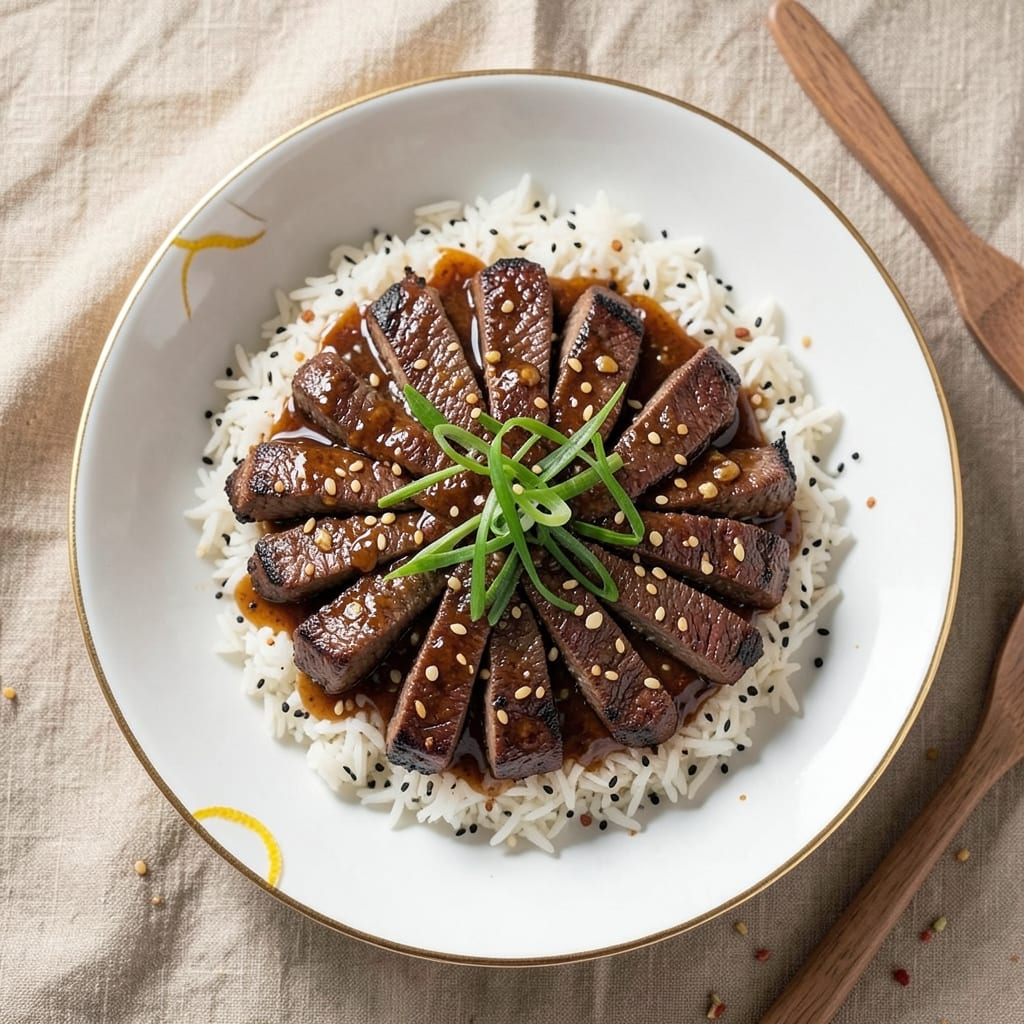
This Andy Cooks Mongolian Beef recipe delivers restaurant-quality wok-tossed beef with tender, sweet-spicy crunch in just 20 minutes. The secret lies in a perfect balance of soy, ginger, and garlic—simmered into a glossy sauce that caramelizes as it coats the beef. I developed this version after years of perfecting the technique, ensuring every bite delivers that signature sweet-spicy kick without overpowering the natural beef flavor.
The process is simpler than it sounds: thinly sliced beef gets marinated briefly in a flavor-packed sauce, then quickly seared in a hot wok until perfectly tender. The sauce reduces dramatically, creating a sticky, caramelized glaze that clings to every piece. This isn't just a quick stir-fry—it's a dish that transforms simple ingredients into something deeply satisfying with layers of umami and aromatic spices.
What you'll end up with is beef that's fork-tender yet still holds its shape, coated in a glossy sauce that's both sweet and tangy. The high-heat wok method ensures maximum flavor development in minimal time, while the sauce's balance of soy, ginger, and garlic creates that signature Mongolian beef taste. Serve it over steamed rice or noodles for the full experience—each bite delivers that perfect harmony of textures and flavors.
This recipe scales beautifully for family meals or dinner parties, and the sauce can be made ahead for even more convenience. The key is maintaining that high heat throughout the cooking process to achieve the signature wok-tossed texture. Let's get cooking—your taste buds will thank you.
Ingredients for andy cooks mongolian beef
Restaurant-quality wok-tossed beef starts with these 13 ingredients—simple yet transformative.
| Ingredient | Amount | Notes |
|---|---|---|
| Flank Steak 🥩 | 1 ½ lb | Thinly sliced against grain |
| Soy Sauce 🍶 | ½ cup | High-quality, light or regular |
| Brown Sugar 🍯 | ¼ cup | Packed, light or dark |
| Rice Vinegar 🍶 | ¼ cup | Seasoned preferred |
| Garlic Cloves 🧄 | 6 cloves | Minced finely for depth |
| Fresh Ginger 🌿 | 2 tbsp | Grated, not powdered |
| Sesame Oil 🫒 | 1 tbsp | Toasted sesame preferred |
| Cornstarch 🌾 | 1 tbsp | For sauce thickening |
| Vegetable Oil 🫒 | 2 tbsp | High smoke point |
| Green Onions 🧅 | 4 whole | Sliced for garnish |
| Sesame Seeds 🌾 | 1 tbsp | Toasted lightly |
| Diamond Crystal Kosher Salt 🧂 | ½ tsp | For seasoning |
| Freshly Ground Black Pepper 🌶️ | ¼ tsp | For finishing |
The flank steak is non-negotiable for this dish—its lean yet tender texture holds up perfectly to the high-heat wok method. Buy it pre-sliced at Whole Foods or your local Asian market for convenience, or slice it yourself against the grain for maximum tenderness. Look for well-marbled cuts if selecting from the butcher counter. The soy sauce should be high-quality, like Kikkoman or Lee Kum Kee, as it forms the flavor backbone. Brown sugar adds that signature sweetness, so don't skimp on the packed measurement—it dissolves quickly during cooking. Fresh ginger and garlic are essential for authentic flavor; powdered substitutes simply won't deliver the same aromatic punch.
No sesame oil? Toasted peanut oil works in a pinch, though the flavor will differ slightly. Running short on rice vinegar? Apple cider vinegar provides a similar tang, though it lacks the subtle sweetness. The cornstarch is critical for achieving that signature glossy, caramelized sauce—arrowroot powder can substitute at a 1:1 ratio if needed. For the wok searing, vegetable or avocado oil are ideal due to their high smoke points, but any neutral oil will suffice. Garnishes like green onions and sesame seeds can be swapped for cilantro and crushed peanuts for a Thai-inspired twist. Always toast your sesame seeds lightly in a dry pan before adding to maximize their nutty aroma.
Prep the sauce components ahead of time and store them in the fridge for up to 3 days—this is especially helpful for busy weeknights. The sliced beef can marinate in the sauce for up to 6 hours without losing texture, though it's best used within 2 hours for optimal tenderness. Leftover cooked beef reheats beautifully in a skillet with a splash of water, but the sauce may thicken—simply add a teaspoon of water to restore its glossy consistency. For meal prep, portion the cooked beef into airtight containers with a small amount of sauce to keep it moist, then store for up to 4 days. The sauce itself can be frozen for 3 months in an ice cube tray for portion control.
Why You'll Love This Recipe
- Foolproof Stovetop: I swear by this one-pan method—just sear the steak, toss in the sauce, and walk away. No fancy techniques, no stress. The garlic and soy caramelize right into the beef while you’re still chopping veggies.
- Sweet-Savory Magic: That brown sugar and rice vinegar combo? Chef’s kiss. It turns tough flank steak into something tender and addictive—like a cross between a takeout favorite and homemade love. Honestly, my kids fight over the last bite.
- Meal Prep MVP: Double the batch and store it for days. The flavors actually get better as it sits—perfect for busy mornings or lazy nights. (Yes, even on a Tuesday night.) Just reheat and serve over rice or noodles.
- Budget Powerhouse: Flank steak stretches far, and the sauce costs pennies. I feed four people for under $15, and there’s always leftovers for lunch. Between us, this is my go-to when I’m broke but still want to feel fancy.
Step-by-step instructions for wok-tossed Mongolian beef
This method delivers tender, caramelized beef with a glossy, perfectly balanced sauce every time.
Prep the Beef and Marinade
Slice the 1.5 lb flank steak thinly against the grain into ¼-inch strips. This ensures tender bites that cook quickly in the wok. Place the sliced beef in a bowl and set aside.
In a separate bowl, whisk together the 0.5 cup soy sauce, 0.25 cup brown sugar, 0.25 cup rice vinegar, 6 cloves minced garlic cloves, and 2 tbsp grated fresh ginger. Pour this marinade over the beef and toss gently to coat evenly. Let it marinate for 15-20 minutes at room temperature—this jumpstarts the flavor infusion and prevents tough meat.
Build the Sauce Base
In a small bowl, whisk together 1 tbsp cornstarch with 2 tablespoons cold water until smooth. This slurry will thicken the sauce beautifully. Set aside while you prep the wok.
Heat 2 tablespoons vegetable oil in a wok or large skillet over medium-high heat until shimmering. Add the marinated beef in a single layer and sear undisturbed for 1-2 minutes until the edges begin to brown. Stir-fry for another 2-3 minutes until the beef is 75% cooked but still slightly underdone—it'll finish cooking in the sauce.
Thicken and Finish the Sauce
Push the beef to one side of the wok. Add 1 tablespoon sesame oil to the empty space and let it heat for 10 seconds until fragrant. Pour in the cornstarch slurry and stir vigorously for 30 seconds until the sauce begins to thicken and cling to the wok.
Return the beef to the sauce and toss everything together for 1-2 minutes until the sauce coats the beef uniformly and reaches a glossy, syrupy consistency. The beef should be fully tender with a caramelized sheen. Taste and adjust seasoning with 0.5 tsp Diamond Crystal kosher salt and 0.25 tsp freshly ground black pepper if needed.
Garnish and Serve Immediately
Remove the wok from heat and stir in 4 whole sliced green onions and 1 tbsp toasted sesame seeds. The green onions add freshness while the sesame seeds contribute nutty crunch. Serve the Mongolian beef immediately over steamed rice or noodles while it's still sizzling hot.
Each bite should deliver perfectly tender beef with a balance of sweet, salty, and umami flavors. The sauce should cling beautifully to the rice, creating that signature wok-tossed texture. For best results, serve within 10 minutes of cooking while the sauce remains vibrant.
Pro Tips For Making Andy Cooks Mongolian Beef
- Slice Against the Grain: The flank steak’s fibers run long, and if you don’t cut them perpendicular, you’ll end up with chewy mouthfuls instead of tender bites. Grab a sharp knife, make a few deep cuts into the meat (about ½-inch apart), then slice thinly after cooking—this isn’t just for looks, it’s for texture.
- Brown the Sugar First: Skip tossing raw brown sugar straight into the pan—it’ll just melt into a sticky mess. Instead, heat your wok or skillet until it’s smoking hot, then add the sugar alone for 30 seconds until it turns a deep amber. This caramelized base is what gives the sauce its rich, slightly bitter depth.
- Don’t Overcrowd the Pan: I learned this the hard way—dumping all the beef and sauce in at once just steams the meat instead of searing it. Cook in batches: sear half the steak until browned, then remove before adding the sauce. The second batch will crisp up faster, and you’ll actually get that smoky, charred flavor you’re after.
- Use Fresh Garlic, Minced Fine: Pre-minced garlic from a jar? Save it for something lazy. For this dish, peel and finely mince your own—you want it almost paste-like so it blends into the sauce smoothly. Fresh garlic adds a bright, aromatic punch that jarred garlic can’t match, and it won’t turn the sauce bitter when cooked down.
Perfect pairings for andy cooks mongolian beef
Rice Pairings
Steamed jasmine rice is the classic companion for Mongolian beef, absorbing the glossy sauce beautifully while providing a neutral base that lets the flavors shine. I recommend using 1 cup uncooked jasmine rice per 2 cups water, steamed until fluffy and tender. For extra flair, try short-grain sushi rice—its stickiness makes it perfect for scooping up every last bit of sauce. 🍚
Noodle Options
For a heartier dish, serve over egg noodles or udon noodles, both of which hold up well to the sauce's richness. Cook 8 oz noodles according to package instructions, then toss with a pinch of sesame oil before adding the beef. I love chow mein noodles for their crispy texture when stir-fried lightly in a separate pan with 1 tbsp vegetable oil and a sprinkle of garlic powder.
Vegetable Sides
A crisp cucumber salad adds refreshing contrast to the bold flavors. Thinly slice 1 English cucumber and toss with 1 tbsp rice vinegar, ½ tsp sugar, and ¼ tsp salt. For warmth, try steamed bok choy with a drizzle of toasted sesame oil—its slight bitterness balances the dish's sweetness. 🥬
Beverage Pairings
A cold Asahi Super Dry or Sapporo beer cuts through the sauce's richness with its crisp, clean finish. For non-alcoholic options, try jasmine tea or green tea—their delicate floral notes complement the dish's umami depth. A splash of cold water with lemon also works beautifully to cleanse your palate between bites. 🍺
Garnish Upgrades
Elevate your dish with crispy fried shallots for extra crunch—toss ¼ cup sliced shallots in 1 tbsp oil and fry until golden. A sprinkle of fresh cilantro or Thai basil adds a bright, herbaceous note. For heat lovers, drizzle with chili crisp or sriracha before serving. 🌶️
Nutrition facts
Frequently asked questions
Can I use flank steak substitutes like sirloin or ribeye?
Flank steak is ideal for its lean yet tender texture, but you can use sirloin or ribeye in a pinch. For ribeye, trim excess fat first to avoid greasy sauce. Slice all substitutes ¼-inch thick against the grain—this is non-negotiable for tenderness. Avoid tough cuts like chuck roast, as they won't become fork-tender in the quick cooking time.
How do I fix beef that's still chewy after cooking?
Overcooked beef is usually the culprit. Next time, remove beef from the wok when it's 75% done (slightly firm to touch), then finish cooking in the sauce. For already chewy beef, try this: Simmer the beef in ½ cup water + 1 tbsp soy sauce for 5 minutes to break down fibers. Or slice thinner (⅛-inch) and sear again briefly in a hot pan.
Can I make the sauce ahead of time?
Prepare the sauce components (soy, sugar, vinegar, garlic, ginger) up to 3 days ahead and store in the fridge. The cornstarch slurry should be made fresh before cooking. For the beef marinade, combine sauce ingredients with sliced beef and refrigerate for up to 6 hours—this enhances flavor without over-tenderizing. Never marinate longer than 8 hours.
What's the secret to that glossy, caramelized sauce?
The magic happens in three steps: high heat, cornstarch slurry, and constant tossing. Use a wok or cast-iron skillet on medium-high heat until oil shimmers. Add the cornstarch slurry to the hot pan first (not the beef), then toss everything vigorously for 30-60 seconds until the sauce thickens and clings. The sugar in the sauce caramelizes from the heat.
How do I scale this recipe for a crowd?
Double or triple all ingredients, but adjust your cooking method. Use two woks or a large cast-iron skillet on medium heat to prevent overcrowding. Cook the beef in two batches, reserving ¼ cup sauce per batch to deglaze the pan between batches. Keep the finished beef warm in a 200°F oven while you complete the sauce.