
Main Courses
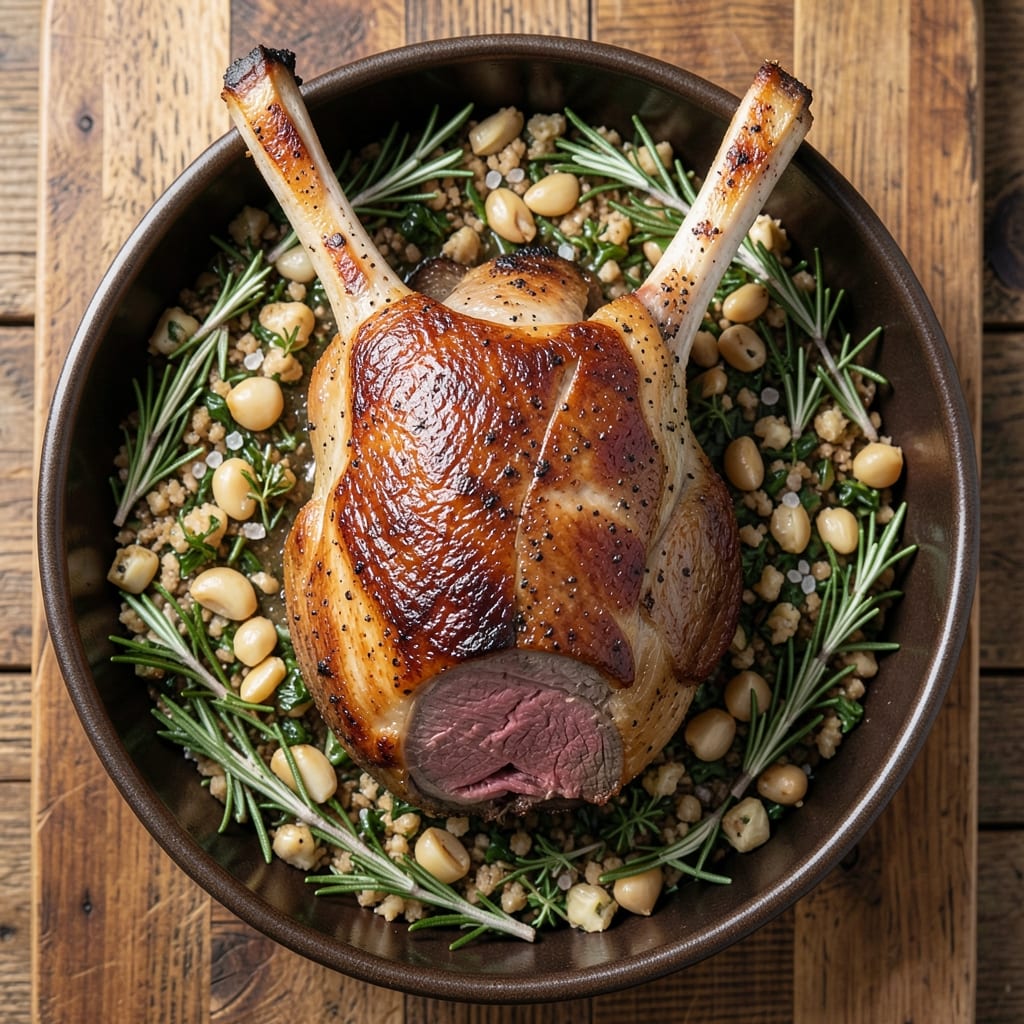
This Angus beef rib roast bone-in recipe delivers melt-in-your-mouth tenderness with a herb-crusted exterior that locks in every juicy, pink center. The secret lies in precise temperature control and a dry rub that enhances the beef’s natural richness without overpowering its depth. After years of perfecting this cut, I’ve learned that patience—especially during the resting phase—is what transforms good roast into an unforgettable centerpiece.
The process begins with a simple yet flavorful dry rub of coarse salt, black pepper, and fresh herbs, followed by a high-heat sear to create a caramelized crust. Roasting at a controlled medium-low temperature ensures the bone-in roast reaches medium-rare perfection while keeping the interior succulent. No fancy equipment is needed—just a reliable thermometer and the confidence to trust the process.
What you’ll end up with is a juicy, pink center that falls apart with minimal effort, surrounded by a crispy, aromatic crust that’s impossible to resist. The bone adds extra richness to the pan drippings, which can be reduced into a glazed sauce for serving. This isn’t just dinner—it’s an experience that turns a simple meal into a showstopper.
Pair it with roasted root vegetables, creamy mashed potatoes, or a bold red wine reduction to elevate the dish further. The leftovers? Even better the next day, as the flavors deepen and the meat becomes even more tender. Let’s get started on a roast that will have everyone asking for seconds.
Ingredients for angus beef rib roast bone in
Six pounds of prime Angus beef and a handful of pantry staples transform into a showstopping centerpiece.
| Ingredient | Amount | Notes |
|---|---|---|
| Angus Beef Rib Roast (Bone-In) 🥩 | 6 lb | Prime grade, 1.5-2 inches thick |
| Coarse Kosher Salt 🧂 | 1 ½ tbsp | Diamond Crystal preferred |
| Freshly Ground Black Pepper 🌶️ | 1 ½ tbsp | Coarse grind for texture |
| Fresh Rosemary 🌿 | ½ cup | Needles finely chopped |
| Fresh Thyme 🌿 | ¼ cup | Leaves only, stems removed |
| Garlic Cloves 🧄 | 8 cloves | Smashed, not minced |
| Extra-Virgin Olive Oil 🫒 | 2 tbsp | For crust development |
| Yellow Onion 🧅 | 1 whole | Thinly sliced, for pan drippings |
| Carrots 🥕 | 4 pieces | Whole, for roasting pan |
| Celery Stalks 🥬 | 4 pieces | Whole, for roasting pan |
| Dry Red Wine 🍷 | 1 cup | Cabernet or Merlot |
| Beef Bone Broth 🥄 | 1 cup | For pan sauce reduction |
| Unsalted Butter 🧈 | 4 tbsp | Cold, for basting |
The beef is non-negotiable here. Prime-grade Angus rib roast with a bone-in cut delivers unmatched tenderness and flavor—USDA Prime is ideal, but Choice will work if you're on a budget. Look for a roast with good marbling and a thick cap of fat (at least 1.5 inches) to ensure juiciness. Costco and Whole Foods carry excellent options, or ask your butcher to trim the roast to your preferred thickness. The herbs should be fresh—rosemary and thyme from the grocery store's refrigerated section work, but a farmers market haul adds serious depth. Smash the garlic cloves instead of mincing them for better flavor infusion during roasting.
No fresh rosemary? Dried works at one-third the amount, but fresh is worth hunting down. Short on red wine? Beef broth with a splash of balsamic vinegar mimics the depth. The olive oil is for the dry rub—extra-virgin with a peppery finish enhances the crust. For the roasting pan vegetables, baby carrots and celery stalks work just as well as whole pieces. The butter should be cold and cubed for basting—don't let it melt before using. And if you're worried about the bone-in cut, trust the process: the bone adds incredible richness to the pan drippings, which we'll reduce into a luscious sauce.
This roast is a two-day project—prep the dry rub the night before and let the beef sit at room temperature for 2 hours before roasting. The leftovers? Even better reheated with a splash of broth. Store any unused herbs in damp paper towels in a sealed container for up to 5 days. The roast itself keeps 3-4 days in the fridge, but honestly, it's best enjoyed fresh. For serving, I always slice against the grain—10 minutes of resting time before cutting is non-negotiable for juicy perfection.
Why You'll Love This Recipe
- I’ll be real: I often roast more than we need because the slices reheat like a dream. Cold cuts for wraps, thinly sliced for tacos, or even tossed into a pasta—this roast doesn’t let you down, and it stretches your budget without sacrificing quality.
- Foolproof Seasoning: Honestly, the prep couldn’t be simpler—just salt, pepper, and fresh herbs. No marinades, no fancy rubs, just that bone-in rib roast getting a good crust of kosher salt and cracked black pepper while the rosemary and thyme tie the whole thing together with their bright, earthy punch.
- Weekend Crowd-Pleaser: Between us, this is the dish I pull out for holidays or when my in-laws visit. The bone-in cut stays juicy and flavorful even with a big group, and the leftovers? Pure gold for sandwiches or hash the next day.
- Rich, Deep Flavor: That first cut into the roast—juicy, tender, with rosemary and thyme clinging to the edges—is why I keep coming back. The bone-in method keeps it moist while the crust seals in all that beefy goodness, and the herbs add a fragrant finish that makes every bite feel special.
Step-by-step instructions for herb-crusted Angus beef rib roast
Here's how to transform a simple rib roast into a showstopping centerpiece with perfect pink centers.
Prepare the Herb Crust and Season the Roast
In a food processor, combine the 0.5 cup fresh rosemary, 0.25 cup fresh thyme, 8 smashed garlic cloves, and 1.5 tablespoons each of coarse kosher salt and freshly ground black pepper. Pulse until finely chopped but not pasty. Transfer to a bowl and stir in the 2 tablespoons extra-virgin olive oil to form a thick paste.
Pat the 6 lb Angus beef rib roast dry with paper towels—this is non-negotiable for crispy crust. Spread the herb mixture evenly over all surfaces, pressing firmly so it adheres. Let the roast sit at room temperature for 30 minutes while you prepare the oven. The herb crust should look vibrant and well-distributed, not clumpy.
Sear the Roast for Maximum Flavor
Preheat your oven to 325°F. Place a rack in a roasting pan and position the roast fat-side up on the rack. This allows heat to circulate evenly. Heat a large oven-safe skillet over high heat and add the roast, fat-side down. Sear for 5 minutes until deeply browned, then flip and sear the other side for another 5 minutes. The goal is to develop a rich crust that locks in juices.
Transfer the seared roast to the prepared roasting pan. Add the 1 whole yellow onion, 4 carrots, and 4 celery stalks around the roast. These vegetables will create a flavorful pan drippings base for your sauce later. Pour in the 1 cup dry red wine and 1 cup beef bone broth, then cover tightly with foil.
Roast to Juicy Perfection
Roast the rib roast for 2 hours. Here's the key: I use a meat thermometer inserted into the thickest part of the roast (not touching bone) to monitor doneness. When the internal temperature reaches 130°F, remove the roast from the oven and tent loosely with foil. Let it rest for 30 minutes—this is where the magic happens as juices redistribute.
During this resting time, place the roasting pan on the stovetop over medium heat. Add the 4 tablespoons cold unsalted butter and let it melt, then scrape up all the browned bits from the bottom of the pan. This creates a rich, flavorful sauce that complements the tender roast beautifully.
Carve and Serve with Confidence
After resting, remove the roast from the pan and slice it against the grain into 1-inch thick slices. The meat should be fork-tender with a perfect pink center—this is the hallmark of a properly cooked rib roast. Arrange the slices on a platter and spoon the reduced wine sauce over the top.
Serve immediately with the roasted vegetables and any remaining sauce. Each slice should be succulent with a crispy herb crust and tender, juicy interior. The aroma alone will have everyone at your table anticipating that first bite.
Pro Tips For Making Angus Beef Rib Roast Bone In
- CRANK THE HEAT FIRST: High heat for the first 10 minutes—seriously, get that pan or grill screaming. I used to play it safe with medium heat, and the crust never formed properly. The bone-in rib roast needs that initial sear to lock in juices and build flavor.
- SALT THE HERBS TOO: Toss the rosemary and thyme sprigs in a mix of coarse salt and pepper before tucking them into the roast’s crevices. I learned this after my herbs just fell out during cooking. The salt clings to the leaves, keeping them in place and infusing the meat as it roasts.
- SKIP THE CROWDED PAN: Give the rib roast space—don’t overcrowd the pan when searing. I once stuffed two roasts in there, and they steamed instead of browned. A single roast per pan (or batch searing) guarantees that crust you’re after.
- REST IT UNDER FOIL: After roasting, tent the meat loosely with foil and let it sit for 15-20 minutes before carving. I know, I know—you want to eat it now—but cutting into it too soon means dry, stringy slices. The residual heat keeps it tender while you finish the sides.
Best sauces and condiments for this recipe
Red Wine Reduction
Use the pan drippings from your roast to create a luscious red wine reduction that elevates every bite. After removing the roast, place the roasting pan on the stovetop over medium-high heat and add 1 cup dry red wine (Cabernet or Merlot). Let it simmer for 5 minutes to cook off the alcohol, then add 1 cup beef bone broth and scrape up all the browned bits. Reduce until the sauce thickens to a glossy consistency—about 10-12 minutes. Finish with 1 tablespoon cold butter for a velvety texture. 🍷
Herb Butter Glaze
For a lighter, herb-forward sauce, melt 4 tablespoons unsalted butter in a saucepan over low heat. Stir in 1 tablespoon finely chopped fresh rosemary and 1 tablespoon thyme, then simmer for 2 minutes until fragrant. Drizzle this fragrant butter over sliced roast just before serving—it adds a bright, aromatic finish without overpowering the beef’s natural flavor. 🌿
Pan Jus with Mushrooms
Transform your pan drippings into a rich mushroom jus by adding 1 cup sliced cremini mushrooms and 1 shallot (minced) to the roasting pan after removing the roast. Deglaze with 1 cup red wine and 1 cup beef broth, then simmer for 10 minutes until thickened. Finish with a splash of balsamic vinegar for depth. This earthy sauce pairs beautifully with the beef’s richness. 🍄
Garlic-Herb Compound Butter
Create a garlic-herb compound butter by mixing ½ cup softened butter with 2 minced garlic cloves, 1 tablespoon chopped parsley, 1 teaspoon lemon zest, and ½ teaspoon salt. Roll into a log, chill until firm, and slice off pieces to place on top of each roast slice. The butter melts into a luxurious sauce as it warms. 🧈
Smoked Paprika Cream Sauce
For a smoky twist, blend ½ cup sour cream with 1 tablespoon smoked paprika, 1 teaspoon Dijon mustard, and ½ teaspoon garlic powder. Warm the mixture gently in a saucepan until smooth, then drizzle over sliced roast. The tangy cream balances the beef’s richness while adding a subtle smokiness. 🌶️
Balsamic Glaze
Simmer ½ cup balsamic vinegar in a small saucepan until reduced by half—about 5 minutes. Brush this glossy glaze over the roast slices just before serving for a sweet-tangy contrast that cuts through the beef’s richness. A squeeze of fresh lemon adds brightness. 🍇
Nutrition facts
Frequently asked questions
How do I know when my bone-in rib roast is done?
Use a meat thermometer inserted into the thickest part (not touching bone) for accuracy. For medium-rare, aim for 130°F internal temperature. The bone-in cut takes slightly longer to cook than boneless—plan for 2-2.5 hours at 325°F for a 6 lb roast. Never rely on time alone; the thermometer is your best friend!
Can I substitute dried herbs for fresh in the crust?
Yes, but adjust the amounts! Use 1/3 the quantity of dried herbs (about 1/2 teaspoon dried rosemary for 1 tablespoon fresh). For best results, crush the dried herbs between your palms to release their oils before mixing with salt and oil. Fresh herbs add vibrant flavor, but dried works in a pinch.
What's the best way to reheat leftover rib roast?
Slice the leftovers and reheat in a skillet with 1 tablespoon butter over medium-low heat for 2-3 minutes per side. Avoid the microwave—it dries out the meat. For extra moisture, add 1 tablespoon beef broth to the pan. Reheated slices should be warm through but still juicy.
Do I need to trim the fat cap before roasting?
No trimming is needed! The fat cap (up to 1.5 inches) adds flavor and moisture as it renders during cooking. However, if your roast has an excessive fat cap (>2 inches), trim it to 1/4-inch thickness to prevent flare-ups. The bone-in cut actually benefits from the extra fat for richer drippings.
Why does my roast turn out dry?
Overcooking or skipping the rest is the usual culprit. Remove the roast when it reaches 130°F (it'll rise to 135°F while resting) and always let it rest for 30 minutes before slicing. Another tip: Don't cut into it too soon—juices need time to redistribute. If using a meat thermometer, insert it in the thickest part, away from bone.