
Main Courses
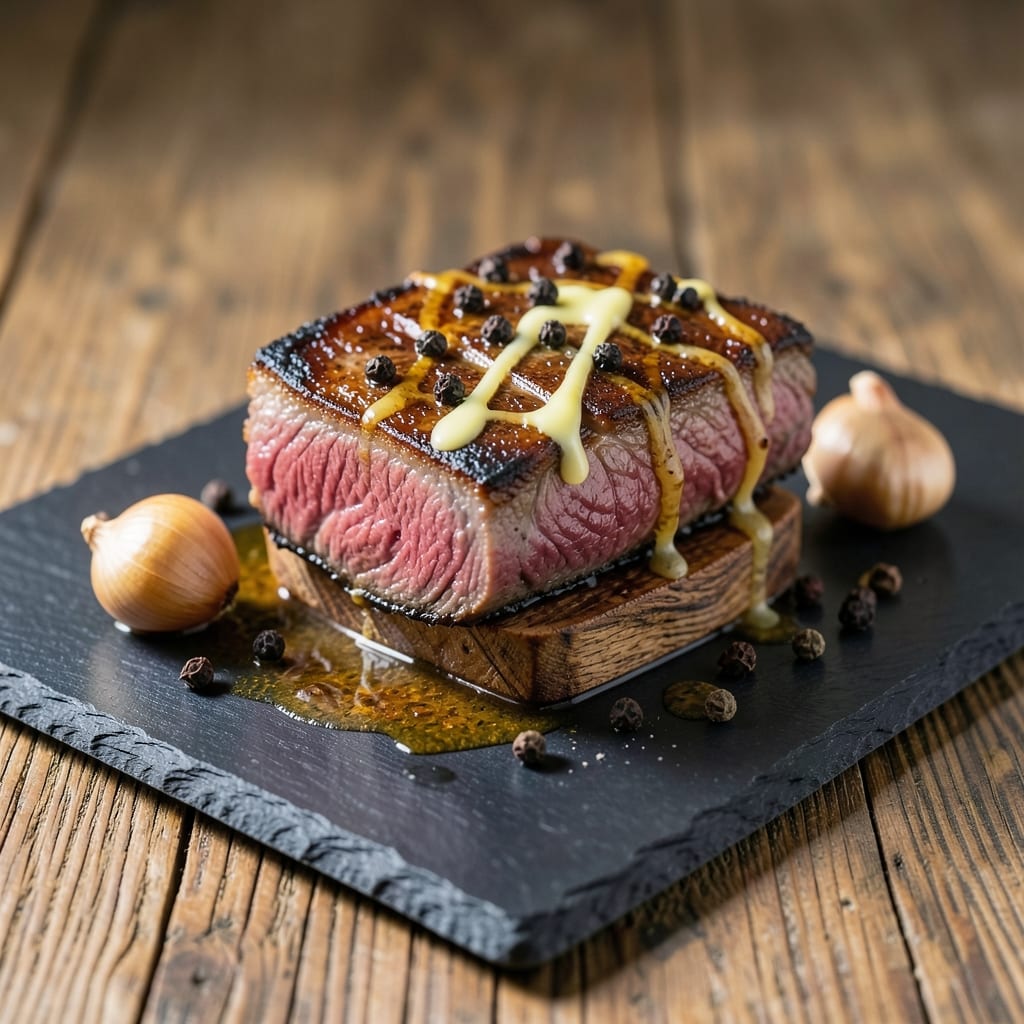
This Angus beef tenderloin recipe delivers melt-in-your-mouth perfection with a butter-basted crust that seals in every ounce of juiciness. The secret lies in precise temperature control and a simple technique that transforms a basic roast into a showstopping centerpiece. After years of perfecting this method, I can confidently say this is the only tenderloin recipe you'll ever need—whether you're cooking for a special occasion or treating yourself to a Sunday feast.
The process is straightforward but requires attention to detail: a hot sear creates a flavorful crust, while a gentle roast ensures the interior stays tender and pink. We're talking 45 minutes from start to finish, including resting time—far faster than you'd expect for such a luxurious cut. The key is maintaining a consistent internal temperature of 130°F for medium-rare, which guarantees that first bite of buttery, succulent beef that falls apart with just a fork.
What makes this recipe truly special is how it elevates simple sides into a complete meal. Picture golden roasted potatoes, caramelized onions, and a splash of red wine reduction drizzled over the plate—each element designed to complement the rich, beefy flavors. The butter basting doesn't just add flavor; it creates a glossy, caramelized crust that makes every slice look (and taste) like it came from a high-end steakhouse.
Pair it with a bold Cabernet Sauvignon or a crisp Chardonnay, and you've got a dinner that feels like a celebration without the fuss. The best part? This method works equally well for medium-rare, medium, or well-done—just adjust the time and temperature. Let's get to the step-by-step instructions where the magic happens.
Ingredients for angus beef tenderloin
Four ingredients make this luxurious cut shine—Angus beef, butter, salt, and patience. Everything else is just supporting the star.
| Ingredient | Amount | Notes |
|---|---|---|
| Angus Beef Tenderloin 🥩 | 2 lb | Center-cut, trimmed of silver skin |
| Unsalted Butter 🧈 | ½ cup | Cold, cut into 8 pieces |
| Kosher Salt 🧂 | 1 ½ tsp | Diamond Crystal preferred |
| Freshly Ground Black Pepper 🌶️ | 1 tsp | Cracked, not pre-ground |
| Garlic Cloves 🧄 | 6 cloves | Smashed, skin-on |
| Extra-Virgin Olive Oil 🫒 | 2 tbsp | High-quality, fruity |
| Fresh Rosemary 🌿 | ¼ cup | Needles finely chopped |
| Fresh Thyme 🌿 | ¼ cup | Leaves only, stems removed |
| Red Wine 🍷 | ¼ cup | Bold Cabernet Sauvignon |
| Yellow Onion 🧅 | 1 whole | Thinly sliced, caramelized |
| Russet Potatoes 🥔 | 2 lb | Cut into 1-inch cubes |
The tenderloin is non-negotiable here. Look for center-cut at D'Artagnan or local butcher shops—avoid pre-cut pieces with exposed silver skin, which can dry out. A 2-pound roast serves four generously, but if you're feeding a crowd, scale up. The butter matters too: European-style unsalted (like Plugrá) has more flavor than American brands. Keep everything cold until you're ready to sear—room temperature beef cooks unevenly. For the aromatics, fresh rosemary and thyme from the grocery store's produce section work fine, but if you've got a herb garden, snip the freshest sprigs you can find.
No red wine? Substitute with beef stock and a splash of balsamic vinegar—it mimics the acidity. Short on time? Pre-sliced onions from the salad bar save chopping, but caramelizing them yourself adds depth. The potatoes can be roasted ahead and reheated—just toss them with a little extra olive oil before storing. For the garlic, skin-on cloves are easier to smash with the flat side of your knife. And if you're worried about the beef drying out, don't be: the butter basting creates a protective crust that locks in moisture. Trust the process—this cut is forgiving if you nail the sear.
Butter basting is where the magic happens, so keep it handy. Cut the butter into small cubes—they'll melt faster and create a glossy crust. The roasted potatoes stay crispy for 2 days if stored in an airtight container, but the beef is best served immediately. If you must reheat, low oven (200°F) for 10 minutes keeps it tender. For leftovers, slice against the grain and serve on toasted baguette slices with a drizzle of the pan juices. The wine reduction? Save it for drizzling over the plate—it's liquid gold.
Why You'll Love This Recipe
- Foolproof Timing: I swear by this method—just let the roast sit at room temp while you preheat the oven, then 20 minutes later, you’re serving something that tastes like it simmered for hours. No last-minute stress, no rushed searing.
- Butter-Basted Magic: That rich, golden crust? Pure butter and black pepper working their magic while the tenderloin rests under foil. The garlic cloves tucked into the butter? They melt into the meat like a secret weapon—no fancy marinades needed.
- Weeknight or Weekend Hero: Slap this on the table for a Tuesday dinner and no one will question why you didn’t plan ahead. Or save the leftovers for sandwiches—trust me, the next day’s lunch becomes the talk of the office.
- Budget Luxury: Angus tenderloin feels fancy, but this recipe treats it like a star without the waste. A single roast feeds six, and the leftovers reheat beautifully—proof that special occasions don’t have to break the bank.
Step-by-step instructions for perfectly cooked Angus beef tenderloin
Here's how to transform your center-cut tenderloin into melt-in-your-mouth perfection with a rich herb crust.
Prep the Tenderloin and Season Generously
Remove the tenderloin from the refrigerator and pat it completely dry with paper towels. This drying step is crucial—it ensures maximum browning and crisping of the exterior. Place the tenderloin on a cutting board and make a small pocket in the center by gently pressing with your fingers. This pocket will hold our butter and herb mixture later.
In a small bowl, combine the 0.5 cup unsalted butter, 0.25 cup finely chopped fresh rosemary, 0.25 cup fresh thyme, 1.5 tsp kosher salt, and 1 tsp freshly ground black pepper. Rub this mixture all over the tenderloin, pressing firmly to ensure it adheres completely. Then, stuff the remaining mixture into the pocket you created. This butter basting technique guarantees a succulent interior and a flavorful crust.
Sear the Tenderloin for Maximum Flavor
Heat a heavy oven-safe skillet over medium-high heat and add the 2 tbsp extra-virgin olive oil. Once the oil shimmers, carefully place the tenderloin in the skillet, fat-side up. Let it sear undisturbed for 5-6 minutes until a deep golden-brown crust forms. This initial sear locks in juices and develops that irresistible caramelized exterior.
Flip the tenderloin and sear the other side for another 5-6 minutes. The butter will begin to melt and baste the meat as it cooks. You'll know it's ready when the crust is beautifully browned and the internal temperature reaches 125°F on a meat thermometer. This medium-rare stage ensures maximum tenderness while maintaining perfect juiciness.
Roast to Perfect Medium-Rare
Preheat your oven to 425°F. Transfer the skillet with the tenderloin to the preheated oven and roast for 15-20 minutes, or until the internal temperature reaches 130°F for medium-rare. The residual heat from the skillet helps maintain an even temperature throughout cooking. This high heat ensures a perfect sear while keeping the interior tender.
Here's the thing—don't overcook. The tenderloin will continue to rise in temperature as it rests, so pull it out when it reaches 130°F. If you prefer medium, aim for 140°F. The key is patience; let the meat rest before slicing to ensure those juices stay inside where they belong.
Prepare the Potato Accompaniment
While the tenderloin roasts, prepare the potatoes. In a large bowl, toss the 2 lb cubed russet potatoes with 1 tbsp olive oil, 0.5 tsp salt, and 0.25 tsp black pepper. Spread them out on a parchment-lined baking sheet in a single layer. Roast at 425°F for 25-30 minutes, flipping halfway through, until golden brown and crispy.
In the last 5 minutes of roasting, add the 1 whole thinly sliced yellow onion to the skillet with the potatoes. This caramelization adds a sweet depth of flavor that perfectly complements the rich beef. The potatoes should be crisp on the outside and tender on the inside—just like you like them.
Rest and Slice for Maximum Juiciness
Remove the tenderloin from the oven and transfer it to a cutting board. Tent loosely with foil and let it rest for 10-15 minutes. This resting period is absolutely critical—it allows the juices to redistribute throughout the meat, preventing them from pooling on your plate when you slice.
Slice the tenderloin against the grain into ½-inch thick slices. The grain runs lengthwise, so you'll see lines running through the meat. Serve immediately with the crispy potatoes and caramelized onions. Each bite should deliver that perfect balance of tender beef, rich herb butter, and crispy potato—this is what makes this recipe truly exceptional.
Pro Tips For Making Angus Beef Tenderloin
- Use a Meat Thermometer: Skip guessing—Angus tenderloin hits 130°F for medium-rare (135°F for medium). I learned this the hard way after slicing into a dry cut that was "just done." The thermometer’s probe goes in the thickest part, away from fat. Trust it, even if you’re impatient. ---
- Salt the Butter Generously: Unsalted butter needs extra salt—about 1 tsp per ½ cup. I used to skimp, and the flavor felt flat. Crush 2-3 garlic cloves into the butter too; it melts faster and adds depth without overpowering. Mix it well before adding to the pan. ---
- Sear in Batches: One tenderloin can crowd a pan, lowering heat and steaming instead of searing. Cut it in half lengthwise if needed—this gives you crispy crusts on all sides. After the first sear, flip and repeat on the second side. No, it’s not pretty, but it works. ---
- Rest Under Foil: After roasting, tent loosely with foil and let it rest 10-15 minutes. I used to skip this, and the juices pooled out when I cut, leaving dry slices. The foil keeps it warm while the meat reabsorbs juices—your future self will notice the difference.
Dietary considerations for this angus beef tenderloin
Gluten-Free Adaptations
This recipe is naturally gluten-free, but watch for hidden gluten in ingredients like beef stock or wine reduction if you're using store-bought versions. Always choose certified gluten-free options—like Annie's gluten-free beef stock or Freixenet Cordon Negro gluten-free wine. The butter basting and herb crust remain completely gluten-free, so you can enjoy this luxurious cut without worry. 🌱
Low-Carb Modifications
For a low-carb version, skip the potatoes entirely and serve the tenderloin with a side of cauliflower mash or a simple green salad with avocado slices. The caramelized onions can stay if you're careful with portion sizes—just reduce them to ½ cup instead of a whole onion. The rich beef and butter flavors shine even without carbs. ✨
Dairy-Free Substitutions
Replace the unsalted butter with olive oil or dairy-free butter (like Miyoko's) for a dairy-free version. Use 2 tbsp olive oil instead of butter in the basting mixture, and reduce the oil slightly when searing to avoid excess greasiness. The flavor profile stays rich and satisfying—just slightly lighter. 🧈
Allergen-Friendly Tips
If you're avoiding sulfites, use a sulfite-free red wine like Bogle Vineyards Cabernet Sauvignon. For nut-free kitchens, ensure your butter and olive oil are processed in nut-free facilities. The recipe's simplicity makes it easy to adapt for most allergens while keeping the dish's luxurious texture intact. 💪
Protein-Packed Adjustments
For an extra protein boost, add sliced mushrooms to the potato pan during the last 10 minutes of roasting. They'll absorb the beefy flavors beautifully. If you're watching calories, reduce the butter to ¼ cup and increase the olive oil slightly for moisture. The tenderloin's natural protein content makes this a satisfying meal on its own. 💛
Nutrition facts
Frequently asked questions
How do I know when the tenderloin is fully cooked?
Use a meat thermometer for accuracy. For medium-rare, pull it at 130°F internal temperature. For medium, aim for 140°F, and 150°F for well-done. The meat will rise 5°F while resting, so don't overcook! The crust should be golden-brown and crispy.
Can I cook this recipe without an oven?
Yes! For a stovetop version, sear the tenderloin in a heavy skillet over medium-high heat until browned, then reduce heat to medium-low and cover. Cook for 15-20 minutes total, checking with a thermometer. Baste frequently with melted butter and herbs. The texture will be slightly different but still delicious.
Why does the recipe call for resting the meat?
Resting (for 10-15 minutes) lets the juices redistribute evenly throughout the meat. When you slice immediately, they pool on your plate instead of staying inside where they belong. This keeps every bite perfectly moist and flavorful. Think of it as letting the beef "relax" before serving.
What's the best way to reheat leftovers?
Slice the tenderloin against the grain and reheat in a 200°F oven for 10 minutes with a splash of beef broth. Avoid microwaving—it makes the meat tough. For potatoes, reheat separately at 375°F for 5-10 minutes to crisp them back up. Leftovers keep well for 3 days in the fridge.
How do I adjust this for a larger crowd?
Scale the recipe proportionally: a 4-pound tenderloin serves 6-8. Increase the butter to 1 cup total and double the herbs. Use two skillets if needed, and roast both tenderloins on the same tray for even heat. For sides, multiply potatoes by 1.5x and onions by 2x. Cooking time remains similar—just monitor with a thermometer.