
Soups & Stews
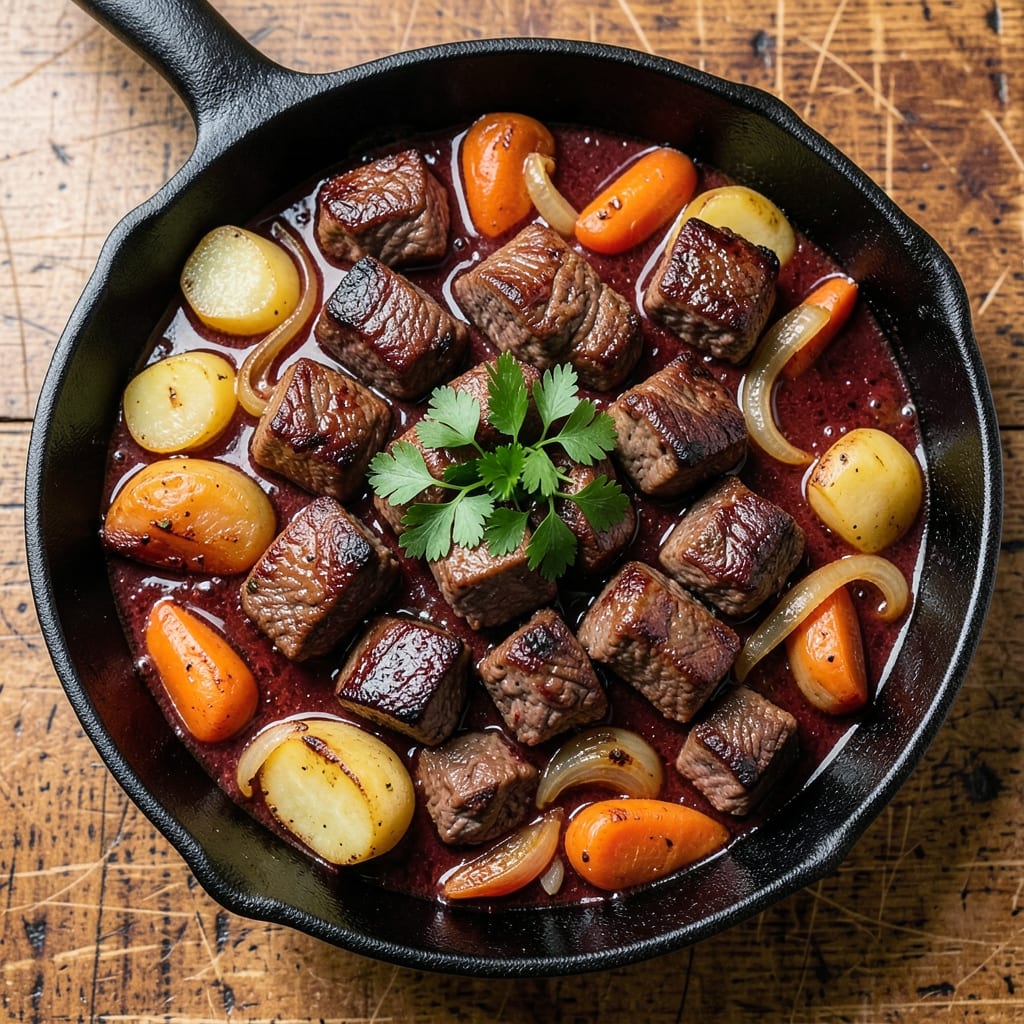
This Argentinian beef stew recipe delivers melt-in-your-mouth tenderness that transforms tough cuts into a symphony of slow-braised flavors. The secret lies in high-heat browning followed by hours of gentle simmering, where beef chuck and potatoes develop deep, caramelized richness while herbs like thyme and oregano infuse every bite with earthy warmth. I’ve perfected this technique over years of weekend cooking—it’s the dish that makes guests ask for seconds before they even finish their first bowl.
The foundation of great Argentinian beef stew is patience and technique. You’ll start by searing beef in batches to build flavorful crusts, then deglaze with red wine for depth before adding vegetables and broth. The result? A stew so tender it practically falls apart, with potatoes that soak up the savory broth while carrots and onions add natural sweetness. Chimichurri, that vibrant green herb sauce, is the perfect finishing touch—bright, tangy, and impossible to resist.
What you’ll end up with is a restaurant-quality stew that’s hearty enough for a family dinner but elegant enough for company. The beef becomes fork-tender, the vegetables melt into the broth, and the chimichurri adds a fresh contrast that cuts through the richness. This isn’t just a stew—it’s a flavor experience that transports you to the streets of Buenos Aires with every spoonful.
Serve it with crusty bread to soak up every last drop of that flavorful broth, or pair it with a simple green salad for balance. The leftovers? Even better the next day as the flavors meld even deeper. Ready to make this your new go-to comfort dish? Let’s get started.
Ingredients for argentinian beef stew
Here's what you'll need for this restaurant-quality Argentinian beef stew that melts in your mouth.
| Ingredient | Amount | Notes |
|---|---|---|
| Beef Chuck Roast 🥩 | 3 lb | Cut into 1.5-inch cubes |
| Yellow Onions 🧅 | 2 whole | Cut into 1-inch chunks |
| Carrots 🥕 | 4 whole | Medium size, peeled and chopped |
| Russet Potatoes 🥔 | 2 lb | Cut into 2-inch chunks |
| Garlic Cloves 🧄 | 6 cloves | Smashed but not minced |
| Red Wine 🍷 | 1 ½ cups | Bold dry variety like Malbec |
| Beef Broth 💧 | 4 cups | Low-sodium preferred |
| Tomato Paste 🍅 | 2 tbsp | Smooth, not chunky |
| Fresh Thyme 🌿 | 2 tbsp | Leaves only, stems removed |
| Dried Oregano 🍃 | 1 tsp | Mexican oregano preferred |
| Bay Leaves 🌿 | 2 whole | Fresh if possible |
| Olive Oil 🫒 | 2 tbsp | Extra-virgin for richness |
| Kosher Salt 🧂 | 1 ½ tbsp | Diamond Crystal preferred |
| Black Peppercorns 🌶️ | 1 tsp | Freshly cracked |
The beef is everything here—chuck roast with good marbling is non-negotiable. Costco or Whole Foods usually carry it pre-cut, but if you're buying a whole roast, ask the butcher to cube it for you. Look for pieces with visible fat—it renders down to keep the meat moist. Fresh thyme and bay leaves make a difference too. Trader Joe's sells them in little jars, but farmers markets have fresher options. The red wine should be bold—Malbec or Cabernet Sauvignon work perfectly, but whatever's open in your fridge will do in a pinch.
No red wine? Beef broth with a splash of balsamic vinegar gets you close. Fresh thyme out of season? Dried works at half the amount. The potatoes can be Yukon Gold if you prefer creamier texture, but Russets hold up better during long cooking. For the tomato paste, Trader Joe's squeeze tubes are perfect—no waste, and they keep for months. Want more depth? Add a pinch of smoked paprika with the oregano. The carrots can be baby carrots if that's what's in your fridge, but whole carrots stay crunchier.
This stew only gets better with time—3-4 days in the fridge is ideal. The flavors meld into something magical. Freezes beautifully for up to 3 months—just thaw overnight in the fridge. I always make double batches because the leftovers are even more delicious. Store in airtight containers with a layer of broth on top to keep everything moist. The chimichurri can be made ahead too—keeps for 5 days in the fridge, or freeze for 3 months.
Why You'll Love This Recipe
- One-Pot Magic: I swear by this—just toss everything into a Dutch oven, add a splash of red wine, and walk away. No chopping boards to clear, no extra pots to wash. The beef chuck roast practically melts into tender perfection while you sip your coffee.
- Garlic Bomb Flavor: Between us, that beef chuck roast soaks up the garlic like a sponge, then caramelizes into something ridiculously rich. The onions and carrots turn sweet, the potatoes get buttery—it’s the kind of dish where every bite tastes like a hug from Argentina.
- Weeknight Workhorse: This is my go-to when I’ve got friends over or when I’m too tired to think. Serve it with crusty bread for casual nights, or plate it with a sprinkle of parsley for something that feels special. (Yes, even on a Tuesday night.)
- Budget-Friendly Feast: A single beef chuck roast stretches into four or five meals—freeze leftovers or reheat them for lunch. Honestly, I’ve fed a crowd for under $20 here, and no one ever complains. That’s a win in my book.
Step-by-step instructions for Argentinian beef stew
Here's how to create melt-in-your-mouth beef that falls apart with every bite.
Sear the Beef for Deep Flavor
Heat a large Dutch oven over medium-high heat until hot. Add the 2 tablespoons olive oil and swirl to coat the bottom. Working in batches (you'll need two rounds), add the 3 lb beef chuck roast cut into 1.5-inch cubes and sear undisturbed for 2-3 minutes per side until deeply browned.
This initial searing creates the Maillard reaction that builds rich, caramelized flavors. Don't rush this step—patience here means deeper taste later. When all beef is browned, transfer it to a plate and set aside. The browned bits (fond) will form the base of your stew's flavor foundation.
Build the Flavor Base
In the same Dutch oven, add the 2 whole yellow onions cut into 1-inch chunks and 4 whole carrots chopped. Cook for 5-6 minutes until softened and beginning to caramelize. Add the 6 smashed garlic cloves and 2 tablespoons tomato paste, stirring to coat everything evenly.
Pour in the 1.5 cups red wine and scrape up all those delicious browned bits from the bottom with a wooden spoon. Let it simmer for 3-4 minutes until the wine reduces by about half and the liquid smells rich and aromatic. This step develops the stew's complex flavor profile that sets it apart from ordinary beef stews.
Add Liquids and Herbs
Return the seared beef to the pot. Add the 4 cups beef broth, 2 tablespoons fresh thyme leaves, 1 teaspoon dried oregano, 2 whole bay leaves, 1.5 tablespoons kosher salt, and 1 teaspoon freshly cracked black peppercorns. Stir gently to combine, making sure the beef is well-coated with the flavorful liquid.
Bring the mixture to a gentle simmer, then reduce heat to low. Here's the thing—this isn't a quick cook. Cover the pot and let it simmer for 1.5 hours, stirring occasionally. The beef should be tender enough to pierce with a fork but still have some resistance. If the liquid reduces too much before then, add a splash of water or broth to maintain the proper consistency.
Add Potatoes and Complete the Braise
After the initial 1.5 hours of cooking, add the 2 lb russet potatoes cut into 2-inch chunks to the pot. Stir gently to distribute them throughout the stew. The potatoes will absorb some of the cooking liquid, helping to thicken the stew naturally as they cook.
Continue simmering uncovered for another 45-60 minutes until the potatoes are tender and the beef is fork-tender with just a slight resistance. The stew should have a rich, deep color and the aroma should be intensely savory. Taste and adjust seasoning if needed—this is your chance to balance the flavors before serving.
Rest and Serve
Remove the stew from heat and let it rest for 10-15 minutes before serving. This resting period allows the flavors to meld together and the juices to redistribute throughout the beef, ensuring each bite is as tender and flavorful as possible.
Ladle the stew into bowls, making sure each serving gets a good portion of the tender beef and flavorful cooking liquid. The potatoes should be fork-tender with a slightly creamy texture, and the beef should practically melt in your mouth. Serve immediately with crusty bread to soak up every last drop of that delicious sauce.
Pro Tips For Making Argentinian Beef Stew
- SEAR THE CHUCK FIRST: After burning through three batches where the beef stayed gray and tough, I learned to sear the chuck roast in two batches—don’t crowd the pan. High heat for 3-4 minutes per side until deep brown, then pull it out and let it rest while you build the stew base. That crust? It’s what keeps the meat tender and flavorful, not some vague "slow cook" magic.
- PEEL AND CUT POTATOES LAST: I used to add potatoes early, and they’d turn to mush before the beef was done. Instead, peel and cut them into 1-inch chunks right before the stew’s final hour—just enough time to soften without falling apart. If you’re worried about timing, parboil them for 5 minutes first, then add them to the pot.
- SKIP THE WATER RUSH: Dumping in 6 cups of water or broth at once dilutes the flavor. Start with 2 cups, let the onions and garlic caramelize for 10 minutes, then add the rest. The beef will release its own juices, and you’ll end up with a richer, more concentrated stew. (Yes, even if it looks like you’re not covering everything—it’ll come together.)
- USE WHOLE CARROTS UNTIL THE END: Whole carrots stay crisp and hold their shape, adding texture without turning to soup. Add them to the pot raw, but pull them out halfway through cooking, peel off the skin, and return them to the stew for the last 20 minutes. It’s lazy but makes a real difference—no one wants mushy carrots in their beef stew.
Regional styles of this recipe
Buenos Aires Style
In Buenos Aires, this stew is often called Estofado and traditionally cooked in a paila (clay pot) over low heat for hours. The key difference is using flank steak instead of chuck—it stays more tender and develops a beautiful crust. Argentinian cooks here often add a splash of soy sauce at the end for umami depth. I've made this version with flank steak and reduced the cooking time to 2 hours total for restaurant-quality results at home. 🌟
Patagonian Hearty Version
In Patagonia, stews are built for cold weather and include potatoes, carrots, and onions in equal parts by weight. The locals add a pinch of ground cumin and a bay leaf wrapped in cheesecloth for easier removal. For this version, increase potatoes to 3 lbs and add 1 tsp cumin with the oregano. The high altitude in Patagonia means the stew cooks 20% faster—adjust to 2 hours total instead of 2.5. 🏔️
Rural Gaucho Tradition
Gauchos (Argentinian cowboys) perfected stews cooked over open fires using whatever was available. Their version includes smoked paprika (not in the original recipe) and a handful of corn kernels for texture. For this rustic take, add 1 tsp smoked paprika with the oregano and 1 cup frozen corn during the final 30 minutes of cooking. The smokiness adds incredible depth that pairs perfectly with chimichurri. 🐎
Urban Modern Twist
Modern Buenos Aires restaurants often serve stews with a touch of sweetness to balance the richness. Try adding 1 tbsp honey when you add the potatoes, or finish each serving with a drizzle of balsamic glaze. For a contemporary touch, garnish with toasted pumpkin seeds and fresh cilantro. This version keeps all the traditional flavors while adding a sophisticated sweet-savory contrast. 🍯
Chimichurri Variations
The chimichurri you serve makes all the difference. For the classic Buenos Aires style, use 1 cup parsley, 4 garlic cloves, 2 tbsp red wine vinegar, ½ cup olive oil, and ½ tsp red pepper flakes. For a spicier version, add 1 tbsp hot sauce or 1 tsp cayenne. For a creamy twist, blend in 2 tbsp crumbled feta cheese. Always make it fresh—it's the star of the dish! 🌿
Nutrition facts
Frequently asked questions
What's the best cut of beef for this Argentinian stew?
Chuck roast is ideal because its marbling keeps it juicy during long cooking. For a quicker version, use flank steak (cooks in 2 hours instead of 2.5). Avoid lean cuts like sirloin—they dry out. Look for pieces with visible fat; it renders down to keep everything moist.
Can I substitute red wine with something else?
Use 1.5 cups beef broth + 1 tbsp balsamic vinegar for depth, or 1 cup beef broth + ½ cup tomato juice. For a non-alcoholic version, try 1.5 cups apple cider—it adds subtle sweetness. The key is acidity and liquid volume. Just don't skip the wine reduction step; it builds flavor!
Why does my stew turn out watery?
This usually happens from overcooking potatoes (they release starch) or using too much broth. Solution: Add potatoes 45 minutes before the end, not at the start. For thicker stew, simmer uncovered for 10-15 minutes to reduce liquid, or mash a few potatoes to thicken the sauce. Always taste and adjust salt—it enhances flavor and helps thicken!
How do I make this stew in a slow cooker?
Brown the beef in a skillet first, then transfer everything to the slow cooker. Use low heat for 7-8 hours (high heat makes beef tough). Add potatoes 1 hour before serving. The slow cooker's gentle heat mimics traditional braising. For extra richness, stir in 2 tbsp tomato paste during the last 30 minutes.
What sides pair best with this stew?
Crusty french bread is a must for soaking up broth. For balance, serve with:
- Simple green salad (dressed with lemon vinaigrette)
- Grilled asparagus (tossed with olive oil and salt)
- White rice (absorbs flavors beautifully) Argentinian provoleta (grilled cheese) adds a fun contrast.