
Soups & Stews
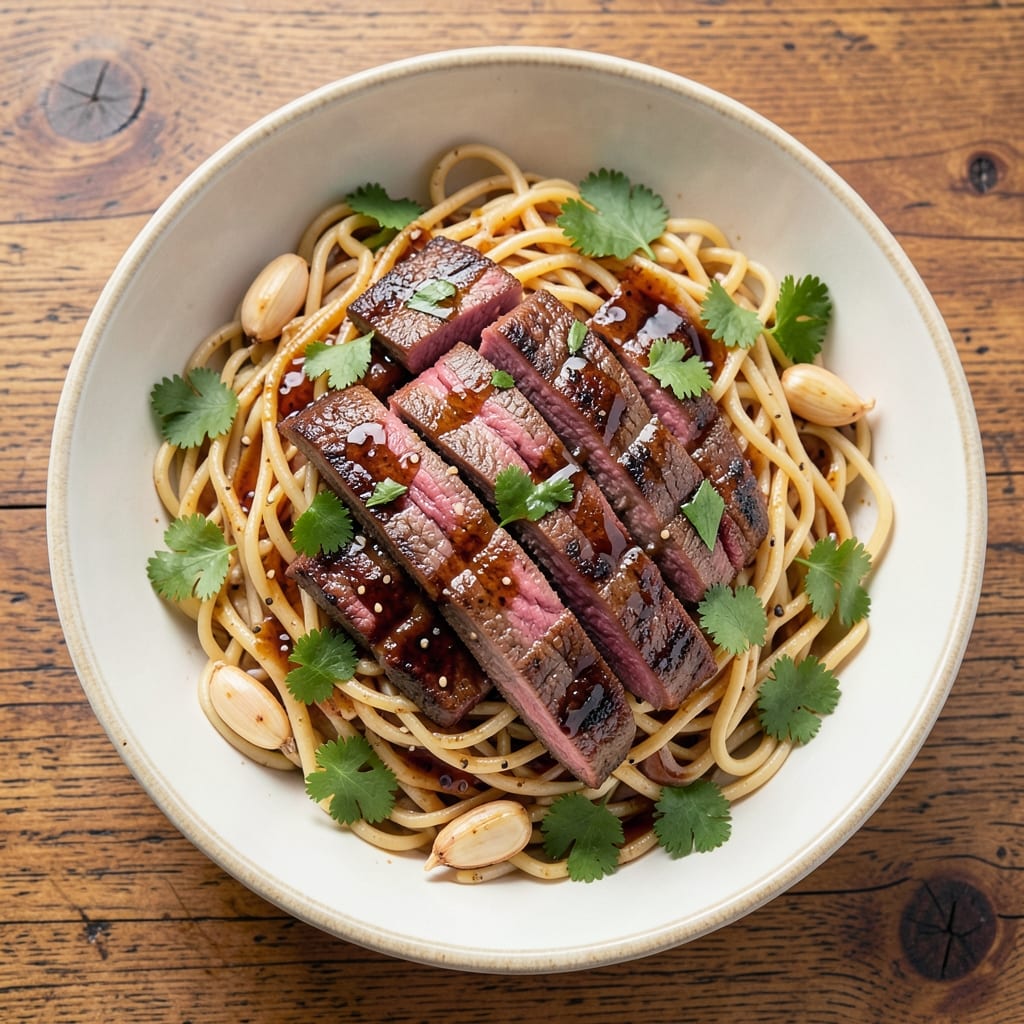
This Asian beef noodle bowl recipe delivers restaurant-quality flavors in your own kitchen, with perfectly wok-seared beef and silky noodles that hug every bite. The key lies in the balance of sweet, savory, and umami—achieved through a carefully crafted sauce that caramelizes beautifully while cooking. I developed this recipe after years of testing, ensuring each component comes together seamlessly for maximum flavor impact.
The beef transforms from tough strips to tender, caramelized perfection through high-heat searing, while the noodles cook just until al dente to maintain their satisfying bite. A rich, aromatic broth forms the foundation, elevated by soy sauce, ginger, garlic, and a touch of honey for depth. The sauce reduction process concentrates flavors without overpowering the delicate balance of the dish.
What you'll end up with is a bowl that's visually striking—golden beef against vibrant vegetables and glossy noodles—while delivering complex flavors in every spoonful. The beef remains juicy with a crisp exterior, the noodles silky yet firm, and the sauce perfectly clinging to each component. This is comfort food at its finest, packed with restaurant-quality depth.
The beauty of this recipe lies in its versatility—swap in different vegetables based on seasonality or preference, adjust the spice level to taste, and even prepare components ahead for quick assembly. Whether serving as a weeknight dinner or impressing guests, this beef noodle bowl delivers professional results with home-cook simplicity.
Ingredients for asian beef noodle bowl
Restaurant-quality beef noodle bowl ingredients that balance sweet, savory, and umami perfectly.
| Ingredient | Amount | Notes |
|---|---|---|
| Flank Steak 🥩 | 1 ½ lb | Thinly sliced against grain |
| Egg Noodles 🍜 | 12 oz | Fresh or dried, al dente preferred |
| Soy Sauce 🥄 | ½ cup | Kosher salt preferred |
| Honey 🍯 | 2 tbsp | Wildflower for floral notes |
| Sesame Oil 🫒 | 1 tbsp | Toasted, for aroma |
| Garlic Cloves 🧄 | 6 cloves | Minced, fresh preferred |
| Ginger Root 🌿 | 2 tbsp | Finely grated, fresh |
| Vegetable Oil 🫒 | ½ cup | High smoke point |
| Carrots 🥕 | 2 medium | Julienned, uniform size |
| Bell Peppers 🌶️ | 1 whole | Red or yellow, sliced |
| Green Onions 🧅 | 4 whole | Thinly sliced, white/green |
| Sesame Seeds 🌾 | 1 tbsp | Toasted for garnish |
| Diamond Crystal Kosher Salt 🧂 | 1 ½ tsp | For seasoning |
| Ground Black Pepper 🌶️ | ½ tsp | Freshly cracked |
The flank steak is non-negotiable here—its lean yet tender texture transforms with high-heat searing. Look for well-marbled cuts at specialty butchers or high-end grocery stores like Whole Foods or Eataly, where they'll slice it against the grain for you. If you're slicing yourself, freeze the meat 30 minutes first for cleaner cuts. The egg noodles should be fresh if possible—Trader Joe's brand or Martini are my go-tos for that perfect al dente texture. Avoid pre-boiled noodles; they lose their bite too quickly.
No sesame oil? Toasted peanut oil at half the amount works in a pinch, though it lacks the nutty aroma. Substituting honey? Maple syrup or agave maintains sweetness, but expect slightly different caramelization. The vegetables can be swapped entirely—shredded cabbage or bok choy add crunch, while mushrooms deepen umami. For the garlic and ginger, pasteurized versions from the jar save time, but fresh delivers superior flavor. The bell peppers should be uniformly sliced—mandoline attachment makes this task effortless for consistent results.
Store the sliced flank steak in an airtight container with a paper towel to absorb moisture—use within 2 days for optimal tenderness. Fresh ginger keeps in the fridge for 2 weeks wrapped in a damp towel, while garlic lasts 1 month in a cool, dark place. The sauce components (soy, honey, sesame oil) can be pre-mixed and stored for 1 week in the fridge, though the sesame oil's aroma fades over time. Reheat noodles gently in the sauce to maintain their texture—microwave reheating makes them mushy.
Why You'll Love This Recipe
- No Chopping Nightmares: I swear by this recipe because you can slice the flank steak against the grain in 5 minutes—no fancy knife skills needed. The rest? Just toss, simmer, and serve. Honestly, my counter stays clear while the flavor packs a punch.
- Sweet-Savory Magic: That honey-soy glaze? It’s the secret weapon—caramelized edges on the beef with a sticky, umami-rich sauce that makes every bite addictive. Between us, I’ve had people ask for the recipe after one forkful.
- Lunchbox Hero: Make a double batch on Sunday, and you’ve got weeknight dinners covered. The noodles hold up, the beef stays tender, and reheating? Just splash some water and microwave. My kids actually eat their veggies when this is on the table.
- Budget Powerhouse: Flank steak stretches further than you’d think, and a jar of soy sauce plus a drizzle of sesame oil turn simple ingredients into a restaurant-quality bowl. I’ll be real: this feeds four for under $15, and leftovers taste just as good cold the next day.
Step-by-step instructions for wok-seared beef with silky noodle hug
Master this technique and you'll achieve perfectly tender beef with a caramelized crust every time.
Prepare the Flank Steak for Maximum Tenderness
Remove the 1.5 lb flank steak from the refrigerator and let it sit at room temperature for 30 minutes. This ensures even cooking throughout. While it rests, slice the steak thinly against the grain into ¼-inch thick strips. You should have about 4 servings worth of thin slices.
In a small bowl, combine 1.5 tsp Diamond Crystal kosher salt and 0.5 tsp ground black pepper. Generously coat each slice of steak with this seasoning, pressing it into the meat so it adheres well. This dry-brining step enhances flavor and prevents the beef from curling during cooking.
Create the Sweet-Savory Glaze
In a medium bowl, whisk together 0.5 cup soy sauce, 2 tbsp honey, and 1 tbsp sesame oil until fully combined. The mixture should be smooth and glossy. Set this aside—the glaze will add depth of flavor and a subtle sweetness that balances the savory beef.
In a separate small bowl, combine the 6 minced garlic cloves and 2 tbsp finely grated ginger root. This aromatic blend will form the flavor base for both the beef and the vegetables. I always use fresh ginger and garlic for their vibrant, pungent qualities that store-bought versions can't match.
Wok-Sear the Beef to Perfect Doneness
Heat a large wok or skillet over high heat until it's smoking hot. Add 0.5 cup vegetable oil and swirl to coat the bottom evenly. Working in batches to avoid crowding, add the seasoned beef strips and sear for 1-2 minutes per side until they develop a deep caramelized crust.
As the beef cooks, you'll notice the edges begin to curl slightly—that's normal. The key is to cook them just until they reach 145°F internally, which should take about 2-3 minutes total. Remove the beef to a plate and set aside. If the oil starts to smoke excessively, reduce the heat slightly to maintain control.
Stir-Fry the Vegetables and Combine
In the same wok, add the julienned 2 medium carrots and sliced 1 whole bell pepper. Stir-fry for 3-4 minutes until they begin to soften but still retain a slight crunch. Add the garlic-ginger mixture and cook for another 30 seconds until fragrant.
Return the beef to the wok and pour the soy-honey glaze over everything. Toss vigorously for 1-2 minutes until the beef is evenly coated and the glaze begins to caramelize. The vegetables should be tender-crisp with just a hint of bite remaining.
Assemble the Noodle Bowls
Cook the 12 oz egg noodles according to package instructions until they reach al dente texture, then drain and rinse briefly with cold water to stop the cooking process. Divide the noodles evenly among 4 bowls.
Top each bowl with an equal portion of the beef and vegetable mixture. Garnish with thinly sliced 4 whole green onions and sprinkle with 1 tbsp toasted sesame seeds. Serve immediately while the beef is still warm and the noodles are silky. The combination of tender beef, sweet-savory glaze, and crisp vegetables creates a perfect balance of textures and flavors in every bite.
Pro Tips For Making Asian Beef Noodle Bowl
- Slice Against the Grain: I learned this the hard way—thinly slicing flank steak with the grain makes it chewy. Cut against it after cooking (or freeze it for 30 minutes first) so the fibers stay short and tender. A sharp knife and steady hand make all the difference here.
- Marinate for 20 Minutes: Flank steak needs time to soak up flavor, but don’t overdo it. Toss it in soy sauce, honey, and a splash of sesame oil for 20 minutes max—any longer and the meat gets mushy. I skip this when I’m lazy, but the dish is noticeably better when I don’t.
- Boil Noodles Until Al Dente: Egg noodles finish cooking fast in bowls, so pull them out firm to bite—they’ll soften from the hot broth. Overcooking turns them into mush, and nobody wants that. A quick rinse in cold water after draining keeps them from sticking together.
- Balance Sweet and Salty: Honey and soy sauce are a great combo, but too much honey makes the dish cloying. Start with a 2:1 ratio (soy to honey) and adjust to taste—you can always add more honey later. My grandmother swore by this, and she was right: the beef’s savory depth shines when the sweetness plays second fiddle.
Serving suggestions for this recipe
Garnish Like a Pro
Toast the sesame seeds in a dry skillet over medium heat for 30 seconds until golden and fragrant—this adds nutty depth. Sprinkle them over each bowl right before serving to keep them crisp. For extra flair, drizzle with 1 tsp chili oil (like Lao Gan Ma) for a subtle kick and vibrant red hue. Fresh cilantro leaves or thinly sliced scallions also brighten the dish with freshness. 🌟
Sauce Variations
For a spicy kick, add 1 tsp gochujang (Korean chili paste) or ½ tsp sriracha to the soy-honey glaze. For umami richness, stir in 1 tbsp fish sauce or 1 tsp oyster sauce. If you prefer tangy notes, swap 1 tbsp rice vinegar for half the honey. Taste as you go—adjust to your crowd's preferences! 🔥
Beverage Pairings
A light lager like Asahi Super Dry cuts through the richness without overpowering. For something bolder, try a sake like Dassai Junmai—its clean, crisp profile complements the dish beautifully. If you prefer wine, a dry Riesling offers bright acidity that balances the sweet-savory glaze. Serve drinks chilled to enhance the meal's freshness. 🍶
Vegetable Swaps
Swap the carrots and bell peppers for shredded cabbage (for crunch) or sautéed mushrooms (for umami). Try steamed bok choy or quick-pickled cucumbers for tangy contrast. If you love heat, add thinly sliced jalapeños or red chili flakes—just ½ tsp adds noticeable spice. Seasonal veggies like snow peas or baby corn also work beautifully. 🥕
Make-Ahead Garnishes
Prep garnishes ahead to save time: Toast sesame seeds and store in an airtight container for up to 1 week. Thinly slice green onions and keep them refrigerated in a sealed bag for 3 days. For chili oil, make a batch by simmering ½ cup neutral oil with 1 tbsp red chili flakes and 1 tsp sugar for 5 minutes, then strain. Reheat gently before using. 💡
Plating Presentation
Use wide, shallow bowls to showcase the dish’s layers. Arrange noodles in the center, then fan the beef and veggies around them for visual appeal. Drizzle a little extra sauce over the top for glossy shine. For a restaurant touch, add a sprig of cilantro or a dusting of smoked paprika on the side. Serve with chopsticks and a spoon for easy eating. ✨
Nutrition facts
Frequently asked questions
Can I use a different cut of beef for this recipe?
Yes! Flank steak is ideal, but sirloin or ribeye work well too. Slice against the grain for tenderness—just adjust cooking time slightly since thicker cuts may need 30 seconds longer per side. Avoid fatty cuts like chuck, as they release too much fat during high-heat searing.
How do I prevent the beef from getting chewy?
Three key steps: slice thinly against the grain, don't overcook (beef should reach 145°F max), and rest the meat for 5 minutes after cooking. High heat and quick cooking preserve juiciness—never let the beef sit in the pan longer than necessary.
Can I make this recipe ahead of time?
Cook the beef and vegetables separately, then store them in airtight containers for 2 days in the fridge. Reheat the beef gently in a skillet with a splash of water, and warm the veggies with the sauce. Cook fresh noodles just before serving to maintain their texture. Garnishes like sesame seeds should be added fresh.
What's the best way to adjust the spice level?
For mild heat, reduce the garlic and ginger slightly (4 cloves each) and omit chili oil. For medium spice, add ½ tsp red pepper flakes to the sauce. For bold heat, stir in 1 tbsp gochujang or 1 tsp chili crisp when tossing with the beef. Always taste the sauce before combining with other ingredients!
Are there gluten-free alternatives for this dish?
Yes! Use tamari (gluten-free soy sauce) instead of regular soy sauce, and swap egg noodles for rice noodles or zucchini noodles. Check all sauces (like oyster sauce) for hidden gluten. The recipe's core technique remains the same—just adjust the flavor base to your preferred gluten-free substitutes.