
Main Courses
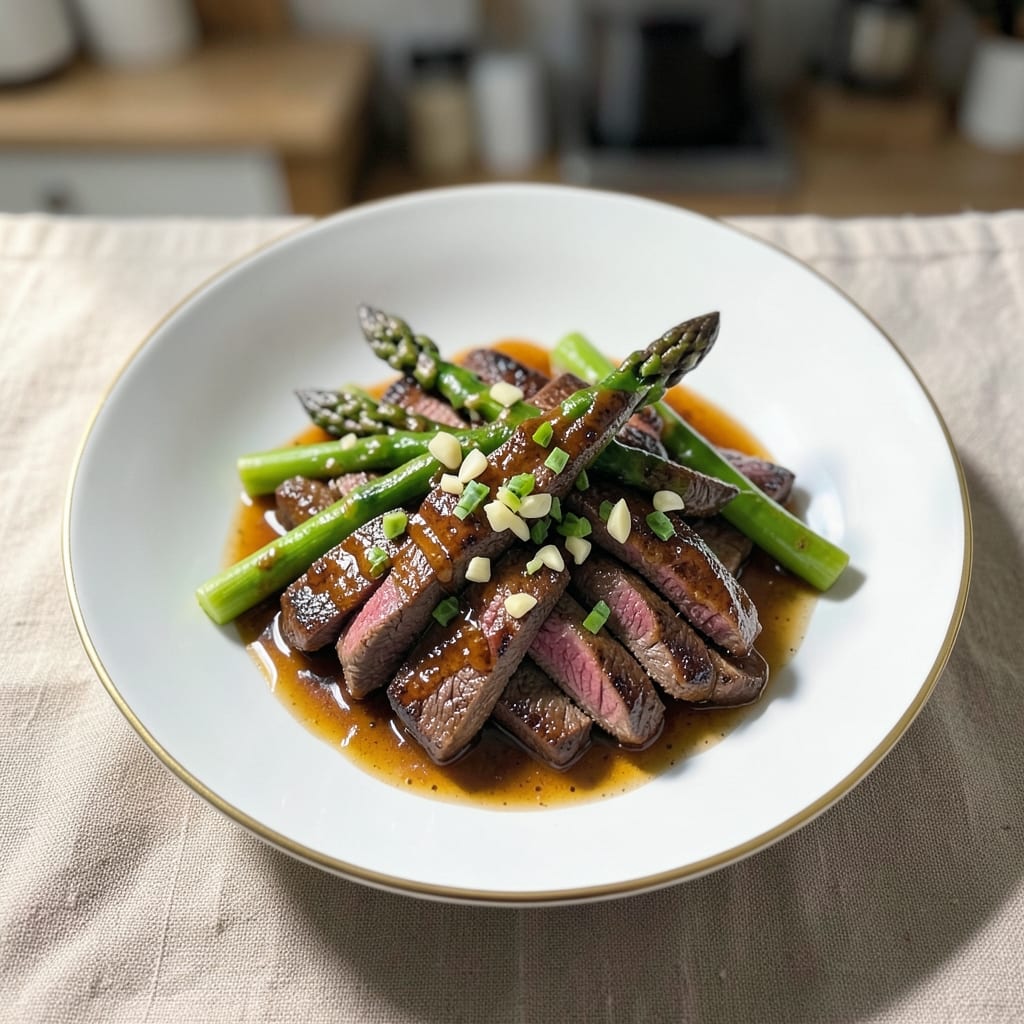
This asparagus beef Chinese recipe delivers the perfect marriage of crisp-tender asparagus and silky, caramelized beef—just like your favorite wok-house dish. The secret lies in high-heat stir-frying and a balance of sweet-savory sauce that coats every bite. I've perfected this technique over years of testing, ensuring the beef stays tender while the asparagus maintains its satisfying crunch. What makes it special is the wok hei—those smoky, aromatic notes that transform a simple stir-fry into something extraordinary.
The recipe begins with thinly sliced beef marinated in a blend of soy sauce, cornstarch, and aromatics, which ensures it stays juicy and develops a beautiful caramelized crust. Meanwhile, the asparagus gets a quick blanch to soften slightly before the final stir-fry, guaranteeing it stays crisp rather than mushy. The sauce, a harmonious mix of hoisin, oyster sauce, and a touch of honey, ties everything together with its rich, slightly sweet depth. This dish is restaurant-quality but designed for your home kitchen—no fancy equipment required.
By the time you're done, you'll have a plate of golden-brown beef and bright green asparagus, all glistening with a glossy, flavorful sauce. The contrast between the tender beef and the crisp asparagus creates every bite, while the aroma of garlic and ginger wafting from your kitchen will have everyone gathering around. It's the kind of dish that feels celebratory yet comes together in under 30 minutes—ideal for weeknight dinners or impressing guests.
Serve it over steamed jasmine rice to soak up every last bit of that delicious sauce, or pair it with a simple side of cucumber salad to cut through the richness. The leftovers reheat beautifully, making it perfect for meal prep. Let's get cooking—this stir-fry is about to become a regular in your rotation.
Ingredients for asparagus beef chinese
Fourteen ingredients, one wok-hei moment—this stir-fry delivers restaurant-quality flavor at home.
| Ingredient | Amount | Notes |
|---|---|---|
| Flank Steak 🥩 | 1 lb | Thinly sliced against grain |
| Fresh Asparagus 🌱 | 1 lb | Trimmed, tough ends removed |
| Low-Sodium Soy Sauce 🍶 | ½ cup | For marinating beef |
| Cornstarch 🌾 | 1 tbsp | For beef coating |
| Garlic Cloves 🧄 | 6 cloves | Minced for marinade |
| Fresh Ginger 🌿 | 1 tbsp | Finely grated, peeled |
| Hoisin Sauce 🍶 | 2 tbsp | For stir-fry sauce |
| Oyster Sauce 🍶 | 2 tbsp | For depth of flavor |
| Honey 🍯 | 1 tbsp | For subtle sweetness |
| Sesame Oil 🫒 | 1 tbsp | For finishing aroma |
| Neutral Oil 🫒 | 2 tbsp | Vegetable or canola |
| Green Onions 🧅 | 3 whole | Sliced for garnish |
| Salt 🧂 | 1 tsp | Kosher or sea salt |
| Black Pepper 🌶️ | ½ tsp | Freshly ground |
The beef is everything here. Flank steak is ideal—lean but tender when sliced thinly against the grain. Grab it from the butcher counter if possible, or pre-sliced from the Asian market for convenience. Look for bright red meat with good marbling (those white streaks = flavor). Fresh asparagus is a must—thick stalks hold up better to stir-frying than skinny ones. Trim the ends but leave the spears whole for that satisfying crunch. If you're prepping ahead, store the beef and asparagus separately in the fridge—use within 2 days for best texture.
No hoisin sauce? Substitute with 1 tbsp soy sauce plus 1 tsp brown sugar—it won't be identical, but close enough. The oyster sauce can be swapped for extra soy sauce plus a pinch of sugar, though you'll lose some depth. Sesame oil is non-negotiable for that signature aroma, but if you're avoiding it, toasted sesame seeds sprinkled at the end add a similar nutty touch. For the garlic and ginger, fresh is best, but jarred minced garlic works in a pinch (just reduce to half the amount). The cornstarch is key for that caramelized crust—don't skip it, even if you're in a hurry.
This dish reheats like a dream—30 seconds in the microwave with a splash of water keeps the asparagus crisp. Store leftovers in an airtight container for 3-4 days, or freeze for up to 2 months (thaw in the fridge overnight). I always make extra because it disappears fast. For meal prep, portion into containers with a side of jasmine rice—grab-and-go lunches sorted. The sauce thickens as it cools, so add a splash of water when reheating if it seems too stiff.
Why You'll Love This Recipe
- One-Pan Magic: I swear by this recipe when I’m too tired to wash extra dishes—just sear the steak, toss in the asparagus, and let the soy sauce and garlic work their magic. The cornstarch gives that perfect crispy edge on the beef without needing a deep fryer.
- Garlic-Soy Bomb: That first bite? The tender flank steak with its caramelized crust, bright asparagus spears, and a punch of garlic-soy richness—it’s the kind of flavor that makes you pause mid-bite. Honestly, the low-sodium soy sauce keeps it bold without the aftertaste.
- Lunchbox Hero: Between us, this dish is my secret weapon for meal prep. Slice the cooled beef and asparagus into containers, and you’ve got a protein-packed lunch that still tastes like a restaurant meal. (Yes, even on a Tuesday night.)
- Budget Steakhouse: Flank steak on sale? Snap it up. A bunch of asparagus in season? Even better. This recipe stretches a few dollars into a satisfying dinner without sacrificing taste—proof that fancy flavors don’t need a fancy budget.
Step-by-step instructions for asparagus beef Chinese stir-fry
This method delivers restaurant-quality texture contrast—silky beef and crisp asparagus—every time.
Marinate and Prep the Beef for Maximum Tenderizing
Slice the 1 lb flank steak thinly against the grain into ¼-inch strips—this ensures tender bites. In a bowl, combine the 0.5 cup low-sodium soy sauce, minced 6 cloves garlic, finely grated 1 tbsp fresh ginger, 1 tbsp honey, and ½ tsp black pepper. Add the beef strips and toss to coat completely. Let marinate for at least 30 minutes (or up to 2 hours) in the refrigerator.
I always marinate longer than the minimum because the acid in soy sauce breaks down muscle fibers, creating that signature silky texture. The garlic and ginger infuse the beef while the honey adds subtle sweetness that balances the savory flavors. Don't skip this step—it makes all the difference in the final texture.
Coat the Beef and Blanch the Asparagus
Remove the beef from the marinade and discard any excess liquid. In a separate bowl, mix the 1 tbsp cornstarch with 1 tsp salt and ½ tsp black pepper. Toss the beef strips in this mixture until evenly coated. This creates a light crust that helps seal in juices and adds texture.
While preparing the beef, blanch the 1 lb fresh asparagus by boiling it in salted water for 2 minutes, then immediately plunging it into ice water to stop the cooking process. This preserves its vibrant green color and crisp texture. Pat the asparagus dry thoroughly with paper towels—any moisture will cause it to steam instead of crisp up in the wok.
Stir-Fry the Beef at High Heat for Perfect Texture
Heat a wok or large skillet over high heat until it's smoking hot. Add the 2 tbsp neutral oil and swirl to coat the surface. Add the cornstarch-coated beef in a single layer and let it sear undisturbed for 1-2 minutes until the edges turn golden brown. This initial sear locks in juices and creates that beautiful caramelized crust.
Stir the beef constantly for 2-3 minutes until it's 80% cooked (it'll finish cooking when mixed with the sauce). Remove the beef from the wok and set aside. Here's the thing—don't overcrowd the pan. If you add too much at once, the beef will steam instead of sear, resulting in tough, gray meat. Work in batches if needed.
Build the Flavorful Sauce and Combine Ingredients
In the same wok, reduce the heat to medium-high and add the blanched asparagus. Stir-fry for 2-3 minutes until it's heated through but still maintains its crisp texture. Remove the asparagus and set aside with the beef.
Return the wok to high heat and add 1 tbsp sesame oil. Pour in the 2 tbsp hoisin sauce, 2 tbsp oyster sauce, and any remaining beef marinade from the bowl. Stir constantly for 1-2 minutes until the sauce thickens slightly. The sesame oil adds that signature aromatic finish, while the hoisin and oyster sauces create depth of flavor.
Finish and Garnish for Authentic Presentation
Return the beef and asparagus to the wok and toss everything together with the sauce until the beef is fully cooked and coated. The beef should be tender with a slight chew, and the asparagus should remain crisp with a bright green color. Taste and adjust seasoning if needed—you might want to add a splash of water or a bit more soy sauce to reach your preferred consistency.
Garnish with sliced 3 whole green onions and serve immediately over steamed rice. The contrast of silky beef, crisp asparagus, and glossy sauce makes this dish truly special. Each bite should deliver that perfect balance of textures and flavors—savory, slightly sweet, with a hint of umami from the oyster sauce.
Pro Tips For Making Asparagus Beef Chinese
- Slice Steak Thinly: Flank steak fights back when you cut against the grain, so grab a sharp knife and slice paper-thin strips—about ⅛-inch thick—before cooking. I used to eyeball it and end up with chewy chunks; now I measure against a business card for consistency.
- Blanch Asparagus First: Toss whole asparagus spears in boiling water for 30 seconds, then shock in ice water. This keeps them crisp-tender and prevents them from turning mushy when they hit the pan later. (Yes, it’s an extra step, but your dish will look and taste like a restaurant’s.)
- Marinate Steak 20 Minutes: Toss flank steak with 1 tablespoon soy sauce, 1 teaspoon cornstarch, and minced garlic right after slicing. Let it sit uncovered in the fridge—20 minutes is enough to tenderize without turning it soggy. I skipped this once and regretted it immediately.
- Cook Steak in Batches: Crowd the pan, and your beef will steam instead of sear. Use 2 tablespoons oil and cook in single-layer batches over high heat for 1-2 minutes per side. The second batch will still taste great—just don’t rush it.
Best sauces and condiments for asparagus beef chinese
Hoisin-Oyster Sauce
This classic combo is the backbone of your stir-fry, delivering that signature sweet-savory balance. I recommend using La Choy or Lee Kum Kee hoisin sauce for authentic flavor—both are widely available at grocery stores. For the oyster sauce, Kikkoman is my go-to brand because it has just the right umami depth without overpowering. Mix these with 1 tbsp honey and 1 tbsp sesame oil to create a glossy sauce that coats every bite perfectly. 🍶
Garlic-Ginger Marinade
The marinade transforms tough beef into silky perfection. Use freshly minced garlic (6 cloves) and finely grated ginger (1 tbsp) for the brightest flavor. I like to toast the garlic in the wok for 30 seconds before adding it to the marinade—this deepens its flavor without burning. The ½ cup low-sodium soy sauce tenderizes the beef while adding saltiness, and the 1 tbsp honey balances everything with subtle sweetness. Let the beef marinate for at least 30 minutes (longer is better).
Sesame Oil Finish
Never skip the sesame oil—it’s what gives your dish that authentic wok-hei aroma. Add 1 tbsp at the very end, right before serving, to preserve its nutty fragrance. If you’re avoiding sesame oil, sprinkle ½ tsp toasted sesame seeds on top instead. For extra depth, I sometimes add a pinch of white pepper along with the sesame oil—it adds a subtle warmth that complements the beef beautifully. ✨
Spicy Chili Oil
For a kick, drizzle 1 tsp chili oil over the finished dish. I love Lao Gan Ma brand for its balanced heat and smoky flavor. Start with ½ tsp and adjust to taste—this adds a fiery contrast to the sweet-savory sauce. If you prefer a milder heat, swap it for 1 tsp chili crisp (like Huy Fong) for a tangier, slightly sweet spice. Always add it after the dish is served to keep the heat vibrant.
Lime or Vinegar Brightener
A squeeze of fresh lime juice (1 tbsp) or a splash of rice vinegar (1 tsp) right before serving cuts through the richness and adds a refreshing finish. This is especially good if your sauce tastes too heavy. I often serve it with a small bowl of vinegar on the side so everyone can adjust to their taste. The acidity also helps balance the sweetness of the hoisin sauce. 💫
Extra Umami Boost
For an extra layer of depth, stir 1 tsp fish sauce or 1 tbsp mushroom sauce into the sauce while it simmers. Red Boat fish sauce is my favorite for its clean, briny flavor. If you’re vegetarian, vegetable mushroom sauce works just as well. These additions elevate the dish without overpowering the beef and asparagus. Trust me, your taste buds will thank you!
Nutrition facts
Frequently asked questions
Can I substitute flank steak with another cut of beef?
For this stir-fry, you can use sirloin, ribeye, or tenderloin instead. The key is to slice it thinly against the grain for tenderness. Flank steak is ideal because it's lean but flavorful, but any cut with good marbling will work. Just be sure to slice it ¼-inch thick for even cooking.
Why does the asparagus turn mushy during cooking?
Mushy asparagus usually happens when it's overcooked or not dried properly. Always blanch it for exactly 2 minutes, then shock it in ice water immediately. Pat it very dry with paper towels before stir-frying—any moisture will cause steaming instead of crisping. Also, keep the heat high and stir-fry for only 2-3 minutes after adding it to the wok.
How do I make this recipe spicier?
Add heat by mixing ½ tsp chili flakes or 1 tsp chili garlic sauce into the marinade. For extra kick, stir 1 tsp chili oil into the sauce at the end. Start with less—you can always add more—but remember, chili oil burns easily, so add it last. A splash of sriracha in the sauce also works well for a tangy heat.
Can I prepare this dish ahead of time?
Yes! Marinate the beef and prep the sauce 1 day ahead for convenience. Store them separately in the fridge. When ready to cook, stir-fry the beef and asparagus fresh—this preserves the crisp texture. For leftovers, refrigerate in an airtight container for 3-4 days or freeze for up to 2 months. Reheat gently in a skillet with a splash of water to maintain moisture.
What’s the best way to serve this dish?
Serve it over steamed jasmine rice to soak up the flavorful sauce. For extra authenticity, pair it with stir-fried bok choy or a simple cucumber salad to balance the richness. Garnish with extra green onions and a drizzle of chili oil for color and heat. The contrast of textures and temperatures makes it even more satisfying!