
Soups & Stews
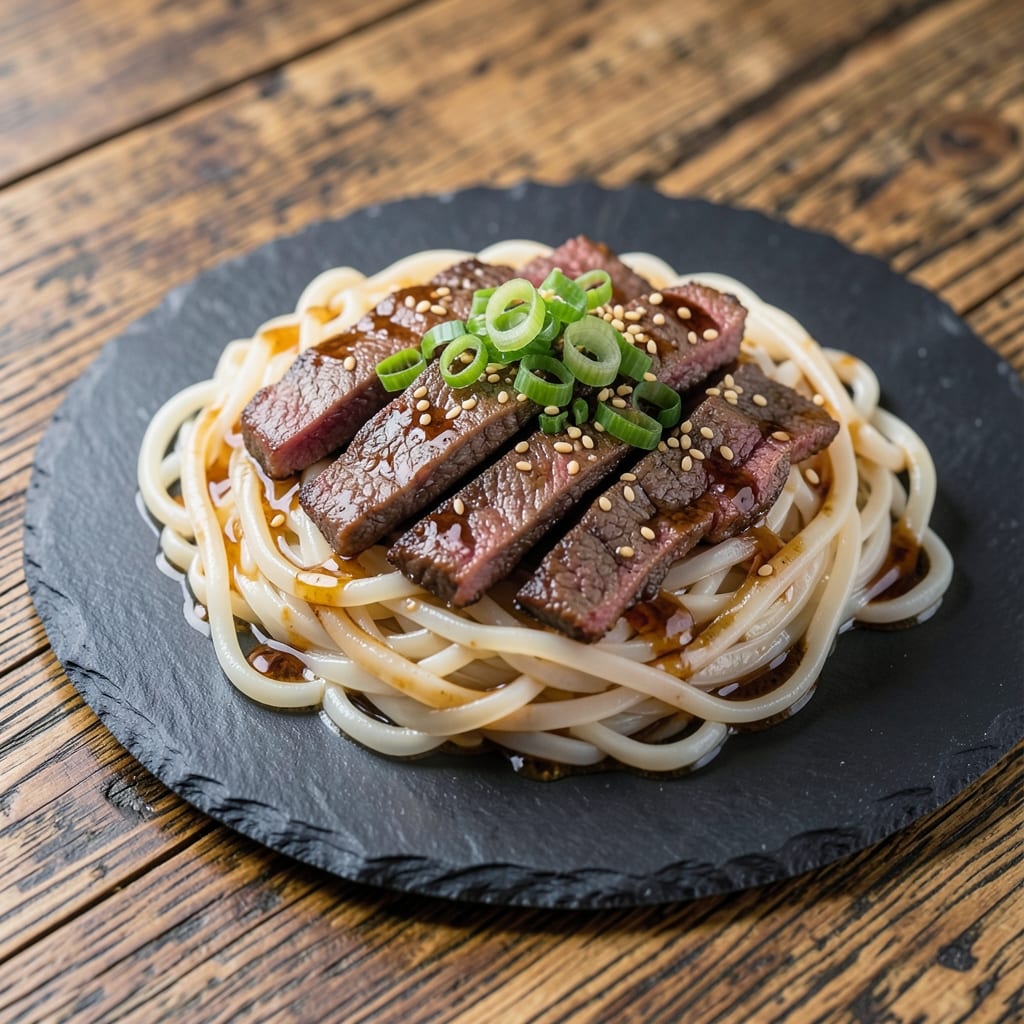
The authentic beef chow fun recipe delivers that signature slippery texture and smoky wok hei you crave. This Cantonese classic transforms wide rice noodles into a silky, savory masterpiece with tender beef, charred vegetables, and a rich soy-based sauce. The secret lies in proper noodle preparation and high-heat stir-frying to achieve that signature charred aroma. What sets this dish apart is the balance of textures—chewy yet tender beef, crisp vegetables, and noodles that glisten with sauce. We'll use a traditional soy sauce base with a touch of oyster sauce for depth, plus fresh herbs to brighten the dish. The key technique is stir-frying the beef and vegetables separately before combining everything for maximum flavor. By the end, you'll have a restaurant-quality bowl of beef chow fun with perfectly cooked noodles that cling to the beef and vegetables. The charred wok heat infuses every bite, creating that authentic street food experience at home. This recipe stays true to Cantonese traditions while being approachable for home cooks. Serve immediately while the noodles are still slippery and the wok hei aroma fills your kitchen. The dish pairs beautifully with a cold beer or jasmine tea for the complete experience.
Ingredients for authentic beef chow fun
Authentic Cantonese flavors and textures start with these carefully selected ingredients—each playing a precise role in the dish's signature slippery perfection.
| Ingredient | Amount | Notes |
|---|---|---|
| Wide Rice Noodles (Chow Fun) 🍜 | 12 oz | Dried, soaked in hot water |
| Flank Steak 🥩 | 1 lb | Thinly sliced against grain |
| Light Soy Sauce 🥄 | ½ cup | Kikkoman preferred |
| Dark Soy Sauce 🥄 | 1 tbsp | For color depth |
| Oyster Sauce 🦪 | 2 tbsp | High-quality, no additives |
| Sesame Oil 🫒 | 1 tbsp | Toasted for aroma |
| Cornstarch 🌾 | 1 tbsp | For velveting beef |
| Garlic Cloves 🧄 | 6 cloves | Minced, fresh preferred |
| Green Onions 🧅 | 4 whole | White and green parts |
| Baby Bok Choy 🥬 | 4 pieces | Halved lengthwise |
| Carrots 🥕 | 2 whole | Julienned, medium size |
| Neeb (or Substitute) 🌿 | 1 tbsp | Dried Chinese chives |
| White Peppercorns 🌶️ | ½ tsp | Freshly ground |
| Sesame Seeds 🌰 | 1 tbsp | Toasted for garnish |
| Vegetable Oil 🫒 | ½ cup | High smoke point |
The flank steak is non-negotiable for authentic texture—thinly sliced against the grain ensures tender bites. Purchase from a trusted butcher or Costco for consistent quality; look for well-marbled cuts. Kikkoman light soy sauce delivers the clean umami base, while dark soy sauce adds that signature caramelized sheen. For oyster sauce, Lee Kum Kee is the gold standard—avoid brands with additives. The wide rice noodles must be 12 oz total—any thicker and they won't achieve that signature slippery texture. Soak them in hot water for exactly 3 minutes before draining, no longer or they'll turn mushy. Green onions should be fresh with vibrant white parts for authentic color contrast.
No neeb (Chinese chives)? Fresh chives or scallions work in a pinch, but the flavor won't be identical. Substitute baby bok choy with Napa cabbage if unavailable, though texture will differ slightly. For the velveting process, cornstarch is essential—arrowroot powder can replace it at a 1:1 ratio. The white peppercorns are crucial for that traditional Cantonese heat without overpowering the dish. Sesame oil should be toasted—heat it in a dry pan for 30 seconds before using to deepen its aroma. If you can't find Kikkoman soy sauce, Diamond brand is a reliable backup, though slightly sweeter. Vegetable oil is preferred for stir-frying due to its neutral flavor and high smoke point—avocado oil works equally well.
Prep the noodles first—they must sit at room temperature for 10 minutes after soaking to prevent sticking. Flank steak should be sliced paper-thin against the grain using a sharp knife; wrap it in plastic and refrigerate for 30 minutes before cooking to relax the fibers. Store soy sauces in the pantry, oyster sauce in the fridge, and sesame oil in a cool, dark place. The vegetable mix (bok choy, carrots, onions) can be prepped 2 hours ahead and stored in an airtight container—keep it dry to prevent wilting. Sesame seeds lose potency quickly; toast them fresh before serving. This dish is best served immediately for that wok hei aroma, but leftovers keep for 2 days in the fridge—reheat gently with a splash of water to restore moisture.
Why You'll Love This Recipe
- No Fuss, Big Payoff: I swear by this recipe because it’s the kind of meal where you spend more time eating than prepping. Thinly sliced flank steak cooks in minutes, and those wide rice noodles just need a quick soak—no boiling, no waiting. Honestly, I’ve made it while microwaving leftovers in the same kitchen.
- Umami Bomb: That combo of light and dark soy sauce with oyster sauce? It’s like flavor magic. The steak stays tender but gets this perfect sear, while the noodles soak up all that savory goodness. Between us, it’s the kind of taste that makes you pause mid-bite and go, “Wait, how is this so good?”
- Lunchbox Hero: I’ll never forget packing this for my kid’s school lunch—cold or reheated, it’s still a hit. The noodles hold up surprisingly well, and the steak stays juicy. It’s my go-to for potlucks too; everyone assumes it’s fancy, but it’s really just a pantry staple with a little love.
- Budget Win: Flank steak stretches further than you’d think, and a single package of chow fun feeds four. I’ve fed a crowd for under $15, and the leftovers? Just as good the next day. Not the prettiest dish, but the taste makes up for it—and my wallet thanks me.
Step-by-step instructions for authentic beef chow fun
Master this Cantonese classic with precise technique and wok heat.
Prepare the Noodles and Velvet the Beef
First, soak the 12 oz wide rice noodles (chow fun) in hot water for 10-12 minutes until pliable but still slightly firm. Drain and rinse briefly under cold water to stop cooking. Set aside. For the beef, slice the 1 lb flank steak thinly against the grain into ¼-inch strips—this ensures tender bites.
In a bowl, combine the beef with 1 tbsp cornstarch, 1 tbsp light soy sauce, and ½ tsp white peppercorns. Toss vigorously until fully coated. Let marinate for 15 minutes while you prep the wok. This velveting process creates a silky texture that's signature to authentic chow fun.
Build the Charred Wok Base
Heat a wok or large skillet over high heat until smoking, then add the ½ cup vegetable oil. Once shimmering, add the 6 minced garlic cloves and stir for 10 seconds until fragrant. Immediately add the 2 julienned carrots and 4 halved baby bok choy, stir-frying for 1-2 minutes until the vegetables begin to wilt and develop a slight char.
Push the vegetables to one side of the wok, then add the 1 tbsp dark soy sauce and 2 tbsp oyster sauce. Let it bubble for 30 seconds to create a glossy, caramelized base. This step develops the deep umami flavor that defines authentic chow fun—don't skip the charring.
Cook the Beef and Noodles
Working in batches if needed, add the marinated beef to the wok in a single layer. Stir-fry for 1-2 minutes until just cooked through—the beef should remain tender, not tough. Remove with a slotted spoon and set aside. Add the drained noodles to the wok, tossing with the vegetable mixture for 1 minute until they begin to soften.
Pour in ½ cup light soy sauce and 1 tbsp sesame oil, tossing vigorously for 1-2 minutes until the noodles are fully coated and glisten slightly. The high heat and constant tossing prevent the noodles from sticking, creating that signature slippery texture. If the wok gets too dry, add 1-2 tablespoons hot water to steam the noodles.
Finish and Garnish
Return the beef to the wok and toss everything together for 30 seconds to reheat. Sprinkle with 1 tbsp toasted sesame seeds and 1 tbsp chopped neeb (or substitute). Garnish with 4 sliced green onions (white and green parts separated) for color and freshness.
Serve immediately in 4 portions, arranging the noodles in a mound with the beef and vegetables cascading over the top. The dish should be steaming hot, with a balance of charred wok heat, silky beef, and slippery noodles. For authenticity, serve with a side of chili garlic sauce for dipping.
Pro Tips For Making Authentic Beef Chow Fun
- Slice Against the Grain: Flank steak’s tough fibers need a fight—cut it thin (¼-inch max) and diagonally against the grain. I used to slice it after cooking, but pre-slicing saves time and keeps those strips tender when they hit the wok. (Yes, it’s messy, but your noodles will thank you.)
- Parboil Noodles Just Enough: Wide rice noodles turn to mush if overcooked, but undercooked ones are chewy and unappealing. Boil them for 2 minutes less than the package says, then finish cooking in the wok’s residual heat with the beef—this locks in bite while absorbing the sauce. (I learned this after slurping a bowl of sad, limp noodles.)
- Use Dark Soy for Depth: Light soy sauce adds color, but dark soy sauce is where the flavor hides. Toss in 1 teaspoon of dark soy with the beef early—it caramelizes faster and gives that rich, molasses-like note that separates home-cooked chow fun from takeout. (Your future self will notice the difference.)
- Stir-Fry in Two Batches: Crowding the wok steams the beef instead of searing it, and that’s a fast track to soggy noodles. Cook half the beef first, set it aside, then finish the rest before tossing everything together. (I know, it’s an extra pan—worth it.)
Pro cooking tips for this dish
Wok Hei Mastery
Achieving that signature wok hei (breath of the wok) is non-negotiable for authentic beef chow fun. I use a carbon steel wok heated over high gas flame until it's preheated for 5-7 minutes—the wok should be smoking hot before adding oil. For home cooks without a gas stove, a cast iron skillet works well on a broiler setting for those last 2 minutes of cooking to mimic the char. The key is high, consistent heat—never let the wok cool down during cooking. 🔥
Velveting Beef
The velveting technique transforms tough flank steak into silky bites. After marinating the beef with cornstarch and soy sauce, I use a wire whisk to ensure every strand is fully coated—this creates a protective barrier that locks in moisture. For extra tenderness, I add ½ tsp baking soda to the marinade (neutralize with vinegar afterward) for a restaurant-quality texture. Always cook the beef in single layers to prevent steaming instead of searing.
Noodle Timing
Wide rice noodles are delicate—overcooking turns them mushy, undercooking leaves them chewy. I soak them in hot water (not boiling) for exactly 10-12 minutes, then rinse with cold water to stop cooking. Let them sit at room temperature for 5 minutes before tossing in the wok. Pro tip: If your noodles stick, add 1 tsp oil to the wok before adding them—this creates a non-stick barrier while maintaining that slippery texture. ✨
Sauce Layering
The sauce is where the magic happens. I build flavor in three stages: first, the dark soy sauce caramelizes for 30 seconds to create depth; next, the oyster sauce adds umami; finally, the light soy sauce and sesame oil coat everything evenly. For extra richness, I deglaze the wok with 1 tbsp beef broth after removing the beef—this captures all the fond (browned bits) for maximum flavor. Taste as you go: the sauce should be slightly salty with a hint of sweetness.
Vegetable Char Technique
Charred vegetables add texture contrast. I stir-fry the baby bok choy and carrots in batches—overcrowding steams instead of chars. For best results, use high heat and work quickly: 1 minute for bok choy, 2 minutes for carrots. The edges should be deep brown with blackened spots—this adds smoky depth. If your wok isn't hot enough, the vegetables will boil instead of char. A tongs-only approach prevents breaking the delicate bok choy leaves.
Garnish Like a Pro
Garnishing isn't just decoration—it elevates the dish. I toast sesame seeds in a dry pan for 30 seconds until fragrant, then sprinkle them over the top while the chow fun is still hot. Neeb (Chinese chives) add a fresh, oniony brightness, while green onions provide color contrast. For extra wow factor, I drizzle 1 tsp chili oil over each serving—this adds heat and ties all the flavors together. Serve immediately while the wok hei aroma lingers over the bowl. 💫
Nutrition facts
Frequently asked questions
Why do the noodles need to be slippery in authentic beef chow fun?
The signature slippery texture comes from properly cooked wide rice noodles that absorb just enough sauce while maintaining their chewy yet tender bite. Over-soaking turns them mushy, while under-soaking leaves them dry—both ruin the dish. The secret is soaking them in hot water for exactly 10-12 minutes before tossing with sauce at high heat. This creates that signature "fun" texture that makes the dish irresistible.
Can I substitute flank steak with another cut?
Flank steak is ideal for its marbling and tenderness, but sirloin or ribeye work in a pinch. Avoid lean cuts like top round—they lack fat for moisture. If using sirloin, slice it even thinner (⅛-inch) and marinate for 20 minutes to ensure tenderness. For extra authenticity, ask your butcher for chuck steak, which is commonly used in Cantonese kitchens.
What's the best way to achieve wok hei at home without a wok?
Use a cast iron skillet on high heat—preheat it for 5 minutes until smoking, then add oil. For extra char, place the skillet under a broiler for 2 minutes before stir-frying. A griddle also works if you keep the heat cranked up. The key is maintaining high, consistent heat—never let the pan cool down during cooking. If your stove isn't hot enough, the vegetables will steam instead of char.
Can I make beef chow fun ahead of time?
Fresh is best, but you can prep components in advance. Soak the noodles and store them in an airtight container for up to 4 hours (they'll dry out faster). Marinate the beef and chop vegetables 1 day ahead, keeping them separate. Reheat gently with a splash of water to restore moisture—microwaving dries out the noodles. For leftovers, store for 2 days max and serve with extra chili garlic sauce to revive the flavors.
Why does my chow fun taste bland?
Blandness usually comes from insufficient sauce layering or low heat. Build flavor in stages: first caramelize the dark soy sauce for 30 seconds, then add oyster sauce for umami. Use high heat for wok hei—low heat steams instead of chars. Taste as you go: the sauce should be slightly salty with a hint of sweetness. For extra depth, add 1 tsp fish sauce or a pinch of MSG (optional). Always use fresh ingredients—stale soy sauce or old garlic dulls the flavor.