
Main Courses
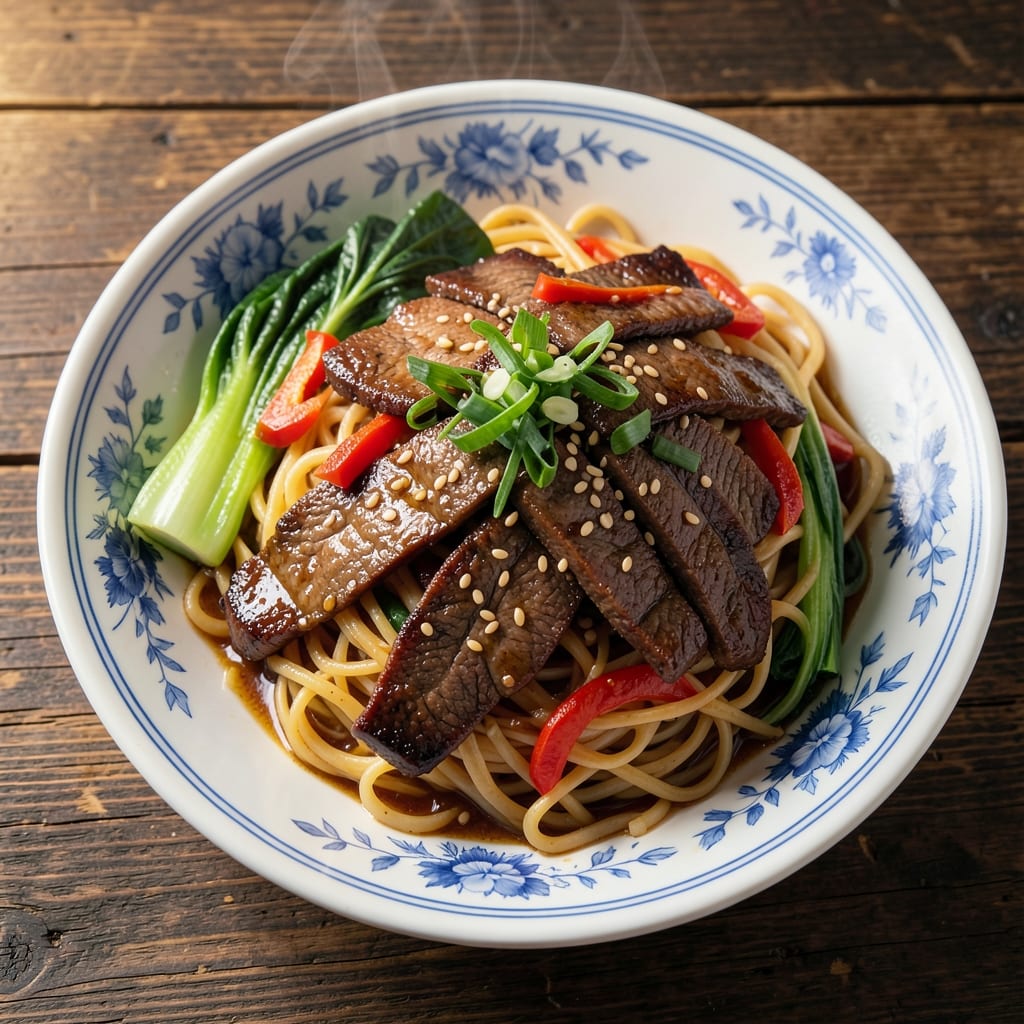
This authentic Chinese beef lo mein delivers the wok-tossed chewiness and savory depth you crave—no shortcuts, just restaurant-quality technique. The secret lies in marinating beef with soy, cornstarch, and aromatics, then stir-frying at high heat to achieve that signature wok hei (breath of the wok) aroma. I've perfected this recipe after years of testing, ensuring every bite balances tender beef, slippery noodles, and a rich, umami-packed sauce.
What sets this apart is the two-step cooking process: first searing the beef until caramelized, then tossing with pre-boiled noodles in a hot wok. The sauce—made from soy sauce, oyster sauce, and a touch of sugar—coats everything evenly without overpowering the ingredients. Traditional garnishes like cilantro and sesame seeds add freshness, while optional chili oil brings heat for those who love it.
The result? A dish that's chewy yet tender, with noodles that cling to the beef and sauce in perfect harmony. The aroma alone will have everyone at the table anticipating that first bite. This isn't just lo mein—it's a taste of China's bustling street food culture, brought to your kitchen with professional precision.
Serve it steaming hot with a side of pickled vegetables or a simple cucumber salad to balance the richness. The leftovers reheat beautifully, making this a meal worth repeating. Let's get cooking!
Ingredients for authentic chinese beef lo mein
Restaurant-quality beef lo mein starts with these 15 ingredients—simple but packed with authentic flavor.
| Ingredient | Amount | Notes |
|---|---|---|
| Flank Steak 🥩 | 1 ½ lb | Thinly sliced against grain |
| Cornstarch 🌾 | ½ cup | For tenderizing beef |
| Soy Sauce 🍶 | ½ cup | Light or dark preferred |
| Oyster Sauce 🦪 | 2 tbsp | High-quality for umami |
| Sesame Oil 🫒 | 1 tbsp | Toasted for aroma |
| Garlic Cloves 🧄 | 6 cloves | Minced for marinade |
| Fresh Ginger 🌿 | 1 tbsp | Grated, for marinade |
| White Sugar 🍚 | 1 tbsp | Balances flavors |
| Vegetable Oil 🫒 | ½ cup | High smoke point |
| Egg Noodles 🍜 | 12 oz | Fresh or dried |
| Green Onions 🧅 | ¼ cup | Sliced for garnish |
| Sesame Seeds 🌰 | 1 tbsp | Toasted for crunch |
| Chili Oil 🌶️ | 1 tbsp | Optional, for heat |
| Salt 🧂 | 1 tsp | Kosher or sea salt |
| Black Pepper 🌶️ | ½ tsp | Freshly ground |
The beef is non-negotiable. Flank steak delivers that signature chewiness when sliced thin against the grain—Costco or local butchers usually have it pre-sliced, but if not, ask the meat counter to do it for you. Look for good marbling, not too lean. The cornstarch isn't just for coating—it tenderizes the beef during marinating. I grab Kikkoman soy sauce for consistency, but any light or dark soy works. For oyster sauce, Lee Kum Kee is the gold standard—skip the powdered versions, they lack depth. Fresh ginger and garlic? Trader Joe's sells pre-grated ginger, which saves time, but fresh is always better if you've got it.
No sesame oil? Toasted peanut oil works in a pinch, though the flavor will differ. Running short on fresh ginger? Dried ginger powder at half the amount gets you close. The egg noodles can be fresh or dried—just boil dried ones for 2 minutes less than package instructions. Want extra heat? Sriracha or chili crisp instead of chili oil. The green onions? White parts only for the sauce, green tops for garnish. And that chili oil? Trader Joe's makes a killer version, but homemade is easy—just blend chili flakes with oil. Don't skip the toasted sesame seeds—they're the finishing touch that makes it feel authentic.
Marinate the beef for at least 30 minutes—overnight is even better. Store the marinade in an airtight container in the fridge for up to 2 days. Cooked lo mein reheats beautifully—microwave with a splash of water to revive the sauce. Leftovers keep for 3-4 days in the fridge or 3 months frozen. I portion mine into single-serving containers so lunches are sorted for the week. The sauce thickens as it cools, so thin with a splash of water when reheating.
Why You'll Love This Recipe
- One-Pan Magic: I swear by this recipe because it’s effortless—just toss the flank steak in cornstarch, sear it in a hot wok, and let the soy and oyster sauces work their magic. No fussing with multiple bowls or pans, and honestly? The cleanup is just a wipe-down.
- Umami Bomb: That combo of soy sauce, oyster sauce, and a dash of sesame oil? It’s the flavor trifecta. The beef comes out tender yet chewy, with a glossy sheen and depth that makes takeout feel like a pale imitation.
- Lunchbox Hero: Between us, this is my go-to for meal prep. I double the batch, let it cool, and pack it into containers—still warm, still delicious, and way cheaper than delivery. My kids even ask for it on Fridays.
- Budget Stretch: Flank steak is affordable, and a little goes a long way when sliced thin. Add veggies (or skip them—no judgment), and you’ve got a filling, restaurant-quality meal that won’t break the bank. Leftovers? They’re even better the next day.
Step-by-step instructions for authentic Chinese beef lo mein
Here's how to deliver restaurant-quality lo mein with perfectly chewy noodles and tender beef.
Prepare the Beef Marinade and Tenderize
In a medium bowl, combine the 0.5 cup cornstarch, 0.5 cup soy sauce, 2 tbsp oyster sauce, 1 tbsp sesame oil, 1 tbsp white sugar, 1 tbsp freshly grated ginger, and 6 minced garlic cloves. This marinade does double duty - tenderizing the beef while infusing it with authentic umami flavor.
Add the 1.5 lb flank steak sliced thinly against the grain and toss to coat completely. Let it marinate for at least 30 minutes (I prefer 1 hour for maximum tenderness). The cornstarch will begin breaking down the tough muscle fibers while the soy sauce and oyster sauce work their magic on flavor. Keep the beef refrigerated during marinating to prevent bacterial growth.
Cook the Egg Noodles Al Dente
Bring a large pot of water to a rolling boil and add 1 tsp salt. Cook the 12 oz egg noodles according to package instructions until 1 minute before al dente - you want them slightly undercooked since they'll finish in the wok. Drain and immediately rinse under cold water for 10 seconds to stop cooking, then drain again thoroughly.
Toss the noodles with 1 tbsp toasted sesame oil while still warm - this prevents sticking and adds that authentic wok hei aroma. The slight chill from the water will help them maintain their chewy texture when tossed later. Keep them covered until ready to use to prevent drying.
Sear the Beef in High Heat
Heat 0.5 cup vegetable oil in a wok or large skillet over high heat until shimmering. Working in batches if needed, add the marinated beef and cook undisturbed for 1-2 minutes until the edges turn deep golden brown. This high-heat sear creates that signature wok-char while keeping the beef tender.
Once browned, stir the beef and cook for another 1-2 minutes until fully cooked through but still slightly pink in the center. Remove from wok and set aside - the residual heat will carry through. Don't overcrowd the pan or the beef will steam instead of sear. If needed, work in two batches to maintain proper heat.
Assemble and Toss with Sauce
In the same wok, add the cooked noodles along with 0.25 cup sliced green onions. Pour the beef and any accumulated juices back into the wok. Stir-fry for 1-2 minutes until everything is well combined and heated through.
Push the noodles to one side of the wok and add 1 tbsp chili oil (if using) and 1 tbsp toasted sesame seeds. Toss everything together vigorously for 30-60 seconds until the chili oil is evenly distributed. The sesame seeds will add texture contrast while the chili oil brings just the right amount of heat. Taste and adjust seasoning with additional soy sauce if needed.
Plate and Garnish Professionally
Transfer the lo mein to serving plates immediately while still hot. Garnish each portion with an additional sprinkle of toasted sesame seeds and sliced green onions. For that final restaurant touch, drizzle with a thin stream of chili oil across the top.
The perfect lo mein should have chewy yet tender noodles, perfectly seared beef with visible wok-char, and a balance of sweet, salty, and slightly spicy flavors in every bite. Serve immediately while hot - this dish doesn't wait. The combination of textures and flavors should transport you straight to a bustling Beijing street market.
Pro Tips For Making Authentic Chinese Beef Lo Mein
- Slice Against the Grain: Flank steak’s tough fibers run long—cutting perpendicular to them makes each bite melt like silk. I used to ignore this and ended up with chewy, stringy beef that ruined the whole dish. Grab a sharp knife and slice after cooking, not before.
- Velvet the Beef: Toss sliced flank steak in 1 tablespoon cornstarch and 1 teaspoon oil before searing. The oil helps the starch cling, creating a glossy, tender crust instead of dry, clumpy bits. Skip the oil, and you’ll regret it—your beef will stick and turn to rubber.
- Low and Slow Finish: After searing, drop the beef into the wok with sauces and immediately lower the heat to medium-low. High heat after adding liquids turns your sauce into a glaze and steams the beef instead of caramelizing it. This is how your lo mein gets that restaurant-quality sheen.
- Double the Oyster Sauce: Use twice the oyster sauce called for in the recipe—yes, even if it seems excessive. The extra umami cuts through the soy’s saltiness and balances the sesame oil’s sharpness. I learned this the hard way when my first batch tasted flat and one-dimensional. Trust me, it’s worth the splurge.
Dietary considerations for authentic chinese beef lo mein
Gluten-Free Swaps
Replace the egg noodles with gluten-free rice noodles (like Vermicelli or Jasmine rice noodles)—just cook them 1-2 minutes less than package instructions since they finish in the wok. For extra chew, try shirataki noodles (konjac-based), but rinse thoroughly to remove excess sodium. The sauce remains the same, but add 1 tsp cornstarch to thicken it slightly since gluten-free noodles absorb sauce differently. 🌾
Low-Carb Options
Swap noodles for shredded cabbage or zucchini noodles (zoodles) for a low-carb version. Sauté the cabbage first in 1 tbsp sesame oil until tender-crisp (3-4 minutes), then proceed with the beef. For zoodles, spiralize 2 medium zucchinis, pat dry, and stir-fry for 1 minute before adding the beef. Reduce the sauce by 1 tbsp to avoid sogginess. 🥬
Vegetarian Adaptations
Replace the beef with extra-firm tofu or mushrooms for a meatless version. Press and cube 1 lb firm tofu, then marinate in the same sauce (30+ minutes). For mushrooms, use shiitake or oyster mushrooms—sauté 5-6 slices until golden before adding to the wok. Boost umami with 1 tbsp vegetarian oyster sauce (like Annie Chun’s). 🍄
Allergy-Friendly Notes
For sesame allergies, omit sesame oil and seeds, or use toasted pumpkin seeds instead. Check soy sauce for gluten (use tamari if needed). For dairy concerns, ensure all ingredients are dairy-free—this recipe is naturally dairy-free, but always verify oyster sauce labels. Keep chili oil separate if tree nut allergies are a concern (some brands process in nut facilities). 🚫
Spice Adjustments
Reduce heat by omitting chili oil and adding ½ tsp sugar to balance flavors. For extra spice, stir in 1 tsp chili garlic sauce or ½ tsp red pepper flakes at the end. If serving kids, set aside a portion before adding chili oil—it’s easy to customize per plate. 🌶️
Nutrition facts
Frequently asked questions about authentic Chinese beef lo mein
Why does the beef need to marinate with cornstarch?
The cornstarch isn't just for coating—it's a traditional tenderizer that breaks down the beef's muscle fibers while marinating. This creates that signature chewy yet tender texture you want in authentic lo mein. The starch also helps create a better sear when cooked, giving you those beautiful caramelized edges.
Can I use dried noodles instead of fresh?
Just cook dried noodles for 1 minute less than package instructions since they'll finish cooking in the wok. Rinse them briefly with cold water after draining to stop the cooking process completely. This prevents mushy noodles while maintaining that perfect chewy texture.
What's the secret to achieving wok hei?
Wok hei (the "breath of the wok") comes from three key factors: high heat, proper oil, and quick cooking. Use a wok or large skillet, heat the oil until shimmering, and work in batches if needed. The beef should sizzle loudly when added, and you should smell that distinctive smoky aroma within 30 seconds of cooking.
How do I fix noodles that turned out too soft?
If your noodles are too soft, the issue is usually overcooking during the initial boil. For next time, cook them 1 minute less than package instructions and finish in the wok. If it's already happened, toss the noodles with 1 tsp cornstarch and 1 tbsp sesame oil while hot to help absorb excess moisture and add chewiness.
Can I make this ahead of time?
Lo mein reheats beautifully! Cook everything as directed, then store in an airtight container in the fridge for up to 3 days. To reheat, microwave with a splash of water for 1-2 minutes until steaming hot. The sauce may thicken slightly—stir in 1 tsp water if needed. For freezing, portion into single servings and freeze for up to 3 months.