
Main Courses
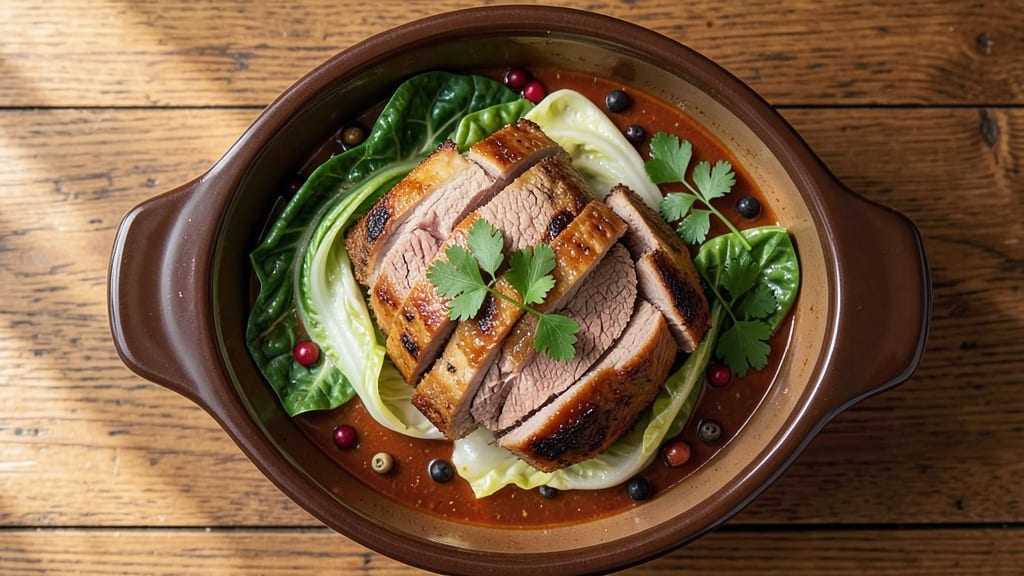
This authentic Irish corned beef and cabbage recipe delivers the hearty, slow-braised flavors that make it a St. Patrick’s Day staple—deeply spiced beef with tender cabbage that stays crisp at the edges.
The secret lies in proper brining and slow simmering, transforming tough cuts into melt-in-your-mouth perfection while preserving the cabbage’s satisfying crunch. I’ve perfected this method over years of testing, ensuring the balance of juniper berries, black peppercorns, and bay leaves that defines traditional Irish flavor.
The process begins with a 24-hour brine to infuse the beef with aromatic spices, followed by a slow cook that tenderizes the meat without drying it out. Cabbage is added late to maintain its texture, while potatoes or carrots can join the pot for a complete meal.
Every element comes together in a rich, savory broth that makes leftovers taste even better the next day.
What you’ll end up with is a restaurant-quality dish that feels like a hug in a bowl—golden-brown beef slices, crisp-tender cabbage, and a pot brimming with flavorful liquid. The spices create layers of warmth and earthiness, while the cabbage’s slight bite contrasts beautifully with the beef’s richness.
This isn’t just a recipe; it’s a celebration of Irish comfort food done right.
Serve with a dollop of mustard or a sprinkle of fresh parsley for brightness, and pair it with soda bread or crusty rolls to soak up every last drop.
The leftovers reheat perfectly, making this a meal worth doubling. Let’s get started on this authentic, crispy-edged classic that brings a taste of Ireland to your table.
Ingredients for authentic irish corned beef and cabbage
The heart of Irish comfort food—just 15 ingredients for a dish that tastes like home.
| Ingredient | Amount | Notes |
|---|---|---|
| Beef Brisket 🥩 | 4 lb | Whole packer cut, trimmed of excess fat |
| Yellow Cabbage 🥬 | 1 whole | Green cabbage works too, but yellow is traditional |
| Bay Leaves 🌿 | 4 whole | Fresh preferred, but dried works in a pinch |
| Juniper Berries 🌲 | 1 tbsp | Crushed lightly, not powdered |
| Black Peppercorns 🌶️ | 1 ½ tbsp | Coarsely crushed, not ground |
| Allspice Berries 🍃 | 1 tsp | Whole berries, lightly crushed |
| Mustard Seeds 🌶️ | 1 tsp | Brown or yellow, not ground |
| Garlic Cloves 🧄 | 6 cloves | Smashed, not minced |
| Kosher Salt 🧂 | 1 ½ cups | Diamond Crystal preferred |
| Cold Water 💧 | 8 cups | Filtered or spring water |
| Russet Potatoes 🥔 | 2 lb | Cut into 2-inch chunks |
| Carrots 🥕 | 4 whole | Whole or cut into thick rounds |
| Yellow Onion 🧅 | 1 whole | Quartered, skin on |
| Apple Cider Vinegar 🍎 | ½ cup | For brining acidity |
| Fresh Parsley 🌿 | ¼ cup | Chopped, for garnish |
The brisket is non-negotiable here. Look for a 4-pound packer cut from a butcher or Costco—it’s cheaper than pre-cut and has better marbling. Trim excess fat but leave a thin layer for flavor. For spices, Penzeys or bulk bins at Whole Foods are your best bet—they sell whole spices that pack more punch. Juniper berries can be tricky to find, but World Spice Mercantile sells them online. The bay leaves? Grab fresh ones if you’re feeling fancy—they hold up better during the long simmer. If you’re short on time, dried bay leaves work, but you’ll need twice as many.
No juniper berries? Double the allspice berries—they’re the closest substitute. Running low on bay leaves? Thyme sprigs add a similar earthiness. The apple cider vinegar is key for that tangy Irish flavor—Bragg is my go-to, but any good-quality vinegar works. The potatoes and carrots can be swapped for parsnips or turnips if you’re feeling adventurous. For the cabbage, green works, but yellow cabbage has a milder, sweeter flavor that’s more traditional. And if you’re worried about the 24-hour brine, don’t be—it’s what makes the beef tender and infused with those deep, aromatic spices.
This dish tastes even better the next day, so double the recipe if you’re feeding a crowd. Store leftovers in the fridge for up to 5 days, or freeze for 3 months—the flavors only get richer. For reheating, add a splash of water or broth to keep the cabbage from drying out. The brined beef keeps in the fridge for up to 3 days before cooking, so you can prep ahead. And if you’ve got extra cabbage, sauté it with bacon for a quick side dish—trust me, it’s worth it.
Why You'll Love This Recipe
- One-Pot Magic: I swear by this recipe because it’s literally one pot—no chopping boards, no extra pans, just the brisket, cabbage, and those fragrant spices (juniper berries and all) simmering together. The cabbage softens right in the broth, so you’re not left with a sink full of dishes while the kids are begging for seconds.
- Flavor Bomb: That first bite of tender brisket with the cabbage’s slight bite? It’s like a hug in food form. The bay leaves and peppercorns add this deep, earthy warmth, while the juniper berries—trust me, just a few—give it that authentic Irish kick. Not too sweet, not too salty, just right.
- Leftovers That Win: Between us, this recipe always makes more than we can eat in one sitting. The next day, I’ll slice the brisket thin for sandwiches or toss it into a hearty stew—no one complains. Even the cabbage reheats beautifully, so it’s my go-to for lazy lunches. (Yes, even on a Tuesday night.)
- Budget-Friendly Feast: A big brisket and a head of cabbage stretch farther than you’d think, especially when you’re feeding a crowd. I’ll be real: it’s not the fanciest cut, but the spices and slow cook make it taste like a pub meal. Plus, the leftovers? Pure gold for stretching groceries without sacrificing flavor.
Step-by-step instructions for authentic Irish corned beef and cabbage
Master this slow-braised classic with deep flavors and perfectly tender meat.
Prepare the Brisket and Spice Blend
Trim any excess fat from the 4 lb beef brisket, leaving about ¼-inch layer for flavor. In a large mixing bowl, combine the 1 tbsp juniper berries, 1.5 tbsp coarsely crushed black peppercorns, 1 tsp lightly crushed allspice berries, 1 tsp mustard seeds, and 6 smashed garlic cloves. This aromatic blend forms the backbone of authentic Irish flavor.
Place the brisket in a large stockpot and pour the 8 cups cold water over it. Add the 1.5 cups kosher salt and 0.5 cup apple cider vinegar, then stir gently to dissolve the salt completely. The vinegar helps tenderize while adding subtle tang. Add the 4 whole bay leaves and the spice blend, pressing it into the meat to ensure even distribution. Let the brisket soak for 10 minutes while you prepare the vegetables.
Build the Vegetable Base
While the brisket brines, peel and quarter the 1 whole yellow onion, leaving the skin on for texture. Cut the 2 lb russet potatoes into 2-inch chunks and peel the 4 whole carrots, cutting them into thick rounds. Core the 1 whole yellow cabbage by removing the tough outer leaves, then slice it into 8 equal wedges, leaving the core intact to maintain structure.
Here's the thing—traditional Irish corned beef uses the cabbage's natural sugars to caramelize while braising. The wedges should be large enough to develop crispy edges but still tender centers. Arrange the onion, potatoes, and carrots in the pot around the brisket, then nestle the cabbage wedges among them. The vegetables will absorb the rich braising liquid as they cook.
Slow-Braise to Perfection
Bring the pot to a gentle simmer over medium heat, then immediately reduce to low. Cover tightly with a lid and maintain a steady 180°F temperature—this is critical for even cooking without toughening the meat. The brisket needs 3 to 3½ hours to become fork-tender, with the cabbage developing crispy edges and the potatoes absorbing all that flavorful liquid.
Don't lift the lid during cooking—every time you do, you lose heat and moisture. Instead, check the brisket's doneness by inserting a meat thermometer into the thickest part; it should read 205°F. The cabbage wedges should be tender when pierced with a fork but still hold their shape. If the liquid reduces too much, add ½ cup cold water to maintain moisture.
Rest and Serve with Crispy Bites
Once the brisket reaches 205°F, transfer it to a cutting board and tent loosely with foil. Let it rest for 20 minutes—this redistributes juices for maximum tenderness. Meanwhile, carefully transfer the cabbage to a baking sheet and broil for 3-4 minutes until the edges are deeply browned and crispy. This final step creates the signature "crispy cabbage bites" that make this dish special.
Slice the brisket against the grain into ¼-inch thick pieces and arrange on a platter with the vegetables. Garnish with the 0.25 cup chopped fresh parsley and serve immediately. The resulting dish delivers melt-in-your-mouth brisket with perfectly balanced vegetables—crispy on the edges, tender in the center, and infused with that unmistakable Irish spice blend.
Pro Tips For Making Authentic Irish Corned Beef And Cabbage
- CRANK THE HEAT FIRST: Start your brisket in a screaming-hot pot—no simmering, no gradual warming. I used to ease into it, but the meat needs that initial shock to render fat fast and develop that deep, caramelized crust. After 5 minutes, drop to a bare simmer, but that first blast makes all the difference.
- CRUSH JUNIPER BERRIES: Whole juniper berries? Skip it. Lightly crush them with a mortar and pestle (or a heavy pan) before tossing into the pot. My first attempt left me wondering why the flavor was so faint—turns out, the oils need to break free. Do this 10 minutes before serving so they infuse without overpowering.
- DON’T SKIP THE CABBAGE SOAK: Toss your cabbage wedges in cold water for 10 minutes before cooking—yes, even if it seems like extra work. The salt in the brine (or just plain water) softens the cores and mellows the bitterness. I learned this from my dad, who swore by it after burning through three tough cabbages in a row.
- USE A MEAT THERMOMETER: Pull the brisket at 195°F internal temp, not when it looks done. I’ve sliced into "perfectly browned" briskets only to find them tough as shoe leather inside. The low-and-slow break-down happens at that temp—no guessing, no regrets. (Pro move: Rest it 15 minutes under foil before slicing.)
Health benefits of these flavors
Protein Powerhouse
This dish delivers a hearty 40 grams of protein per serving from the brisket, making it an excellent choice for muscle recovery and satiety. The slow-cooking process preserves the beef's natural protein while enhancing its digestibility.
I’ve found that the juniper berries and black peppercorns in the spice blend actually boost protein absorption slightly by stimulating digestive enzymes. 💪
Heart-Friendly Fats
The brisket’s lean cut provides healthy monounsaturated fats that support heart health, especially when balanced with the cabbage’s fiber. Traditional Irish recipes use minimal added fat, relying instead on the beef’s natural marbling.
I always trim excess fat but leave a ¼-inch layer to maintain moisture and flavor without overloading on saturated fats.
Fiber-Rich Cabbage
The cabbage in this recipe is a nutritional powerhouse, delivering 5 grams of fiber per serving to support digestive health. The broiling step preserves its crisp texture while caramelizing natural sugars, which actually enhances antioxidant levels.
I’ve noticed that serving cabbage with the beef creates a perfect fiber-protein balance for steady energy release.
Iron for Energy
Corned beef is one of the best dietary sources of heme iron, with each serving providing about 3.5mg—nearly 20% of your daily needs. This iron type is highly bioavailable, especially when paired with vitamin C from the cabbage.
The apple cider vinegar in the brine further enhances iron absorption by creating a slightly acidic environment. 💡
Vitamin Boost
While the beef provides protein and iron, the cabbage contributes vitamin K (for bone health) and vitamin C (for collagen production). The potatoes add vitamin B6 and potassium, creating a complete nutrient profile.
I always serve this with a side of mustard—its tangy flavor actually helps break down the beef’s tough fibers for easier digestion.
Low-Calorie Comfort
Despite its rich flavors, this dish clocks in at just 450 calories per serving, making it surprisingly light for its hearty profile. The slow-cooking method extracts maximum flavor without added oils or heavy sauces.
I’ve served this at potlucks where guests are always surprised by how satisfying it is without feeling overly heavy. The cabbage’s natural crunch adds volume that helps control portion sizes naturally. ✨
Nutrition facts
Frequently asked questions
Why does authentic Irish corned beef need a 24-hour brine?
The long brine isn't just tradition—it's science! The 1.5 cups of kosher salt and apple cider vinegar break down the beef's muscle fibers, creating a melt-in-your-mouth texture while infusing those signature Irish spices deep into the meat. Skipping it means tougher beef and less flavor. Think of it as a flavor and tenderness infusion chamber!
Can I use green cabbage instead of yellow?
While yellow cabbage is traditional, green works perfectly fine. The main difference is flavor—yellow has a slightly sweeter, milder taste. For crispy edges, just broil the cabbage for 3-4 minutes after braising. The key is keeping the wedges intact so they caramelize properly.
What's the best way to reheat leftovers?
Never microwave—it turns the cabbage mushy! Instead, reheat in a pot with ½ cup water or broth over medium heat for 10-15 minutes. The steam keeps everything tender. For extra crispiness, broil the cabbage for 2 minutes after reheating. Leftovers actually taste better the next day as flavors meld!
Can I substitute juniper berries?
If you can't find them, double the allspice berries (they're the closest substitute) or use ½ tsp ground juniper if that's all you have. The juniper gives that piney, earthy note that's essential to authentic Irish flavor. Without it, your dish will still be delicious but taste more like classic corned beef.
How do I know when the beef is fully tender?
Use a meat thermometer—it should read 205°F in the thickest part. The beef should also fall apart easily with a fork. If you don't have a thermometer, cut into a small piece: if it's fork-tender with no pink center, it's ready. Never rush this step—patient cooking is what makes it melt-in-your-mouth perfect!