
Soups & Stews
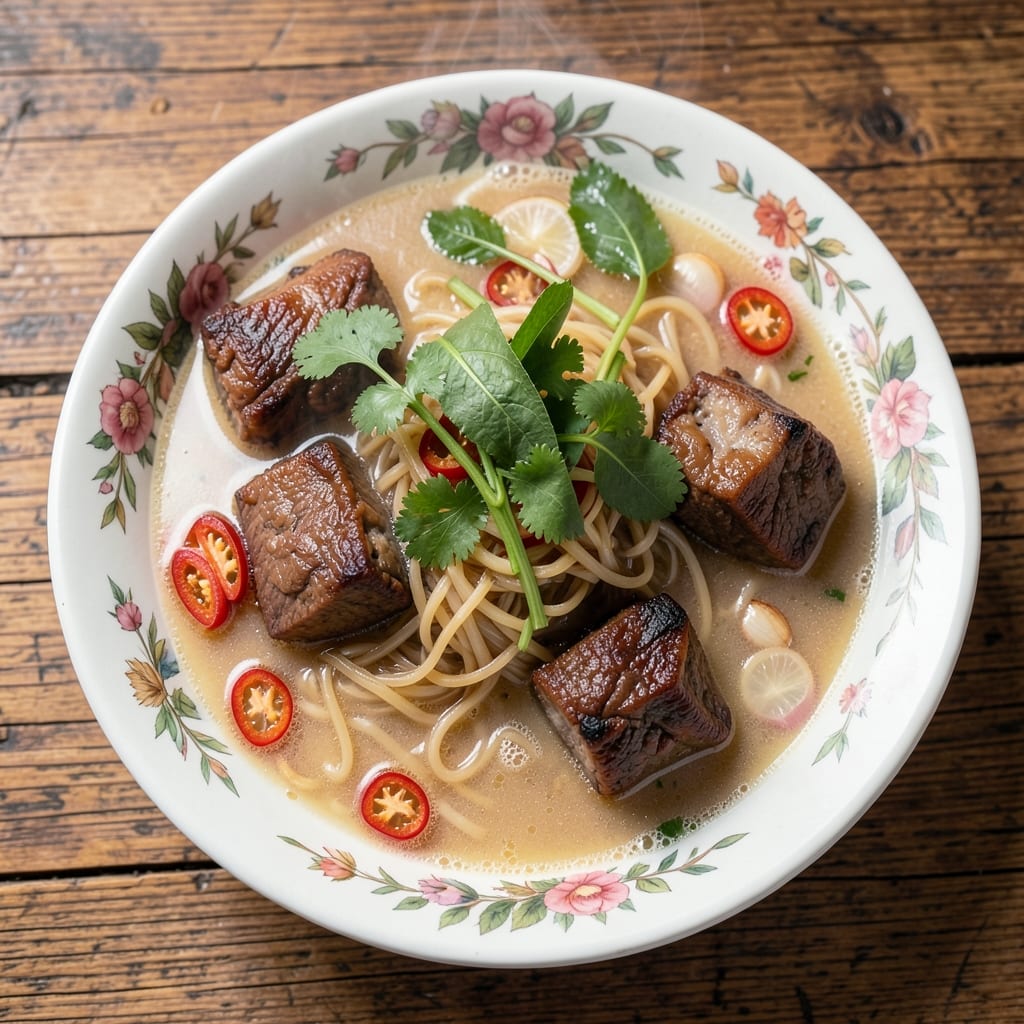
This authentic Thai beef noodle soup recipe delivers the complex, fragrant flavors of a Bangkok street stall right to your kitchen. The secret lies in balancing sweet, sour, salty, and umami—starting with a fragrant broth infused with lemongrass, galangal, and kaffir lime leaves. I've perfected this version using a homemade paste for depth, though a quality store-bought paste works in a pinch.
The broth simmers for hours, developing layers of flavor from bone-in beef and aromatic herbs, while tender beef slices and chewy rice noodles come together in perfect harmony. This isn't just soup—it's a complete dining experience with every spoonful bursting with bright, savory notes. The key is patience; letting the flavors meld transforms simple ingredients into something extraordinary.
What makes this recipe truly authentic is the attention to traditional techniques—properly blooming the spices, balancing the seasoning, and presenting it with fresh herbs and lime wedges. The result is a steaming bowl of comfort that's both restaurant-quality and deeply satisfying. Each component plays a crucial role, from the fragrant broth to the delicate garnishes.
Serve with fresh herbs, sliced chili, and lime for that perfect balance of heat and brightness. The beauty of this recipe lies in its adaptability—use fresh or dried herbs, adjust spice levels to taste, and make it your own while keeping the soul of Thai cuisine intact. Let's get cooking!
Ingredients for authentic thai beef noodle soup
Fragrant herbs and tender beef create this restaurant-quality Thai beef noodle soup.
| Ingredient | Amount | Notes |
|---|---|---|
| Bone-In Beef Chunks 🥩 | 1 ½ lb | Chuck or round roast preferred |
| Fresh Lemongrass 🌿 | 1 whole | White part only, cut into 2-inch pieces |
| Galangal 🌿 | 2 inches | Fresh, peeled and sliced thin |
| Kaffir Lime Leaves 🍋 | 4 whole | Bruised slightly for aroma |
| Thai Red Curry Paste 🌶️ | 2 tbsp | Homemade or quality store-bought |
| Coconut Milk 🥥 | 1 can | Full-fat, 13.5 oz can |
| Rice Noodles 🍜 | 8 oz | Flat or round, medium width |
| Fish Sauce 🍶 | 2 tbsp | Red Boat preferred |
| Palm Sugar 🍯 | 2 tbsp | Or substitute brown sugar |
| Garlic Cloves 🧄 | 6 cloves | Minced for paste |
| Shallots 🧅 | 4 whole | Peeled and sliced thin |
| Fresh Thai Basil 🌿 | ½ cup | Chopped for garnish |
| Bird's Eye Chili 🌶️ | 2 whole | Sliced thin for garnish |
| Lime Wedges 🍋 | 4 whole | For serving |
| Salt 🧂 | 1 tsp | Adjust to taste |
The galangal and kaffir lime leaves are non-negotiable for authentic flavor—look for them in the Asian section of stores like Whole Foods or H Mart. Fresh galangal has a citrusy, peppery kick similar to ginger but more complex. If you can't find it, ginger plus a pinch of coriander works in a pinch, though it won't be identical. The lemongrass should be vibrant green with no brown spots—trim the tough outer leaves before using. For the beef, bone-in chuck gives the richest flavor, though round roast is fine too. Pound it lightly to even thickness for consistent cooking.
No Thai curry paste? Mix 1 tbsp each chili flakes, garlic powder, and onion powder with a splash of fish sauce. Substituting coconut milk? Full-fat works best—light versions won't give that creamy depth. Running low on palm sugar? Brown sugar or coconut sugar are perfect swaps. The fish sauce is where the umami magic happens—Red Boat is the gold standard, but any reputable brand will do. Fresh Thai basil is ideal, but regular basil plus a pinch of cinnamon gets you close if you're in a bind. For the noodles, rice vermicelli works too, though flat rice noodles are traditional.
This broth develops flavor over time—simmer uncovered for at least 2 hours for maximum depth. Store leftovers in the fridge for 3-4 days or freeze for 2 months. Reheat gently with a splash of water to restore richness. The noodles soften quickly, so soak them separately and add just before serving. Garnishes like fresh herbs and lime should be added right before eating—they wilt fast when mixed in too early.
Why You'll Love This Recipe
- No-Chop Shortcuts: I swear by the galangal and lemongrass—just bruise them with the flat of your knife instead of slicing. That’s it. The broth builds flavor while you prep the rest, so you’re stirring, not stressing.
- Deep Umami Magic: Bone-in beef chunks melt into the broth, turning it rich and velvety. The red curry paste adds that signature Thai heat, but the galangal and kaffir lime leaves? They’re the secret—earthy, citrusy, and impossible to resist.
- Weeknight to Dinner Party: Same soup, endless occasions. Toss in extra greens for a quick lunch, or serve it in bowls with lime wedges for guests. My kids even ask for it when I tell them it’s “fancy” (it’s not, but they don’t know that).
- Leftovers That Taste Better: Honestly, the second day is my favorite. The beef gets even more tender, and the broth deepens. I freeze portions for those nights when I just want to dump everything into a pot and call it a win—no takeout needed.
Step-by-step instructions for authentic Thai beef noodle soup
Here's how to build this aromatic, deeply flavorful soup from scratch.
Prepare the Aromatic Base
In a large pot, combine the 1.5 lb bone-in beef chunks, 1 whole fresh lemongrass (cut into 2-inch pieces), 2 inches galangal (peeled and sliced), 4 whole kaffir lime leaves (bruised slightly), 6 cloves garlic (minced), and 4 whole shallots (sliced thin). Add 2 cups water and bring to a boil over medium-high heat.
Once boiling, reduce heat to medium-low and let it simmer uncovered for 15 minutes. This initial cooking draws out the essential oils from the aromatic ingredients, creating the foundation of your soup's complex flavor profile. The beef should begin to release its natural juices into the broth.
Build the Flavor Layers
After the initial simmer, add the 2 tbsp Thai red curry paste and stir to combine. Let the mixture cook for another 5 minutes, allowing the curry paste to bloom and release its deep, spicy notes. The broth should develop a rich, reddish hue and an inviting aroma.
Next, pour in the 1 can coconut milk and stir gently to incorporate. The coconut milk will create a velvety texture while adding subtle sweetness. Increase heat to medium and let the soup simmer for 10 minutes, allowing all the flavors to meld together. This is where the magic happens—the balance between the spicy, sweet, and savory elements begins to come together.
Season and Simmer the Beef
Add the 2 tbsp fish sauce, 2 tbsp palm sugar, and 1 tsp salt to the pot. Stir well to distribute these seasonings evenly throughout the broth. Taste and adjust the balance—you're aiming for a harmonious blend of sweet, salty, and umami flavors with just a hint of heat.
Continue simmering for 20-25 minutes until the beef is fork-tender and easily pulls apart. The broth should be rich and deeply flavored, with the beef absorbing all those aromatic notes. If the broth reduces too much, add ½ cup hot water to maintain the proper consistency. This step is crucial for developing the authentic depth of flavor that characterizes Thai beef noodle soup.
Prepare and Add the Noodles
While the beef is simmering, prepare the 8 oz rice noodles according to package instructions. Typically, this means soaking them in hot water for 5-8 minutes until they're pliable but still slightly firm. Drain and set aside, reserving ½ cup of the soaking water in case you need to adjust the soup's consistency later.
Once the beef is tender, carefully remove it from the broth using tongs and set it aside. Add the cooked rice noodles to the pot and gently stir to coat them in the flavorful broth. If the noodles absorb too much liquid and the soup becomes too thick, add 2-3 tablespoons of the reserved noodle water to achieve the perfect consistency—a balance between a hearty broth and al dente noodles.
Finish and Serve
Return the beef to the pot and let everything heat through together for 2-3 minutes. The beef should be fully immersed in the fragrant broth, ready to absorb those final flavor notes. Remove from heat and let the soup rest for 5 minutes—this allows the flavors to truly meld together.
To serve, ladle the soup into bowls, garnishing each portion with ½ cup fresh Thai basil, 2 slices bird's eye chili, and 1 lime wedge. The basil adds a bright, herbal note, while the chili brings a fresh kick of heat. The lime wedge allows each diner to customize the acidity to their preference. Serve immediately while the noodles are still warm and the aromas are at their peak.
Pro Tips For Making Authentic Thai Beef Noodle Soup
- CHAR THE BONE-IN BEEF: Blister the beef chunks in a screaming-hot wok or pot for 2-3 minutes first—this renders fat and seals flavor before adding broth. I used to skip this, and the soup always tasted flat; the Maillard reaction here is non-negotiable for depth.
- SLICE LEMONGRASS LIKE A PRO: Pound the lemongrass stalks with the flat side of your knife (not a hammer—it splinters) until they bruise, then cut into 2-inch pieces. Bruising releases oils that infuse the broth; whole stalks just float and underperform.
- DON’T BOIL THE GALANGAL: Add galangal last, when the broth is simmering gently, not rolling. It burns easily and turns bitter—once I ruined a batch by tossing it in too early. A 30-second blanch in hot broth before removing it works wonders without risking scorching.
- USE CURRY PASTE LIKE A BASE, NOT A FLAVOR BOMB: Start with 1-2 tablespoons of red curry paste (adjust to taste), but toast it in the beef fat for 30 seconds first—this deepens its aroma. Adding it raw just makes the soup taste like jarred paste. (Yes, even if the jar says "ready to use.")
Storing and reheating this dish
Broth Storage Secrets
The fragrant broth is the heart of this soup and stores beautifully. Let it cool completely before transferring to an airtight container—I use glass jars with tight-sealing lids. Store in the refrigerator for up to 4 days, or freeze for 2 months in heavy-duty freezer bags. The flavors actually deepen over time, so reheating makes it even more delicious. 💫
Noodle Prep Ahead
Cook your 8 oz rice noodles just before serving to maintain their perfect texture. However, you can prep them ahead by soaking them in cold water for 30 minutes (covered) in the fridge. Drain and store in an airtight container with a damp paper towel to prevent drying. Reheat by soaking in hot water for 2-3 minutes before adding to the soup.
Reheating Perfection
For the best results, reheat the broth and beef separately over low heat—this prevents overcooking the beef. Combine them just before serving. If using the microwave, heat in 30-second intervals, stirring between each, until reaching 165°F. Add a splash of hot water if the broth thickens too much during reheating. 🔥
Garnish Freshness
Fresh herbs and lime lose their vibrancy when reheated, so always add them right before serving. Store chopped Thai basil and bird's eye chili in small containers in the fridge for up to 3 days. Keep lime wedges in a sealed container to maintain their brightness. These final touches make all the difference in that restaurant-quality finish!
Make-Ahead Strategy
For a complete make-ahead meal, prepare everything except the noodles and garnishes, then refrigerate. When ready to serve, reheat the broth and beef, cook fresh noodles, and assemble with fresh garnishes. This approach keeps the dish tasting fresh and vibrant. I like to prep the broth the night before—it's the most time-consuming part and benefits from extra flavor development. ⏰
Freezer-Friendly Tips
If freezing the entire soup, leave 1 inch of headspace in your container to account for expansion. Thaw overnight in the fridge before reheating. For the best texture, add 1-2 tablespoons of coconut milk when reheating to restore creaminess. The noodles will soften further, so they're best added fresh when serving. 🥥
Nutrition facts
Frequently asked questions
Can I substitute bone-in beef with boneless for this recipe?
Yes, but expect a slightly less rich broth. Use 1.5 lb boneless beef chuck or round and add 1 beef bone (like a marrow or knuckle) to the pot during simmering to boost flavor. The bone will infuse the broth with gelatinous richness that boneless cuts lack.
What's the secret to balancing the flavors in Thai beef noodle soup?
The magic lies in the four key elements: sweet (palm sugar), salty (fish sauce), sour (lime), and spicy (chili). Taste as you go—start with 1 tbsp fish sauce, then adjust with sugar, lime juice, or chili to taste. The broth should sing with complexity, not overpower with any single note.
How do I make this soup less spicy for kids or sensitive eaters?
Reduce the bird's eye chili to 1 or none and omit chili from the curry paste. For extra mildness, add 1 extra tbsp palm sugar to balance any lingering heat. Serve with extra lime wedges so they can add acidity to their liking. The coconut milk already provides natural sweetness to help temper spice.
Can I use dried galangal instead of fresh?
Fresh galangal is ideal, but if you must use dried, soak 1 tsp dried galangal in warm water for 10 minutes first to rehydrate. The flavor will be milder, so increase to 3 inches fresh galangal equivalent in your recipe. For best results, combine with 1 extra pinch of coriander to mimic fresh galangal's complexity.
Why did my broth turn too thick after simmering?
This happens when the broth reduces too much or the noodles absorb too much liquid. Fix it by adding ½ cup hot water or reserved noodle soaking water to restore balance. For future batches, skim excess fat during simmering and resist the urge to reduce too aggressively. The broth should coat the back of a spoon but remain pourable.