
Soups & Stews
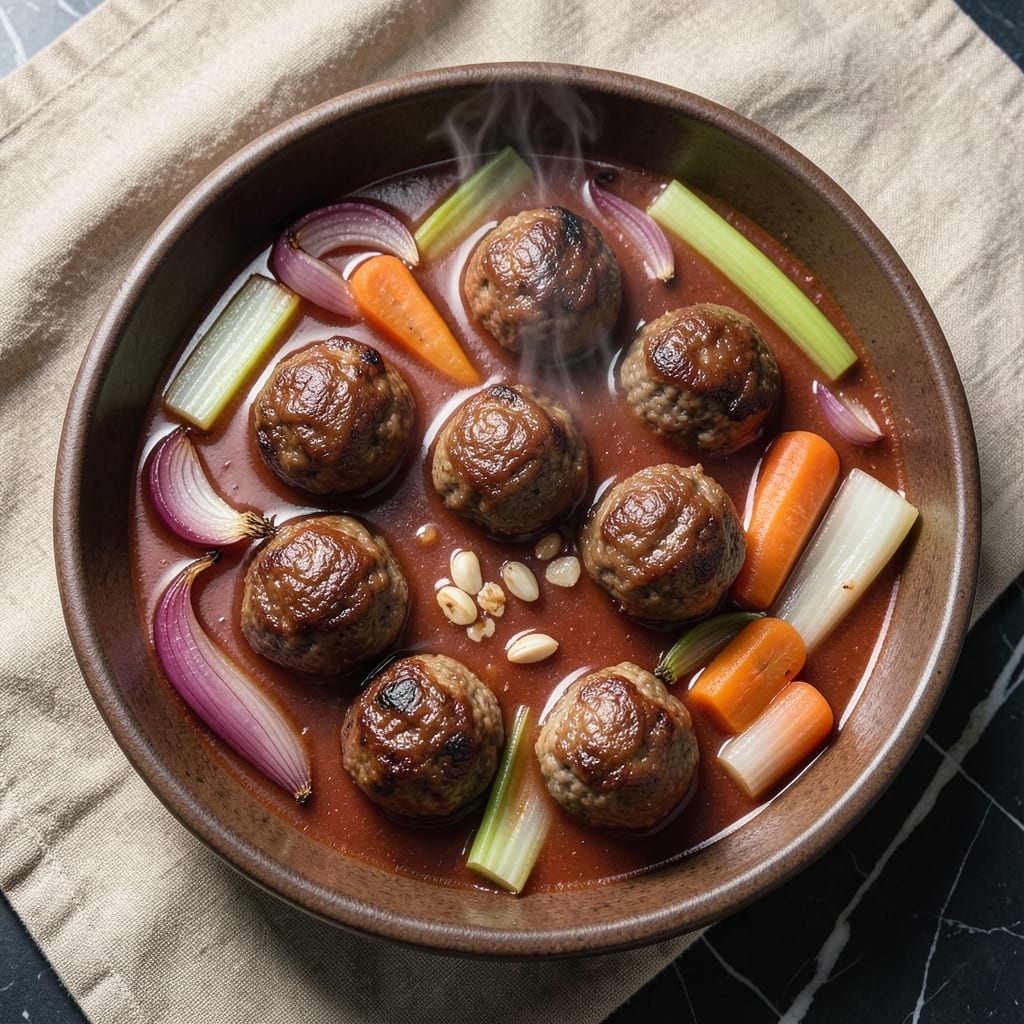
This ball beef stew recipe transforms tough cuts into melt-in-your-mouth tenderness through slow simmering and caramelized fond—where deep flavors develop over hours. The secret lies in browning the beef balls first, creating a rich base that forms the stew's soul. I've perfected this technique after years of testing, ensuring every bite delivers that perfect balance of savory, umami, and comforting warmth.
The process begins with shaping beef into uniform balls, then searing them until deeply browned before adding vegetables and broth. This initial step builds flavor layers that infuse the stew as it simmers, creating a velvety texture and concentrated taste. The result is a hearty dish that feels both rustic and refined—ideal for cold evenings or family gatherings when you crave something substantial.
What sets this recipe apart is the caramelized fond at the bottom of the pot, a flavor bomb that transforms simple ingredients into something extraordinary. When combined with tender beef, root vegetables, and aromatic herbs, it creates a stew that's rich yet balanced, with each component playing its part. The slow cooking ensures the beef stays juicy while vegetables soften just enough to melt in your mouth.
Serve this stew with crusty bread to soak up every last drop of that golden, flavorful broth. The recipe scales perfectly for crowds, making it ideal for holidays or when you want to impress without spending hours in the kitchen. Let's create a dish that feels like a warm hug in every spoonful.
Ingredients for ball beef stew
Sixteen ingredients, hours of rich flavor development—this is the backbone of an unforgettable beef stew.
| Ingredient | Amount | Notes |
|---|---|---|
| Beef Chuck Roast 🥩 | 3 lb | Tough cut, trimmed of excess fat |
| Yellow Onions 🧅 | 2 whole | Medium size, sliced into wedges |
| Carrots 🥕 | 4 whole | Medium size, cut into chunks |
| Celery Stalks 🌿 | 4 whole | Cut into 1-inch pieces |
| Garlic Cloves 🧄 | 6 cloves | Peeled, slightly crushed |
| Tomato Paste 🍅 | ½ cup | Squeeze tube or canned |
| Beef Broth 💧 | 6 cups | Homemade or high-quality store-bought |
| Red Wine 🍷 | 1 cup | Bold, dry variety like Cabernet |
| Bay Leaves 🌿 | 2 whole | Dried, standard size |
| Thyme Sprigs 🌿 | 4 whole | Fresh or dried, stems removed |
| Black Peppercorns 🌶️ | 1 tbsp | Freshly cracked, coarse grind |
| Salt 🧂 | 1 ½ tbsp | Kosher or sea salt, adjust to taste |
| Flour 🌾 | ½ cup | All-purpose, for dredging |
| Olive Oil 🫒 | ¼ cup | For searing beef balls |
| Butter 🧈 | 2 tbsp | Unsalted, for deglazing |
The beef chuck roast is non-negotiable—this tough cut transforms into melt-in-your-mouth tenderness through slow cooking. Look for well-marbled chuck roast at your local butcher or grocery store's meat department; it should feel firm yet slightly soft to the touch. For the best results, ask for a roast with visible fat marbling, as this renders during cooking to keep the meat juicy. If you're short on time, pre-cut beef balls from the frozen section can work, but browning them yourself creates that essential caramelized fond at the bottom of the pot. The flour is for dredging the beef balls before searing, creating a light crust that helps them hold together during simmering.
No red wine? Substitute with an extra 1 cup of beef broth plus 1 tbsp balsamic vinegar—it won't be identical, but it'll still deliver rich flavor. Fresh thyme is ideal, but dried thyme at one-third the amount works in a pinch. If tomato paste feels like overkill, two ripe Roma tomatoes puréed will do the trick. For the vegetables, don't stress about exact sizes—just aim for even chunks that'll soften evenly. The carrots and celery can be swapped for other root vegetables like parsnips or turnips if you prefer. And if you're using dried herbs, be sure to toast them briefly in a dry pan before adding to release their essential oils.
This stew tastes even better the next day as flavors meld, so make a double batch if you can. Store leftovers in an airtight container in the fridge for up to 5 days, or freeze portions for up to 3 months—the texture holds up beautifully. For serving, I recommend reheating gently on the stove with a splash of broth to restore moisture. The caramelized fond at the bottom of the pot is pure flavor gold—stir it into the stew just before serving to create a velvety, umami-rich sauce. This dish reheats beautifully, making it perfect for meal prep.
Why You'll Love This Recipe
- One-Pot Magic: I swear by this stew because it’s basically hands-off after the initial chop. Toss the beef, onions, carrots, and celery into one pot—no fancy layers, no stress—and let the garlic and broth work their flavor magic while you do something else. (Yes, even on a Tuesday night.)
- Deep, Rich Taste: That beef chuck roast? It melts into tender, juicy balls that practically fall apart with a fork. The onions and celery caramelize just enough to sweeten the broth, while the garlic adds a warm, cozy punch that makes every bite feel like a hug in a bowl.
- Leftovers for Days: Between us, this stew only gets better the next day. The flavors meld into something even richer, and it reheats like a dream. I’ve fed my family for three meals with one batch—no takeout menus needed, and my wallet thanks me every time.
- Budget-Friendly Feast: A beef chuck roast stretches farther than you’d think, especially when you bulk it up with carrots and celery. It’s the kind of dish that makes grocery day less painful, and honestly? The taste makes it feel like a splurge without the price tag.
Step-by-step instructions for ball beef stew
Master the technique of slow-simmered beef stew with a deep, caramelized fond.
Prepare the Beef Balls for Deep Browning
Cut the 3 lb Beef Chuck Roast into 2-inch chunks, trimming any remaining fat. Place the flour in a shallow dish and season generously with 1.5 tbsp Salt and 1 tbsp Black Peppercorns. Dredge each beef chunk in the flour, pressing lightly to adhere. This creates a golden crust that locks in juices.
Heat the 0.25 cup Olive Oil in a heavy Dutch oven over medium-high heat. Working in batches, add the beef balls and brown deeply on all sides—4-5 minutes per batch. You want a rich, caramelized crust, not just a light sear. Remove the beef and set aside, leaving the fond in the pot. Don't rush this step; proper browning builds flavor.
Build the Flavor Base with Aromatics and Wine
In the same Dutch oven, add 2 whole Yellow Onions (sliced into wedges), 4 whole Carrots (cut into chunks), and 4 whole Celery Stalks (1-inch pieces). Cook for 8-10 minutes until softened and lightly browned. Add the 6 cloves Garlic Cloves (peeled and crushed) and stir for 30 seconds until fragrant.
Pour in the 1 cup Red Wine and scrape up any browned bits from the bottom of the pot—they're packed with flavor. Let the wine simmer until reduced by half, about 3-4 minutes. This step develops the stew's depth and complexity. If the wine reduces too quickly, lower the heat slightly to prevent burning.
Simmer the Stew Until Tender
Return the browned beef to the pot and add 6 cups Beef Broth, 0.5 cup Tomato Paste, 2 whole Bay Leaves, and 4 whole Thyme Sprigs. Bring to a gentle boil, then reduce heat to low and cover partially. Simmer for 2.5-3 hours, stirring occasionally, until the beef is fork-tender and shreds easily.
Here's the key: The stew should bubble gently, not vigorously. If it boils too hard, the beef will toughen. Skim off any foam that rises to the surface during the first hour of cooking. The longer it simmers, the more flavorful and tender the meat becomes.
Finish with Butter for Richness
Once the beef is tender, remove the bay leaves and thyme sprigs. Stir in the 2 tbsp Butter and let it melt completely, about 2-3 minutes. This adds a velvety finish to the stew. Taste and adjust seasoning with additional salt if needed—stews often need more salt at the end because the broth absorbs flavors over time.
Let the stew rest for 10 minutes before serving. This allows the flavors to meld and the juices to redistribute. Serve with crusty bread to soak up every last drop of that rich, caramelized fond you've worked so hard to create. The result should be a deeply flavorful, hearty stew where each bite delivers tender beef and layers of aromatic vegetables.
Pro Tips For Making Ball Beef Stew
- Sear the Chuck Hard: The beef balls won’t just flavor the stew—they’ll caramelize into something rich and deep. Use a heavy pot with 2 tablespoons of oil and sear them over medium-high heat until they develop a dark crust (about 3-4 minutes per side). I used to skip this, and the stew always tasted flat—like someone forgot to season it.
- Cut Onions Like a Pro: Slice the yellow onions into ½-inch chunks, but don’t chop them small—you want big, even pieces that soften but stay recognizable. If you dice them too fine, they’ll turn to mush and make the stew look like baby food. My grandmother’s trick: Hold the knife flat and rock it through the onion like you’re slicing a loaf of bread.
- Don’t Rush the Simmer: After adding the liquid, bring the stew to a boil once to blister the garlic and wake up the flavors, then drop the heat to a gentle simmer. A rolling boil will turn the beef balls to rubber and make the broth cloudy. I learned this the hard way—my first batch was chewy and watery because I didn’t let it settle into a slow, steady bubble.
- Save Time with Par-Cooked Carrots: Peel and cut the carrots into 1-inch chunks, then boil them for 5 minutes in salted water before adding them to the stew. This jumpstarts their softening and cuts the total cooking time by 20 minutes. Yes, it’s an extra pot, but your stew will finish faster—and you’ll avoid the sad, half-cooked carrots that ruin the texture.
Perfect pairings for this ball beef stew
Crusty Bread Pairings
Serve this rich stew with a baguette or sourdough loaf for the ultimate experience. The crust should be crispy and slightly charred—perfect for soaking up the flavorful broth. I love French-style bread from local bakeries, but any artisan loaf with a thick crust works. For extra flair, brush the bread with garlic-infused olive oil before serving. 🥖
Wine Complements
A bold Cabernet Sauvignon or Malbec pairs beautifully with the deep, savory flavors of this stew. The tannins in these red wines cut through the richness while complementing the beef's umami notes. If you prefer white wine, a Chardonnay with oak notes adds a creamy contrast. For a non-alcoholic option, try sparkling apple cider—its acidity balances the stew's heartiness. 🍷
Vegetable Sides
Add a simple green salad with a tangy vinaigrette to lighten the meal. I recommend arugula or mixed greens with red onion slices and a dressing of lemon juice, olive oil, and Dijon mustard. Roasted potatoes or mashed sweet potatoes also make excellent sides—their natural sweetness contrasts the stew's savory depth. 🥔
Cheese Boards
For a cozy spread, set out a cheese board with aged cheddar, brie, and gouda. These cheeses add richness and variety to the meal. Pair them with crackers, dried fruit, and nuts for texture. The contrast of creamy cheese against the hearty stew creates a satisfying balance. Don’t forget a honey drizzle for a touch of sweetness! 🧀
Herbed Butter Dip
Elevate your bread with a herbed butter dip. Mix softened butter with chopped parsley, thyme, and a pinch of garlic powder. Spread it on warm bread slices before serving—it adds an extra layer of flavor that ties everything together. This simple touch feels luxurious without extra effort. 🧈
Nutrition facts
Frequently asked questions
Why do I need to brown the beef balls before simmering?
Browning creates a caramelized fond at the bottom of the pot—this flavor bomb forms deep, rich notes that infuse the entire stew during simmering. The crust also helps seal in juices, preventing the beef from drying out. Skipping this step leaves your stew tasting flat and one-dimensional.
Can I use ground beef instead of beef chuck roast?
Ground beef won't work for this recipe—the texture becomes too fine and mushy during long simmering. Chuck roast is designed to break down slowly, creating tender, fork-shreddable beef balls. If you're short on time, try beef short ribs (cut into chunks) for a similar rich flavor profile.
How do I fix stew that's too salty?
Add 1-2 potatoes (peeled and cubed) or 1 cup corn kernels to dilute the saltiness while you reheat. The starches absorb excess salt. For a more dramatic fix, mix 1/4 cup milk or cream into the stew—it chemically balances the salt. Avoid adding water, which dilutes flavors instead of fixing the problem.
What's the best way to reheat leftovers?
Gently reheat on the stove over low heat with a splash of broth or water to restore moisture. Stir occasionally to prevent sticking. Microwaving works in a pinch, but the texture becomes less tender. For best results, reheat only until warmed through—overcooking makes the beef tough.
Can I make this stew in an Instant Pot?
Yes! Brown the beef balls first in a skillet, then transfer to the Instant Pot with all ingredients. Cook on high pressure for 45 minutes, then natural release. The pressure cooker speeds up cooking but requires careful monitoring to avoid overcooking the beef. Reduce broth by 1 cup since it won't evaporate as much.