
Main Courses
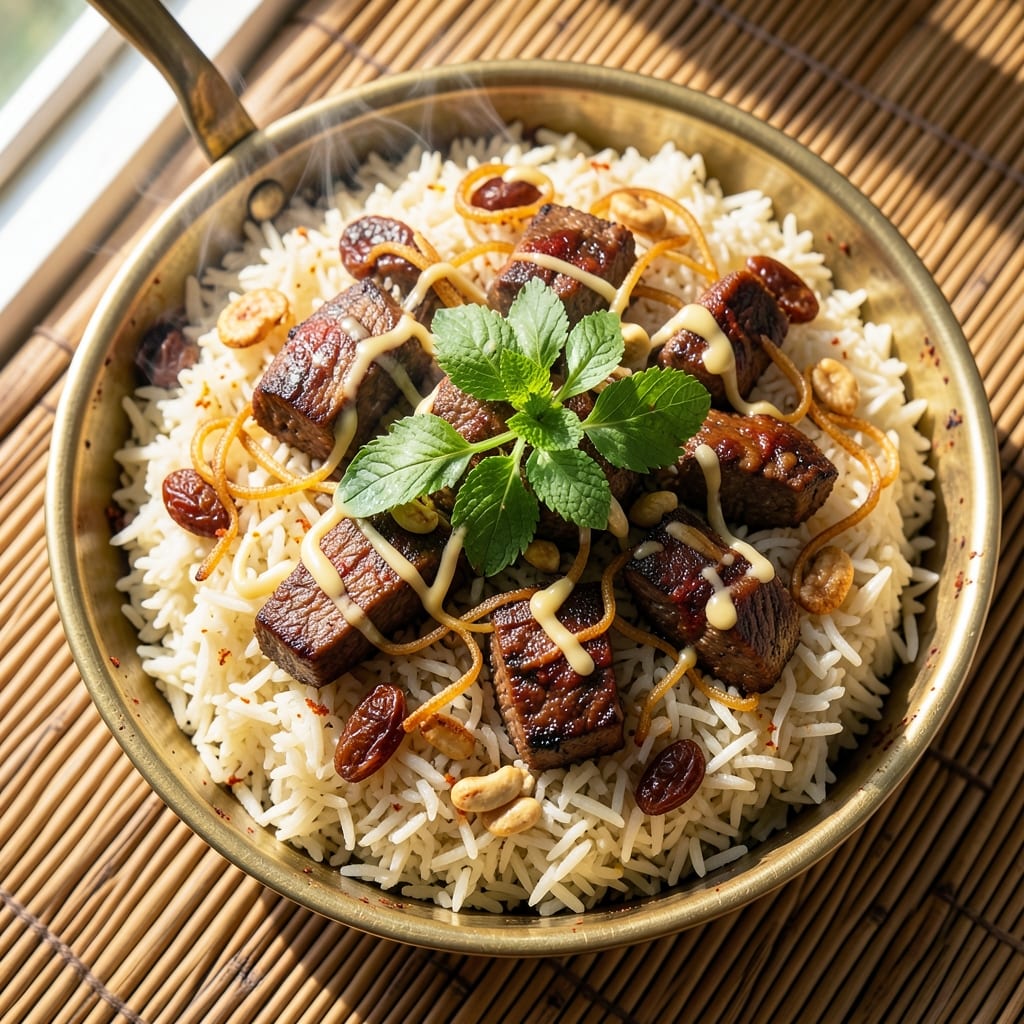
This Bangla recipe beef biryani transforms a simple pot into a fragrant centerpiece for celebrations, where tender beef and fragrant basmati rice marry in layers of aromatic spices. The secret lies in the marinade—yogurt, ginger, and garam masala tenderize the beef while building depth, while saffron-infused milk adds that signature golden hue. I've perfected this version over years of family gatherings, where every bite reveals the harmony of slow-cooked beef, toasted basmati, and the earthy warmth of biryani spices.
What sets this dish apart is the layered cooking technique—parboiled rice mixed with half-cooked beef and spices, then sealed with a tight lid to steam in its own juices. This method ensures each grain remains distinct yet infused with flavor, while the beef stays succulent rather than drying out. The result is a dish that balances richness and freshness, where every mouthful delivers both the smoky depth of the meat and the delicate floral notes of the rice.
Authentic Bengali biryani isn't just about flavor—it's about the experience. The aroma alone, as it steams in the pot, transports you to festive tables where this dish takes center stage. Whether serving for Eid, weddings, or Sunday family dinners, this recipe delivers restaurant-quality results with a process that's surprisingly approachable. The key is patience: letting the spices meld, the rice absorb flavors, and the layers work together.
For those who love sides, pair this with a cooling cucumber raita or a simple green salad to balance the richness. The biryani's versatility makes it perfect for both casual weeknights and special occasions—proof that tradition and simplicity can coexist beautifully. Let's bring this iconic dish to your table.
Ingredients for bangla recipe beef biryani
Six aromatic spices, tender beef, and fragrant basmati create this iconic Bengali centerpiece.
| Ingredient | Amount | Notes |
|---|---|---|
| Beef Chuck Roast 🥩 | 3 lb | Cut into 1.5-inch cubes |
| Plain Yogurt 🥛 | 1 cup | Full-fat preferred |
| Garam Masala 🌶️ | 2 tbsp | Freshly ground preferred |
| Fresh Ginger 🧄 | 2 tbsp | Finely grated |
| Garlic Cloves 🧄 | 6 cloves | Minced finely |
| Basmati Rice 🌾 | 2 cups | Uncooked, long-grain |
| Saffron Threads 🌼 | ¼ tsp | High-quality strands |
| Whole Milk 🥛 | 1 cup | For saffron infusion |
| Onion 🧅 | 1 whole | Medium, thinly sliced |
| Bay Leaves 🌿 | 2 whole | Dried, standard size |
| Cardamom Pods 🌿 | 6 whole | Lightly crushed |
| Cloves 🌿 | 4 whole | Whole, lightly crushed |
| Cinnamon Sticks 🌿 | 2 whole | 1-inch pieces |
| Vegetable Oil 🫒 | ½ cup | High smoke point |
| Salt 🧂 | 1 ½ tsp | Kosher or sea salt |
| Fresh Cilantro 🌿 | ¼ cup | Chopped, for garnish |
The beef is the foundation, so look for well-marbled chuck roast—it stays tender through the long cooking. I always buy mine from Whole Foods or a trusted butcher; the difference in texture is noticeable. For the garam masala, Penzeys Spices has the best blend, but any reputable brand with whole spices works. The saffron? Don't skimp—this is where the dish gets its signature golden hue. I buy mine from Indian grocery stores in bulk; a little goes a long way. Fresh ginger and garlic are non-negotiable here—they build the marinade's depth.
No garam masala? Mix 1 tsp each cumin, coriander, turmeric, and fenugreek as a substitute. Subbing yogurt? Plain Greek yogurt works best—its thickness helps tenderize. The basmati rice should be toasted before cooking—this gives it that nutty aroma. For the saffron infusion, warm the milk first—it extracts the color and flavor better. The onions? Red or yellow work—just make sure they're fresh. The spices like cardamom and cinnamon? Lightly crush them—this releases their oils without turning to dust.
Store the marinated beef in the fridge for up to 24 hours—this lets the flavors meld. The cooked biryani reheats beautifully; cover with foil and warm in the oven at 350°F for 20 minutes. Leftovers keep for 3-4 days in the fridge, though it's best enjoyed fresh. For extra flavor, garnish with fried onions before serving. The rice and beef layers can be prepped ahead—just assemble and cook when ready.
Why You'll Love This Recipe
- One-Pot Magic: I swear by this—no fancy layers or stress. The beef chucks in yogurt marinate while you prep the rest, then everything cooks together in one pot. That garam masala? Just sprinkle and stir—no measuring like a chemistry experiment.
- Ginger-Garlic Punch: The moment those minced garlic and fresh ginger hit the pan, your kitchen smells like a street-side stall in Dhaka. That slow-cooked beef? Tender enough to melt, with a crust that’s dangerously good—no dry bites here.
- Weeknight Workhorse: Between us, this is my go-to when I’ve got friends over or just need to feed a crowd. Double the batch, reheat portions later, and it still tastes like you slaved for hours. My kids even ask for seconds—(yes, even on a Tuesday night).
- Budget-Friendly Feast: Beef chuck roast stretches further than you’d think, especially when you marinate it in yogurt first. Leftovers? Even better the next day—just reheat with a splash of water. Honestly, I make this when I want to treat myself without breaking the bank.
Step-by-step instructions for Bangla beef biryani
Master this aromatic dish with precise layering and slow cooking techniques.
Marinate the Beef for Deep Flavor
Cut the 3 lb beef chuck roast into 1.5-inch cubes and place them in a large bowl. In a separate small bowl, combine the 1 cup plain yogurt, 2 tbsp garam masala, 2 tbsp finely grated fresh ginger, and 6 finely minced garlic cloves. Pour this marinade over the beef, ensuring every piece is thoroughly coated. Cover the bowl and refrigerate for at least 4 hours, preferably overnight. This extended marination allows the spices to penetrate deeply, creating that signature biryani flavor profile.
Real talk: Don't rush this step. The longer the beef marinates, the more tender and flavorful it becomes. I've found that overnight marination yields beef that practically falls apart during cooking. Also, make sure the yogurt is full-fat—it helps create a richer marinade that clings beautifully to the beef.
Prepare the Saffron Milk and Spice Base
In a small saucepan, combine the 1 cup whole milk and 0.25 tsp saffron threads. Heat gently over low heat for 3-4 minutes until the saffron strands bloom and the milk turns a delicate golden color. Remove from heat and set aside. In a separate heavy-bottomed pot, heat the 0.5 cup vegetable oil over medium heat. Add the 1 whole thinly sliced onion and cook until golden brown, about 8-10 minutes.
Add the 2 whole bay leaves, 6 lightly crushed cardamom pods, 4 whole lightly crushed cloves, and 2 whole 1-inch cinnamon sticks. Cook for 1-2 minutes until the spices begin to sizzle and release their aromatic oils. This spice base forms the aromatic foundation of your biryani. The onions should be deeply caramelized by now—this adds sweetness that balances the heat of the spices.
Cook the Marinated Beef with Spices
Add the marinated beef to the pot with the spice base. Stir gently to combine, then cover and cook on low heat for 1 hour. After the initial hour, add the 1.5 tsp salt and continue cooking for another 30-45 minutes, or until the beef is tender and the cooking liquid has reduced by about half. The beef should be fork-tender but not falling apart—it will continue cooking during the final assembly.
Here's the thing—don't overcook the beef at this stage. You want it tender but still with some resistance. Overcooking now will result in dry beef by the time you finish the biryani. If the liquid reduces too quickly, add a splash of water (about 2 tablespoons at a time) to maintain moisture throughout the cooking process.
Parboil and Layer the Rice
Rinse the 2 cups basmati rice thoroughly under cold water until the water runs clear. In a separate pot, bring 4 cups water to a boil, add the rice, and cook for exactly 5 minutes. Drain immediately and spread the rice on a tray to stop the cooking process. This parboiling ensures the rice remains separate and fluffy after the final cooking.
Now for the layering technique that makes biryani special. In a large heavy-bottomed pot (or a traditional handi), spread half of the parboiled rice evenly across the bottom. Top with half of the cooked beef and its juices, then sprinkle half of the saffron milk mixture. Repeat with the remaining rice, beef, and saffron milk. The layers should be even—this ensures each bite contains both rice and beef.
Dum Cook for Maximum Flavor
Cover the pot tightly with aluminum foil, then seal with a lid. Cook on low heat for 25-30 minutes. The key here is to maintain gentle heat—you're not trying to cook the rice now, just infuse all the layers with flavor. After the initial cooking time, turn off the heat and let the biryani steam for another 10 minutes. This resting period allows all the flavors to meld together perfectly.
When ready to serve, carefully remove the foil and lid. Garnish with the 0.25 cup chopped fresh cilantro. The biryani should have a beautiful golden crust on top from the caramelized onions and spices. Each bite should deliver tender beef, fragrant basmati rice, and layers of complex spice flavors. Serve immediately with raita or a simple cucumber salad to complement the rich biryani.
Pro Tips For Making Bangla Recipe Beef Biryani
- Marinate Beef Overnight: I used to rush this and wonder why my biryani tasted flat—turns out, beef chuck needs at least 12 hours in yogurt, ginger-garlic paste, and a pinch of garam masala to break down properly. The longer it sits, the more tender and flavorful it gets, especially with that chuck’s tougher fibers.
- Sear in Batches: High heat. Seriously, crank it up for that deep, caramelized crust on the beef. But here’s the catch: don’t overcrowd the pan—sear in two batches if needed. Patience here guarantees layers of flavor that plain boiling can’t match.
- Layer Rice and Meat Dry: Skip the soggy bottom by rinsing basmati rice until the water runs almost clear, then spread it out on a tray to dry for 10 minutes. Same goes for the partially cooked beef—pat it dry before layering. Moisture is the enemy of that perfect tawa-style crust when you seal it.
- Finish with Charcoal Heat: After dum cooking, resist the urge to rush—let the biryani sit covered for 10 minutes, then finish under direct charcoal heat (or broiler on high) for 3-4 minutes. This step adds that smoky, restaurant-quality aroma that separates homemade biryani from "meh" biryani.
Pro cooking tips for bangla recipe beef biryani
Marinade Mastery
The secret to restaurant-quality biryani starts with the marinade. I always use full-fat plain yogurt—it creates a richer, creamier texture that clings beautifully to the beef. For extra depth, add 1 tbsp lemon juice to your marinade along with the yogurt, ginger, and garlic. This brightens the flavors and prevents the beef from becoming too heavy. Let the beef marinate for at least 4 hours, but overnight is ideal—this gives the spices time to work their magic deep into the meat. 🌶️
Layering Like a Pro
Biryani's signature texture comes from perfect layering. After parboiling the rice, spread it evenly in the pot—this prevents clumping and ensures each bite has both rice and beef. For the beef layer, use a slotted spoon to remove any excess liquid before adding it to the rice. This keeps the biryani from becoming soggy. I like to finish each layer with a sprinkle of fried onions—this adds crunch and a sweet, caramelized flavor that elevates the dish. 🥔
Dum Cooking Secrets
The dum cooking method is what transforms good biryani into extraordinary biryani. The key is patience—maintain a gentle, consistent heat throughout the process. I use a heavy-bottomed pot to distribute heat evenly, and I always seal it tightly with foil before adding the lid. This double-sealing traps steam and infuses every layer with flavor. After cooking, let the biryani rest for 10 minutes before serving—this allows the juices to redistribute, making each bite more flavorful. 🔥
Spice Balance Tips
Biryani should dance between sweet, spicy, and aromatic. If your dish tastes too spicy, balance it with 1 tbsp sugar or 2 tbsp honey> mixed into the saffron milk. For extra warmth, add ½ tsp Kashmiri red chili powder>—it provides color and a mild heat. Taste as you go! Adjust seasoning gradually—it's easier to add more salt or spice than to fix an over-seasoned dish. 💡
Equipment Essentials
While you can make biryani in any heavy pot, a traditional handi> (clay pot) is ideal for even heat distribution. If you don't have one, a Dutch oven works perfectly. For the saffron milk, use a small saucepan with shallow sides—this prevents the milk from boiling over. A fine-mesh strainer comes in handy for rinsing the rice thoroughly, ensuring each grain stays distinct. These small tools make a big difference in the final result. ✨
Flavor Boost Hacks
Want to take your biryani to the next level? Add 1 tsp rose water> to the saffron milk for a floral note that's classic in Bengali cuisine. For smokiness, char a few green cardamom pods> and sprinkle them over the rice before layering. If you're feeling adventurous, add ½ cup chopped pistachios> to the top layer—they add a buttery crunch that pairs beautifully with the beef. These little extras make your biryani unforgettable. 💫
Nutrition facts
Frequently asked questions
Can I substitute chicken or lamb for the beef in this Bangla biryani?
Yes! For chicken, use 3 lb boneless thighs and marinate for 2 hours instead of overnight. Lamb works beautifully too—opt for 3 lb shoulder and increase marinating time to 6-8 hours. Adjust cooking time by 15-20 minutes for lamb (it's denser), but reduce for chicken by 10 minutes since it cooks faster. The layering technique remains the same!
What makes the rice in biryani different from regular rice?
The magic lies in the parboiling technique—cooking the rice for just 5 minutes then draining stops the cooking process. This keeps grains separate while allowing them to absorb flavors during the final dum cooking. Regular rice would turn mushy. Also, toasting the rice before cooking adds that nutty aroma! For extra fluffiness, use 1.5 cups water per 1 cup rice during parboiling.
Why does my biryani turn out dry? How can I fix it?
Dry biryani usually means too much heat or not enough moisture. First, ensure your beef is fork-tender but not falling apart before layering. Second, add 2 tbsp water to each rice layer during assembly. For reheating, cover tightly with foil and warm at 300°F for 15 minutes—never microwave! The foil traps steam to restore moisture.
Can I make biryani ahead of time?
This dish actually tastes better the next day. Cook and let it cool completely, then refrigerate for up to 3 days. Reheat by covering with foil and warming at 300°F for 20-25 minutes. For serving, sprinkle with 1 tbsp fresh cream and 1 tsp fried onions to revive the flavors. The resting time lets all the spices meld together beautifully!
What's the difference between dum cooking and pot biryani?
Dum cooking uses a double-sealed lid (foil + regular lid) to trap steam and cook slowly on low heat, creating a crispy top layer and tender center. Pot biryani cooks uncovered or with just a lid, resulting in a softer texture. For this recipe, dum cooking is essential—it's what gives authentic Bangla biryani its signature crust and layered flavors. If you don't have foil, use a tight-fitting lid with a small weight on top!