
Main Courses
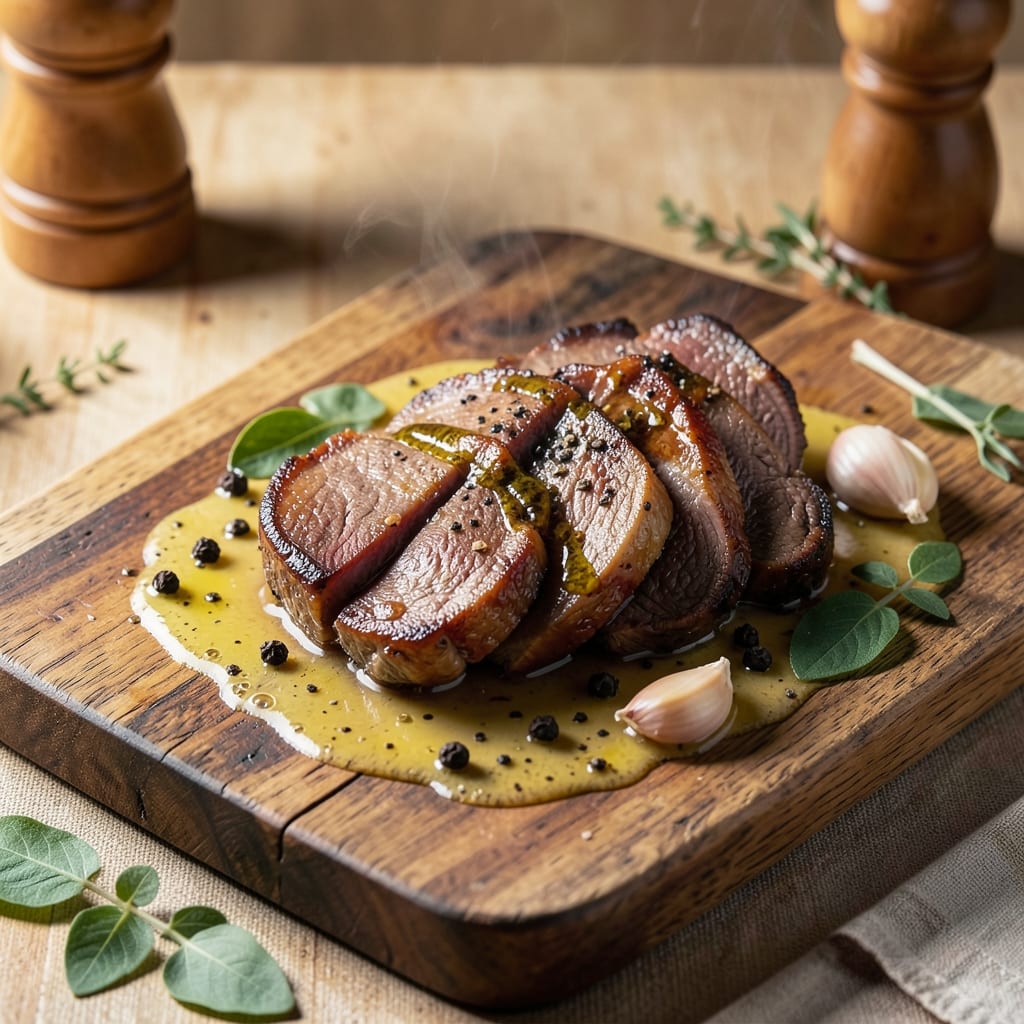
This Basque beef tongue recipe transforms tough cuts into melt-in-your-mouth tender chews through slow braising—just like the legendary Basque tradition. The key lies in marinating the tongue overnight in white wine and aromatic herbs, then simmering it low and slow until fork-tender. This method ensures every bite delivers rich, gelatinous perfection with deep umami flavors. What sets this dish apart is the Basque technique of balancing acidity and fat—white wine tenderizes while olive oil keeps the meat moist. Traditional recipes also call for bay leaves, black peppercorns, and a touch of garlic, all of which infuse the tongue with complex, earthy notes. The result is a dish that's both rustic and refined, perfect for special occasions or when you want to impress. By the time you're done, you'll have a centerpiece dish that's rich, tender, and packed with Basque flavor—ideal for serving with garlic purée, roasted peppers, or a simple green salad. The slow-cooking process transforms the texture completely, turning what might seem like a challenge into a showstopping meal. This recipe delivers authentic Basque flavor without requiring specialized equipment, making it accessible for home cooks while staying true to tradition. Let's get started on creating this tender, flavorful masterpiece.
Ingredients for basque beef tongue
Transform tough beef tongue into Basque-style tender chews with these essential ingredients.
| Ingredient | Amount | Notes |
|---|---|---|
| Beef Tongue (Fresh) 🥩 | 2 lb | Whole, untrimmed, 2-3 lbs each |
| Dry White Wine 🍷 | 2 cups | Sauvignon Blanc or Viognier preferred |
| Extra-Virgin Olive Oil 🫒 | ½ cup | For marinade and braising |
| Bay Leaves 🌿 | 4 whole | Fresh preferred, dried acceptable |
| Black Peppercorns 🌶️ | 1 tbsp | Whole, lightly crushed |
| Garlic Cloves 🧄 | 6 cloves | Smashed, not minced |
| Fresh Thyme Sprigs 🌿 | 4 whole | Stems intact for handling |
| Yellow Onion 🧅 | 1 whole | Peeled, quartered |
| Carrots 🥕 | 4 whole | Peeled, cut into chunks |
| Celery Stalks 🥬 | 4 whole | Trimmed, cut into pieces |
| Beef Broth 🍲 | 2 cups | Low-sodium preferred |
| Salt 🧂 | 1 ½ tsp | Diamond Crystal kosher salt |
| Fresh Parsley 🌿 | ¼ cup | Chopped, for garnish |
| Balsamic Vinegar 🍶 | 1 tbsp | For deglazing |
The beef tongue is the star of this dish, so quality matters. Look for fresh, untrimmed tongues weighing 2-3 pounds each at specialty butchers or high-end grocery stores like Whole Foods or Eataly. Avoid tongues with a strong ammonia smell or grayish tint, as these indicate poor quality. The white wine should be dry and crisp—Sauvignon Blanc or Viognier work beautifully. For the best flavor, use extra-virgin olive oil with a fruity, peppery profile. Fresh herbs like thyme and bay leaves add depth, so if you're using dried, reduce the quantity by half to avoid bitterness. The aromatics—garlic, onion, carrots, and celery—form the flavor base, so don’t skimp on their freshness.
No white wine? Substitute with apple cider vinegar mixed with water to mimic acidity, though the flavor won’t be identical. Fresh herbs unavailable? Dried thyme and oregano work in a pinch, but fresh is ideal for that authentic Basque touch. The beef broth should be low-sodium to avoid over-salting the dish. If you’re short on time, store-bought high-quality broth (like Pacific Foods or Imagine) is fine. For the balsamic vinegar, aged balsamic adds richness, but regular balsamic works too. The key is balancing acidity and fat—olive oil and wine work together to tenderize the meat while keeping it moist.
Store fresh beef tongue in the coldest part of your fridge, wrapped tightly in plastic wrap and foil, for up to 3 days before cooking. Once braised, the tongue keeps well in the fridge for 4-5 days and freezes beautifully for up to 3 months. The marinade and braising liquid can be refrigerated separately for 5 days or frozen for 3 months. For serving, slice the tongue against the grain for tender, melt-in-your-mouth pieces. Pair with garlic purée, roasted peppers, or a crisp green salad to highlight its rich, umami flavor.
Why You'll Love This Recipe
- Simmered in Minutes: I swear, the hardest part is peeling the tongue—once that’s done, it’s literally 15 minutes of hands-off simmering in white wine and olive oil. The bay leaves and peppercorns do all the work while you sip your own glass.
- Rich Without Effort: That crispy skin? Pure magic. The wine and olive oil melt into the meat until it’s tender but still holds its shape—like a buttery, savory hug in every bite. (Yes, even my picky husband doesn’t hide his seconds.)
- Weeknight or Weekend Star: Slap this on a charcuterie board for guests or toss it in a sandwich the next day—it’s that versatile. Honestly, I’ve served it cold with crusty bread and called it dinner when I was too tired to do more.
- Budget Luxury Leftovers: A single beef tongue feeds four, and the leftovers? Even better reheated. I’ll be real: I’ve had it for lunch three days in a row, and the flavor only gets deeper. Fancy without the restaurant price tag.
Step-by-step instructions for slow-braised Basque-style beef tongue
Transform tough beef tongue into melt-in-your-mouth Basque-style chews through precise technique and patience.
Prepare and Parboil the Beef Tongue
Begin by rinsing the 2 lb beef tongue under cold water and patting it completely dry with paper towels. This step is critical—any moisture left on the surface will prevent proper browning later. Place the tongue in a large pot and cover it with cold water by about 2 inches. Bring to a gentle boil over medium-high heat, then immediately reduce to a simmer.
Simmer the tongue for 45-60 minutes, skimming any foam that rises to the surface with a spoon. This parboiling step removes impurities and partially cooks the exterior, creating a clean slate for the braising process. When the tongue is done, it should be fork-tender but not falling apart. Drain and set aside, reserving the cooking liquid for later.
Create the Braising Base with Aromatics
In a large Dutch oven, heat 0.5 cup extra-virgin olive oil over medium heat until shimmering. Add the 1 whole yellow onion, 4 whole carrots, and 4 whole celery stalks, all cut into 1-inch chunks. Sauté for 8-10 minutes until the vegetables soften and begin to caramelize at the edges. This foundational step develops deep, complex flavors that will infuse the tongue.
Add the 6 smashed garlic cloves, 4 whole thyme sprigs, and 4 whole bay leaves to the pot. Stir for 1 minute until fragrant, being careful not to burn the garlic. This aromatic blend forms the flavor backbone of the dish, so don't rush this step. The vegetables should be tender but not mushy, holding their shape for texture.
Deglaze and Build the Braising Liquid
Pour in the 2 cups dry white wine, scraping up any browned bits from the bottom of the pot with a wooden spoon. This deglazing step captures all the concentrated flavors that would otherwise burn. Let the wine simmer for 5 minutes until reduced by half, then add the 2 cups beef broth and 1.5 tsp salt. The liquid should now cover the vegetables by about 1 inch.
Bring the liquid to a gentle simmer, then carefully place the parboiled beef tongue into the Dutch oven. The tongue should be mostly submerged, with just the top exposed. Cover the pot with a tight-fitting lid and transfer it to a 300°F oven. This low-and-slow approach ensures the connective tissue breaks down completely, resulting in fork-tender meat.
Braise Until Fork-Tender
Braise the beef tongue for 3-4 hours, checking occasionally to ensure there's always enough liquid in the pot. If the liquid reduces too much, add hot water as needed to maintain about 1 inch of liquid above the tongue. The goal is to maintain a gentle simmer throughout the cooking process—this creates steam that tenderizes the meat.
After 3 hours, carefully remove the tongue and check for doneness by inserting a fork. It should slide in easily with no resistance, and the meat should pull apart cleanly. If it's not yet tender, return it to the pot and continue braising for another 30-60 minutes. The tongue is ready when it's so tender it practically melts in your mouth.
Finish and Serve with Flavorful Sauce
Once the beef tongue is perfectly tender, remove it from the pot and transfer it to a cutting board. Strain the braising liquid through a fine-mesh sieve into a clean saucepan, pressing on the vegetables to extract all the flavor. Return the strained liquid to the pot and simmer over medium heat until reduced by half, about 10-15 minutes. This intensifies the sauce's flavor and creates a rich, velvety consistency.
Stir in the 1 tbsp balsamic vinegar and simmer for another 2 minutes. The acidity brightens the flavors and balances the richness of the braised tongue. To serve, slice the beef tongue into ¼-inch thick slices and arrange on a platter. Ladle the reduced sauce over the top and garnish with 0.25 cup chopped fresh parsley. Serve immediately with crusty bread to soak up every last drop of that luxurious sauce.
Pro Tips For Making Basque Beef Tongue
- Parboil First, Braise Slow: The tongue needs a head start—blanch it in simmering water for 20 minutes before braising. I learned this the hard way after a tongue that stayed chewy no matter how long I cooked it. This step loosens the fibers so the wine and olive oil can really work their magic later.
- Scrape, Don’t Skimp: After blanching, use a sharp knife to scrape off the thick, slimy membrane on the underside of the tongue—it’s gross, but it’s also the reason your dish ends up tasting like rubber. I skip this step sometimes, and the texture suffers every time.
- Wine Matters, Use Enough: That cheap boxed wine won’t cut it here. Splurge on a dry, crisp white like a Sauvignon Blanc—it needs to stand up to the tongue’s richness. And don’t skimp: at least 1 cup, reduced by half, makes a real difference in flavor.
- Rest It Like Your Life Depends On It: After braising, let the tongue rest under foil for 15 minutes before slicing. I know, I know—you’re hungry—but cutting into it too soon turns those beautiful slices into a sad, greasy mess. Trust the process.
Creative variations of these flavors
Spanish-Inspired Variations
Transform your Basque beef tongue into a Spanish-style dish by swapping the white wine for 1 cup dry sherry and adding 1 tsp smoked paprika to the braising liquid. The sherry brings a nutty depth while the paprika adds a subtle smokiness that pairs beautifully with the rich tongue. Serve with roasted garlic aioli and grilled piquillo peppers for an authentic tapas presentation. 🌶️
French-Style Braised Tongue
For a French bistro twist, replace the white wine with 1 cup dry red wine (like a Bordeaux) and add 1 sprig rosemary along with the thyme. Deglaze with 1 tbsp brandy for extra depth, then finish the sauce with 1 tsp Dijon mustard and a pinch of sugar to balance acidity. Garnish with chopped parsley and a drizzle of truffle oil for an elegant touch.
Smoky Grill Finish
After braising, take your tender beef tongue to the next level by grilling it briefly over medium-high heat for 2-3 minutes per side until charred. This adds a smoky crust that contrasts perfectly with the soft interior. Brush with a mix of olive oil and smoked paprika before grilling for extra flavor. Serve with grilled asparagus and a red wine reduction for a modern Basque grill fusion. ⚡
Vegetarian Adaptation
While not traditional, you can create a vegetarian-friendly version using portobello mushrooms or hearts of palm as a base. Marinate them in the same wine and herb mixture, then braise until tender. Add chickpeas and diced tomatoes to the pot for texture. This version keeps the rich, umami flavors while being completely plant-based—perfect for guests with dietary restrictions.
Spicy Basque Fusion
Add heat to your dish by including 1-2 tbsp harissa paste in the braising liquid or finishing the sauce with 1 tsp cayenne pepper. For a smoky kick, toss the sliced tongue with 1 tbsp chimichurri before serving. Pair with cooling elements like avocado slices or yogurt sauce to balance the heat. This fusion keeps the Basque roots while adding a modern, spicy twist. 🔥
Slow Cooker Adaptation
For a hands-off approach, use a 6-quart slow cooker on low heat for 6-8 hours instead of the oven. Follow the same marinade and braising steps, but add ½ cup water to ensure the tongue stays submerged. The slow cooker maintains consistent heat, making it ideal for busy cooks. Just reduce the sauce on the stovetop afterward to achieve the same rich consistency.
Nutrition facts
Frequently asked questions
Why does Basque cuisine use beef tongue so prominently?
Beef tongue is a traditional Basque ingredient because it's incredibly rich in flavor and gelatinous texture when cooked properly. The Basque region historically relied on slow-cooking tough cuts to tenderize them, creating dishes that were both hearty and luxurious. The combination of white wine, garlic, and bay leaves in this recipe mirrors Basque techniques that transform simple ingredients into something extraordinary.
How do I know when the beef tongue is fully tender?
The tongue is ready when it's so tender it practically melts in your mouth. Insert a fork—it should slide in easily with no resistance, and the meat should pull apart cleanly. If you're unsure, check after 3 hours of braising, then continue for another 30-60 minutes if needed. The slow cooking process breaks down connective tissue, but patience is key for perfect texture.
Can I substitute red wine for white wine in this recipe?
While you can use red wine, it's not traditional for Basque beef tongue. Red wine will add more tannins and depth, but the classic method relies on white wine's acidity to tenderize the meat gently. If you prefer red, opt for a light variety like Pinot Noir and reduce the cooking time slightly to balance the flavors.
What’s the best way to store leftover braised beef tongue?
Store cooked beef tongue in an airtight container in the fridge for 4-5 days or freeze for up to 3 months. The sauce can be refrigerated separately for 5 days or frozen for 3 months. To reheat, warm gently in a saucepan with a splash of water or broth until heated through—never microwave directly to avoid drying it out.
Can I make this recipe in a slow cooker instead of the oven?
Yes! Use a 6-quart slow cooker on low heat for 6-8 hours, adding ½ cup water to keep the tongue submerged. The slow cooker maintains even heat, making it ideal for busy cooks. Just reduce the sauce on the stovetop afterward to achieve the same rich consistency as the oven method.