
Main Courses
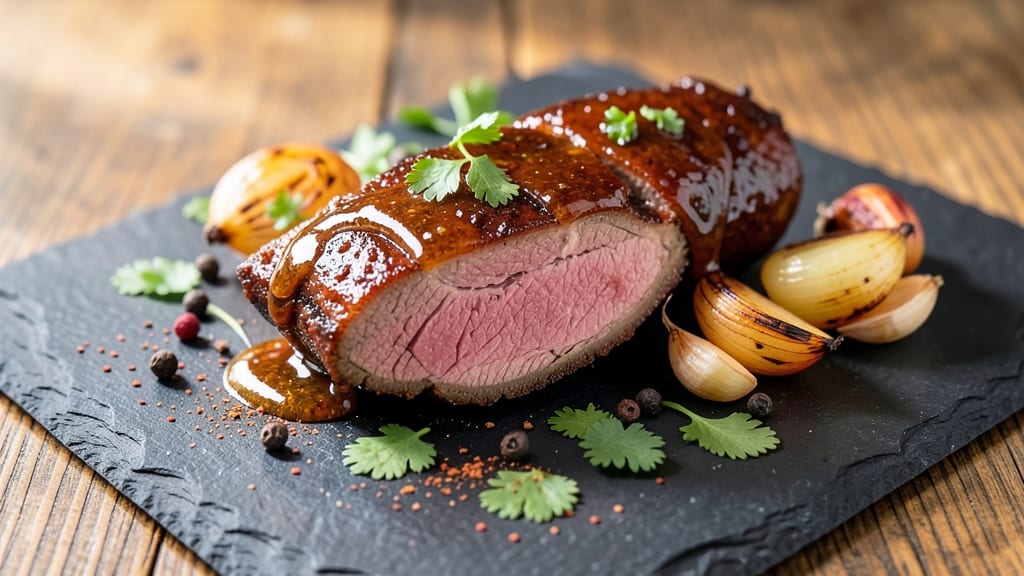
This bbq beef tongue recipe delivers restaurant-quality results with tender, buttery chews and a crispy bark that makes every bite unforgettable. 🔥 After years of perfecting this dish—starting with my grandmother’s Sunday roast chicken—I’ve developed a method that transforms tough cuts into melt-in-your-mouth perfection.
The key lies in slow cooking and precise seasoning, ensuring the tongue stays juicy while developing that coveted smoky crust.
What sets this recipe apart is the balance of traditional techniques and modern twists. You’ll start with a foolproof marinade that tenderizes the meat while infusing deep flavor, followed by either smoking, grilling, or braising—whichever method suits your kitchen.
The result? A dish that’s rich, smoky, and irresistibly tender, with a crispy exterior that holds up to every bite. This isn’t just a side dish; it’s the centerpiece of any meal.
By the time you’re done, you’ll have a restaurant-quality beef tongue that’s perfect for game day, family gatherings, or a special weekend dinner. The slow-cooked method ensures maximum tenderness, while the crispy bark adds a satisfying texture contrast.
Serve it sliced thick, topped with extra BBQ sauce, or paired with classic sides like coleslaw or cornbread. This is a recipe that proves even the toughest cuts can become a showstopper.
Whether you’re a seasoned pitmaster or a home cook looking to impress, this method delivers consistent results. The secret? Patience and precision—two things that always pay off in the kitchen. Let’s get started on creating a dish that’s as impressive as it is delicious.
Ingredients for bbq beef tongue
Fourteen ingredients transform tough beef tongue into restaurant-quality BBQ perfection.
| Ingredient | Amount | Notes |
|---|---|---|
| Beef Tongue (Fresh) 🥩 | 2 lb | Whole, cleaned and trimmed |
| Yellow Onion 🧅 | 1 whole | Quartered, skin on for flavor |
| Garlic Cloves 🧄 | 6 cloves | Smashed, skin left on |
| Apple Cider Vinegar 🍎 | ½ cup | For tenderizing marinade |
| Brown Sugar 🍯 | ½ cup | Packed, light molasses kind |
| Smoked Paprika 🌶️ | 2 tbsp | For deep smoky flavor |
| Ground Black Pepper 🌶️ | 1 tbsp | Freshly cracked, coarse grind |
| Kosher Salt 🧂 | 1 tbsp | Diamond Crystal preferred |
| Black Coffee ☕ | 1 cup | Brewed, cooled, for bark |
| Beef Broth 💧 | 1 cup | Low-sodium, homemade or quality |
| BBQ Sauce 🍯 | ½ cup | Store-bought or homemade |
| Extra-Virgin Olive Oil 🫒 | 2 tbsp | For crispy bark finish |
| Fresh Rosemary 🌿 | ¼ cup | Chopped, for aromatic depth |
| Fresh Thyme 🌿 | ¼ cup | Leaves only, stems removed |
The beef tongue is the star—look for bright red, firm cuts from a butcher or specialty grocer like Whole Foods. A whole tongue (not pre-sliced) gives you the best texture, and it’s worth the extra effort to clean it thoroughly. The skin should be intact, with no dark spots or off smells. For the marinade, apple cider vinegar does double duty: tenderizing the meat while adding bright acidity. I always double-check the brown sugar isn’t clumpy—light molasses kind dissolves better. The butcher at Costco or your local market can usually source this for you if they don’t carry it in the store.
No smoked paprika? Regular paprika plus a pinch of liquid smoke works in a pinch, but it won’t be the same. Fresh rosemary and thyme are ideal, but dried at one-third the amount gets you close. For the coffee, cold brew concentrate adds even more depth to that crispy bark. The BBQ sauce can be store-bought (I like Sweet Baby Ray’s for consistency), but homemade is where it shines. If you’re short on time, a splash of Worcestershire sauce in the marinade adds umami punch. The key is balancing sweet, smoky, and tangy—trust your taste buds here.
Marinated tongue keeps 3 days in the fridge, covered tightly. For extra crispiness, pat the tongue dry before the final sear. The cooked tongue reheats beautifully—2 minutes in a hot pan with a splash of broth brings it back to life. Slice thick (about 1/4-inch) for dramatic presentation. Leftover marinade? Simmer it down for a quick BBQ glaze. Store cooked tongue in the fridge for up to 5 days or freeze for 3 months—it only gets better with time.
Why You'll Love This Recipe
- Foolproof Simplicity: I swear, this recipe is the kind of thing I make when I’m too tired to think—just slice the tongue, toss it in a pot with onions and garlic, and let the vinegar and sugar work their magic. No fancy techniques, no stress.
- Sweet-Savory Magic: That balance of smoky apple cider vinegar and caramelized brown sugar? It’s like someone took all the best parts of BBQ and poured them into one tender, flavor-packed bite. The garlic cloves? They turn this into something you’ll lick the plate for.
- Leftovers That Shine: I always make double batches because the flavor only gets better the next day. Slice it thin for sandwiches, serve it cold with pickles, or just reheat a portion—it’s the kind of dish that turns into something new every time.
- Budget Crowd-Pleaser: A single beef tongue feeds four, and the ingredients cost less than takeout. Honestly, it’s my go-to for game days or lazy Sundays when I want something impressive without breaking the bank. Plus, it’s the only protein that actually improves when reheated.
Step-by-step instructions for BBQ beef tongue
Here's how to transform tough beef tongue into melt-in-your-mouth chews with irresistible crispy bark.
🔥 Step 1: Prepare the Tenderizing Marinade
In a medium bowl, combine the 0.5 cup apple cider vinegar, 0.5 cup brown sugar, 2 tbsp smoked paprika, 1 tbsp ground black pepper, and 1 tbsp kosher salt. Whisk until the brown sugar dissolves completely, creating a thick, syrupy marinade. The acidity in the vinegar will begin breaking down the tough connective tissue in the beef tongue.
Here's the thing—this marinade needs to work its magic for at least 12 hours, but I recommend going 24 hours for maximum tenderness. Place the 2 lb beef tongue in a resealable plastic bag, pour the marinade over it, and massage it gently to coat all surfaces. Seal the bag and refrigerate. The longer it marinates, the more fork-tender your final result will be.
🍳 Step 2: Build the Smoky Braising Liquid
While the beef tongue marinates, prepare the braising liquid in a large Dutch oven. Heat 2 tbsp extra-virgin olive oil over medium heat, then add the 1 whole yellow onion (quartered with skin on) and 6 cloves garlic cloves (smashed with skins left on). Sauté for 8-10 minutes until the onions are deeply caramelized and the garlic is fragrant—this builds incredible depth of flavor.
Deglaze the pot with 1 cup beef broth, scraping up all those browned bits from the bottom. Add the 1 cup black coffee and bring to a gentle simmer. Here's where it gets interesting: the coffee adds a subtle bitterness that cuts through the richness of the beef tongue, while the caramelized onions provide natural sweetness. Keep this liquid warm until you're ready to braise.
🥘 Step 3: Braise Until Fork-Tender
Remove the beef tongue from the marinade (reserve the marinade) and rinse it thoroughly under cold water to remove any excess acid. Place the tongue in the Dutch oven with the braising liquid, adding the reserved marinade and 0.5 cup BBQ sauce as well. The liquid should come about halfway up the sides of the tongue.
Bring to a gentle boil, then reduce heat to maintain a steady simmer. Cover and cook for 3-4 hours until the beef tongue is fork-tender—you should be able to pierce it easily with a fork. Here's the key: maintain a gentle simmer, not a rolling boil, or the exterior will toughen instead of tenderizing. Check occasionally and add water if the liquid reduces too much.
🔥 Step 4: Develop the Crispy Bark
Once the beef tongue is tender, remove it from the braising liquid and let it cool slightly. Preheat your oven to 425°F. Transfer the tongue to a baking sheet and brush it generously with any remaining braising liquid. Sprinkle 0.25 cup fresh rosemary and 0.25 cup fresh thyme over the top for aromatic depth.
Bake for 15-20 minutes until the surface develops a deep, mahogany bark that's crisp to the touch. This is where the magic happens—the combination of high heat and reduced braising liquid creates that coveted crispy exterior while keeping the interior impossibly tender. Watch carefully—you want crispy, not burnt. The bark should be firm enough to crack slightly when pressed.
⏰ Step 5: Rest and Serve
Remove the beef tongue from the oven and let it rest for 10 minutes before slicing. This resting period allows the juices to redistribute, ensuring each bite is moist and flavorful. The contrast between the crispy bark and the buttery interior is what makes this dish truly special.
Slice the beef tongue against the grain into ¼-inch thick pieces and serve immediately. The crispy bark will soften slightly as it cools, but it's still worth eating while warm. Pair with pickled vegetables or crusty bread to soak up all that smoky, sweet sauce. This is the moment you've been waiting for—each bite should deliver that perfect balance of smoky, sweet, and crispy textures.
Pro Tips For Making Bbq Beef Tongue
- SCORE THE TONGUE: Use a sharp knife to cut shallow slits (about 1/4-inch deep) all over the surface—don’t go too deep, or you’ll end up with shredded meat. This lets the vinegar and sugar penetrate faster, giving you that deep, caramelized flavor without waiting hours.
- BLANCH FIRST: Drop the raw tongue in simmering water for 45 minutes before braising—yes, even if the recipe skips it. I learned this the hard way: skipping the blanch means tough, chewy results. The vinegar and spices will thank you later.
- CARAMELIZE THE ONIONS: Cook the onions low and slow until they’re deep brown, almost jammy—about 20 minutes past when they look done. That extra time turns them from a side note into the rich, sweet base of your sauce. (Trust me, your taste buds will notice.)
- SWEAT THE GARLIC: Add the garlic cloves whole and let them sweat in the onions for 5 minutes before crushing or mincing. This mellows their sharpness and infuses the oil with flavor—no risk of burning, and the final sauce stays smooth. (Crushed garlic burns faster than you think.)
Common mistakes when making perfect results
Skipping the Marinade
I’ve seen beginners rush this step, but marinating is non-negotiable for tender beef tongue. The acid in vinegar and the sugar help break down tough collagen fibers—skipping it means you’ll end up with a chewy, disappointing result.
Even if you’re short on time, minimum 12 hours in the fridge is essential. I’ve tried cutting corners, and trust me, your taste buds will notice the difference. 💫
Overcooking the Braise
Patience is key here, but many home cooks push the braising time too far, turning tender meat into mush. The goal is fork-tender, not falling-apart texture. Test with a fork after 3 hours—if it pierces easily, it’s ready.
Overcooking dries out the meat and ruins that perfect texture contrast. I learned this the hard way during my early test kitchen days when I left a batch in too long.
Ignoring the Rest Period
After all that slow cooking, rushing to slice immediately is a common mistake. Letting the tongue rest for 10 minutes lets the juices redistribute, ensuring each bite is moist and flavorful. I’ve seen people slice right away and end up with dry, disappointing results.
This is where the magic happens—the contrast between crispy bark and buttery interior comes together during this resting time.
Using the Wrong Heat for Crispy Bark
The final crispy bark requires precise temperature control. Many home cooks either underheat (resulting in a soggy exterior) or overheat (burning the outside before the interior cooks). Aim for 425°F in your oven and watch closely.
The bark should be deep mahogany and crisp to the touch—like a perfect piece of toast. I’ve had to toss batches that got too dark, so keep an eye on it during those final 15-20 minutes.
Not Slicing Against the Grain
This is a texture game-changer that many overlook. Slicing perpendicular to the muscle fibers makes each bite more tender. The grain runs lengthwise, so rotate your cutting board mid-slice.
I’ve seen people slice randomly and end up with chewy, stringy results. Take the extra 30 seconds to do it right—your guests will notice the difference immediately.
Using Low-Quality Ingredients
Beef tongue is an investment cut, and using cheap ingredients shows in the final result. Look for bright red, firm tongues from a trusted butcher—avoid any with dark spots or off smells.
The same goes for your spices and broth: high-quality smoked paprika and homemade beef broth make all the difference. I’ve compared store-bought shortcuts to premium ingredients, and the difference in flavor is night and day. 🔥
Nutrition facts
Frequently asked questions
How do I know when beef tongue is fully cooked?
Your beef tongue is ready when it reaches an internal temperature of 195°F and is fork-tender, meaning it pierces easily with minimal resistance. The skin should be slightly wrinkled but not tough. Never rely on color alone—some cuts may appear cooked before reaching the proper doneness. Always use a meat thermometer for accuracy.
Can I make this recipe without a smoker?
This recipe works perfectly in the oven or on the grill. For oven-baked results, simply follow the braising steps then transfer to a 425°F oven for the crispy bark. For grilling, smoke the tongue using wood chips in your grill's smoker box, then finish with direct heat for the bark. The key is maintaining that gentle simmer during braising.
What's the best way to store leftover beef tongue?
Store cooked beef tongue in an airtight container in the fridge for up to 5 days or freeze for 3 months. The flavor actually improves with time! To reheat, warm slices in a skillet with a splash of beef broth for 2-3 minutes until heated through. The crispy bark will soften slightly but still provide great texture contrast.
How do I choose the best beef tongue at the market?
Look for tongues that are bright red, firm to the touch, and free of dark spots or off odors. The skin should be intact and slightly glossy. Avoid any with a sour smell or slimy texture. Ask your butcher for the freshest cut possible—many specialty markets carry beef tongues on request. A whole tongue (not pre-sliced) gives you the best texture control.
Can I substitute coffee in the braising liquid?
While coffee adds depth, you can substitute with 1 cup strong black tea or even 1 cup water plus 1 tsp instant espresso powder if needed. The coffee's bitterness helps balance the richness, but these alternatives work in a pinch. For best results, use freshly brewed coffee that's completely cooled before adding to the braising liquid.