
Soups & Stews
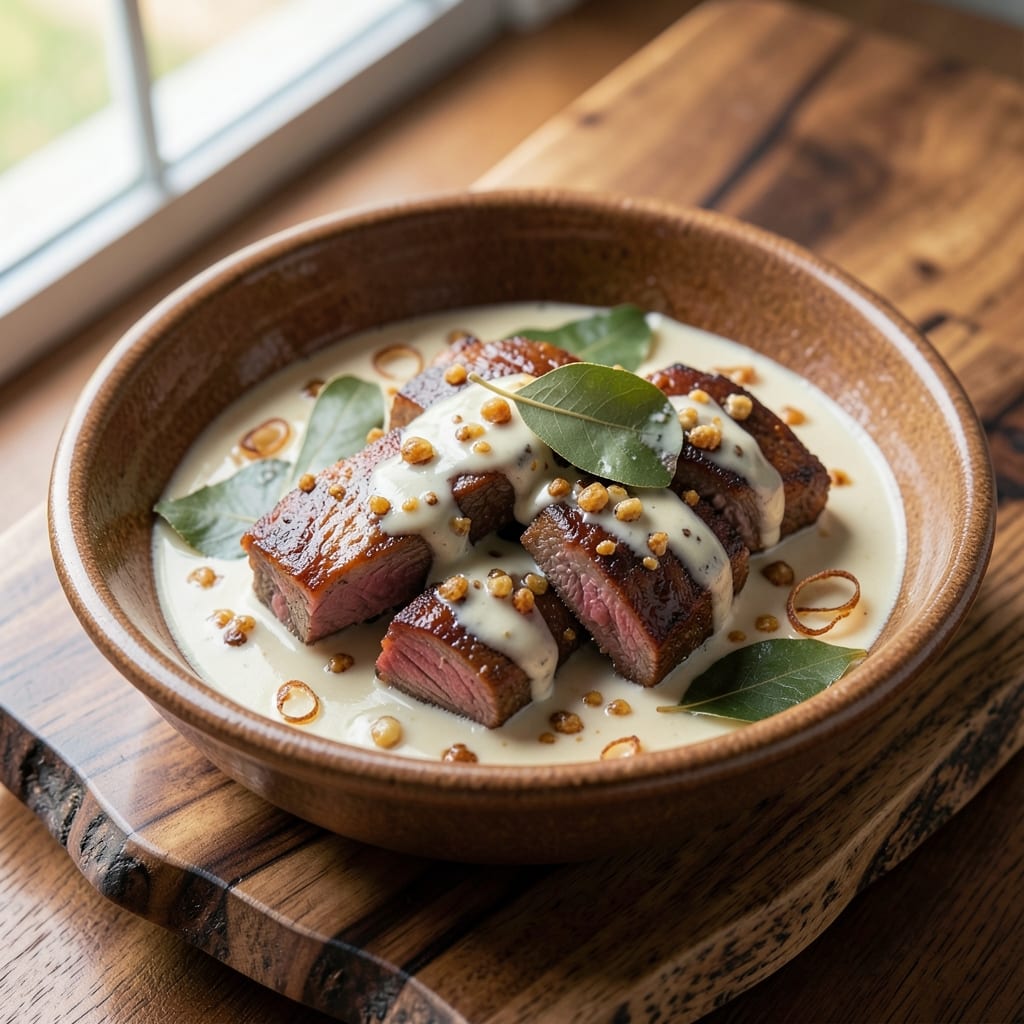
This beef adobo sa gata recipe transforms classic Filipino adobo into a luxurious coconut cream stew with tender, caramelized beef and velvety richness. The secret lies in balancing tangy vinegar marinade with the creamy depth of coconut milk (gata), creating a dish that's both comforting and sophisticated. What sets this apart from traditional adobo is the addition of coconut milk, which transforms the dish into something decadently smooth while preserving the signature tangy-savory profile.
The process begins with a flavorful marinade of vinegar, garlic, soy sauce, and spices that tenderizes the beef—typically short ribs or chuck—before slow-braising in coconut milk until the meat falls apart. This method ensures the beef develops deep caramelization while absorbing the creamy, aromatic sauce. The result is a dish that's hearty enough for a family meal but refined enough for special occasions, all while staying true to Filipino home cooking traditions.
By the time you serve this dish, you'll have perfectly tender beef swimming in a glossy, coconut-infused sauce that's both rich and balanced. The dish pairs beautifully with steamed rice to soak up every last drop of that velvety sauce, or serve it alongside atchara (pickled papaya) and crispy garlic for a complete Filipino feast. The aroma alone will transport you to a bustling Filipino kitchen, where this dish is a beloved staple.
What makes this recipe truly special is how it bridges tradition and indulgence—keeping the soul of adobo while elevating it with the luxurious creaminess of coconut milk. Whether you're a fan of Filipino cuisine or simply love hearty, flavorful stews, this dish delivers restaurant-quality results with minimal effort. Let's get started on creating this comforting masterpiece.
Ingredients for beef adobo sa gata
Creamy coconut milk and tangy vinegar create this rich Filipino masterpiece with tender beef.
| Ingredient | Amount | Notes |
|---|---|---|
| Beef Short Ribs 🥩 | 2 ½ lb | Bone-in, cut into 2-inch pieces |
| Coconut Milk 🥥 | 1 can | Full-fat, 13.5 oz can |
| White Vinegar 🍶 | ½ cup | Distilled or cane vinegar |
| Soy Sauce 🍶 | ½ cup | Dark soy sauce preferred |
| Garlic Cloves 🧄 | 8 cloves | Minced, fresh preferred |
| Bay Leaves 🌿 | 2 whole | Dried, crushed lightly |
| Black Peppercorns 🌶️ | 1 tsp | Crushed, freshly ground |
| Fresh Ginger 🌿 | 2 tbsp | Grated, freshly peeled |
| Sugar 🍚 | ¼ cup | Granulated, white sugar |
| Olive Oil 🫒 | 2 tbsp | Extra-virgin, for searing |
| Salt 🧂 | 1 ½ tsp | Kosher or sea salt |
| Water 💧 | 1 cup | For thinning sauce |
| Green Onions 🧅 | 3 whole | Sliced, for garnish |
The beef is everything here—short ribs stay tender while developing deep caramelization. Look for well-marbled cuts at Filipino markets or the butcher counter, where they’ll often have pre-cut beef for adobo. If using chuck, cut it into 2-inch chunks for even cooking. Fresh ginger and garlic should smell vibrant, not musty—Asian grocery stores usually carry the freshest. The coconut milk? Full-fat only—anything lighter will make the sauce separate. I always buy two cans at a time since it’s a staple in my freezer.
No dark soy sauce? Regular soy sauce plus 1 tsp molasses mimics the deeper color. Short on vinegar? Lemon juice at half the amount works, but the tang won’t be identical. The sugar balances acidity—brown sugar adds subtle caramel notes if you prefer. For a quicker prep, use pre-minced garlic and ginger from the Asian aisle (just check for added oils). The green onions are optional but add a fresh finish—scallions work too. Pro tip: Toast the peppercorns in a dry pan for 30 seconds before crushing to deepen their flavor.
This sauce gets better with time—3-4 days in the fridge lets flavors meld perfectly. Freeze portions for up to 3 months by storing in airtight containers with a thin layer of oil on top to preserve freshness. For serving, reheat gently on low heat, adding a splash of water if it thickens too much. The beef reheats beautifully, so double the batch—leftovers make amazing rice bowls the next day.
Why You'll Love This Recipe
- One-Pot Magic: I swear by this recipe when I’m too tired to wash pots—just brown the ribs, toss in the vinegar and soy sauce, then let the coconut milk do its creamy work. The ribs practically fall off the bone, and the sauce thickens right in the same pan.
- Rich & Tangy: That balance of vinegar’s sharp bite and coconut milk’s velvety depth? It’s the kind of flavor that makes you pause mid-bite. The garlic cloves, lightly charred at the edges, add this irresistible depth that turns a simple weeknight meal into something special.
- Leftovers That Shine: Between us, this dish tastes even better the next day—if there’s any left, which there usually isn’t. But if you’re prepping for the week, the sauce gets richer, the ribs more tender, and it’s still a hit reheated. (Yes, even on a Tuesday night.)
- Budget-Friendly Feast: Short ribs might sound fancy, but they’re cheaper than steak and pack serious flavor. A can of coconut milk and a bottle of vinegar stretch this into three meals for my family, and the leftovers freeze like a dream. No guilt, just good food.
Step-by-step instructions for beef adobo sa gata
Transform tough beef short ribs into melt-in-your-mouth tenderness with this rich coconut cream sauce.
Sear the Beef Short Ribs for Deep Flavor
Heat a heavy pot or Dutch oven over medium-high heat until hot. Add the 2 tablespoons olive oil and swirl to coat the bottom evenly. Working in batches if needed, add the 2.5 lb beef short ribs in a single layer, leaving space between each piece. Let them sear undisturbed for 3-4 minutes until a deep golden crust forms.
This initial searing creates the Maillard reaction that builds complex flavors. Flip the ribs and continue searing for another 3-4 minutes until all sides are beautifully browned. As they cook, you'll hear the fat rendering out with a satisfying sizzle—this is your signal that the meat is developing that caramelized crust we want. Once all ribs are browned, transfer them to a plate and set aside.
Build the Adobo Base with Aromatics
In the same pot, reduce the heat to medium and add the 8 minced garlic cloves and 2 tablespoons fresh ginger. Sauté for 1-2 minutes until the garlic turns golden and becomes fragrant—you should smell that sweet, nutty aroma filling your kitchen. Be careful not to let it burn, as garlic turns bitter quickly.
Add the 2 whole crushed bay leaves, 1 teaspoon crushed black peppercorns, and 1.5 teaspoons salt. Stir for 30 seconds to toast the spices and release their essential oils. This aromatic base forms the flavor foundation of our sauce. Pour in the 0.5 cup white vinegar and 0.5 cup soy sauce, scraping up any browned bits from the bottom of the pot with a wooden spoon.
Simmer the Ribs in the Adobo Marinade
Return the seared beef short ribs to the pot, along with any accumulated juices on the plate. Add the 0.25 cup sugar and 1 cup water, then bring everything to a gentle simmer over medium-low heat. The liquid should just barely bubble—if it boils vigorously, reduce the heat slightly.
Cover the pot and let it simmer for 1 hour, turning the ribs occasionally to ensure even cooking. You'll notice the meat gradually softens as the acidic marinade tenderizes the fibers. The sauce should reduce slightly, becoming syrupy and glossy. This slow cooking process is crucial—it transforms tough beef into fork-tender morsels while developing deep, complex flavors.
Add Coconut Milk for Creamy Richness
After the initial simmering, carefully pour in the 1 can coconut milk, stirring gently to combine. The sauce will lighten in color and become luxuriously creamy. Return the pot to a gentle simmer and continue cooking uncovered for another 30-45 minutes until the sauce thickens and coats the back of a spoon.
Here's where the magic happens—the coconut milk's natural fats create an incredibly velvety texture while balancing the tangy adobo flavors. You'll see the sauce cling to the ribs, forming a glossy coating. Taste the sauce and adjust seasoning if needed, adding more soy sauce for saltiness or a touch of sugar to balance acidity. The ribs should be fork-tender with just a slight resistance when pierced.
Finish and Serve with Fresh Garnishes
Once the sauce reaches your desired consistency, remove the pot from heat. Let the beef short ribs rest in the sauce for 10 minutes off the heat. This resting period allows the meat to absorb the remaining sauce and become even more tender. Discard the 2 bay leaves before serving.
Transfer the beef short ribs and sauce to a serving platter or individual bowls. Garnish with the 3 sliced green onions for a fresh contrast to the rich, creamy sauce. Serve immediately with steamed rice to soak up every delicious drop of that velvety coconut adobo sauce. The combination of tender beef, caramelized edges, and luxurious coconut cream makes this dish truly unforgettable.
Pro Tips For Making Beef Adobo Sa Gata
- Sear the Ribs First: Don’t skip the caramelization—hit those short ribs with high heat until they’re deep brown, about 4-5 minutes per side. The Maillard reaction here isn’t just for looks; it builds flavor that cuts through the coconut milk’s sweetness later.
- Balance the Vinegar: Start with half the vinegar called for, taste, then add more if needed—this isn’t a science experiment. Too much upfront and your sauce turns harsh; too little and the tang gets lost in the coconut. I learned this after ruining a batch with a whole cup of vinegar at once.
- Simmer Low and Slow: After adding the coconut milk, drop the heat to a bare simmer—no boiling. High heat will split the milk, turning your sauce grainy and separating. This is where patience pays off; let it melt into the beef over 1.5–2 hours.
- Use Full-Fat Coconut Milk: Skip the light version—it won’t coat the ribs properly, and the sauce will taste thin. Full-fat (40% or higher) gives richness and body, plus it resists curdling when mixed with vinegar. I was skeptical until I tried it; the difference is noticeable.
Health benefits of beef adobo sa gata
Coconut Milk Benefits
The coconut milk in this dish transforms classic adobo into a creamy, velvety masterpiece. It provides healthy fats (like medium-chain triglycerides) that support brain function and energy levels. A single 13.5-ounce can delivers about 1,200mg of potassium—more than a banana—helping regulate blood pressure and muscle function. 🥥
Protein Powerhouse
This recipe delivers high-quality protein from the 2.5 lb beef short ribs, offering all nine essential amino acids for muscle repair and immune support. A 4-ounce serving provides roughly 30 grams of protein, making it perfect for post-workout meals or hearty dinners. The combination of protein and coconut milk keeps you satisfied for hours.
Digestive Aid
The ginger and garlic in the marinade aren't just for flavor—they're digestive superstars. Ginger reduces nausea and bloating, while garlic supports gut health with its prebiotic properties. Together, they create a soothing balance that aids digestion, especially after rich, fatty meals like this one.
Balanced Nutrition
This dish offers a perfect mix of macronutrients: protein from the beef, healthy fats from coconut milk, and complex carbs from the steamed rice. The soy sauce and vinegar add umami and tang, while the green onion garnish provides vitamin K for bone health. It's a well-rounded meal that nourishes without feeling heavy.
Heart-Healthy Fats
The full-fat coconut milk used here contains lauric acid, a medium-chain fatty acid linked to improved cholesterol levels and heart health. Unlike processed fats, these natural fats help reduce LDL ("bad" cholesterol) while maintaining HDL ("good" cholesterol). It's a delicious way to support cardiovascular wellness. 💪
Antioxidant Boost
The black peppercorns and bay leaves in the marinade pack antioxidant power. Black pepper contains piperine, which may enhance nutrient absorption, while bay leaves provide eugenol, an anti-inflammatory compound. Together, they help combat oxidative stress while adding depth to the flavor profile.
Nutrition facts
Frequently asked questions
Can I substitute chicken or pork for the beef in this recipe?
While beef short ribs are ideal for their rich flavor and tender texture, you can absolutely use chicken thighs or pork shoulder! For chicken, reduce cooking time to 25-30 minutes after adding coconut milk, while pork may need an extra 15-20 minutes longer. Chicken will be more delicate, while pork offers a heartier texture similar to beef.
What makes this recipe different from regular beef adobo?
The key difference is the coconut milk (gata), which transforms the dish from tangy and savory to creamy and velvety. Classic adobo relies on vinegar and soy sauce, but here we balance those flavors with coconut milk's richness, creating a luxurious texture while keeping the signature adobo taste. It's like a decadent upgrade!
How do I prevent the sauce from becoming too thin?
Simmer the sauce uncovered for 10-15 minutes longer to reduce it naturally. If it's still too thin, remove the beef and simmer the sauce alone for 5 more minutes to thicken. For an instant fix, mix 1 tablespoon cornstarch with 2 tablespoons water, stir into the sauce, and cook for 2 minutes until thickened.
Can I make this recipe in an Instant Pot?
Yes! Sear the beef first, then add all ingredients except coconut milk. Pressure cook for 30 minutes, then release pressure naturally. Add coconut milk and simmer on low heat for 10 minutes to thicken. The Instant Pot speeds up cooking but may require more sauce reduction afterward to achieve the same consistency.
What are the best sides to serve with this dish?
Steamed white rice is the classic choice, but you could also serve it with garlic fried rice, crispy garlic, or atchara (pickled papaya). For a lighter option, try steamed jasmine rice with a side of fresh cucumber slices. The tangy-sweet contrast of atchara cuts through the richness beautifully!