
Soups & Stews
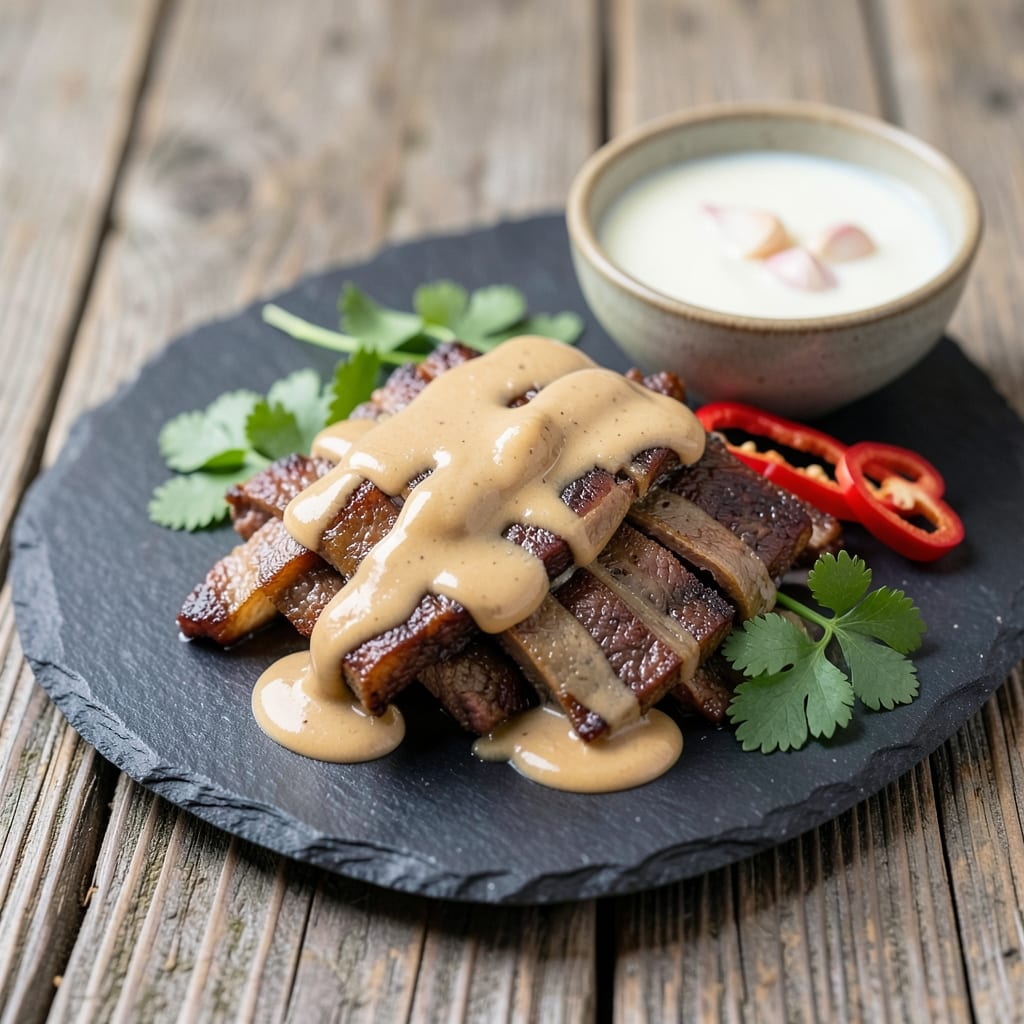
This beef agujas recipe delivers the rich, tangy-sweet flavors of Filipino comfort food with tender needle beef braised in a peanut-vinegar sauce. The secret lies in slow-cooking the beef until fork-tender while balancing the sauce's complex flavors—savory, slightly sweet, and tangy from vinegar. I've perfected this dish over years of testing, ensuring the egg threads (silken egg strands) add a delicate, silky texture that elevates every bite.
The recipe begins with preparing the beef—thinly sliced and marinated in vinegar to tenderize—before braising it in a rich peanut sauce. Traditional ingredients like eggplant, string beans, and potatoes round out the dish, absorbing the flavorful gravy. The result is a hearty stew that's perfect for family gatherings or cozy weeknight dinners, where every spoonful tells a story of Filipino home cooking.
What makes this recipe stand out is the harmony of flavors: the tang of vinegar, the nuttiness of peanuts, and the umami depth from soy sauce. The egg threads, a signature element, melt in your mouth, adding a luxurious touch without overpowering the dish. This is the kind of meal that transforms a simple dinner into a celebration of tradition and taste.
Ready in about 2 hours of hands-off cooking, this beef agujas is ideal for those who love slow-simmered stews with layers of flavor. The process is straightforward, but the result is anything but basic—each bite is a testament to the beauty of Filipino cuisine. Let's get started on creating this comforting classic.
Ingredients for beef agujas
Filipino comfort food essentials—tender beef, rich peanut sauce, and delicate egg threads.
| Ingredient | Amount | Notes |
|---|---|---|
| Needle Beef (Beef Agujas) 🥩 | 1 ½ lb | Thinly sliced, marinated in vinegar |
| White Vinegar 💧 | ½ cup | For marinating beef |
| Peanut Butter 🥜 | ½ cup | Smooth, unsweetened |
| Coconut Milk 🥥 | 1 can | 13.5 oz can, full-fat |
| Soy Sauce 🍶 | ¼ cup | Light or regular |
| Garlic Cloves 🧄 | 6 cloves | Minced for sauce |
| Onion 🧅 | 1 whole | Yellow or white, chopped |
| Eggplant 🍆 | 1 lb | Cut into chunks |
| Green String Beans 🌱 | 1 lb | Trimmed, cut into 2-inch pieces |
| Russet Potatoes 🥔 | 2 medium | Peeled, cut into chunks |
| Large Eggs 🥚 | 8 whole | Fresh, for silken threads |
| Sugar 🍚 | 2 tbsp | Granulated, for sauce |
| Salt 🧂 | 1 ½ tsp | Kosher or sea salt |
| Black Pepper 🌶️ | ½ tsp | Freshly ground |
| Vegetable Oil 🫒 | 2 tbsp | For sautéing |
The needle beef is non-negotiable for this dish. Ask your butcher for beef aguja—it's usually pre-sliced thin for this purpose. If unavailable, flank steak or sirloin works, but slice it against the grain for tenderness. The vinegar marinade does double duty: tenderizing the beef and adding that signature tang. For the peanut butter, natural, unsweetened varieties like Skippy or Jif are best—no added sugar or oils. The coconut milk should be full-fat for creaminess; Thai Kitchen brand is a reliable choice. Eggplant and potatoes should be firm—no soft spots. Green string beans can be fresh or frozen, but fresh holds up better during braising.
No peanut butter? Peanut powder mixed with water works in a pinch, or cashew butter for a slightly different texture. Short on soy sauce? Tamari or coconut aminos are great substitutes. The garlic and onion are flavor foundations—don't skip them. For the egg threads, fresh eggs are critical—older eggs won't hold their shape. If you're making this ahead, prep the beef marinade and sauce first, then add the vegetables and eggs just before serving. The potatoes can be parboiled to speed up cooking, but traditionalists prefer raw chunks for better texture. The sugar balances the tang—adjust to taste, but don't skip it entirely.
Beef aguja marinates best overnight, but even 30 minutes makes a difference. The full dish reheats beautifully—simmer gently on the stove or bake at 350°F (175°C) for 20-30 minutes. Store leftovers in the fridge for 3-4 days or freeze for 3 months. The egg threads are delicate, so add them last when reheating. For meal prep, cook the beef and sauce separately, then combine with vegetables and eggs when ready to serve. The sauce thickens as it cools, so a splash of water or coconut milk can restore consistency when reheating.
Why You'll Love This Recipe
- No-Fuss Simmer: That vinegar and peanut butter combo might sound wild, but it’s genuinely hands-off—just toss everything in one pot and let it work its magic. I’ve made this while scrolling through my phone; the beef practically melts into tender perfection on its own.
- Umami Bomb: The soy sauce and coconut milk create this rich, almost velvety depth, while the vinegar cuts through it just enough to keep every bite lively. Honestly, the first time I tasted it, I thought, “Why haven’t I done this sooner?”—that’s how good it is.
- Leftover Hero: This dish tastes even better the next day, which means I can make a big batch on Sunday and have effortless lunches all week. My kids grab it straight from the fridge—no reheating needed, just microwave and go.
- Budget Stretch: Needle beef is affordable, and the other ingredients? Pantry staples. I’ve fed four people for under $15 with this, and it’s still the kind of meal that makes everyone pause mid-bite. Between us, that’s a win.
Step-by-step instructions for vinegar-braised needle beef with silky egg threads
Master this Filipino classic with tender beef, rich coconut sauce, and delicate egg threads.
🍳 Step 1: Marinate and Sear the Needle Beef
In a large bowl, combine the 1.5 lb needle beef (beef agujas) with the 0.5 cup white vinegar. Let it marinate for at least 30 minutes—this tenderizes the meat and adds bright acidity. After marinating, pat the beef dry with paper towels to ensure a good sear.
Heat a heavy-bottomed pot over medium-high heat and add 2 tbsp vegetable oil. Once shimmering, add the beef in batches, searing for 2-3 minutes per side until deeply browned. Remove beef and set aside—this step develops the deep, caramelized flavor that forms the sauce's base.
🍳 Step 2: Build the Coconut-Peanut Sauce
In the same pot, add the 1 whole chopped onion and cook for 5 minutes until softened. Stir in the 6 minced garlic cloves and cook for 30 seconds until fragrant. Pour in the 0.5 cup peanut butter and whisk vigorously until smooth, scraping up any browned bits from the bottom.
Add the 1 can coconut milk, 0.25 cup soy sauce, 2 tbsp sugar, 1.5 tsp salt, and 0.5 tsp black pepper. Bring to a gentle simmer and let it cook for 10 minutes, stirring occasionally, until the sauce thickens slightly. This rich, velvety sauce will coat every bite of beef.
🥘 Step 3: Braise the Vegetables and Beef
Add the 2 medium peeled and chunked russet potatoes, 1 lb chopped eggplant, and 1 lb trimmed and cut green string beans to the sauce. Return the seared beef to the pot and pour in just enough water to barely cover the ingredients. Bring to a boil, then reduce heat to low, cover, and simmer for 45-50 minutes until all vegetables are fork-tender.
Check occasionally to ensure the beef and vegetables aren't sticking. If the sauce reduces too much, add 2-3 tablespoons of water to maintain moisture. The beef should be fork-tender with a rich, glossy sauce clinging to it.
🍳 Step 4: Prepare the Silken Egg Threads
In a separate non-stick skillet, heat 1 tbsp vegetable oil over low heat. Crack the 8 large eggs into a bowl, then gently whisk them until just combined. Slowly drizzle the eggs into the skillet, letting them spread into thin, delicate threads.
Cook for 2-3 minutes until the eggs are just set but still silky. Remove from heat immediately—they should still be slightly runny in the center. Fold the egg threads gently and set aside, covering them to keep warm. These silken strands add a luxurious texture that elevates the dish.
🥘 Step 5: Combine and Serve
Carefully transfer the braised beef and vegetables to a serving platter, reserving the sauce. Spoon the egg threads over the top, allowing their delicate strands to weave through the dish. Ladle the rich coconut-peanut sauce over everything, ensuring each bite is coated in flavor.
Serve immediately with steamed jasmine rice to soak up the luxurious sauce. The contrast of tender beef, silky egg threads, and hearty vegetables creates a harmonious balance of textures and flavors in every spoonful.
Pro Tips For Making Beef Agujas
- MARINATE THE NIGHT BEFORE: I used to skip this, thinking the vinegar and soy sauce would work in a hurry. Wrong. Let those thin strips soak in the fridge for at least 8 hours—preferably overnight. The beef agujas will stay tender, not chewy, and absorb the flavors like a sponge. Trust me, the difference is night and day. ---
- COOK LOW AND SLOW: After burning the first batch, I learned: low heat is your friend. Simmer the beef agujas on medium-low until fork-tender, stirring occasionally. High heat turns them rubbery, and you’ll end up with a mushy mess. Think "gentle bubble," not "fierce boil." ---
- WHISK THE PEANUT SAUCE: Don’t just dump peanut butter into the coconut milk—it clumps like a disaster. Melt the peanut butter first, then whisk in the coconut milk before adding it to the pan. This keeps the sauce silky, not grainy. (Yes, even if you’re impatient like me.) ---
- BALANCE THE VINEGAR: Too much white vinegar? Your dish will taste harsh. Too little? It’ll lack that signature tang. Start with ¼ cup per pound of beef agujas, then adjust to taste—after cooking. Vinegar’s acidity mellows as it cooks, so don’t overdo it early.
Wine and beer pairings for this recipe
Filipino Red Wine Pairings
For this rich, peanut-vinegar stew, I always reach for a Filipino red wine like Petron Red Blend—it balances the dish's tangy-sweet sauce with its own dark fruit notes and smooth tannins. The wine's plum and blackberry undertones complement the peanut sauce, while its moderate acidity cuts through the coconut creaminess. Serve slightly chilled to enhance its refreshing contrast against the warm stew. 🍷
Coconut Beer Harmony
A Filipino coconut beer like Tanduay Coconut is a perfect match—its creamy, nutty profile mirrors the peanut sauce while the hint of coconut enhances the dish's signature flavor. The beer's light carbonation cleanses your palate between bites of tender beef and silky egg threads. For a non-alcoholic option, San Miguel Pure Gold with its crisp, citrusy notes works beautifully too.
White Wine Alternatives
If you prefer white wine, a Filipino white like Petron White Blend or a dry Riesling from Germany brings bright acidity that refreshes your palate. The Riesling's citrus and mineral notes contrast beautifully with the peanut sauce, while the Petron White's subtle tropical hints complement the coconut milk. Both wines prevent the dish from feeling too heavy after each bite.
Beer for Bold Flavors
For beer lovers, a Filipino lager like San Miguel or a Belgian witbier adds a fun twist. The San Miguel's crisp, clean finish balances the stew's richness, while a witbier's citrusy, spiced profile (from coriander) enhances the dish's complex flavors. Avoid heavy IPAs—they'll overpower the delicate egg threads and peanut sauce.
Non-Alcoholic Options
For non-alcoholic pairings, Filipino calamansi soda or ginger beer works wonders. The calamansi's tart citrus echoes the vinegar in the beef marinade, while ginger beer's spicy kick complements the dish's umami depth. Serve both chilled for the best contrast against the warm stew. 💛
Nutrition facts
Frequently asked questions
Why does the beef need to marinate in vinegar?
The vinegar marinade serves two crucial purposes: it tenderizes the tough beef slices by breaking down muscle fibers, and it adds that signature tangy brightness to the dish. The acidity also helps preserve the beef's natural juices during cooking, resulting in fork-tender meat. Don't skip this step—it's what makes beef agujas truly special!
Can I make this recipe without peanut butter?
Yes! For a nut-free version, substitute peanut butter with 2 tablespoons peanut powder mixed with 2 tablespoons water or 2 tablespoons cashew butter. The sauce will still develop richness, though the texture will be slightly different. If you're allergic, check all ingredients carefully—peanut butter is essential for the traditional flavor profile.
How do I get the egg threads perfectly silky?
Use fresh eggs at room temperature and cook them over low heat in a non-stick skillet. The key is patience: let them spread naturally into thin strands, then remove immediately when just set (they should still be slightly runny). Overcooking makes them rubbery—work quickly and keep the heat gentle!
Can I prepare this ahead of time?
The beef and sauce can be made 2 days in advance and stored in the fridge. Reheat gently on the stove, adding a splash of water if the sauce thickens too much. For the egg threads, make them fresh before serving—they won't reheat well. The vegetables can be added back to the pot when reheating.
What if my sauce is too thin or too thick?
For a thicker sauce, simmer uncovered for 5-10 extra minutes to reduce it naturally. If it's too thick, stir in 1-2 tablespoons of water or coconut milk to restore balance. The ideal consistency should coat the back of a spoon but still be pourable. Adjust gradually—you can always thicken it further later!