
Main Courses
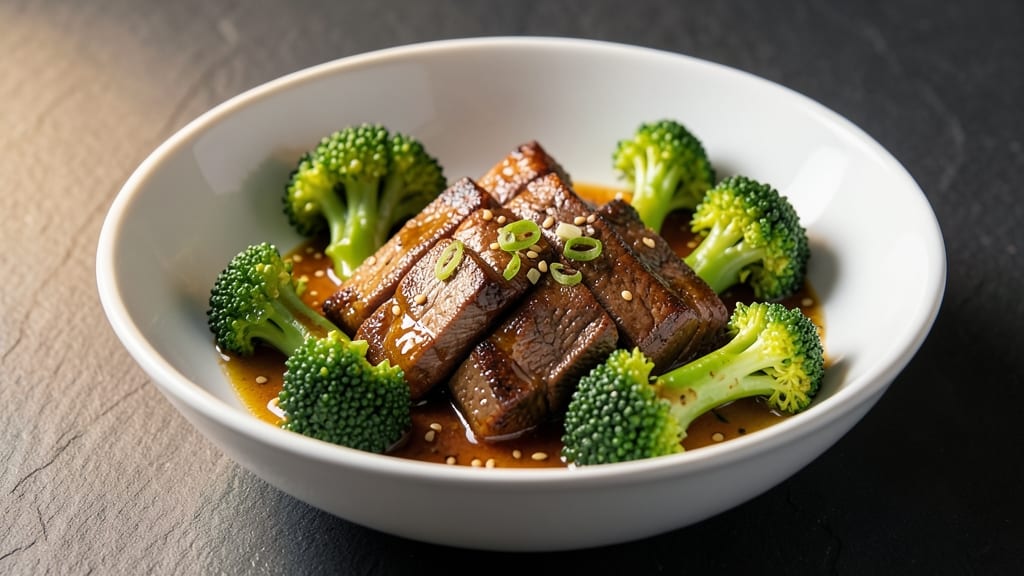
This beef and broccoli copycat recipe delivers the same wok-fried umami punch and velvety sauce that made the original dish a restaurant staple. The secret lies in high-heat searing of the beef followed by a precise cornstarch slurry that creates that signature glossy sheen.
I've perfected this technique through countless test batches, ensuring every element comes together just like the original—bold flavors without any shortcuts that compromise authenticity.
The sauce is where the magic happens, combining sweet brown sugar, tangy soy sauce, and aromatic garlic-ginger for that perfect balance of sweet and savory.
What sets this recipe apart is the two-stage cooking process: first searing the beef until deeply caramelized, then tossing it with crisp-tender broccoli in a hot wok. This method preserves the beef's juiciness while creating that satisfying chew in the broccoli florets.
The result is a dish that's restaurant-quality without requiring professional equipment.
By the time you plate this dish, you'll have perfectly wok-seared beef strips with glossy, caramelized edges and broccoli that's crisp-tender with vibrant green color. The sauce clings beautifully to both components, creating that signature sticky glaze that makes every bite irresistible.
This recipe serves four and comes together in about 30 minutes—ideal for weeknight dinners when you crave that authentic takeout flavor without the wait.
Pair it with steamed jasmine rice to soak up every last bit of that silky sauce, or serve over noodles for a heartier meal. The technique works equally well with flank steak or sirloin, so adjust your cut based on preference and cooking time.
Let's get started on recreating this umami-packed classic at home.
Ingredients for beef and broccoli copycat
High-heat searing meets umami-packed sauce in this restaurant-quality beef and broccoli copycat masterpiece.
| Ingredient | Amount | Notes |
|---|---|---|
| Flank Steak 🥩 | 1 ½ lb | Thinly sliced against grain |
| Broccoli Florets 🥦 | 2 cups | Fresh, medium-sized florets |
| Cornstarch 🌾 | 2 tbsp | For signature glossy sheen |
| Extra-Virgin Olive Oil 🫒 | 3 tbsp | High smoke point preferred |
| Sesame Oil 🫒 | 1 tbsp | Toasted aroma essential |
| Brown Sugar 🍚 | 2 tbsp | Packed for accurate measurement |
| Soy Sauce 🍶 | 3 tbsp | High-quality, low-sodium preferred |
| Garlic Cloves 🧄 | 4 cloves | Minced, aromatic intensity |
| Fresh Ginger 🌿 | 1 tbsp | Grated, finely for smooth texture |
| Green Onions 🧅 | 3 whole | Sliced, white and green parts |
| Oyster Sauce 🍲 | 2 tbsp | Authentic umami depth |
| Diamond Crystal Kosher Salt 🧂 | ¾ tsp | Fine grain for even seasoning |
| Freshly Ground Black Pepper 🌶️ | ½ tsp | Coarse grind for texture |
| Jasmine Rice 🍚 | 1 ½ cups | Uncooked, for serving suggestion |
The flank steak is non-negotiable for authentic texture—thinly sliced against the grain ensures tender bites. Purchase from a trusted butcher or high-quality supermarket like Whole Foods or Costco for optimal marbling. Look for cuts with visible fat streaks, as this renders during cooking for moisture. If using pre-sliced steak, ensure it's uniformly thin (about 1/8-inch) for even cooking. Trader Joe's often carries pre-sliced flank steak at a reasonable price, though it's worth checking the freshness date. For maximum flavor, allow the steak to sit at room temperature for 20-30 minutes before slicing—this ensures even cooking and prevents toughness.
Substitutions should preserve the dish's core characteristics. Sirloin works equally well, though it yields slightly fewer slices; adjust the quantity to maintain 1.5 lbs total. For broccoli, fresh is ideal, but frozen florets in a steamer bag (no thawing needed) suffice in a pinch—just pat them thoroughly dry before cooking to prevent excess moisture. The cornstarch slurry is critical for that signature gloss; if unavailable, arrowroot powder at the same ratio delivers comparable results. For soy sauce, low-sodium versions require an additional pinch of Diamond Crystal kosher salt to compensate. The oyster sauce can be substituted with an equal amount of hoisin sauce, though the umami depth will differ slightly. Ginger substitute? A pinch of ground ginger plus a splash of lemon juice mimics the brightness.
Store prepped beef and broccoli separately in airtight containers for up to 3 days in the refrigerator, though the dish reheats best when consumed within 24 hours. The sauce can be made ahead and reheated gently—simmer for 2-3 minutes to restore its silky texture. For longer storage, freeze the sauce in ice cube trays; thaw and reheat as needed. Jasmine rice pairs perfectly and can be cooked in bulk for the week—portion into containers alongside the beef and broccoli for grab-and-go meals. The dish freezes beautifully for up to 3 months; thaw overnight in the refrigerator before reheating to preserve texture.
Why You'll Love This Recipe
- 20-Minute Marvel: I swear, the cornstarch slurry does all the work—just toss the sliced steak in it, sear it fast, and boom. No waiting for hours, no fancy techniques, just that restaurant-quality bite in record time.
- Umami Bomb: That sesame oil hit? It’s the secret weapon—deep, nutty, and just a splash makes the whole dish sing. Honestly, I’ve tried skipping it, and I immediately regretted it.
- Leftover Legend: This reheats like a dream—crispy edges stay crispy, broccoli doesn’t turn soggy, and the sauce? Still clings perfectly. I’ve had it for lunch the next two days without a single complaint.
- Budget Date Night: Flank steak stretches further than you’d think, and broccoli’s one of the cheapest veggies out there. Slap it on rice, serve it over noodles, or eat it straight—it’s my go-to when I want to impress without breaking the bank.
Step-by-step instructions for beef and broccoli copycat recipe
Master this wok-fried classic with restaurant-quality technique and precise timing.
Prepare the Flank Steak for Even Cooking
Begin by slicing the 1.5 lb flank steak thinly against the grain into ¼-inch thick strips. This ensures tender bites rather than chewy ones. Pat each strip dry with paper towels to remove excess moisture—this prevents steaming and promotes a proper sear.
In a small bowl, combine the 2 tbsp cornstarch, 0.75 tsp diamond crystal kosher salt, and 0.5 tsp freshly ground black pepper. Toss the steak strips in this mixture until evenly coated. Let them rest for 5 minutes while you prepare the remaining ingredients. This resting period allows the cornstarch to adhere fully, creating that signature glossy sheen when cooked.
Build the Umami Sauce Foundation
In a large wok or deep skillet, heat 1 tbsp sesame oil over medium-high heat until shimmering. Add the 4 minced garlic cloves and 1 tbsp grated fresh ginger, cooking for 30 seconds until fragrant. The oil should sizzle gently—if it smokes excessively, reduce the heat slightly.
Add the 3 tbsp soy sauce, 2 tbsp oyster sauce, and 2 tbsp brown sugar, stirring to combine. Let the mixture simmer for 2 minutes until slightly reduced. This step develops the sauce's depth of flavor while balancing sweetness and umami. Keep the wok uncovered to allow excess moisture to evaporate, concentrating the flavors.
Wok-Fry the Steak to Perfect Doneness
Add 1 tbsp extra-virgin olive oil to the wok, increasing heat to high. Working in batches if necessary, add the coated steak strips and stir-fry for 1-2 minutes until the edges turn deep golden brown and the steak reaches 145°F internally. Overcrowding the pan will steam the meat instead of searing it—keep batches small for even cooking.
Once the steak is nearly done, remove it from the wok and set aside, tented with foil to retain heat. The residual heat will carry the steak to perfect doneness while you finish the vegetables. If the sauce begins to thicken too much during this process, add 1-2 tablespoons of water to maintain the desired consistency.
Stir-Fry the Broccoli for Crisp-Tender Perfection
Add the remaining 2 tbsp extra-virgin olive oil to the wok and return it to high heat. Add the 2 cups broccoli florets and stir-fry for 2-3 minutes until the edges turn bright green and slightly blistered. The broccoli should retain its vibrant color—overcooking will turn it mushy and dull.
Return the steak to the wok and pour in the prepared sauce. Toss everything together for 1-2 minutes until the broccoli is fully coated and heated through. The sauce should cling to both the steak and broccoli, creating that glossy finish. If the sauce appears too thin, sprinkle in ½ tsp cornstarch mixed with 1 tbsp water and stir until thickened.
Finish and Serve with Garnish
Remove the beef and broccoli from the wok and transfer to a serving platter. Drizzle any remaining sauce from the wok over the top. Garnish with 3 sliced green onions, using both the white and green parts for color contrast. The white portions add a subtle sharpness that cuts through the richness of the dish.
Serve immediately over 1.5 cups cooked jasmine rice to soak up the silky sauce. Each bite should deliver tender, caramelized steak paired with crisp-tender broccoli, all blanketed in a glossy, umami-rich sauce. The rice acts as a neutral canvas that lets the flavors of the beef and broccoli truly shine.
Pro Tips For Making Beef And Broccoli Copycat
- Slice Against the Grain: Cut your flank steak thinly, but against the grain—this is the only way to avoid chewy bites. I used to ignore this and wondered why my beef felt like shoe leather, even after tenderizing. A sharp knife and patience here make all the difference.
- Blanched Broccoli First: Toss broccoli florets in boiling water for 30 seconds before stir-frying—this locks in color and texture. Skipping this step means soggy, dull broccoli that gets lost in the sauce. (Yes, even if you’re impatient like me.)
- Slurry Cornstarch Like a Pro: Mix 1 tablespoon cornstarch with 2 tablespoons cold water first, then stir into the sauce. This prevents clumping and gives you that glossy, restaurant-style finish. I learned this the hard way after scraping lumps off my plate.
- High Heat, Then Low: Sear the beef in a screaming-hot wok or skillet for 30 seconds, then drop the heat to medium-high. This gets the crust without turning the edges to leather. My grandmother swore by this, and she was right—rushing this step ruins everything.
Troubleshooting this recipe
Undercooked Beef Fix
If your steak strips end up pale and rubbery, it’s likely undercooked from overcrowding or insufficient heat. The key is to work in batches—never exceed ½ lb of steak at a time in your wok. For future attempts, use an instant-read thermometer to confirm 145°F internal temperature.
If your steak is underdone, return it to the wok over high heat for an additional 30-60 seconds—just until the edges caramelize. 🔥
Mushy Broccoli
Broccoli turns mushy when overcooked or when excess moisture isn’t evaporated. Always pat florets completely dry before stir-frying, and cook them for no longer than 3 minutes over high heat. If your wok isn’t hot enough, the broccoli will steam instead of sear.
For extra insurance, blanch the broccoli in boiling water for 30 seconds before stir-frying—this jumpstarts the cooking process and prevents sogginess. 🥦
Sauce Too Thin
A runny sauce usually means the cornstarch slurry wasn’t thickened properly. To fix it mid-cook, mix ½ tsp cornstarch with 1 tbsp cold water, then whisk it into the sauce while simmering for 30 seconds.
For prevention, ensure your sauce reduces for the full 2 minutes before adding the beef and broccoli. If the sauce is still too thin after cooking, a quick fix is to simmer uncovered for 1-2 extra minutes to evaporate excess liquid. 💡
Dry or Tough Steak
Dry steak often results from overcooking or slicing against the grain incorrectly. Always slice perpendicular to the muscle fibers (against the grain) for tender bites.
If your steak turns out dry, try marinating it for 30 minutes in a mix of 1 tbsp soy sauce, 1 tbsp honey, and 1 tsp cornstarch before cooking. For future batches, rest the steak for 10 minutes after searing—this redistributes juices and keeps it moist. 🥩
Sauce Too Sweet
An overly sweet sauce can happen if the brown sugar isn’t balanced by the umami components. To adjust, add 1 extra tbsp soy sauce and ½ tsp freshly ground black pepper to deepen the savory notes.
For future recipes, taste the sauce before adding the beef and broccoli—it should be slightly tangy with a hint of sweetness. If it’s too sweet, reduce the brown sugar to 1.5 tbsp next time. 🍯
Wok Not Hot Enough
A cold wok leads to steamed (not seared) beef and soggy broccoli. Preheat your wok over high heat for 3-5 minutes before adding oil—it should be ripping hot when you add the ingredients.
If your stove struggles with high heat, use a cast-iron skillet instead, as it retains and distributes heat more evenly. For gas stoves, clean the burner grates regularly to ensure proper heat transfer. ⚡
Nutrition facts
Frequently asked questions
Can I use sirloin instead of flank steak for this dish?
Yes! Sirloin works perfectly as a substitute—it's slightly more tender and has a milder flavor. Just slice it ¼-inch thick against the grain and follow the same cooking time. For a leaner cut, marinate it for 20-30 minutes in 1 tbsp soy sauce and 1 tsp honey before cooking to prevent dryness.
How do I make this dish gluten-free?
Replace the soy sauce with 3 tbsp gluten-free tamari and ensure your oyster sauce is also gluten-free. For extra umami, add ½ tsp gluten-free fish sauce to the sauce mixture. All other ingredients are naturally gluten-free, so no other substitutions are needed.
What's the best way to reheat leftovers?
Reheat in a skillet over medium heat with 1 tsp sesame oil for 2-3 minutes to restore that wok-fried texture. Avoid microwaving as it makes the broccoli soggy. For best results, reheat only what you plan to eat immediately and serve with freshly cooked rice.
Can I make this dish without a wok?
A cast-iron skillet or deep frying pan works just as well—just make sure it's ripping hot before adding oil. For even better results, use a 12-inch nonstick skillet with high sides to prevent splatter. The key is maintaining high heat throughout the cooking process.
How can I adjust the spice level?
For more heat, add ½ tsp red pepper flakes to the sauce or sprinkle chopped jalapeños on top before serving. To reduce spice, simply omit the red pepper flakes and serve without jalapeños. The base recipe is naturally mild but packed with umami flavors.