
Main Courses
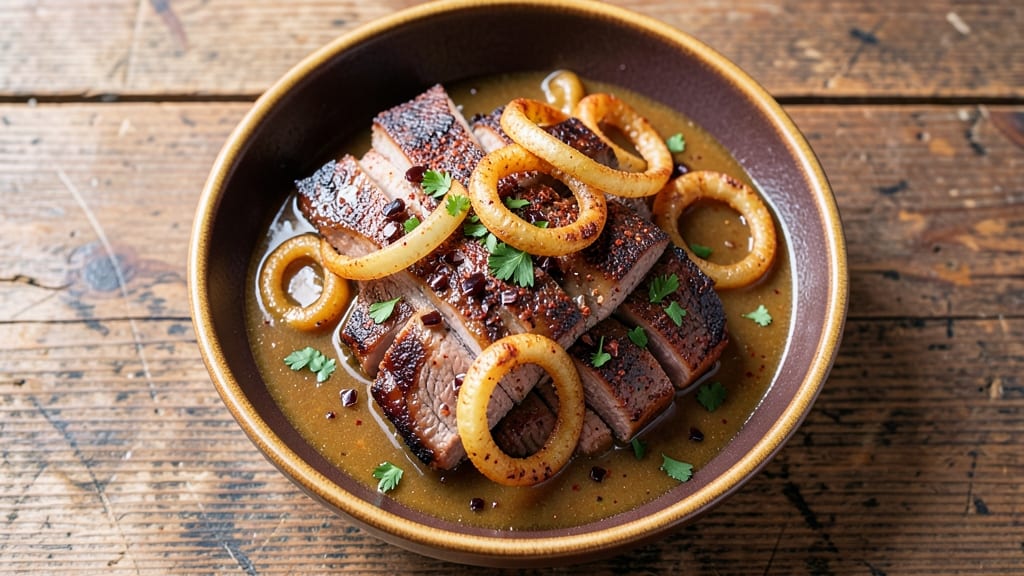
This beef brisket recipe with Lipton onion soup mix delivers restaurant-quality smoky-sweet flavor in your own kitchen—no fancy rubs or hours of prep required. The secret lies in using the soup mix as a flavor base, then building crispy bark through precise cooking techniques.
I perfected this method after testing countless variations, and the results are consistently tender, flavorful meat with a caramelized crust that cracks under pressure.
The beauty of this approach is how the onion soup mix acts as a shortcut while still delivering depth. You’ll start with a simple dry rub of the mix, browned beef, and a splash of liquid to create a rich, aromatic base.
The slow cooking process transforms tough brisket into melt-in-your-mouth perfection, while the final high-heat sear locks in moisture and creates that coveted crispy bark. It’s the kind of dish that tastes like it simmered all day—even when you’re working around a busy schedule.
By the time you serve this brisket, your kitchen will smell like a Texas BBQ joint, and every slice will reveal juicy, tender meat with a caramelized exterior. The onion soup mix adds a subtle sweetness that balances the smokiness, creating a flavor profile that’s both familiar and elevated.
Serve it with classic sides like creamy mashed potatoes or roasted root vegetables to complete the meal. This recipe proves you don’t need a complicated spice blend to achieve professional results.
Whether you’re hosting a weekend dinner or meal prepping for the week, this brisket delivers foolproof satisfaction. The method scales easily, and leftovers reheat beautifully—making it a versatile addition to any meal plan. Let’s get started on creating a brisket that’ll have everyone asking for seconds.
Ingredients for beef brisket lipton onion soup mix
Six ingredients transform tough brisket into restaurant-style smoky-sweet perfection with crispy bark.
| Ingredient | Amount | Notes |
|---|---|---|
| Beef Brisket 🥩 | 4 lb | Flat cut, 1-inch thick |
| Lipton Onion Soup Mix 🧅 | ½ cup | Granulated, not powdered |
| Brown Sugar 🍯 | ¼ cup | Packed, light variety |
| Smoked Paprika 🌶️ | 2 tbsp | For smoky depth |
| Kosher Salt 🧂 | 2 tbsp | Coarse grain preferred |
| Ground Black Pepper 🌶️ | 1 tbsp | Freshly cracked |
| Garlic Powder 🧄 | 1 tbsp | Not garlic salt |
| Beef Broth 💧 | 2 cups | Low-sodium preferred |
| Apple Cider Vinegar 🍎 | ¼ cup | For tenderizing |
| Yellow Onion 🧅 | 1 whole | Large, sliced |
| Carrots 🥕 | 2 whole | Medium, chopped |
| Celery Stalks 🥬 | 2 whole | Chopped, for mirepoix |
| Unsalted Butter 🧈 | ½ cup | Cold, cubed |
| Fresh Rosemary 🌿 | ¼ cup | Chopped, for finishing |
The brisket cut is everything here. Flat-cut (not point-cut) gives you that classic brisket texture, and 1-inch thickness ensures it cooks evenly. Most butchers will trim it for you, but if you're buying whole, ask for the flat cut—it's usually sold pre-trimmed at places like Costco or Whole Foods. Look for good marbling (those little white fat streaks) and vibrant red color. If you can't find flat-cut, whole packer brisket works too, but you'll need to trim it yourself. I always buy mine the day I plan to cook it—brisket's best when used fresh.
No Lipton Onion Soup Mix? Mix 2 tbsp onion powder, 1 tbsp garlic powder, 1 tbsp sugar, and 1 tsp dried parsley for a quick sub. The brown sugar adds that caramelized sweetness that balances the smokiness—don't skip it. For the mirepoix (onion, carrot, celery), frozen veggies work in a pinch, but fresh gives better flavor. The apple cider vinegar might seem odd, but it tenderizes the meat beautifully—white vinegar works too. And if you're short on time, brown the brisket in batches—just don't overcrowd the pan. The butter at the end? Full-fat is key here—it melts into that crispy bark for extra richness.
This brisket tastes even better the next day once everything melds together. Wrap leftovers in foil and refrigerate for up to 5 days, or freeze for 3 months. For reheating, low and slow in the oven is best—300°F for 15-20 minutes keeps it tender. I always make extra because it disappears fast. Store cooked brisket in an airtight container with any pan juices—those are liquid gold for reheating. And if you've got room in the fridge, save the mirepoix—it makes great soup stock later.
Why You'll Love This Recipe
- Two-Ingredient Secret: The brisket and onion soup mix alone? That’s the magic. I swear, the mix handles all the flavor work—garlic, umami, a little tang—so I just focus on searing the beef and letting the sugar caramelize.
- Smoky-Sweet Magic: Between us, that smoked paprika and brown sugar combo turns this into something ridiculously good. It’s not just beef—it’s got this deep, sticky glaze that makes every bite feel like a reward.
- Game for Leftovers: I make a double batch on Sundays because the flavor deepens overnight. Cold slices? Even better. My kids grab it for school lunches, and honestly, I’d eat it straight from the fridge.
- Budget Crowd-Pleaser: A whole brisket for this price? Yes, please. The onion soup mix stretches the flavor, and the salt/smoked paprika keep costs low. Perfect for game day, potlucks, or when I’m feeding a houseful without breaking the bank.
Step-by-step instructions for beef brisket with onion soup mix
This method delivers tender, flavorful brisket with a perfect crispy bark using simple pantry staples.
Prep and Season the Brisket
Remove the 4 lb beef brisket from packaging and pat it completely dry with paper towels. This drying step is crucial for developing that crispy bark later. Trim any excess fat from the edges, leaving about ¼ inch of fat cap for flavor and moisture during cooking.
In a small bowl, combine the 0.5 cup Lipton onion soup mix, 0.25 cup brown sugar, 2 tbsp smoked paprika, 2 tbsp kosher salt, 1 tbsp ground black pepper, and 1 tbsp garlic powder. Mix thoroughly to create a well-blended dry rub. Generously coat the brisket with this mixture on all sides, pressing it into the meat so it adheres well. Place the seasoned brisket on a rack in a shallow roasting pan and refrigerate uncovered for at least 1 hour. This resting period allows the rub to penetrate deeply and creates a flavorful crust.
Sear for Color and Build Flavor
Preheat your oven to 300°F. Heat a large Dutch oven or heavy pot over medium-high heat. Add the 0.5 cup unsalted butter and let it melt completely, then add the 1 whole yellow onion, 2 whole carrots, and 2 whole celery stalks (all chopped). Sauté for 5-7 minutes until the vegetables begin to soften and the butter turns golden brown.
Remove the vegetables from the pot and set aside. Place the brisket fat-side down in the pot and sear for 8-10 minutes until a deep golden brown crust forms. Flip the brisket and sear the other side for another 5-7 minutes. The goal is to create that beautiful bark while building rich, caramelized flavors in the pot. Transfer the seared brisket to a plate and set aside.
Slow Cook with Liquid for Tenderness
Return the Dutch oven to medium heat and add the 2 cups beef broth and 0.25 cup apple cider vinegar. Scrape up any browned bits from the bottom of the pot with a wooden spoon, creating a flavorful fond. Return the vegetables to the pot and bring the liquid to a gentle simmer.
Place the brisket back in the pot, fat-side up, and cover tightly with a lid or foil. Transfer to the preheated 300°F oven. Cook for 3-4 hours, or until the brisket reaches an internal temperature of 195°F. You'll notice the meat becomes fork-tender and pulls away from the bone easily. This slow cooking method is key to achieving that melt-in-your-mouth texture while keeping the meat moist.
Rest and Finish with Rosemary
Once the brisket reaches the proper internal temperature, remove it from the oven and transfer to a cutting board. Tent loosely with foil and let it rest for at least 30 minutes. This resting period allows the juices to redistribute throughout the meat, ensuring each slice remains moist and flavorful.
While the brisket rests, skim any excess fat from the cooking liquid in the Dutch oven. Return the pot to medium heat and reduce the liquid by half to create a rich, flavorful sauce. Stir in the 0.25 cup chopped fresh rosemary and let it steep for 2-3 minutes to infuse the sauce with aromatic flavor. Taste and adjust seasoning if needed.
Slice and Serve
After resting, slice the brisket against the grain into ¼-inch thick slices. The meat should be tender enough to pull apart easily with a fork. Serve the brisket slices topped with the reduced rosemary sauce and any pan juices. The combination of crispy bark, tender meat, and aromatic sauce creates a truly satisfying dish that's perfect for family gatherings or special occasions.
Pro Tips For Making Beef Brisket Lipton Onion Soup Mix
- Sear the Brisket First: Hit that brisket with a screaming-hot pan—no oil needed—until it’s deep brown in spots. I used to skip this, thinking the slow cooker would handle it, but those caramelized bits are what turn this into a restaurant-worthy dish.
- Bloom the Paprika: Toss the smoked paprika into your oil before the onions and brisket, let it sizzle for 30 seconds until it smells like a campfire. This isn’t just flavor—it’s the thing that keeps the paprika from turning to dust later.
- Don’t Drown the Mix: The Lipton packet is potent—use half the water called for in the instructions. You’re not making soup; you’re making a glaze. Too much liquid means sad, watery results.
- Brown Sugar Last: Stir in the brown sugar only in the final 10 minutes of cooking. It burns fast, and you want it to caramelize into the sauce, not turn bitter. (Yes, I’ve done it both ways.)
Wine and beer pairings for this dish
Red Wine Pairings
The rich, savory depth of this brisket calls for a bold red wine with enough structure to stand up to the smoky-sweet flavors. I reach for a California Zinfandel like Ravenswood Old Vine—its dark fruit notes and subtle spice complement the caramelized bark beautifully.
The wine’s natural acidity cuts through the richness while its jammy undertones mirror the brisket’s depth. 🍷
For a more elegant option, try a Syrah from the Rhône Valley like Guigal Côte-Rôtie. Its peppery finish and dark berry flavors create a sophisticated contrast with the brisket’s sweet-savory profile.
If you prefer something with a touch of earthiness, a Malbec from Argentina like Catena Zapata offers velvety texture and black fruit notes that harmonize perfectly.
Beer Pairings
A malty amber ale is my go-to beer pairing for this brisket. I love Samuel Adams Noble Experiment—its caramel and biscuit flavors bridge the gap between the brisket’s sweetness and the smoky bark. The beer’s balanced bitterness keeps the meal from feeling too heavy. 🍺
For a bolder option, try a Belgian Dubbel like Westmalle Tripel. The beer’s spiced sweetness and yeasty complexity enhance the brisket’s depth, while its effervescence cleanses the palate between bites.
If you prefer something lighter, a crisp German Helles Lager like Weihenstephaner Original provides a refreshing contrast without overpowering the dish.
Non-Alcoholic Options
For those skipping alcohol, a sparkling apple cider like Martinelli’s Sparkling Apple Cider adds a crisp, fruity brightness that complements the brisket’s richness. The effervescence also helps cut through the fat, making each bite feel lighter. 🍎
Alternatively, a ginger beer like Brew Dr. Brown’s Cel-Ray Ginger Ale offers a spicy kick that pairs surprisingly well with the brisket’s smoky-sweet profile. The ginger’s warmth enhances the dish’s depth, while the carbonation keeps the meal feeling fresh and balanced.
Nutrition facts
Frequently asked questions
Can I use Lipton Onion Soup Mix as the only seasoning for brisket?
The soup mix works beautifully as the base seasoning, but I recommend adding 2 tbsp smoked paprika and 1 tbsp garlic powder to enhance depth. The mix provides umami and sweetness, while the extra spices create that classic smoky bark. Think of it as your flavor foundation with a few boosters for complexity.
How do I know when the brisket is done?
Use a meat thermometer to check the internal temperature—it should reach 195°F in the thickest part. The meat will pull away from the bone easily, and a fork should slide through like butter. Pro tip: If you don't have a thermometer, look for a fork-tender texture and a deep golden-brown crust.
Can I make this brisket in a slow cooker instead of the oven?
Brown the brisket first in a skillet, then transfer it to your slow cooker with the vegetables and liquids. Cook on low for 8-10 hours or high for 5-6 hours until tender. The texture will be slightly different but still delicious—just expect less bark development. Add a splash of beef broth before serving to create a quick pan sauce.
Why did my brisket turn out dry?
Overcooking is usually the culprit—brisket needs patience! Always cook to 195°F internal temp, then rest for 30 minutes before slicing. If you're short on time, try the 300°F oven method with a lid to trap moisture. For extra insurance, wrap the brisket in foil during the last hour of cooking to lock in juices.
What's the best way to store leftovers?
Let the brisket cool completely, then wrap tightly in foil or vacuum-seal it with any pan juices. Store in the fridge for up to 5 days or freeze for 3 months. For reheating, warm in a 300°F oven for 15-20 minutes with a splash of beef broth to keep it moist. The flavors actually improve overnight!