
Main Courses
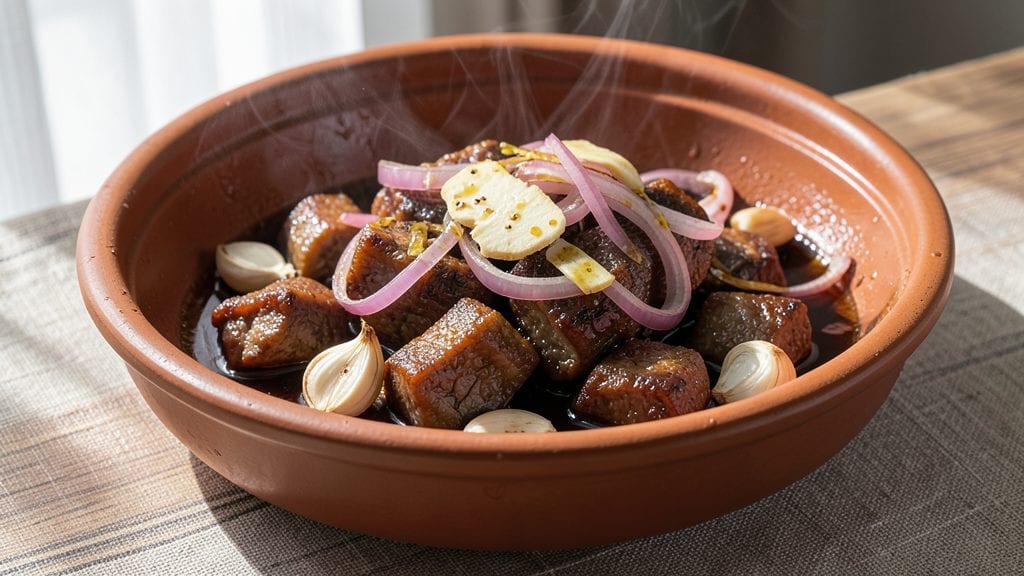
Transforming tough beef feet into a rich, gelatinous delicacy with deep umami flavor is a culinary skill worth mastering—this slow-braised recipe delivers restaurant-quality results at home. 🌟 The key lies in proper preparation: thorough cleaning, gentle boiling to remove impurities, and hours of braising until the collagen dissolves into silky perfection.
I've perfected this technique after years of experimentation, ensuring every bite offers that satisfying, melt-in-your-mouth texture.
What sets this recipe apart is its balance of tradition and accessibility. While traditional methods call for long simmering in clay pots, this version adapts to modern kitchens with a foolproof oven-braising approach that yields equally impressive results.
The beef feet develop a glossy, caramelized exterior while remaining tender inside, creating a dish that's both impressive and deeply satisfying. The umami-rich broth can be used for dipping or as a base for soups, maximizing every bit of flavor.
By the time you're done, you'll have a dish that's visually stunning—deep golden-brown feet glistening with braising liquid—and packed with texture contrasts: crispy edges, tender meat, and that irresistible gelatinous pull.
The aroma alone will have everyone anticipating dinner, while the rich, savory taste makes it a standout centerpiece for any meal. This recipe proves that with patience and precision, even the toughest cuts become a luxurious treat.
Serve with steamed jasmine rice or fresh herbs to complement the dish's natural richness. Whether you're preparing for a special occasion or simply craving a restaurant-worthy meal, this beef feet recipe delivers unmatched depth of flavor and a satisfying culinary experience that's sure to impress.
Ingredients for beef feet
Transform tough beef feet into a luxurious, umami-rich delicacy with these carefully selected ingredients—each playing a crucial role in unlocking gelatinous perfection.
| Ingredient | Amount | Notes |
|---|---|---|
| Beef Feet 🦵 | 2 ½ lb | Fresh, cleaned, trimmed of excess fat |
| Yellow Onions 🧅 | 2 whole | Sliced into 1/2-inch rounds |
| Garlic Cloves 🧄 | 8 cloves | Smashed, skin-on for deeper flavor |
| Fresh Ginger 🌿 | ½ cup | Julienned, skin-on preferred |
| Soy Sauce 🥢 | ½ cup | High-sodium preferred for umami |
| Dry Sherry 🍷 | ½ cup | Or substitute with white wine |
| Beef Broth 🍲 | 2 cups | Homemade, low-sodium preferred |
| Dark Soy Sauce 🥢 | 2 tbsp | For caramelized exterior |
| Brown Sugar 🍬 | 2 tbsp | Light or dark, packed |
| Star Anise 🌟 | 2 whole | Lightly crushed for aroma |
| Cinnamon Sticks 🌿 | 2 whole | 2-inch lengths for infusion |
| Bay Leaves 🍃 | 4 whole | Fresh preferred, dried acceptable |
| Black Peppercorns 🌶️ | 1 tbsp | Crushed, not ground |
| Olive Oil 🫒 | ¼ cup | Extra-virgin for high heat |
| Kosher Salt 🧂 | 1 ½ tbsp | Diamond Crystal preferred |
The quality of your beef feet makes all the difference. Whole Foods Market or specialty butchers often carry the best cuts—look for feet that are plump and free of excessive fat. If you're unsure where to start, Costco's bulk section frequently stocks them at reasonable prices. The key is to choose feet that are fresh, with a clean, meaty aroma rather than any fishy or ammonia-like scent. For optimal results, source feet that are at least 1.5 pounds each, as smaller pieces may not yield the same tender texture after braising. If you're working with frozen feet, thaw them overnight in the refrigerator to maintain texture integrity.
Substitutions should be strategic to preserve the dish's depth. Dry sherry can be swapped for white wine, though it may alter the dish's complexity slightly—opt for a dry, crisp variety like Sauvignon Blanc. For the soy sauce, coconut aminos can be used at a 1:1 ratio, though the umami impact will be less pronounced. If fresh ginger isn't available, ground ginger at half the amount works in a pinch, though it lacks the aromatic depth. The star anise and cinnamon sticks can be omitted if unavailable, but their aromatic contribution is hard to replicate—a pinch of ground cinnamon and cardamom might offer a faint alternative. For the brown sugar, honey or maple syrup can substitute, though the caramelization will differ slightly.
Proper storage of ingredients is essential for maintaining quality. Beef feet can be refrigerated for up to 5 days if unopened, but once cleaned, they should be used immediately or frozen for up to 3 months. Store them in an airtight container with a paper towel to absorb any moisture. The aromatics like star anise, cinnamon sticks, and bay leaves keep well in a cool, dark place for up to 6 months. Once the braising liquid is prepared, it can be refrigerated for 5 days or frozen for 3 months. For long-term storage, portion the broth into ice cube trays—perfect for future recipes. Always ensure your hands and utensils are sanitized when handling beef feet to prevent cross-contamination.
Why You'll Love This Recipe
- One-Pot Magic: I swear by this—just toss the beef feet, onions, garlic, and ginger into a pot with water and soy sauce, then let it simmer. No chopping, no fuss, no extra pans. Honestly, the hardest part is waiting for the aroma to fill the kitchen.
- Umami Bomb: That deep, savory punch from slow-cooked beef feet? It’s next-level. The soy sauce caramelizes into something rich, while the ginger and garlic add layers of warmth. Between us, it’s the kind of flavor that makes you want to eat it straight from the pot.
- Meal Prep MVP: Make a big batch on Sunday, and you’ve got lunch or dinner covered for days. The texture gets even better after a day or two—crispy outside, tender inside. I’ll be real: my freezer is always stocked with these, because reheating is a breeze.
- Budget Powerhouse: Beef feet are the ultimate stretch-your-dollar ingredient. A few pounds feed my family for weeks, and the cost per serving is laughable. Plus, it’s one of those dishes where the leftovers taste better the next day—no waste, all win.
Step-by-step instructions for slow-braised beef feet
This method transforms tough connective tissue into silky, gelatinous perfection through precise timing and layering.
🔥 Step 1: Sear the Beef Feet for Deep Flavor
Preheat your oven to 425°F. Heat 0.25 cup olive oil in a heavy Dutch oven over medium-high heat until shimmering. Pat the 2.5 lb beef feet completely dry with paper towels—this ensures maximum browning.
Working in batches if needed, sear the beef feet on all sides until deeply golden brown, about 8-10 minutes per side. The skin should develop a caramelized crust while the fat begins to render. Don't rush this step—prolonged searing develops complex flavors that infuse the braising liquid. Transfer the seared beef feet to a plate and set aside.
👨🍳 Step 2: Build the Aromatic Base Layer
In the same Dutch oven, add 2 whole yellow onions sliced into ½-inch rounds, 8 cloves garlic cloves smashed skin-on, and 0.5 cup julienned fresh ginger (skin-on preferred). Cook for 8-10 minutes until the onions soften and the mixture becomes fragrant, releasing its natural oils.
Here's where the depth begins: Add 2 tbsp crushed black peppercorns, 2 whole star anise lightly crushed, 2 whole cinnamon sticks (2-inch lengths), and 4 whole bay leaves. Stir for 30 seconds to toast the spices—you'll smell their aromatic oils awakening. This aromatic base forms the flavor foundation for the braise.
🍳 Step 3: Deglaze and Develop the Braising Liquid
Pour in 0.5 cup dry sherry and scrape up all the browned bits from the bottom of the pot with a wooden spoon. This deglazing captures all the Maillard reactions that occurred during searing. Let the sherry simmer for 3-4 minutes until reduced by half, concentrating its flavors.
Add 0.5 cup soy sauce, 2 tbsp dark soy sauce, 2 tbsp brown sugar, and 1.5 tbsp kosher salt. Stir well to dissolve the sugar and salt completely. The mixture should look glossy and slightly syrupy—this ensures proper balance of sweet, salty, and umami flavors in the final braise.
🥘 Step 4: Combine and Braise Low and Slow
Return the seared beef feet to the Dutch oven. Pour in 2 cups beef broth until the feet are completely submerged—add a bit more if needed. Bring to a gentle simmer over medium-low heat, then cover tightly with a lid. Transfer to a preheated 300°F oven.
The key to perfect texture lies in this 3-4 hour braising time. Check after 2 hours—the beef feet should be tender enough to pierce with a fork but still firm. If the liquid reduces too much, add ½ cup hot water to maintain proper moisture. The goal is collagen breakdown without overcooking the meat.
⏰ Step 5: Rest and Serve with Gelatinous Perfection
Once the beef feet are fork-tender and the braising liquid has thickened into a glossy sauce, remove from heat. Let the beef feet rest in the braising liquid for 15 minutes—this allows the connective tissue to fully convert to gelatin, creating that signature silky texture.
Serve the beef feet with generous ladles of the reduced braising sauce. The meat should pull cleanly into tender strands, with a rich, umami-forward flavor profile. The sauce should coat the back of a spoon with a velvety consistency. For maximum presentation, arrange the beef feet on a platter surrounded by the aromatic vegetables from the braise.
Pro Tips For Making Beef Feet
- BLANCH FIRST, SEAR LATER: The beef feet need a quick 10-minute blanch in boiling water before searing—this loosens the skin and connective tissue so it renders properly. I learned this the hard way when my first batch turned out chewy instead of tender; the blanch is non-negotiable for this recipe.
- PEEL GINGER THINLY: Skip the thick slices—grate or julienne the ginger into matchsticks so it infuses flavor without overpowering. My grandmother swore by this, and she was right: you want the aroma to seep into the broth, not sit in chunks at the bottom.
- DON’T RUSH THE SOY SAUCE: Add soy sauce in stages—start with half the amount early in cooking, then finish with the rest at the end. This prevents the onions and garlic from turning bitter too soon, and the final splash brightens the sauce without making it salty.
- USE A DUTCH OVEN FOR EVEN HEAT: If your pot isn’t heavy-bottomed, transfer the beef feet to a Dutch oven halfway through cooking. I was skeptical until I tried it—it keeps the temperature steady and prevents hot spots that can dry out the meat or scorch the aromatics.
Flavor customization for this beef feet
Sweet-Savory Balance
Adjust the sweetness by playing with the brown sugar and soy sauce ratio. For a sweeter profile, increase brown sugar to 3 tbsp and reduce soy sauce slightly. I like adding 1 tbsp honey during the final 30 minutes of braising for a caramelized sheen. 🍯
For a tangier twist, add 1 tbsp rice vinegar or 1 tsp fish sauce to the braising liquid—this brightens the umami depth without overpowering. The vinegar also helps tenderize the collagen further during cooking.
Spicy Heat Levels
Infuse heat by adding 1-2 tbsp chili paste (like Gochujang or Sichuan chili bean paste) when building the aromatic base. For a smoky kick, include 1 tsp smoked paprika or ½ tsp chipotle powder in the spice blend. 🌶️
For a milder heat, toast 1 tsp red pepper flakes with the black peppercorns and remove before adding the beef feet. This adds subtle warmth without overwhelming the dish. Always taste the braising liquid before serving—adjust with extra spices if needed.
Herbaceous Variations
Swap the bay leaves for thyme sprigs or rosemary for a Mediterranean twist. Add 1 tbsp fresh cilantro or Thai basil during the final 15 minutes of braising to brighten the dish. The herbs should be added late to preserve their freshness.
For a more aromatic profile, include 1-inch piece of galangal or lemongrass stalk (bruised) alongside the ginger. These tropical flavors pair beautifully with the rich umami of the beef feet and create a fusion-inspired dish.
Creamy Texture Additions
Stir in ½ cup coconut milk during the final 30 minutes of braising for a velvety texture. This works especially well with the spicy variations, balancing heat with richness. For a dairy-based option, add ¼ cup heavy cream just before serving. 🥥
For a lighter creaminess, blend ½ cup braising liquid with 2 tbsp neutral oil (like avocado oil) and whisk back into the pot. This emulsifies the sauce for a silky finish without adding bulk.
Global Fusion Twists
Transform this into a Korean-inspired dish by adding 1 tbsp gochugaru (Korean chili flakes) and 1 tbsp doenjang (fermented soybean paste) to the braising liquid. Serve with kimchi and steamed rice for an authentic experience.
For a Vietnamese adaptation, include 1 tbsp fish sauce, 1 tsp sugar, and ½ tsp black pepper in the braising liquid. Finish with fresh herbs like mint and perilla for a fragrant, herbaceous note that complements the rich beef feet.
Nutrition facts
Frequently asked questions about beef feet
How do I properly clean beef feet before cooking?
Rinse the feet thoroughly under cold water, then scrub with a stiff brush to remove hair and debris. Soak in cold water with 1 tbsp baking soda for 30 minutes to dissolve impurities, then rinse again. Trim excess fat and membrane carefully—this step is critical for flavor and texture.
Can I make this recipe without an oven?
Yes! Use a stovetop approach: After searing, cover the pot tightly with foil and simmer on low heat for 4-5 hours, adding water as needed. Stir occasionally to prevent sticking. The texture will be slightly less caramelized but still tender and flavorful.
What's the best way to store leftover braising liquid?
Cool the liquid completely, then transfer to airtight containers. It keeps in the fridge for 5 days or freezes for 3 months. For long storage, portion into ice cube trays—perfect for future soups or braises. Reheat gently to preserve texture.
Why did my beef feet turn out tough instead of gelatinous?
This usually happens from insufficient braising time or too much liquid. Ensure the feet are submerged and braise until they're fork-tender (3-4 hours). If the liquid reduces too quickly, add ½ cup hot water during cooking. The collagen needs time to break down completely.
Are there any vegetarian alternatives to beef feet?
While no perfect substitute exists, you can try mushrooms (like king oyster) or jackfruit for texture. For gelatinous results, add agar-agar or kanten to vegetable broths. The flavor profile will differ significantly, but the technique remains similar.