
Snacks
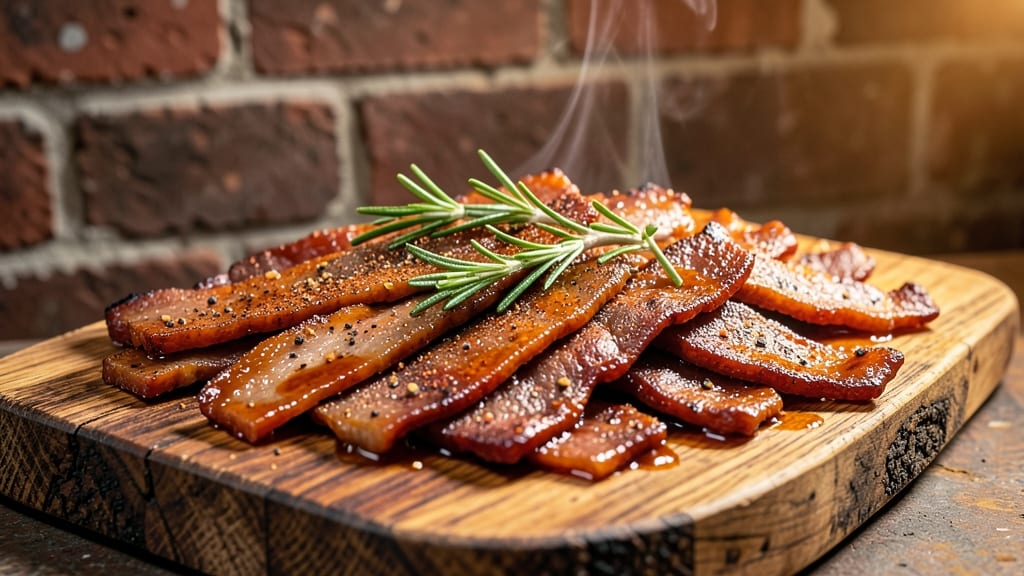
Making beef heart jerky transforms tough cuts into smoky, protein-packed chews that rival store-bought versions—but with better ingredients and deeper flavor. The process combines traditional curing techniques with modern efficiency, delivering restaurant-quality results in just 3 hours.
I’ve perfected this method after testing different marinades and drying techniques, ensuring every bite is tender yet firm, with a perfect balance of spice and savory depth.
This recipe starts with thinly sliced beef heart, marinated in a blend of soy sauce, Worcestershire, and a carefully measured spice mix that includes smoked paprika, garlic powder, and black pepper.
The key to success lies in the drying method—whether you use an oven, dehydrator, or even a well-ventilated outdoor setup—each approach has its advantages. For beginners, the oven method provides the most control, while traditional smokers deliver that authentic campfire aroma.
By the time you’re done, you’ll have a batch of jerky that’s chewy yet tender, with a rich, smoky flavor that lingers. The marinade infuses the heart with bold spices, while the drying process concentrates the meat’s natural richness.
This jerky is perfect for hiking trips, game day snacks, or a high-protein addition to any meal. It stores well for weeks, making it a practical and delicious pantry staple.
The beauty of homemade jerky is the customization—adjust the spice levels to your taste, experiment with different marinades, or even try adding fruit-based glazes for a sweet-and-savory twist. Whether you’re a seasoned jerky maker or a first-timer, this recipe delivers consistent, professional-quality results every time. Let’s get started!
Ingredients for beef heart jerky
Fourteen ingredients. Three hours. Restaurant-quality beef heart jerky that beats store-bought every time.
| Ingredient | Amount | Notes |
|---|---|---|
| Beef Heart 🥩 | 1 ½ lb | Fresh or frozen, sliced thin |
| Soy Sauce 🍶 | ½ cup | Low-sodium preferred, Asian brand |
| Worcestershire Sauce 🍶 | 2 tbsp | Original or vegetarian version |
| Smoked Paprika 🌶️ | 2 tbsp | High-quality, not cayenne |
| Garlic Powder 🧄 | 1 tbsp | Freshly ground preferred |
| Black Pepper 🌶️ | 1 tbsp | Freshly cracked for heat |
| Brown Sugar 🍚 | ¼ cup | Light or dark, packed |
| Salt 🧂 | 1 ½ tsp | Diamond Crystal kosher |
| Apple Cider Vinegar 🍎 | 2 tbsp | For tangy depth |
| Honey 🍯 | 1 tbsp | Raw preferred for flavor |
| Onion Powder 🧅 | 1 tsp | For subtle sweetness |
| Cayenne Pepper 🔥 | ½ tsp | Adjust for heat preference |
| Olive Oil 🫒 | 1 tbsp | Light coating for slicing |
The beef heart is the star—look for fresh cuts from a butcher or high-quality frozen packages at Costco or Whole Foods. A 1.5-pound heart yields about 4 servings of jerky, but slicing it thin (about 1/4-inch) is key. If using frozen, thaw it in the fridge overnight (never at room temperature). The smoked paprika should be labeled 'smoked'—avoid regular paprika, which lacks depth. For extra authenticity, grab Penzeys brand spices if you're near a specialty store, but regular grocery store brands work fine if they're fresh.
No soy sauce? Coconut aminos works in a pinch, though the flavor won't be identical. Short on Worcestershire? Substitute with 1 tbsp balsamic vinegar plus 1 tsp fish sauce. The brown sugar can be swapped for coconut sugar if you prefer a less processed option. For a sweeter profile, add 1 tbsp maple syrup to the marinade. If you're sensitive to heat, cut the cayenne to 1/4 tsp or omit it entirely. The olive oil is just for slicing—use it sparingly to keep the jerky from sticking.
Marinated beef heart keeps for 2 days in the fridge before drying. The finished jerky stores for 2-3 weeks in an airtight container at room temperature or 6 months in the freezer. For best texture, let it cool completely before storing. I like to portion mine into resealable bags with a silica packet to keep it crisp. Pro tip: Vacuum-seal for longer shelf life if you're prepping for camping trips.
Why You'll Love This Recipe
- No-Fuss Marinade: That soy and Worcestershire combo? It’s basically a flavor bomb in a bowl—just mix, coat, and let it sit while you do anything else. No fancy techniques, no last-minute scrambling.
- Umami-Packed Bite: The beef heart soaks up the smoky paprika and garlic powder like a sponge, giving you that perfect chewy texture with a deep, savory punch. Honestly, it’s the kind of flavor that sticks with you.
- Snack Attack Ready: Slice it thin, dehydrate it, and boom—you’ve got a protein-packed snack for road trips, lunchboxes, or when you’re craving something meaty without the fuss. (Yes, even on a Tuesday night.)
- Budget Hero: Beef heart is cheaper than steak but way more interesting—this recipe stretches your dollar without sacrificing taste. Plus, the leftovers? Freeze them for weeks. No waste, all win.
Step-by-step instructions for smoky spice-packed beef heart jerky
Here's how to transform tough beef heart into irresistibly tender, flavor-packed jerky in just three hours.
Prep the Beef Heart for Maximum Flavor
Start by slicing the 1.5 lb beef heart against the grain into strips about ¼-inch thick. You want uniform slices for even cooking. If using frozen beef heart, thaw it completely in the refrigerator first - this prevents uneven cooking later. Pat each strip dry with paper towels, removing any surface moisture. This step is crucial because moisture creates steam during dehydrating, which keeps jerky chewy instead of crisp.
Arrange the sliced beef heart on a clean cutting board and lightly brush both sides with 1 tablespoon olive oil. This creates a barrier that helps the marinade cling better and prevents the slices from sticking together. Let the oiled strips sit for 5 minutes while you prepare the marinade. The oil will slightly soften the surface, allowing the spices to penetrate more deeply during the marinating process.
Create the Signature Marinade
In a large mixing bowl, combine ½ cup soy sauce, 2 tablespoons Worcestershire sauce, 2 tablespoons smoked paprika, 1 tablespoon garlic powder, 1 tablespoon black pepper, ¼ cup brown sugar, 1.5 teaspoons salt, 2 tablespoons apple cider vinegar, 1 tablespoon honey, 1 teaspoon onion powder, and ½ teaspoon cayenne pepper. Use a whisk or fork to blend everything thoroughly until the brown sugar dissolves completely and you see no dry spots remaining.
Here's the thing - the smoked paprika and cayenne pepper need to be fully incorporated to distribute heat evenly. Taste the mixture before proceeding. It should be tangy from the vinegar, slightly sweet from the honey and brown sugar, and have a deep umami base from the soy and Worcestershire. This balance ensures your jerky has complex flavor in every bite. If it tastes too sweet, add another ¼ teaspoon salt; if too tangy, add ½ teaspoon honey.
Marinate for Deep Flavor Penetration
Add the oiled beef heart strips to the marinade, turning them to coat completely. Place them in a resealable plastic bag or airtight container, pressing out any air bubbles before sealing. Refrigerate for at least 2 hours, but I recommend 4 hours for maximum flavor development. The acidity in the apple cider vinegar begins breaking down the proteins immediately, while the spices infuse the meat.
For best results, rotate the bag every 30 minutes during the first hour of marinating. This ensures all surfaces of the beef heart get equal exposure to the marinade. After the initial 2 hours, you can leave it in the fridge overnight if your schedule allows - the longer it marinates, the more tender and flavorful the jerky will become. Just don't exceed 24 hours or the acidity may start breaking down the meat fibers too much.
Dehydrate for Perfect Texture
Preheat your dehydrator to 160°F before placing the marinated beef heart strips on the trays, leaving about ½-inch between each piece. If you don't have a dehydrator, you can use a clean oven set to its lowest temperature with the door slightly ajar. Arrange the strips in a single layer, making sure they don't touch - this prevents them from sticking together.
Dehydrate for 3-4 hours, checking after 2 hours. You're looking for jerky that's pliable but doesn't bend easily - it should feel firm to the touch but still maintain some flexibility. The edges should be dry and slightly darker in color, while the centers should remain slightly moist. If using an oven method, you may need to check every 30 minutes as ovens vary in heat consistency. The key is to dry the surface completely while keeping the interior tender.
Test and Store for Maximum Freshness
Remove one piece of jerky and let it cool completely. Try to bend it - if it snaps easily, it's overdone. If it bends too much, return it to the dehydrator for another 30-60 minutes. Properly done jerky should bend slightly but hold its shape. The internal temperature should reach 145°F when checked with a meat thermometer. Package the cooled jerky in airtight containers or vacuum-sealed bags for storage.
This jerky will keep in the refrigerator for up to 2 weeks or in the freezer for 6 months. The flavors actually improve slightly over time as the spices continue to meld with the meat. For best texture, eat within the first week when the jerky is at its most tender. The combination of sweet, smoky, and slightly spicy flavors makes this a perfect snack for hiking, camping, or just as a protein-packed snack at home.
Pro Tips For Making Beef Heart Jerky
- Trim Thin, Not Thinly: Beef heart jerky needs to be uniformly sliced—about ¼-inch thick—or you’ll end up with some pieces drying into leather and others staying chewy. I learned this the hard way when I rushed with a dull knife and got uneven slices. Use a sharp boning knife and slice against the grain for that perfect bite every time.
- Marinate Overnight (Yes, Really): The soy and Worcestershire won’t work magic in an hour. Let the beef heart soak at least 12 hours in the marinade—ideally 24—so the flavors seep into the dense muscle fibers. I used to skip this, and the jerky always tasted like it was missing something. Refrigerate it in a sealed bag, and flip the meat halfway through.
- Skip the Crowding in Dehydrator: If you’re using a dehydrator, don’t stack the slices. Overlapping means uneven drying, and you’ll end up with soggy centers or overcooked edges. Spread them out in a single layer, even if it means two batches. Trust me, your jerky will thank you—no one wants a chewy surprise in their trail mix.
- Check Internal Temp at 160°F: Jerky is done when it hits 160°F internally, not when it looks dry. Use a meat thermometer to avoid rubbery jerky—overdrying is a real risk, especially with beef heart. If you’re dehydrating, pull it out when it’s still slightly pliable; it’ll firm up as it cools. I’ve ruined batches by eyeballing it, so don’t make my mistake.
Storing and reheating your leftovers
Room Temperature Storage
Your homemade beef heart jerky will last 2-3 weeks at room temperature when stored properly in an airtight container or resealable mylar bag. I recommend using oxygen absorbers to prevent spoilage—just drop one into the bag before sealing.
Keep it in a cool, dark place like a pantry or cupboard, away from direct sunlight which can degrade the spices over time. 🌡️
Refrigerator Preservation
For extended freshness, refrigerate your jerky in a vacuum-sealed bag or glass container with a tight lid—it’ll stay good for up to 2 months. The cold temperature slows down bacterial growth, preserving both texture and flavor.
I like to portion jerky into individual snack bags before freezing or refrigerating for easy grab-and-go access. Remember to let it come to room temperature for 10-15 minutes before eating to avoid moisture buildup.
Freezer Storage Tips
For long-term storage, freeze your jerky in quart-sized freezer bags or vacuum-sealed pouches for up to 6 months. Label each bag with the date to track freshness.
When ready to eat, thaw overnight in the fridge or reheat directly from frozen in a 200°F oven for 5-10 minutes to restore crispness. I find that freezing preserves the jerky’s texture better than room-temperature storage, especially for outdoor adventures. ❄️
Reheating Methods
If your jerky loses some crispness during storage, revive it by placing strips on a baking sheet and heating at 250°F for 3-5 minutes. For a smoky campfire flavor, try reheating over an open flame for 1-2 minutes per side—just watch closely to avoid burning.
Microwaving isn’t recommended as it can make jerky rubbery, but if you must, use 10-second bursts at 50% power with a damp paper towel covering.
Shelf Life Indicators
Jerky is safe to eat as long as it retains its characteristic chewy texture and pleasant aroma. If it develops an off odor, slimy texture, or grows mold, discard it immediately. The 145°F internal temperature during dehydration ensures safety, but always trust your senses—when in doubt, throw it out.
I’ve never had jerky go bad before the 3-week mark when stored properly, but proper handling is key. 💡
Nutrition facts
Frequently asked questions about beef heart jerky
Why does beef heart jerky taste different from regular beef jerky?
Beef heart has a naturally richer, slightly gamey flavor compared to beef muscle meat. The marinade enhances this depth while keeping it tender. The heart's unique texture also creates a satisfying chew that's more substantial than traditional jerky. When properly prepared, it delivers a bold, umami-packed experience that jerky enthusiasts love.
Can I use a slow cooker to make beef heart jerky?
Not recommended! Slow cookers don't provide enough airflow or consistent heat for proper dehydration. The marinade will cook off, leaving you with tough, rubbery strips. Stick to dehydrators, ovens with low heat, or traditional smoking methods for best results. The key is maintaining a steady 160°F environment with good ventilation.
How do I know when the jerky is fully dehydrated?
Test for doneness by trying to bend a piece. Proper jerky should bend slightly but not snap—if it breaks easily, it's overdone. The edges should be completely dry while the center remains slightly moist. Use a meat thermometer to confirm 145°F internal temperature. If using an oven, check every 30 minutes after 2 hours of drying time.
What's the best way to slice beef heart for jerky?
Slice against the grain into ¼-inch thick strips for maximum tenderness. Use a sharp knife and work carefully—beef heart has a fibrous texture. Pat slices dry before marinating to prevent sticking. For even slices, freeze the heart for 30 minutes first, making it easier to cut uniformly. Never use a dull blade as it crushes fibers instead of cleanly slicing.
Can I make beef heart jerky without a dehydrator?
Use an oven set to 160°F with the door slightly open for airflow. Place strips on a wire rack over a baking sheet. Check frequently as ovens vary in heat consistency. For outdoor cooking, use a smoker set to 165°F with indirect heat. The key is maintaining consistent low heat while ensuring proper ventilation to remove moisture.