
Main Courses
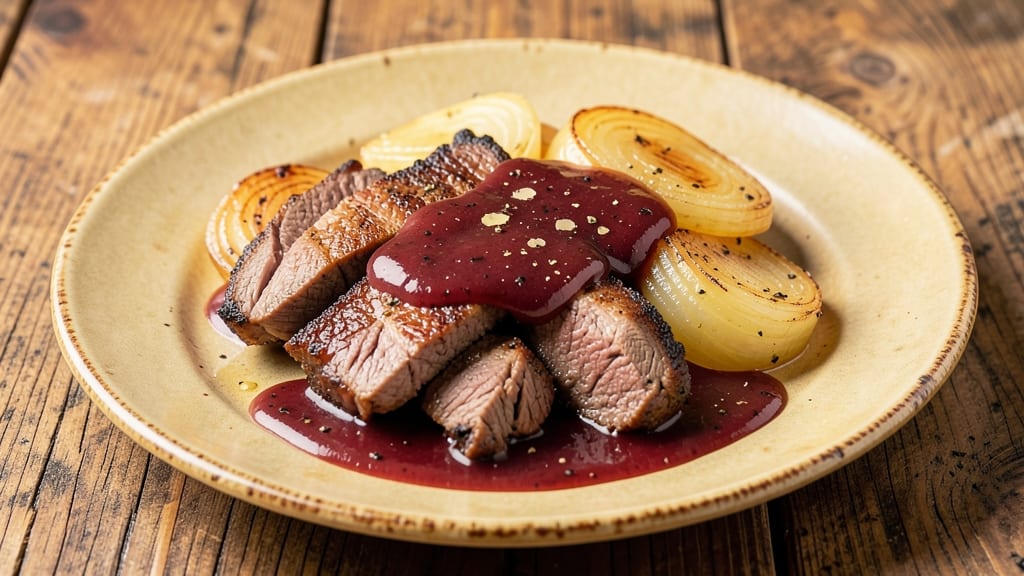
This beef liver with onions and gravy recipe delivers restaurant-quality richness with a perfect balance of tender liver, caramelized onions, and velvety gravy—all achieved through precise pan-searing techniques. The secret lies in quick, high-heat cooking to maintain texture while developing deep umami flavors through deglazing.
I’ve refined this method over years of testing, ensuring every bite is moist, flavorful, and free from the gaminess that often deters first-timers.
What sets this dish apart is the gravy—a savory, wine-infused reduction that transforms simple pan drippings into a luxurious sauce. The onions, slow-cooked until sweet and golden, provide a natural sweetness that complements the liver’s richness.
This recipe requires just 15 minutes of active prep and 20 minutes of cooking, making it surprisingly efficient for a dish that feels indulgent.
The key is patience: letting the liver rest before serving ensures it stays tender, while the gravy thickens perfectly when reduced just enough to coat the back of a spoon.
By the time you plate this dish, you’ll have perfectly seared liver with a crisp exterior and tender interior, surrounded by caramelized onions and a glossy gravy that clings to every bite. The aroma alone—warm, savory, and slightly smoky—will have everyone at the table anticipating the first forkful.
This is comfort food elevated: hearty enough for a weekend dinner but refined enough for a special occasion.
Serve with crusty bread to soak up the gravy or alongside roasted potatoes for a complete meal. The technique is straightforward, but the results are undeniably impressive—proof that even challenging ingredients can become a crowd-pleaser with the right approach. Let’s get started on mastering this classic dish.
Ingredients for beef liver with onions and gravy
Fourteen ingredients transform into a dish that feels luxurious yet requires minimal effort.
| Ingredient | Amount | Notes |
|---|---|---|
| Beef Liver 🥩 | 1 ½ lb | Fresh, evenly cut slices |
| Yellow Onions 🧅 | 2 large | Sliced into 1/4-inch rounds |
| Unsalted Butter 🧈 | 6 tbsp | European-style preferred |
| Dry Red Wine 🍷 | ½ cup | Cabernet Sauvignon recommended |
| Beef Stock 💧 | 1 cup | Homemade or high-quality |
| All-Purpose Flour 🌾 | 1 tbsp | For gravy thickening |
| Fresh Thyme Leaves 🌿 | ¼ cup | Chopped, stems removed |
| Fresh Parsley Leaves 🌿 | 0.1 cup | Chopped, for garnish |
| Diamond Crystal Kosher Salt 🧂 | 1 tsp | For seasoning |
| Freshly Ground Black Pepper 🌶️ | ½ tsp | Cracked peppercorns preferred |
| Granulated Sugar 🍚 | ½ tsp | For caramelizing onions |
| Extra-Virgin Olive Oil 🫒 | 1 tbsp | For pan-searing |
The beef liver is the centerpiece, and freshness is non-negotiable. Source from a trusted butcher—look for vibrant red color and minimal marbling. Costco or Whole Foods typically carry high-quality cuts. Avoid pre-packaged liver from the grocery store's meat counter, as it often lacks the tenderness required for this technique. For optimal results, ask your butcher to cut the liver into even 1/4-inch slices—this ensures consistent cooking. The onions should be yellow, firm, and free of sprouts; Spanish or Vidalia varieties caramelize beautifully. Store liver in the coldest part of your fridge, covered in paper towels, and use within 2 days for peak texture.
No red wine? Dry sherry or beef broth work as substitutes, though the depth of flavor will differ slightly. The beef stock can be replaced with chicken stock in a pinch, but the umami profile will be less pronounced. For the thyme and parsley, dried herbs at one-third the amount suffice if fresh aren't available, though fresh imparts a brighter flavor. The sugar in the onions is optional but recommended—it accelerates caramelization without adding sweetness to the final dish. If using pre-sliced onions, rinse them thoroughly to remove any residual sulfur compounds that can inhibit browning. The butter should be European-style with high fat content (like Plugrá or Kerrygold) to achieve a richer gravy.
Liver releases its juices aggressively, so preheat your serving plates to keep it warm while resting. The gravy thickens as it cools, so reduce it to a loose consistency—it will firm up slightly when reheated. Store leftovers in an airtight container for up to 3 days, though the liver's texture may degrade after the first day. For make-ahead convenience, prepare the caramelized onions and gravy components separately, then reassemble before serving. The onions can be refrigerated for 5 days or frozen for 3 months, while the gravy keeps for 4 days in the fridge or 3 months frozen. Always reheat gravy gently to prevent skin formation.
Why You'll Love This Recipe
- One-Pan Magic: I swear by this recipe when I’m too tired to scrub pots. Sear the liver in butter, toss in onions, deglaze with wine—boom, gravy forms right in the pan. Literally five ingredients, one pan, zero stress.
- Rich & Deep Umami: That red wine reduction? It’s the secret weapon. The liver stays tender while the onions caramelize into sweet, jammy perfection, all wrapped in a gravy so velvety it’ll make you forget it’s "offal." Honestly, the first time I made this, my partner asked for seconds before I even sat down.
- Budget Powerhouse: Beef liver is one of the most affordable protein sources out there—way cheaper than steak, but packed with iron and flavor. A single pound stretches across two meals, and the leftovers reheat like a dream in the morning with toast and eggs.
- Weeknight Workhorse: Make a double batch on Sunday and freeze half. Thaw it for a quick Tuesday dinner, or serve it at a dinner party when you want to impress without slaving away. The gravy thickens beautifully when reheated, so it’s just as good cold as it is hot. (Yes, even on a Tuesday night.)
Step-by-step instructions for beef liver with onions and gravy
Master this classic preparation with precise timing and technique for tender liver and velvety gravy.
Prepare the Liver and Caramelize the Onions
Pat the 1.5 lb beef liver slices completely dry with paper towels—this ensures a perfect sear. Season both sides generously with 1 tsp diamond crystal kosher salt and 0.5 tsp freshly ground black pepper. Set aside while you prepare the onions.
In a large skillet, melt 1 tbsp extra-virgin olive oil over medium heat. Add the 2 large yellow onions sliced into ¼-inch rounds and sprinkle with 0.5 tsp granulated sugar. Cook for 8-10 minutes, stirring occasionally, until the onions soften and develop a deep golden caramelization. You'll know they're ready when they release easily from the pan and smell sweetly aromatic. Remove the onions and set aside, leaving the caramelized fond in the skillet.
Sear the Liver to Perfect Doneness
Increase the heat to medium-high and add 3 tbsp unsalted butter to the skillet with the caramelized onions. Allow the butter to foam for 30 seconds before adding the liver slices. Sear for 2-3 minutes per side—the liver should reach 130-135°F internally when done. Overcooking turns liver tough, so use an instant-read thermometer to check.
Remove the liver from the skillet and tent loosely with foil to keep warm. The liver will continue cooking slightly from residual heat, so don't let it sit too long before serving. The exterior should be richly browned with a slight crust, while the interior remains tender and moist.
Deglaze and Build the Gravy
Reduce the heat to medium-low and add 0.5 cup dry red wine to the skillet. Scrape up all the browned bits from the bottom—this releases deep, savory flavors that form the base of your gravy. Simmer for 3-4 minutes until the wine reduces by half and the alcohol cooks off.
Stir in 1 cup beef stock and 0.25 cup chopped fresh thyme leaves, then bring to a gentle simmer. Let it reduce by one-third, about 5-6 minutes, until the gravy thickens slightly. In a small bowl, whisk together 1 tbsp all-purpose flour with 1 tbsp cold water to form a slurry. Slowly pour this into the simmering gravy while whisking continuously to prevent lumps.
Finish and Serve with Fresh Herbs
Return the liver to the skillet and spoon the gravy generously over the top. Let it heat through for 1-2 minutes, allowing the liver to absorb the rich, herby flavors. The gravy should coat the back of a spoon with a velvety consistency—if it's too thick, whisk in 1-2 tablespoons of hot beef stock to reach your desired texture.
Garnish each serving with 0.1 cup chopped fresh parsley leaves and serve immediately. The liver should be tender with a slight resistance when pierced, and the gravy should cling beautifully to each slice. Pair with crusty bread to soak up every last drop of that luxurious sauce.
Pro Tips For Making Beef Liver With Onions And Gravy
- Sear Liver in Batches: Beef liver turns to shoe leather if crowded—trust me, I’ve ruined a pan that way. Cook in single-layer batches over medium-high heat for 2-3 minutes per side until deeply browned, then set aside. The crust is everything, and a packed pan steals heat.
- Soak Onions in Cold Water: Slice onions thin, then toss them in ice water for 10 minutes before cooking. This stops them from releasing moisture into the pan, which means your gravy won’t turn into soup. Drain and pat dry—no one wants a watery finish.
- Deglaze with Wine After Removing Liver: Once the liver’s browned and out of the pan, pour in the red wine and let it bubble for 30 seconds. Scrape up those stuck-on bits—this is where flavor hides. If you deglaze with liver still in the pan, you’ll just steam it instead of building depth.
- Simmer Gravy Low and Slow: After adding stock, reduce heat to a gentle simmer. Boiling burns off the wine’s alcohol and makes the gravy taste harsh. A slow simmer (5-7 minutes) lets the flavors meld—no one’s rushing this part, and it shows.
Common mistakes when making perfect results
Overcooking the Liver
Liver’s delicate texture turns rubbery if overcooked—anything above 135°F internal temperature ruins the tender result. I’ve seen home cooks leave it in the pan too long, thinking more time equals better flavor.
Use an instant-read thermometer (ThermoWorks Dot) to check—130-135°F is perfect. If your liver hits 140°F, it’s game over. 🔥
Skipping the Rest
Freshly seared liver needs a 2-3 minute rest before serving to redistribute juices. Skipping this step means dry, tough bites. I always tent it loosely with foil—this keeps it warm without steaming.
The rest also lets residual heat carry the liver to perfect doneness without overcooking. Patience here makes all the difference. ⏰
Using Cold Liver
Liver straight from the fridge is too cold to sear properly—it steams instead of browning. Let it sit at room temperature for 15-20 minutes before cooking. I pull mine from the fridge 30 minutes before cooking and pat it completely dry.
Cold liver also releases less natural fat, making the pan less stable for searing. This is a rookie mistake that ruins texture. 🥶
Deglazing Too Aggressively
When deglazing with wine, don’t rush—let the alcohol reduce by at least half before adding stock. I’ve seen cooks pour in stock too soon, diluting the rich fond flavors.
Simmer the wine until it smells cooked (no sharp alcohol aroma) before adding beef stock. This builds depth in the gravy. 🍷
Ignoring the Fond
The browned bits stuck to your pan (fond) hold 30% of the flavor. Scrape them up when deglazing—this is where the umami magic happens. I use a wooden spoon to loosen every last bit before adding wine.
Skipping this step means a bland gravy. Think of it as flavor insurance. 💡
Overthickening the Gravy
Flour slurries can turn gravy gluey if over-reduced. Whisk in the slurry gradually and stop when the gravy coats the back of a spoon. Mine usually thickens just enough to cling to the liver without being pasty.
If it’s too thick, thin with a splash of hot stock—never cold, or it’ll curdle. 🥄
Nutrition facts
Frequently asked questions
Why does beef liver need to be cooked so quickly?
Beef liver cooks in a flash because it's an extremely tender cut that turns tough if overcooked. The ideal internal temperature is 130-135°F—any longer and it becomes rubbery. Quick searing at high heat creates a flavorful crust while keeping the inside moist. Think of it like perfect steak: fast cooking preserves texture.
Can I substitute red wine in the gravy with something else?
Use dry sherry (1:1 ratio) for similar depth, or beef broth if avoiding alcohol. For extra richness, try 1/4 cup chicken broth + 1 tbsp balsamic vinegar. The wine adds complexity, but these alternatives work well in a pinch. Just remember to reduce the liquid properly to build flavor.
How do I know when the onions are perfectly caramelized?
Perfect caramelized onions should be deep golden-brown, soft enough to mash between your fingers, and smell sweetly aromatic. They'll release easily from the pan and have a glossy sheen. If they stick too much, they need more time. The sugar helps accelerate this process while keeping them savory.
What's the best way to reheat leftovers?
Reheat liver gently in a skillet with 1 tbsp butter over low heat for 2-3 minutes—never microwave, or it'll dry out. Warm gravy separately on the stovetop, whisking constantly to prevent skin formation. For best texture, consume within 1 day of cooking.
Can I make this dish ahead of time?
Yes! Prep the caramelized onions and gravy components separately, then store in airtight containers. Reassemble just before serving: sear fresh liver, warm the onions, and reheat the gravy. The onions keep for 5 days in the fridge or 3 months frozen, while gravy lasts 4 days refrigerated. Never freeze liver itself.