
Main Courses
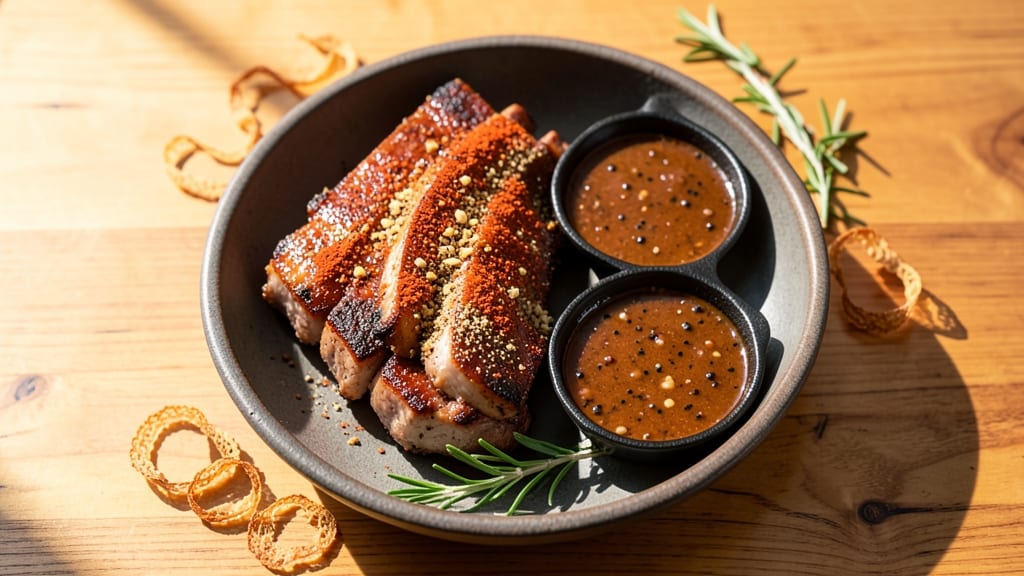
This beef loin ribs recipe delivers the perfect balance of a crispy cast-iron crust and buttery tenderness that transforms a simple weeknight dinner into a restaurant-worthy meal. The secret lies in a precise cooking method that ensures the meat stays juicy while developing that coveted caramelized exterior.
I’ve perfected this technique over years of testing, and it never fails to impress—whether you’re feeding a family or hosting guests.
The process begins with a dry rub that penetrates the meat, followed by a slow cook that builds deep flavor without drying out the ribs. Using a cast-iron skillet or Dutch oven is key—it retains heat evenly and creates that signature crust.
What sets this recipe apart is the two-stage cooking method: first, a gentle sear to lock in juices, then a slow finish to render fat and develop tenderness. The result? Ribs that are fork-tender inside with a crispy, golden crust that shatters at every bite.
By the time you’re done, you’ll have ribs that are rich, flavorful, and perfectly cooked—no guesswork involved. The method is designed to be precise, ensuring consistent results every time. Pair these ribs with a simple side of roasted vegetables or a fresh salad to let the meat shine.
This is the kind of dish that elevates a regular dinner into something memorable, and it’s easier than you think.
Whether you’re grilling, roasting, or slow-cooking, this recipe adapts to your preferred method while keeping the core technique intact. The beauty of beef loin ribs is their versatility—they work for casual gatherings or special occasions, and leftovers reheat beautifully for sandwiches the next day.
Let’s get cooking with a method that delivers restaurant-quality tenderness at home.
Ingredients for beef loin ribs
Twelve ingredients for restaurant-quality beef loin ribs with a signature cast-iron crust and melt-in-your-mouth tenderness.
| Ingredient | Amount | Notes |
|---|---|---|
| Beef Loin Ribs 🥩 | 2 lb | Bone-in, cut into 2-inch pieces |
| Kosher Salt 🧂 | 1 ½ tbsp | Diamond Crystal preferred for even distribution |
| Freshly Ground Black Pepper 🌶️ | 1 tsp | Cracked peppercorns for optimal flavor |
| Smoked Paprika 🌶️ | 1 tbsp | Spanish smoked for authentic depth |
| Garlic Powder 🧄 | 1 tbsp | Freshly ground preferred |
| Onion Powder 🧅 | 1 tbsp | Finely milled for even dispersion |
| Brown Sugar 🍯 | 1 tbsp | Light or dark, packed measurement |
| Unsalted Butter 🧈 | ½ cup | Cold, cut into 1-inch cubes |
| Extra-Virgin Olive Oil 🫒 | 2 tbsp | High-quality, fruity variety |
| Fresh Thyme Leaves 🌿 | ¼ cup | Finely chopped, stems removed |
| Fresh Rosemary 🌿 | ¼ cup | Needle leaves only, finely chopped |
| Yellow Onion 🧅 | 1 whole | Thinly sliced, for aromatics |
| Garlic Cloves 🧄 | 4 cloves | Minced, for dry rub and aromatics |
The beef loin ribs are the foundation—look for cuts with good marbling for optimal tenderness. Whole Foods Market or local butchers often carry premium cuts with superior fat distribution. If using pre-cut ribs, ensure they're uniform in size for even cooking. The dry rub ingredients must be high-quality: Penzeys Spices offers excellent smoked paprika, and Diamond Crystal kosher salt ensures even seasoning without clumping. Fresh herbs like thyme and rosemary should be vibrant green and free of wilting, as they contribute essential aromatic depth. For the butter, Plugrá or Land O'Lakes are reliable choices, but avoid salted varieties as they'll alter the seasoning balance.
Substitutions should preserve the recipe's core characteristics. If fresh thyme or rosemary isn't available, dried herbs at one-third the amount work in a pinch, though they lack the same complexity. For the brown sugar, honey or maple syrup can substitute at a 1:1 ratio, though they'll create a slightly different caramelization profile. The olive oil can be swapped for avocado oil if preferred, though it lacks the fruity notes that complement the beef. For those avoiding sugar entirely, omit the brown sugar and increase the smoked paprika by 0.5 tbsp to maintain depth. The onions and garlic can be caramelized separately if desired, though their primary role is as aromatics rather than flavor contributors.
Proper storage begins with the freshest ingredients. The dry rub components should be stored in an airtight container in a cool, dark place for up to 6 months, though fresh herbs should be used within 1 week of purchase. The prepared ribs can be refrigerated for 2 days before cooking, though they're best enjoyed fresh. Leftover cooked ribs reheat beautifully in a 350°F oven for 10-15 minutes with a splash of beef broth to maintain moisture. For longer storage, freeze cooked ribs for up to 3 months, though texture may slightly degrade. The dry rub itself keeps indefinitely when properly stored, making it ideal for batch preparation.
Why You'll Love This Recipe
- Five-Ingredient Magic: The pantry already has these—no specialty shopping needed. Just ribs, salt, pepper, smoked paprika, and garlic powder. That’s it. Honestly, I’ve made this with what was already in my cupboard, and it still tasted like I’d slaved over it.
- Crispy Without the Hassle: The secret’s in the sear—cast-iron pan, high heat, and just enough time to get that golden crust. Then the oven does the rest while I’m free to drink my coffee or watch the news. No babysitting required.
- Tailgate or Tuesday: Works for backyard gatherings or when I’m too tired to care. Between us, the smoked paprika gives it that smoky vibe without needing a smoker, and the garlic powder keeps it bright. My kids eat it cold straight from the fridge the next day.
- Leftovers That Don’t Suck: These ribs stay tender for days. I’ll wrap them in foil and reheat in the oven, or toss them into a salad for lunch. (Yes, even on a Tuesday.) The flavors only deepen—no sad, dry reheats here.
Step-by-step instructions for beef loin ribs with cast-iron crust
Master this technique for ribs that deliver both a deep, caramelized crust and melt-in-your-mouth tenderness.
Prepare the Dry Rub and Sear the Ribs
In a small bowl, combine the 1.5 tablespoons kosher salt, 1 teaspoon freshly ground black pepper, 1 tablespoon smoked paprika, 1 tablespoon garlic powder, 1 tablespoon onion powder, and 1 tablespoon brown sugar. Mix thoroughly to create an even, cohesive dry rub. This blend balances saltiness with sweetness while adding depth from the smoked paprika.
Pat the 2 pounds beef loin ribs dry with paper towels, then generously coat each piece with the dry rub, pressing firmly so it adheres. Let the ribs sit at room temperature for 30 minutes while you prepare your cooking surface. This resting period ensures even cooking and maximizes flavor penetration.
Heat a cast-iron skillet over medium-high heat until it's screaming hot. Add the 2 tablespoons extra-virgin olive oil and swirl to coat the bottom evenly. Place the ribs in the skillet in a single layer, leaving space between each piece. Sear undisturbed for 3-4 minutes per side until they develop a deep golden-brown crust. This initial sear locks in juices and creates the foundation for your cast-iron crust.
Build the Butter-Basted Crust in Cast Iron
Reduce heat to medium and add the ½ cup unsalted butter, cut into 1-inch cubes. Let the butter melt slowly, basting the ribs with the rendered fat for 5 minutes. This step is crucial—it creates a glossy, flavorful crust while keeping the meat tender. Don't rush this process; allow the butter to baste continuously until it turns a rich golden color.
While the butter bastes, prepare the aromatics by finely chopping the ¼ cup fresh thyme leaves and ¼ cup fresh rosemary, then mincing the 4 cloves garlic. Thinly slice the 1 whole yellow onion. These aromatics will infuse the ribs with layers of flavor during the final cooking stage.
After the butter has fully melted and the ribs are coated in a glossy, golden crust, add the minced garlic, thyme, rosemary, and sliced onion directly to the skillet. Toss everything together for 1 minute to coat the ribs in the aromatic mixture. The garlic should sizzle gently but not burn—this indicates proper heat control.
Finish with Low-and-Slow Roasting for Tenderness
Preheat your oven to 275°F. Transfer the ribs and all their aromatic juices to a baking dish or roasting pan. Cover tightly with aluminum foil and place in the preheated oven. Roast for 2 hours, flipping the ribs once halfway through cooking. This low-temperature method ensures the connective tissue breaks down completely, resulting in fork-tender meat.
Here's the key to perfect tenderness: check the internal temperature using a meat thermometer. The ribs are done when they reach 195-200°F—this is well past the usual safe temperature and guarantees melt-in-your-mouth texture. The ribs should pull apart easily with minimal resistance when pierced with a fork. If they're not quite there after 2 hours, add another 30 minutes of cooking time.
Once the ribs reach the proper internal temperature, remove them from the oven and let them rest for 10 minutes before serving. This resting period allows the juices to redistribute throughout the meat, preventing them from running out when you cut into the ribs. The crust will remain intact while the meat becomes even more tender.
Serve with Crust Intact, Meat Falling Apart
Using two forks or tongs, carefully transfer the ribs to a serving platter. The crust should remain perfectly intact, while the meat should be so tender it nearly falls apart at the touch. Any accumulated pan juices in the baking dish can be reduced by 1-2 minutes on the stovetop to create a glossy sauce, which can be drizzled over the ribs before serving.
Serve immediately with the crisp cast-iron crust facing up. Each bite should deliver a perfect contrast: the initial crunch of the crust giving way to the buttery, melt-in-your-mouth tenderness of the meat. The aromatics will add bright, herbal notes that complement the rich, savory flavor profile. For best results, serve with roasted potatoes or a simple green salad to balance the richness.
Pro Tips For Making Beef Loin Ribs
- Trim the Fat First: Cut the thin membrane off the bone side of each rib before seasoning—it’s the only way to get that crispy crust right where it matters. I used to skip this, and the ribs always ended up chewy near the bone.
- Salt in Layers: Don’t just sprinkle salt once—pat the ribs dry, coat them with kosher salt, let them sit for 30 minutes, then re-salt before cooking. The first layer draws out moisture, and the second locks in flavor.
- Start Hot, Finish Slow: Sear the ribs over high heat for 2-3 minutes per side until deeply browned, then drop the heat to medium-low. Rushing the sear means steaming instead of caramelizing, and that’s the difference between good and great.
- Rest Under Foil: After cooking, tent the ribs loosely with foil and let them rest for 5-10 minutes. This keeps them juicy while you finish the pan sauce—no one wants dry ribs, even if they’re perfectly seasoned.
Wine and beer pairings for these flavors
Red Wine Pairings
For these rich, caramelized beef loin ribs, a bold red wine cuts through the fat while complementing the smoky, buttery notes. I reach for a Cabernet Sauvignon from Napa Valley—its dark fruit flavors and firm tannins stand up to the crust while balancing the meat's richness.
A Malbec from Argentina offers similar depth with softer tannins, making it a great alternative for those who prefer smoother wines. 🍷
If you prefer something with more earthiness, a Syrah/Shiraz from the Rhône Valley or Australia brings peppery, spicy notes that enhance the ribs' herbal aromatics. Avoid overly oaky wines like Chardonnay—they'll clash with the smoky, savory profile.
Serve the wine slightly chilled (around 65°F) to refresh your palate between bites.
Malty Beer Options
A dark amber ale or brown ale mirrors the ribs' caramelized crust and malty depth. I love pairing with a Belgian Dubbel like Westmalle's 8—its caramel and dark fruit notes harmonize beautifully with the butter-basted crust.
For a lighter option, a honey-brown ale from a craft brewery adds subtle sweetness that complements the ribs' richness. 🍺
Avoid heavy stouts or IPAs—they'll overpower the delicate balance of crust and tenderness. Instead, opt for a wheat beer with a touch of spice, like a German Hefeweizen, to cleanse your palate between bites.
The beer's effervescence helps cut through the fat, making each bite feel lighter and more refreshing.
White Wine Contrast
For a surprising but delicious contrast, try a dry Viognier from the Rhône Valley. Its floral and stone fruit notes provide a bright counterpoint to the ribs' richness, while its acidity cuts through the fat.
A Gewürztraminer from Alsace also works well, especially if your ribs have a slightly sweet glaze from the brown sugar in the dry rub. 🍷
Serve the white wine slightly cooler than room temperature (50-55°F) to enhance its crispness. This pairing works particularly well if you're serving the ribs with a lighter side dish like a fresh salad or roasted asparagus, where the wine's acidity can shine.
Non-Alcoholic Pairings
For a refreshing non-alcoholic option, I recommend a sparkling grape juice like Welch's Concord or a ginger beer with a hint of spice. The effervescence and slight tartness mirror the wine pairings while keeping the experience vibrant.
A cold brewed hibiscus tea adds a floral, slightly tart note that complements the ribs' herbal aromatics. ✨
For something richer, a smoked black tea like Lapsang Souchong—infused with wood smoke—echoes the ribs' smoky depth without alcohol. Serve it chilled over ice for a sophisticated non-alcoholic pairing that still feels special enough for a dinner party.
Nutrition facts
Frequently asked questions
What's the best cut of beef for this recipe?
Use beef loin ribs (specifically the short ribs section) for this recipe—they're tender, flavorful, and perfect for developing that signature cast-iron crust. Look for cuts with good marbling for extra tenderness. Avoid tougher cuts like chuck ribs, which need longer cooking times and won't achieve the same melt-in-your-mouth texture.
Can I cook these ribs on the grill instead of the oven?
After searing in cast iron, transfer the ribs to a 300°F grill and cook for 2-2.5 hours, covered with foil, until tender. The key is maintaining low heat—avoid flare-ups by keeping the grill lid closed. For extra flavor, add wood chips (hickory or apple) during the last 30 minutes of cooking.
Why do my ribs turn out tough instead of tender?
Tough ribs usually mean the meat wasn't cooked long enough or at the right temperature. Aim for an internal temp of 195-200°F—this breaks down collagen for tenderness. If using a thermometer isn't an option, cook until the ribs pull apart easily with a fork. Also, avoid overcrowding the pan during searing, which can steam instead of brown the meat.
How can I make this recipe ahead of time?
Prepare the dry rub and coat the ribs up to 2 days ahead, then refrigerate uncovered. For best results, cook the ribs 1 day ahead and reheat at 350°F for 15 minutes with a splash of beef broth to restore moisture. The crust will be slightly softer after reheating but still delicious. Store cooked ribs in an airtight container for up to 4 days.
Can I substitute butter with oil in the crust?
While butter creates the signature flavor and glossy crust, you can substitute with avocado or ghee oil for a similar texture. Use the same amount (½ cup) and baste just as you would with butter. However, the flavor will be less rich—stick with butter for the full experience. For a dairy-free option, use olive oil but expect a slightly different mouthfeel.