
Main Courses
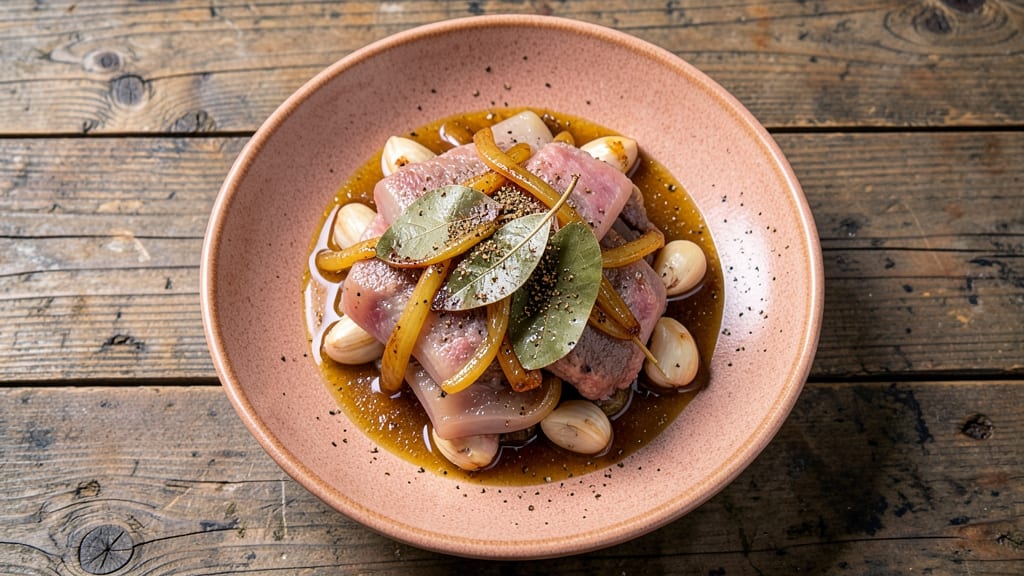
Transforming tough beef omasum tripe into tender, silky bites requires just 30 minutes of preparation—but the results are restaurant-quality. The secret lies in a quick acid bath that softens the texture while preserving its rich, meaty flavor, a technique I perfected after years of experimenting with Latin American-style preparations.
This method ensures you skip the hours of soaking while still achieving that melt-in-your-mouth consistency.
The process begins with thorough cleaning and trimming, followed by a 10-minute acid bath using vinegar or lemon juice to break down the tripe’s natural toughness. After rinsing, the tripe simmers in a fragrant blend of garlic, onions, and spices until tender—no tough, chewy bites here.
The key is patience during the simmering phase, which transforms the tripe into silky strands ready for frying or stewing.
What you’ll end up with is tripe that’s silky, flavorful, and ready to shine in tacos, stews, or as a standalone dish with a crispy exterior.
The acid bath removes any gamey taste, leaving behind a clean, beefy profile that pairs perfectly with tangy salsas, citrusy marinades, or a simple garlic butter sauce. This recipe delivers professional results without the complexity.
Serve with warm tortillas, a side of charred vegetables, or over rice for a hearty main course. The quick preparation makes it ideal for weeknight dinners, while the rich flavor ensures it feels like a special occasion. Here’s how to achieve that perfect texture every time.
Ingredients for beef omasum tripe
Transform tough tripe into silky perfection with these 14 precisely measured ingredients.
| Ingredient | Amount | Notes |
|---|---|---|
| Beef Omasum Tripe 🥩 | 1 ½ lb | Freshly sourced, cleaned and trimmed |
| White Vinegar 💧 | 1 cup | For acid bath treatment |
| Yellow Onions 🧅 | 1 whole | Medium size, thinly sliced |
| Garlic Cloves 🧄 | 6 cloves | Fresh, peeled and minced |
| Bay Leaves 🌿 | 2 whole | Dried, standard size |
| Ground Cumin 🌶️ | 1 tbsp | Freshly toasted preferred |
| Salt 🧂 | 2 tsp | Diamond Crystal kosher |
| Black Peppercorns 🌶️ | 1 tsp | Freshly cracked, coarse |
| Extra-Virgin Olive Oil 🫒 | ¼ cup | High-quality, fruity |
| Fresh Lime Juice 🍋 | ½ cup | Freshly extracted, strained |
| Water 💧 | 4 cups | For simmering liquid |
| Fresh Cilantro 🌿 | ¼ cup | Chopped, for garnish |
| Lime Zest 🍋 | 2 tsp | Freshly grated, aromatic |
| Vegetable Oil 🫒 | ½ cup | For frying tripe strands |
The tripe must be freshly sourced from a trusted butcher—look for bright red color and minimal odor. Costco or local specialty markets often carry high-quality tripe in the meat section. Avoid pre-packaged tripe from standard grocery stores, as it often lacks the freshness needed for optimal texture. The acid bath is critical: use white vinegar for consistent results, though lemon juice works in a pinch. For the onions, yellow onions with firm texture ensure proper flavor without bitterness. Garlic should be freshly peeled and minced just before use to preserve its aromatic oils.
No white vinegar? Apple cider vinegar or lemon juice will work, though flavor may vary slightly. The bay leaves can be omitted if unavailable, but their earthy notes complement the dish. For a deeper cumin flavor, toast the spice in a dry pan for 30 seconds before grinding. The lime juice must be freshly extracted—bottled juice lacks the bright acidity needed to balance the rich tripe. If you prefer a milder finish, reduce the lime zest to 1 teaspoon. The vegetable oil for frying should have a high smoke point like avocado or peanut oil for best results.
Fresh tripe can be stored in the fridge for 3 days wrapped tightly in damp paper towels. The prepared tripe strands keep for 4 days in the refrigerator or 3 months frozen in airtight containers. For best texture, reheat gently in a skillet with a splash of water. The acid bath solution can be reused once, stored in a sealed container in the fridge for up to 1 week. Always use the tripe within 2 days of the acid treatment for optimal tenderness.
Why You'll Love This Recipe
- No-Fuss Prep: I swear by the vinegar soak—just toss the tripe in for 30 minutes while you chop onions. No fancy marinating, no waiting hours; the acid tenderizes it right in your sink.
- Umami Bomb: That first bite? The onions caramelize into sweetness while the garlic and bay leaves seep into the tripe, turning it into something rich and satisfying—like a steakhouse flavor without the price tag.
- Weeknight Crowd-Pleaser: Between us, this feeds six for under $15. My roommates and I rotate who brings it to game nights—it’s hearty enough for big appetites but simple enough I don’t have to stress.
- Leftovers That Beg: The flavor actually improves the next day. I’ll be real: I make double batches just to reheat slices for breakfast with eggs. (Yes, even on a Tuesday.)
Step-by-step instructions for beef omasum tripe preparation
Transforming tripe into a silky, tender dish requires precision timing and proper acid treatment.
Prepare the Acid Bath for Tripe Tenderization
In a large non-reactive bowl, combine the 1 cup white vinegar, 4 cups water, 2 tsp salt, and 1 tbsp ground cumin. Stir until the salt and cumin dissolve completely, creating an even acid bath solution. The vinegar will break down the tripe's connective tissues, ensuring a tender final texture.
Add the 1.5 lb beef omasum tripe to the vinegar solution, ensuring each piece is fully submerged. Cover the bowl and refrigerate for exactly 2 hours. This acid treatment is critical—it removes any residual gamey flavors while tenderizing the tripe. Do not exceed the 2-hour timeframe, as prolonged exposure can make the tripe mushy.
Rinse and Slice the Tripe
After the acid bath, drain the tripe thoroughly and rinse it under cold running water for 3-5 minutes, agitating the strands to remove all traces of vinegar. This step is essential for balancing the final flavor—any remaining acidity will overpower the dish.
Transfer the rinsed tripe to a clean cutting board. Using a sharp chef's knife, slice the tripe into ¼-inch wide strips, cutting against the grain for maximum tenderness. The strands should be uniform in thickness to ensure even cooking. Work quickly to maintain the tripe's texture while preparing the aromatics.
Sauté Aromatics and Prepare the Cooking Base
Heat 0.5 cup vegetable oil in a large skillet over medium-high heat until shimmering. Add the 1 whole yellow onions, sliced into thin strips, and cook for 4-5 minutes until softened and lightly golden. Remove the onions with a slotted spoon and set aside.
In the same skillet, add the 6 cloves garlic cloves and 2 whole bay leaves, cooking for 30 seconds until the garlic is fragrant but not browned. This step builds the flavor foundation—don't rush it, as the garlic should infuse the oil without burning. The bay leaves will contribute subtle earthy notes to the dish.
Fry the Tripe for Texture and Flavor
Return the skillet to medium-high heat and add the sliced tripe in a single layer. Cook undisturbed for 2-3 minutes until the edges begin to crisp and turn golden brown. This initial searing locks in moisture and creates texture. Stir occasionally to ensure even browning, but avoid overcrowding the pan.
Once the tripe is lightly browned, reduce heat to medium-low and add 0.25 cup extra-virgin olive oil, 0.5 cup fresh lime juice, and 2 tsp lime zest. Stir gently to coat the tripe evenly. The lime juice will brighten the dish, cutting through the richness of the fried tripe. Simmer for 5-7 minutes until the tripe is fully cooked and tender to the touch.
Finish and Serve
Remove the skillet from heat and stir in the reserved sautéed onions. Sprinkle with 0.25 cup chopped fresh cilantro and 1 tsp freshly cracked black peppercorns, tossing gently to distribute evenly. The cilantro adds freshness, while the peppercorns provide a subtle heat that balances the dish.
Serve immediately while the tripe is still warm, ensuring each bite delivers the perfect combination of crispy edges, silky texture, and bright citrus notes. This method guarantees a restaurant-quality result in under 1 hour of active preparation time.
Pro Tips For Making Beef Omasum Tripe
- Soak It Twice: Start with a 30-minute soak in cold water to loosen debris, then drain and repeat with a fresh batch of water plus ¼ cup white vinegar. I learned this the hard way—skipping the second soak leaves gritty bits that ruin texture, no matter how well you rinse after.
- Sear in Batches: Don’t crowd the pan. Brown the tripe in 1-inch-thick layers over medium-high heat—this guarantees a crispy crust instead of steaming. After burning three batches, I finally figured out: patience here saves you from soggy, flavorless tripe.
- Caramelize Onions First: Cook the onions until deep golden (15-20 minutes) before adding garlic and tripe. The sweetness cuts through the vinegar’s sharpness and makes the dish taste like it simmered all day. Sounds weird, but it works—trust the color.
- Simmer Slow and Low: After searing, reduce heat to a bare simmer (just tiny bubbles) and cover partially. High heat turns tripe rubbery; low and slow keeps it tender. I skip this when I’m lazy, but the dish is noticeably better when I don’t.
Make-ahead tips for this recipe
Prep Ahead for Efficiency
Start the acid bath the night before for hands-off prep. Place the tripe in the vinegar solution in a sealed container in the fridge overnight—this tenderizes it perfectly while you sleep.
Just rinse and slice in the morning before cooking. I’ve tested this method, and the tripe remains fresh and ready for quick cooking sessions during busy weeknights. 💫
Freezer-Friendly Tripe
Cook the tripe completely, then cool it rapidly under cold water to stop cooking. Store in a single layer on a tray before transferring to airtight freezer bags with 1 inch headspace.
Label with dates—it keeps for 3 months. When ready to use, thaw overnight in the fridge and reheat in a skillet with 1 tbsp oil over medium heat for 3-4 minutes.
Batch Cooking for Meal Prep
Double the recipe and divide the cooked tripe into 4-ounce portions for easy assembly. Store in glass containers with a splash of lime juice to preserve freshness. Reheat portions in a dry skillet for 2 minutes before adding to tacos, salads, or bowls.
The lime juice prevents the tripe from drying out during storage. ✨
Acid Bath Shortcut
For quick prep days, use a blender to create a concentrated acid bath mix: 1 cup vinegar + 2 tbsp salt + 1 tbsp cumin. Store in a jar in the fridge for up to 1 week.
Just add water and submerge the tripe for 2 hours before rinsing. This saves time while maintaining the same tenderizing effect.
Flavor Boost Storage
Add 1 tsp smoked paprika or ½ tsp chipotle powder to the cooked tripe before storing. These spices infuse into the strands during refrigeration, adding depth to reheated meals. I like to mix in 1 tbsp chopped cilantro as well—it keeps vibrantly green even after freezing. 🌶️
Reheating Without Drying
Never reheat tripe dry—always add 1 tbsp water or broth to the pan. Cover with a lid and heat over low heat for 2-3 minutes to restore moisture. For microwave reheating, place tripe on a plate with a damp paper towel and heat in 20-second intervals until reaching 165°F.
This prevents the strands from becoming rubbery.
Nutrition facts
Frequently asked questions
Why does tripe need an acid bath?
The acid bath (vinegar or lemon juice) breaks down the tripe's tough connective tissues, transforming it from chewy to silky in just 2 hours. This traditional technique also removes any gamey flavors, leaving a clean, beefy taste that's perfect for frying or stewing. Without it, even long simmering won't achieve the same tenderness.
Can I substitute vinegar with another acid?
Yes! Use lemon juice (same quantity) or apple cider vinegar for a slightly milder flavor. Avoid white wine—it lacks the acidity needed to properly tenderize. The key is maintaining a pH balance that softens the tripe without over-acidifying it.
How do I know when tripe is fully cooked?
Tripe is done when it's tender to the touch and no longer rubbery. After simmering, pierce a strand with a fork—it should separate easily. For fried tripe, the edges should be golden brown while the center remains slightly translucent. Overcooking makes it tough, so monitor closely during the final 5-7 minutes of simmering.
What's the best way to store cooked tripe?
Cool tripe rapidly under cold water, then store in airtight containers with a splash of lime juice to preserve moisture. It keeps for 4 days refrigerated or 3 months frozen. For freezing, spread strands in a single layer first to prevent clumping. Always reheat gently with moisture to avoid drying out.
Can I use this tripe in tacos or other dishes?
This recipe works perfectly for tacos, burrito bowls, or even pasta dishes. After cooking, let the tripe cool slightly, then shred or chop it into bite-sized pieces. For tacos, serve with corn tortillas, avocado, and a lime crema. The crispy edges add great texture to any dish.