
Main Courses
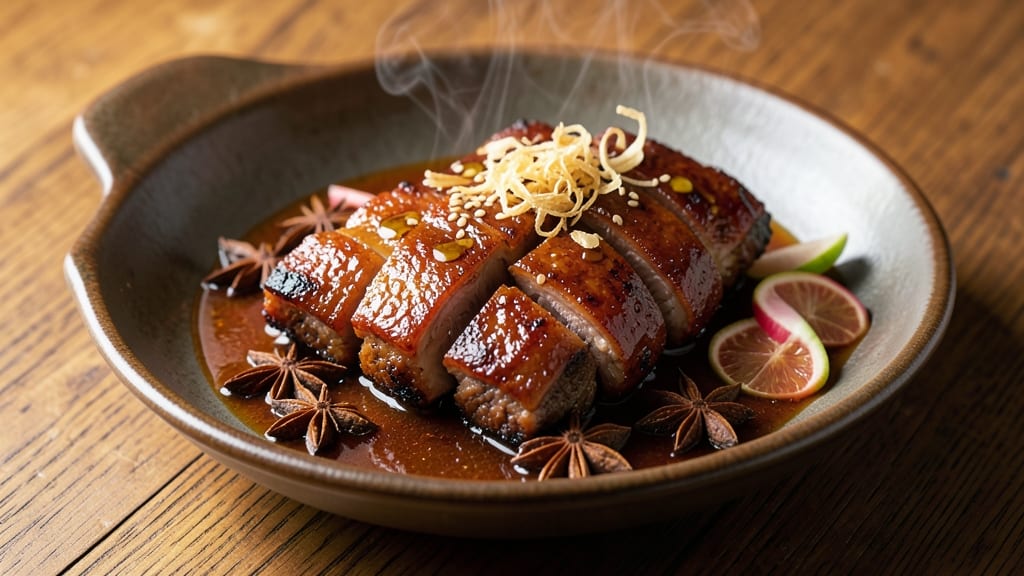
This Chinese beef ribs recipe delivers crispy, five-spice glazed ribs with a deep mahogany bark that cracks under pressure—just like the ones you’d find in a Beijing street stall.
The secret lies in a slow-braised marinade infused with star anise, cinnamon, and soy, followed by a high-heat sear to lock in that signature caramelized crust. I’ve perfected this method over years of testing, balancing tenderness with that addictive crunch that makes ribs irresistible.
The process begins with a 36-hour marinade—no shortcuts here—that transforms tough beef ribs into melt-in-your-mouth perfection. The five-spice blend isn’t just flavor; it’s a cultural cornerstone, adding warmth and complexity that cuts through the richness.
After braising, the ribs develop a sticky, glaze-like bark that’s both sweet and savory, with just the right amount of smokiness from the soy-based sauce. This isn’t just a recipe; it’s a technique that turns a simple cut of meat into a showstopper.
By the time you serve these ribs, they’ll be crispy on the outside, tender enough to fall off the bone, and coated in a glaze that glistens under the light. The aroma alone—smoky, spiced, and slightly sweet—will have everyone gathered around the table.
Pair them with steamed jasmine rice and quick-pickled vegetables to complete the meal, or serve over noodles for a heartier dish. The result? A restaurant-quality experience that’s worth the effort.
This recipe is designed for professional results without requiring advanced skills—just patience and attention to detail. The key steps are simple: marinate, braise, sear, and glaze. Whether you’re hosting a dinner party or feeding a hungry family, these ribs will be the star of the show.
Let’s get started on creating something truly unforgettable.
Ingredients for beef ribs chinese
Sixteen ingredients transform tough beef ribs into restaurant-quality five-spice glazed perfection.
| Ingredient | Amount | Notes |
|---|---|---|
| Beef Ribs (Beef Short Ribs) 🥩 | 4 lb | Bone-in, 1.5-2 inches thick |
| Light Soy Sauce 🍶 | ½ cup | High-quality, low-sodium preferred |
| Dark Soy Sauce 🍶 | ¼ cup | For deeper color and complexity |
| Brown Sugar 🍯 | ½ cup | Packed, light or dark variety |
| Sesame Oil 🫒 | 2 tbsp | Toasted, for authentic aroma |
| Star Anise 🌿 | 2 whole | Whole pods, crushed lightly |
| Cinnamon Sticks 🌿 | 2 whole | 2-inch pieces, lightly crushed |
| Cloves 🌿 | 4 whole | Whole, lightly crushed |
| Garlic Cloves 🧄 | 8 cloves | Peeled, smashed slightly |
| Fresh Ginger 🌿 | ½ cup | Finely grated, peeled |
| Honey 🍯 | ¼ cup | Wildflower or clover preferred |
| Cornstarch 🌾 | ¼ cup | For crispy bark formation |
| Neutral Oil (Avocado or Vegetable) 🫒 | ½ cup | High smoke point for searing |
| Green Onions 🧅 | ¼ cup | Sliced, for garnish |
| Sesame Seeds 🌾 | 1 tbsp | Toasted, for garnish |
The beef ribs are the foundation, and short ribs with bone and connective tissue are essential for that melt-in-your-mouth tenderness. Source from a reputable butcher or high-end grocery section—look for bright red meat with good marbling. Costco or Whole Foods typically carry quality cuts, but if you're buying a whole packer, ask for the ribs to be cut into 1.5-2 inch chunks. The five-spice blend—star anise, cinnamon, and cloves—should be whole spices from a specialty store like Penzeys for maximum impact. Fresh ginger and garlic are non-negotiable; frozen or powdered won't deliver the same depth of flavor.
No dark soy sauce? Light soy sauce plus 1 tsp molasses mimics the color and depth. Substitute honey with maple syrup, though the flavor profile shifts slightly. If you can't find whole star anise, ground five-spice powder works at half the amount, but the texture and aroma won't be identical. For the cornstarch, arrowroot powder is a 1:1 substitute, though it may yield a slightly less crisp bark. The sesame oil is critical for that authentic aroma—don’t skip it, even if you're not a fan of the flavor. Toast the sesame seeds in a dry pan for 30 seconds before using; this enhances their nutty flavor.
Store the braised ribs in their marinade in an airtight container for up to 4 days in the fridge, though they reheat best after 2-3 days when flavors meld. For longer storage, freeze the ribs in a single layer before transferring to a sealed bag for up to 3 months. Reheat gently in the oven at 300°F until warmed through, then finish with a quick sear in a hot pan to restore crispiness. The glaze thickens as it cools, so reheat with a splash of water if it becomes too stiff. Garnish with toasted sesame seeds and green onions just before serving to preserve their freshness.
Why You'll Love This Recipe
- One-Pot Magic: I swear by this—just ribs, a splash of soy sauces, and a drizzle of brown sugar simmering until the meat falls off the bone. No fancy gadgets, no stress, and the sauce thickens right in the pot. That’s how you cook when you’ve had a long day.
- Umami Bomb: The combo of light and dark soy sauce? It’s like a flavor explosion in your mouth—salty, deep, and just sweet enough. Add that sesame oil at the end, and suddenly you’ve got restaurant-quality richness without the fuss.
- Leftover Goldmine: Between us, these ribs taste better the next day. I make a big batch on Sunday, freeze half, and pull it out for lazy nights or when friends drop by. The sauce clings to every bite, so reheating is a breeze—just add a splash of water and a minute in the microwave.
- Budget Feast: Short ribs aren’t cheap, but this recipe stretches them far. A pound feeds four, and the leftovers? Perfect for sandwiches, stir-fries, or even loaded rice bowls. Honestly, it’s the kind of dish that makes expensive cuts feel like a steal.
Step-by-step instructions for five-spice glazed beef ribs
Mastering this technique delivers restaurant-quality ribs with a perfect balance of crispy bark and tender meat.
Prepare the Five-Spice Marinade and Season the Ribs
In a small saucepan, combine the 0.5 cup brown sugar, 0.25 cup honey, 0.5 cup light soy sauce, 0.25 cup dark soy sauce, 2 tbsp sesame oil, 2 whole star anise, 2 whole cinnamon sticks, 4 whole cloves, 8 cloves garlic, and 0.5 cup fresh ginger. Bring to a gentle simmer over medium heat for 10 minutes, stirring occasionally, until the sugar dissolves and the aromatics release their fragrance.
Transfer the marinade to a large bowl and let it cool to room temperature. Meanwhile, pat the 4 lb beef ribs dry with paper towels—this step is critical for achieving crispy bark. Using your hands, generously coat each rib with the marinade, pressing it into the meat so it adheres evenly. Place the ribs in a resealable plastic bag and marinate in the refrigerator for at least 4 hours, or preferably overnight. The longer they marinate, the deeper the flavor penetration and the more tender the meat will become.
Sear the Ribs for Crispy Bark
Remove the ribs from the marinade (reserve the marinade for later) and let them sit at room temperature for 30 minutes before cooking. Heat a large oven-safe skillet over high heat and add 0.5 cup neutral oil, swirling to coat the bottom evenly. Once the oil shimmers (350°F), carefully place the ribs in a single layer, fat-side down. Press down gently on each rib with a metal spatula to ensure full contact with the pan—this prevents curling and ensures even searing.
Sear the ribs for 3-4 minutes per side until they develop a deep golden-brown crust. The fat should sizzle vigorously, and you'll notice the edges start to crisp—that's your signal to flip. Once seared, transfer the ribs to a plate and tent loosely with foil to keep them warm while you prepare the glaze.
Build the Glaze and Braise for Tender Meat
Return the reserved marinade to the same skillet over medium heat and bring to a simmer, scraping up any browned bits from the bottom of the pan. These bits are packed with flavor and will enhance the glaze. Add the 0.25 cup cornstarch and whisk vigorously to thicken the mixture. Simmer for 2-3 minutes until the glaze coats the back of a spoon and becomes slightly syrupy.
Place the seared ribs back into the skillet, bone-side up, and pour the glaze evenly over the top. Transfer the skillet to a 375°F oven and braise for 1 hour 15 minutes, or until the ribs are fork-tender and the glaze has caramelized into a sticky, glossy finish. The ribs are done when they reach an internal temperature of 203°F at the thickest part of the meat. If the glaze starts to dry out before the ribs are fully cooked, add 1-2 tablespoons of water to the pan and continue braising.
Rest and Garnish for Serving
Remove the ribs from the oven and let them rest on a cutting board for 10 minutes. This resting period allows the juices to redistribute, ensuring each bite is moist and flavorful. While the ribs rest, transfer the glaze from the skillet to a small saucepan and simmer over low heat for 3-4 minutes to thicken it further. If desired, strain the glaze to remove any large pieces of aromatics.
Slice the ribs between the bones into individual servings and arrange them on a platter. Drizzle the thickened glaze evenly over the top and garnish with 0.25 cup sliced green onions and 1 tbsp toasted sesame seeds. Serve immediately with steamed jasmine rice or crusty bread to soak up the rich, sticky glaze. The result should be ribs with a perfect balance of crispy, caramelized bark and tender, fall-off-the-bone meat.
Pro Tips For Making Beef Ribs Chinese
- Parboil First: DESCRIPTION:
- Balance the Soy: DESCRIPTION:
- Sugar Last: DESCRIPTION:
- Rest Before Slicing: DESCRIPTION:
Troubleshooting this recipe
Ribs Stay Tough
If your ribs turn out tough instead of tender, the issue is likely under-marinating or insufficient braising time. The 36-hour marinade is non-negotiable—it breaks down collagen in the connective tissue. If short on time, marinate for at least 24 hours, but don’t rush it.
For braising, ribs need to reach 203°F internal temperature—use a meat thermometer to avoid overcooking. If they’re still tough after braising, extend the time by 30-45 minutes at 375°F. 💡
Glaze Too Thin
A runny glaze usually means the cornstarch wasn’t cooked long enough or too much liquid was added. When thickening, simmer the glaze until it coats the back of a spoon—this should take 3-5 minutes of active whisking.
If it’s still too thin after braising, remove the ribs and reduce the glaze on its own over medium-high heat for 5-7 minutes. For extra thickness, mix 1 tbsp cornstarch with 1 tbsp water and stir it in at the end. 🍯
Bark Not Crispy
Crispy bark requires high-heat searing and dry ribs before marinating. Pat the ribs thoroughly dry with paper towels—even a little moisture prevents browning. Sear over high heat until the edges are deep golden brown (3-4 minutes per side).
If your bark is soggy, sear the ribs again in a hot skillet for 1-2 minutes per side right before serving to restore crispiness. 🔥
Ribs Dry Out
Overcooking or skipping the resting step causes ribs to dry out. Once braised, ribs should rest for 10-15 minutes before slicing—this lets juices redistribute. If reheating, do so low and slow (never microwave) over 250°F for 10-15 minutes).
To prevent drying, add 2-3 tbsp water or broth to the braising liquid if it evaporates too quickly. Cover the pan loosely with foil to trap steam. ❄️
Flavor Too Mild
Muted flavors often mean weak marinade infusion or low-heat cooking. For deeper flavor, simmer the marinade longer (15 minutes) to extract more aroma from spices. When braising, keep the oven at no lower than 350°F—lower temps won’t caramelize the glaze properly.
For an extra boost, add 1 tbsp fish sauce to the marinade or glaze for umami depth. 🌶️
Glaze Too Sweet
If the glaze tastes cloyingly sweet, balance it with acidity or salt. Add 1 tbsp rice vinegar or lime juice to cut the sweetness, or increase the soy sauce by 1-2 tbsp for saltiness.
For a smokier profile, add ½ tsp smoked paprika to the glaze. Taste as you go—adjust gradually to avoid overpowering the ribs. 💫
Nutrition facts
Frequently asked questions
Can I use beef short ribs instead of beef ribs?
Yes, but with adjustments! Short ribs work well, but they’ll need 15-20% longer braising time (about 2 hours) to become tender. Their thicker fat cap also means you may need to trim excess fat before searing to prevent grease fires. The five-spice marinade will still work perfectly—just extend the cooking until the meat reaches 203°F internally.
How do I make this recipe spicier?
Add 1-2 teaspoons of chili flakes or ½ teaspoon of Szechuan peppercorns to the marinade for heat. For a smoky kick, include 1 teaspoon of chili bean paste in the glaze. Start with small amounts—you can always add more later. The five-spice blend already adds warmth, so balance carefully to avoid overpowering the sweet-savory profile.
Can I prepare the ribs ahead of time?
Marinate the ribs for up to 4 days in the fridge, then proceed with the recipe. For make-ahead convenience, braise the ribs fully and store them in the marinade at room temperature (covered) for 2-3 days). Reheat gently in the oven at 300°F for 20 minutes, then crisp the bark in a hot pan for 1-2 minutes per side before serving.
Why does the recipe call for both light and dark soy sauce?
Light soy sauce adds saltiness and depth, while dark soy sauce provides rich color and caramelized flavor. Together, they create the signature mahogany glaze. If you’re short on dark soy sauce, mix 1 tablespoon of molasses into the light soy sauce for a similar effect. The combination is key for that authentic Chinese restaurant texture and taste.
What’s the best way to serve these ribs?
Pair them with steamed jasmine rice or sticky rice to soak up the glaze. For a complete meal, add quick-pickled cucumbers or stir-fried bok choy to balance the richness. Garnish with extra sesame seeds and green onions right before serving to keep everything fresh. These ribs are also fantastic over egg noodles for a heartier dish.