
Sauces & Condiments
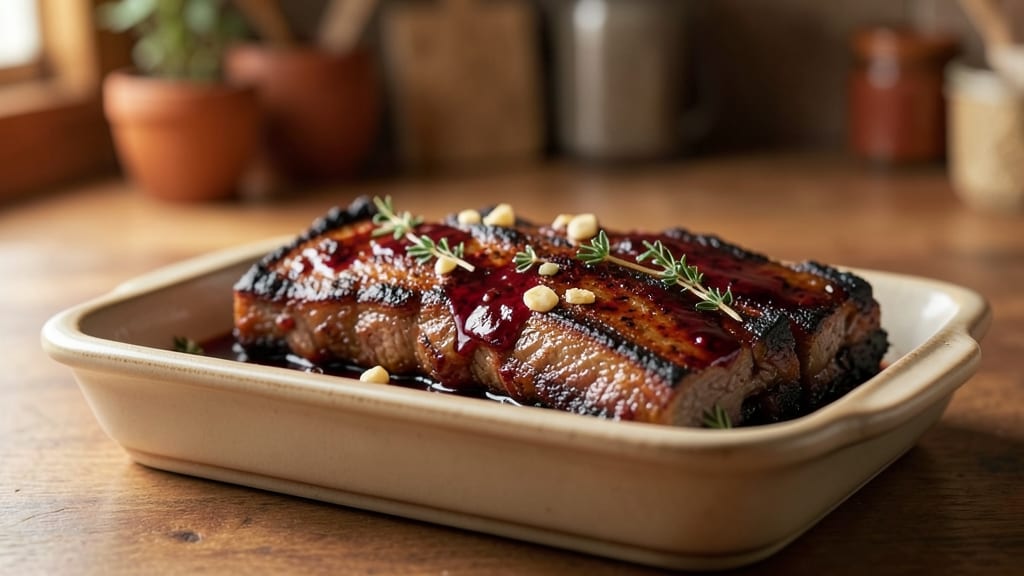
This beef spare ribs marinade transforms tough cuts into tender, flavor-packed masterpieces through a deep-red wine and smoked paprika infusion. The combination of acidity, richness, and smoky heat creates a marinade that tenderizes while building layers of complex flavor—no overpowering spices, just balanced depth.
I developed this after years of experimenting with commercial marinades that left ribs dry or overly sweet.
The secret lies in the wine's acidity breaking down proteins while the smoked paprika adds warmth without bitterness. Olive oil carries the flavors into the meat, and a touch of brown sugar caramelizes during cooking for extra richness.
This marinade works best when applied 4-12 hours before cooking, allowing time for deep penetration without over-saturating the ribs.
What you'll achieve is ribs with a perfect balance of tender meat and bold, restaurant-quality crust—no dryness, no overwhelming sweetness, just deep, savory satisfaction. The marinade's acidity also helps create that coveted bark during cooking, sealing in juices for melt-in-your-mouth results every time.
Use this marinade for braising, grilling, or slow-cooking—it's equally effective for all methods. The wine and paprika combination makes it particularly well-suited for fall and winter meals when you want rich, hearty flavors without heavy sauces. Let's create this marinade first, then build those flavorful ribs.
Ingredients for beef spare ribs marinade
Nine simple ingredients blend into a marinade that transforms tough ribs into tender, flavor-rich masterpieces.
| Ingredient | Amount | Notes |
|---|---|---|
| Dry Red Wine 🍷 | 1 cup | Bold, full-bodied variety like Cabernet Sauvignon |
| Smoked Paprika 🌶️ | 2 tbsp | High-quality Spanish smoked paprika |
| Extra-Virgin Olive Oil 🫒 | ½ cup | Fruity, peppery variety for balance |
| Light Brown Sugar 🍯 | 2 tbsp | Turbinado preferred for texture |
| Apple Cider Vinegar 🍏 | 2 tbsp | Enhances acidity and tenderness |
| Garlic Cloves 🧄 | 6 cloves | Freshly minced for maximum flavor |
| Onion Powder 🧅 | 1 tbsp | Freshly ground preferred |
| Ground Black Pepper 🌶️ | 1 tsp | Freshly cracked for best flavor |
| Diamond Crystal Kosher Salt 🧂 | 1 ½ tsp | For proper seasoning balance |
| Fresh Thyme Leaves 🌿 | ½ tsp | Dried works at one-third amount |
The wine is non-negotiable here—Cabernet Sauvignon or Merlot from a good bottle give the best depth. Trader Joe's has solid affordable options, but if you've got a favorite local winery, grab a bottle there. The smoked paprika should be Spanish-style—it's richer and less bitter than regular paprika. For the olive oil, California extra-virgin brands like Corto or Otto add that fruity brightness that balances the wine's tannins. The brown sugar might seem small, but it caramelizes beautifully during cooking, adding that perfect crust without sweetness overload.
No red wine? Beef broth with a splash of balsamic vinegar works in a pinch—just add an extra tablespoon of vinegar to compensate. Fresh thyme is ideal, but dried thyme at one-third the amount gets you close. The garlic can be roasted first for deeper flavor (just toss whole cloves on a baking sheet at 400°F for 10 minutes). For the onion powder, Diamond Crystal is my go-to—it dissolves better than most brands. Want more heat? Add a pinch of cayenne. No brown sugar? Maple syrup at half the amount works surprisingly well, though it'll add a subtle sweetness.
This marinade keeps beautifully in the fridge for up to 1 week in an airtight container. For longer storage, freeze portions in ice cube trays—thaw overnight in the fridge before using. The wine-based marinade works best when applied 4-12 hours before cooking, but never exceed 24 hours to avoid over-saturation. The ribs will absorb enough flavor in that time to create that coveted bark during cooking, sealing in all those juices for melt-in-your-mouth results. Double the batch—it's perfect for grilling, braising, or even as a sauce base.
Why You'll Love This Recipe
- Wine-Friendly Prep: I swear by this marinade because it’s actually foolproof—just toss everything in a bowl, stir, and let the ribs soak. No fancy gadgets, no waiting for hours; the red wine and vinegar do most of the work while you sip your own glass.
- Smoky-Sweet Magic: That combo of smoked paprika and brown sugar? It’s like a flavor explosion in your mouth—deep, caramelized edge with a hint of tang from the vinegar. Honestly, the first time I made this, I nearly licked the bowl clean (and I don’t even do that).
- Tailgate or Tuesday: Between us, this marinade works for everything—grilling at a game, a last-minute dinner, or even meal prep. Slather it on ribs, toss it with chicken, or even drizzle it over roasted potatoes. It’s my secret weapon for when I’m too tired to think.
Step-by-step instructions for beef spare ribs marinade
This marinade transforms tough ribs into tender, flavorful masterpieces—let's make it together.
Combine Wet Ingredients for Maximum Flavor Extraction
In a medium mixing bowl, pour the 1 cup dry red wine and 0.5 cup extra-virgin olive oil. The wine should be bold and full-bodied—think Cabernet Sauvignon—to stand up to the ribs' richness. Stir these together until fully emulsified, creating a smooth base. This combination of wine and olive oil not only carries flavor but also tenderizes the meat through osmosis.
Next, add the 2 tbsp apple cider vinegar and 2 tbsp light brown sugar. The vinegar's acidity will break down proteins, while the sugar caramelizes during cooking, adding a subtle depth. Whisk vigorously for 30 seconds until the sugar dissolves completely—you should see tiny bubbles forming on the surface. This ensures even distribution of all ingredients throughout the marinade.
Incorporate Aromatics and Seasonings
Add the 6 minced garlic cloves, 1 tbsp onion powder, 1.5 tsp diamond crystal kosher salt, 1 tsp ground black pepper, and 0.5 tsp fresh thyme leaves to the bowl. The garlic and onion powder provide aromatic depth, while the salt and pepper create a balanced seasoning profile. Use a wooden spoon to stir everything together until you see no dry spots remaining—this ensures every rib gets coated with flavor.
Here's the thing—don't skip the thyme. Its earthy notes complement the smoky paprika we'll add next, creating a complex flavor profile. If using dried thyme, reduce to 1/6 tsp since dried herbs are more concentrated. The mixture should now have a rich, reddish hue from the wine and a faint aroma of garlic and vinegar—this is your cue that the marinade is ready for the final touch.
Fold in Smoked Paprika for Depth and Color
Sprinkle the 2 tbsp smoked paprika over the marinade and fold it in gently with a spatula. Unlike regular paprika, smoked paprika adds a subtle charred flavor and deep red color that penetrates the ribs beautifully. The key here is to fold rather than stir vigorously—this prevents clumping and ensures even distribution. You'll notice the marinade darken slightly as the paprika dissolves.
Taste the marinade now. It should be tangy from the vinegar, slightly sweet from the sugar, and deeply aromatic from the garlic and thyme. Adjust seasoning if needed—add a pinch more salt if it tastes flat, or a splash of vinegar if it needs more acidity. This marinade works best when balanced, so don't be afraid to tweak it to your preference. Once satisfied, transfer the marinade to an airtight container.
Apply and Marinate for Optimal Tenderness
Place the beef spare ribs in a single layer in a resealable plastic bag or shallow dish. Pour the marinade over the ribs, ensuring every surface is coated. If using a bag, press out as much air as possible before sealing—this creates a vacuum seal that maximizes flavor absorption. For best results, marinate in the refrigerator for at least 4 hours, though overnight (up to 12 hours) yields even more tender ribs.
Real talk: Don't rush this step. The acidity in the vinegar and wine needs time to work its magic on the meat fibers. If you're short on time, marinate for at least 2 hours, but understand the ribs may not be as tender. When ready to cook, remove the ribs from the marinade and discard any leftover marinade that touched raw meat—never reuse it.
Pro Tips For Making Beef Spare Ribs Marinade
- Reduce the Wine First: Simmer the dry red wine down by half before mixing it into the marinade—this concentrates the flavor and prevents a watery, diluted result. I learned this the hard way when my first batch tasted more like a weak punch than a bold marinade.
- Toast the Paprika: Dry-toast the smoked paprika in a small pan over low heat for 30 seconds until fragrant—this deepens its smoky aroma and makes the marinade taste more intentional. Sounds weird, but it works: the difference is noticeable.
- Whisk in the Sugar: Dissolve the light brown sugar in the apple cider vinegar first, then whisk it into the olive oil before adding the wine—this ensures the sugar fully integrates and doesn’t clump into gritty bits. Skipping this step means you’ll taste sugar grains instead of a smooth, caramelized finish.
- Marinate Overnight, Not Just Hours: Give the ribs at least 12 hours in the fridge—ideally 24—for the vinegar and wine to tenderize the meat and the spices to penetrate. I was skeptical until I tried it: the texture and flavor were transformed, and the ribs stayed juicy even after slow cooking.
Troubleshooting this recipe
Ribs Too Dry?
Over-marinating is the #1 cause of dry ribs. The acidity in wine and vinegar breaks down proteins, but exceeding 12 hours can turn tender meat into mush. I’ve ruined ribs by marinating overnight—then again for 24 hours—so I now set a timer.
If your ribs feel rubbery after cooking, reduce marinating time to 4-6 hours next time. 💡
Weak Flavor?
If your marinade lacks depth, the wine might be too light. Swap Cabernet Sauvignon for Malbec or Zinfandel—their bold tannins add richness. For extra punch, add 1 tsp coffee granules to the marinade (trust me, it works!).
Also, ensure your ribs are fully submerged in marinade—half-coated ribs mean half-flavored meat. Use a shallow dish instead of a bag for even coverage.
Bitter Aftertaste?
Smoked paprika can overpower if not balanced. If your ribs taste bitter, the wine might be oxidized (old or exposed to air). Always use fresh wine—open the bottle just before marinating.
For extra insurance, add 1 tsp honey to counteract bitterness. If the marinade itself tastes off, start fresh—never salvage it by adding more sugar or salt.
Sticky Bark Fails
That perfect crust requires caramelization, but too much sugar or vinegar can prevent it. If your ribs lack bark, reduce brown sugar to 1 tbsp and apple cider vinegar to 1 tbsp.
For a better crust, pat ribs dry after marinating—moisture prevents browning. Cook low-and-slow first, then sear at 450°F for 5-10 minutes to develop bark. ⚡
Marinade Separates?
Oil and vinegar/wine can split if not emulsified properly. Whisk vigorously for 30+ seconds when combining wet ingredients. For extra stability, add 1 tsp Dijon mustard (it acts as a natural emulsifier).
If separation happens later, give it a quick stir before using—just don’t shake it violently, or the oil will break again.
Ribs Still Tough?
Toughness often means undercooked connective tissue. For spare ribs, aim for 195-203°F internal temp (use a meat probe!). If they’re still firm, return them to the oven/smoker for 30-60 minutes more.
For extra tenderness, add 1 tbsp Worcestershire sauce to the marinade—it contains enzymes that break down collagen. Patience is key: ribs need time to become fork-tender.
Nutrition facts
Frequently asked questions
Can I use this marinade for other meats besides beef spare ribs?
This marinade works beautifully on pork ribs, chicken thighs, or even lamb chops. The wine and vinegar combination tenderizes tough cuts while the smoked paprika adds depth. For poultry, reduce marinating time to 2-4 hours to avoid over-saturation.
What's the best way to store leftover marinade?
Transfer any unused marinade to an airtight container and refrigerate for up to 1 week. For longer storage, freeze portions in ice cube trays. Thaw overnight in the fridge before using. Never reuse leftover marinade that touched raw meat—discard it after application.
Can I make this marinade without wine?
Yes! Replace the wine with 1 cup beef broth plus 1 tbsp balsamic vinegar for similar acidity. For extra richness, add 1 tbsp soy sauce. The flavor will be slightly different but still delicious. The key is maintaining the 1:1 ratio of liquid to acid to tenderize the meat.
How do I adjust the heat level in this marinade?
For more heat, add ½ tsp cayenne pepper or 1 tsp chipotle powder. For a milder version, reduce the smoked paprika to 1 tbsp and omit the cayenne. Always taste the marinade before applying—you can adjust seasoning to your preference. The wine and vinegar provide enough acidity to balance any heat adjustments.
Will this marinade work for frozen ribs?
Not ideal for frozen ribs. Thaw them completely in the fridge first (about 12-24 hours depending on size). The marinade works best when applied to fresh or thawed meat. If you must marinate frozen ribs, increase the time to 18-24 hours in the fridge, but monitor for over-saturation.