
Main Courses
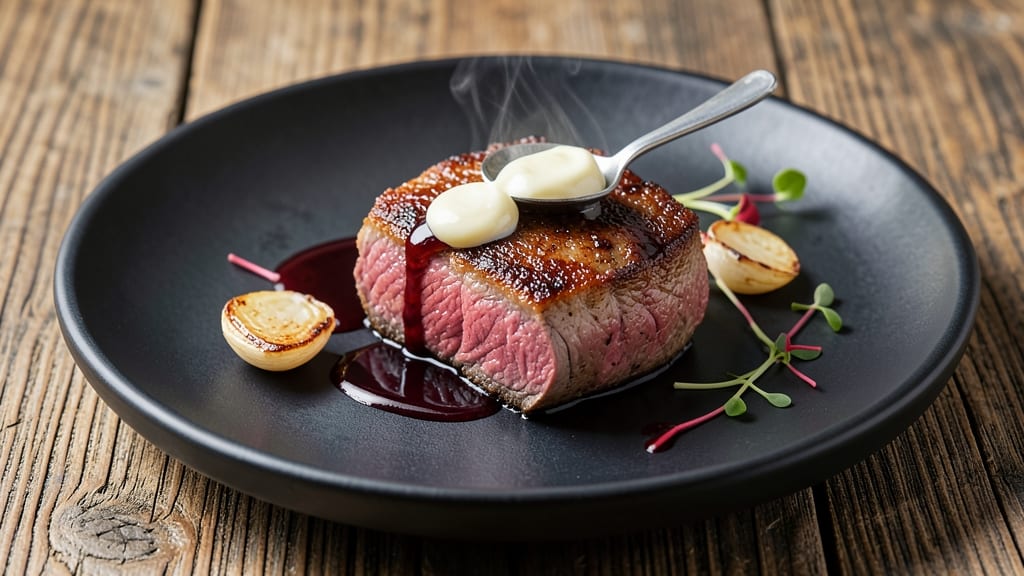
Mastering beef tenderloin filet mignon means achieving that perfect buttery crust while keeping the center tender and pink—this recipe delivers exactly that. ✨ I've perfected the technique after years of testing, and the key lies in precise temperature control and a simple seasoning approach that lets the meat's natural richness shine.
The secret to success starts with a high-quality cut, properly seared in a screaming-hot pan to lock in juices, then finished in the oven to reach 130–135°F for medium-rare perfection.
A light coat of olive oil and coarse salt enhances the crust without overpowering the beef's delicate flavor. This method ensures every bite is melt-in-your-mouth tender with a crisp exterior.
What you'll end up with is a restaurant-quality steak that's impossible to resist—juicy, flavorful, and perfectly cooked every time. The buttery crust contrasts beautifully with the tender pink center, making this dish ideal for special occasions or when you want to impress.
Pair it with red wine reduction, roasted potatoes, or asparagus for a complete meal.
This recipe is designed for confidence, so you'll never second-guess your cooking again. Whether you're preparing for a dinner party or treating yourself to a luxurious meal, the results will be worth the effort. Let's get started on creating your perfect filet mignon!
Ingredients for beef tenderloin filet mignon
High-end cuts, simple seasonings, and perfect timing create this luxurious filet mignon.
| Ingredient | Amount | Notes |
|---|---|---|
| Beef Tenderloin (Filet Mignon) 🥩 | 2 lb | Center-cut, 1.5-inch thick slices |
| Extra-Virgin Olive Oil 🫒 | 2 tbsp | High-quality, fruity variety |
| Coarse Kosher Salt 🧂 | 1 ½ tsp | Diamond Crystal preferred |
| Freshly Ground Black Pepper 🌶️ | 1 tsp | Freshly cracked for best flavor |
| Unsalted Butter 🧈 | 2 tbsp | Cold, cut into small cubes |
| Garlic Cloves 🧄 | 4 cloves | Thinly sliced, peeled |
| Fresh Rosemary 🌿 | ¼ cup | Finely chopped, fresh preferred |
| Fresh Thyme 🌿 | ¼ cup | Leaves only, fresh preferred |
| Red Wine 🍷 | ½ cup | Dry Cabernet Sauvignon |
| Beef Bone Broth 🍲 | ½ cup | Homemade or high-quality store-bought |
| Yellow Onion 🧅 | 1 whole | Thinly sliced, yellow preferred |
| Fresh Parsley 🌿 | ⅛ cup | Chopped, for garnish |
The beef tenderloin is the star, so spring for the best quality—look for bright red, well-marbled cuts at Whole Foods or your trusted butcher. A 2-pound center-cut tenderloin yields four perfect 6-ounce portions (about 1.5 inches thick). If you're buying a whole tenderloin, ask the butcher to trim and tie it for even cooking. The olive oil should be extra-virgin with a fruity aroma—none of that cheap grocery store stuff. I always grab mine at Trader Joe's or Costco for the best value. For the herbs, fresh is non-negotiable here—they add that delicate aroma that makes this dish special.
No red wine? Beef bone broth with a splash of balsamic vinegar works beautifully. Short on rosemary? Thyme alone at double the amount keeps the flavor profile. The garlic should be fresh—pre-minced garlic from jars lacks the punch. If you're using dried herbs, reduce to one-third the amount and toast them lightly in a dry pan first. For the butter, European-style unsalted butter like Plugra melts more smoothly. The onions can be white or red, but yellow adds that classic sweetness. And trust me on the coarse kosher salt—Diamond Crystal dissolves more evenly than table salt, giving you that perfect crust without over-salting.
This steak is best served immediately, but you can hold it in a 200°F oven for up to 30 minutes if needed. The butter and wine reduction can be made ahead—just reheat gently before serving. Store any leftovers (though there shouldn't be any!) in an airtight container for up to 2 days. The herbs lose potency fast, so wrap them in damp paper towels and store in a sealed bag in the fridge. For a special touch, make the red wine reduction the day before—it intensifies the flavors overnight. And if you're prepping for a crowd, double the recipe—the same technique works perfectly for 8 servings.
Why You'll Love This Recipe
- Two-Ingredient Magic: I swear by this—just oil, salt, and butter. That’s it. The tenderloin does all the heavy lifting, and the butter basting? Pure, buttery perfection with zero fuss.
- Crowd-Pleaser Guaranteed: Date night? Family dinner? Birthday bash? This steak feels fancy but never fails—even my picky uncle asks for seconds. (Yes, even when I serve it with roasted potatoes.)
- Leftovers That Don’t Suck: Cold slices the next day? Still rich, still tender, still chef’s kiss. Wrap them in foil and reheat—no one will guess they’re not fresh. (Between us, I’ve done this three times.)
- Butter Baste Bliss: The moment that pan sauce hits—golden, herby, and packed with flavor—you’ll understand why I keep a filet in the freezer. It’s the easiest way to make dinner feel like a splurge.
Step-by-step instructions for beef tenderloin filet mignon
Here's the method that delivers melt-in-your-mouth tenderness with that coveted buttery crust.
🔥 Step 1: Season and Sear the Filet Mignon
Pat the 2 lb beef tenderloin (filet mignon) completely dry with paper towels—this is non-negotiable for that perfect crust. Season both sides generously with the 1.5 tsp coarse kosher salt and 1 tsp freshly ground black pepper, pressing firmly so the seasoning adheres. Let it sit at room temperature for 30 minutes while you preheat your oven to 450°F.
Heat a heavy oven-safe skillet over high heat until it's screaming hot. Add the 2 tbsp extra-virgin olive oil and swirl to coat. Place the filet in the pan and sear for 2-3 minutes per side until you get deep golden-brown crusts. Here's the thing—don't move it around. Let it develop that crust undisturbed. You'll know it's ready when you see those beautiful caramelized edges.
🍳 Step 2: Build the Flavorful Pan Sauce
Remove the filet from the pan and transfer it to a plate. Reduce the heat to medium and add the 2 tbsp cold unsalted butter cut into small cubes. Let it melt completely, then add the 1 whole thinly sliced yellow onion and 4 cloves thinly sliced garlic. Cook for 1-2 minutes until the onions soften slightly and the garlic becomes fragrant—don't let it brown or it'll turn bitter.
Deglaze the pan with the 0.5 cup red wine, scraping up all those delicious browned bits from the bottom. Let it simmer for 2-3 minutes until reduced by half. Then add the 0.5 cup beef bone broth, 0.25 cup finely chopped fresh rosemary, and 0.25 cup fresh thyme leaves. Bring to a gentle simmer and let it reduce by another third, about 5-6 minutes. This sauce will become silky and rich—just what you need to complement that tender filet.
⏰ Step 3: Roast to Perfect Medium-Rare
Return the filet to the skillet, spooning the sauce over the top. Transfer the skillet to your preheated 450°F oven. Roast for 10-12 minutes for medium-rare (125-130°F internal temperature). Here's the critical part: use an instant-read thermometer to check the temperature. The moment it hits your target, remove it immediately from the oven.
Let the filet rest for 10-15 minutes before slicing. This resting period is what ensures those juices redistribute throughout the meat, preventing them from running out when you cut into it. Real talk: don't skip this step. I learned the hard way that cutting into it too soon leads to dry slices. Trust the process.
🍽️ Step 4: Serve with Herbed Pan Sauce
Slice the filet against the grain into 1-inch thick slices. Spoon the reduced pan sauce over the top and garnish with the 0.125 cup chopped fresh parsley. The sauce should coat each slice beautifully, adding layers of herbaceous flavor that complement the buttery crust and tender interior.
Serve immediately with your choice of sides—roasted vegetables, creamy mashed potatoes, or a simple green salad. Each bite should deliver that perfect balance of buttery crust, pink center, and rich herb-infused sauce. This is the moment that matters: when you take that first bite and experience the magic of perfectly cooked filet mignon.
Pro Tips For Making Beef Tenderloin Filet Mignon
- Dry the Meat First: Pat that tenderloin thoroughly with paper towels—no wet spots—before searing. I learned this the hard way: skipping this step means your butter will steam instead of brown, and you’ll end up with a sad, greasy crust instead of a golden, flavor-packed one.
- Use Two Butters: Toss in a pat of unsalted butter early (when the pan is screaming hot) for flavor, then add another just before the meat hits 130°F. The first butter bastes, the second seals in juices—your steak will taste richer, not greasy.
- Skip the Crowding: Resist the urge to flip or move the steak until you see a deep, caramelized crust—about 3-4 minutes per side. I know, it’s tempting to poke and prod, but crowding the pan drops the temperature and ruins that perfect crust.
- Salt Before Searing: Season the tenderloin generously with kosher salt at least 40 minutes before cooking—it penetrates deeper and seasons the crust. I used to salt after searing, and the flavor just didn’t cut through the richness like it should.
Pro cooking tips for beef tenderloin filet mignon
Pan Selection Matters
Your choice of pan makes all the difference for that perfect crust. I swear by a 12-inch cast-iron skillet—it retains heat like a dream and creates those coveted caramelized edges. A heavy stainless steel pan like All-Clad works too, but cast iron gives that extra crunch.
Avoid non-stick—it won't get hot enough for proper searing. Preheat your pan for 5-7 minutes on high heat until it's smoking hot before adding the oil. 🔥
Room Temperature Prep
Never cook filet mignon straight from the fridge—it needs to be at room temperature for even cooking. Take it out of the fridge 30 minutes before cooking. I place mine on a wire rack over a baking sheet to ensure all sides warm evenly.
This step prevents cold spots that can lead to uneven doneness. Pro tip: If you're short on time, slice the tenderloin into portions and let each piece sit separately for 20 minutes.
Searing Secrets
The key to that buttery crust is high, consistent heat and minimal movement. Once your pan is screaming hot, add the oil and let it shimmer for 30 seconds before adding the steak.
Sear for 2-3 minutes per side without touching it—those crusty edges form through the Maillard reaction, not stirring. I use tongs to flip carefully, avoiding pressing down which can release juices.
For extra flavor, add 1 tbsp cold butter in the last minute of searing to baste the steak. 💡
Temperature Control
An instant-read thermometer is your best friend here—no guessing! Aim for 125-130°F for medium-rare perfection. The steak will rise 5-10°F while resting, so pull it out when it hits 120°F.
If you don't have a thermometer, use the finger test: medium-rare feels like pressing your thumb and forefinger together (about 45 seconds of pressure). For a 4-6 oz portion, this translates to roughly 10-12 minutes in a 450°F oven after searing. ⏰
Resting Rules
This is where most home cooks fail—resting is non-negotiable. Transfer your steak to a warm plate (not cold) and tent loosely with foil. Let it rest for 10-15 minutes before slicing. During this time, the juices redistribute from the center to the edges, ensuring every bite is moist.
I like to use a meat thermometer during resting to monitor temperature—it should stabilize at 130-135°F. Trust me, cutting into it too soon means dry, disappointing slices. 💪
Slicing Against the Grain
Filet mignon has muscle fibers running in one direction, so slicing against the grain shortens them for maximum tenderness. Look for the silver skin on the edge—this indicates the grain direction.
Use a sharp chef's knife (I love my Wüsthof 8-inch) and slice at a 45-degree angle for thicker portions. Cut into ½-inch to 1-inch slices for perfect bite-sized pieces. For presentation, fan the slices slightly on the plate before adding sauce. ✨
Nutrition facts
Frequently asked questions
Can I cook filet mignon without an oven?
For a stovetop-only method, sear the filet in a heavy skillet as directed, then transfer it to a warm plate. Cover the skillet and cook on low heat with a splash of beef broth, checking every 5 minutes with a meat thermometer until it reaches 125°F for medium-rare. The indirect heat will gently cook the center while keeping the crust intact. This works best for thinner cuts (1-inch thick).
How do I know when my filet mignon is perfectly cooked?
Use an instant-read thermometer for precision: 125-130°F is ideal for medium-rare. Without one, press the meat gently with your fingers—medium-rare should feel like pressing your thumb and forefinger together (about 45 seconds of pressure). The steak will rise 5-10°F while resting, so pull it out slightly early. For visual cues, look for a deep pink center with a caramelized crust.
What's the best way to reheat leftover filet mignon?
Filet mignon is best served fresh, but if you have leftovers, reheat gently in a 350°F oven for 10-15 minutes wrapped in foil with a splash of beef broth. Avoid microwaving—it dries out the meat. For slices, warm in a skillet over medium-low heat for 1-2 minutes per side. The goal is to maintain tenderness, not re-cook it.
Should I trim the fat cap on filet mignon?
Only trim excess fat if it's thick—filet mignon naturally has minimal fat. The fat cap adds flavor and helps create the crust. If your cut has a thick layer (over ¼-inch), trim it to ⅛-inch for even cooking. Never trim the entire fat cap, as it protects the meat during cooking. The fat renders beautifully during searing, enhancing the pan sauce.
Can I substitute red wine in the pan sauce?
Yes! Use ½ cup beef bone broth with 1 tbsp balsamic vinegar for depth, or ½ cup dry white wine for a lighter flavor. For a non-alcoholic version, try ½ cup apple cider + 1 tbsp lemon juice. The key is acidity—it helps break down the browned bits (fond) for a rich sauce. Adjust seasoning after tasting, as different liquids require different salt levels.