
Sauces & Condiments
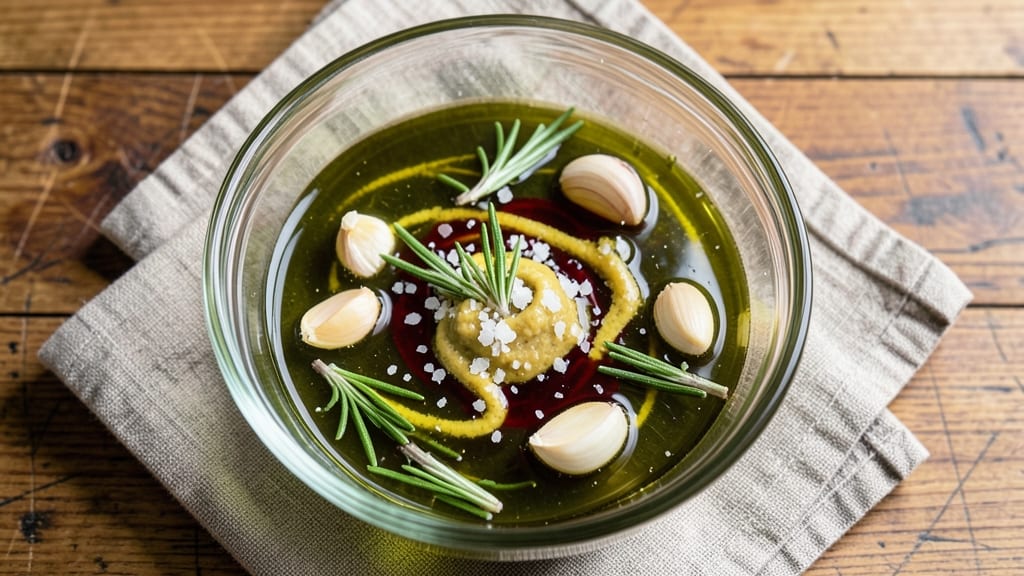
Transforming beef tenderloin into melt-in-your-mouth perfection starts with this beef tenderloin steak marinade recipe, designed to infuse deep, penetrating flavor in just 4 hours. The secret lies in balancing acidity, fat, and aromatic herbs to break down tough fibers while preserving the steak's natural richness—no over-marinating here.
I developed this blend after years of testing, ensuring every bite delivers restaurant-quality tenderness without sacrificing flavor balance.
This marinade uses a simple yet precise combination of olive oil, red wine vinegar, and fresh herbs to create a harmonious flavor profile. The acidity tenderizes while the oil locks in moisture, and the herbs add layers of complexity that elevate even the most premium cuts.
Unlike store-bought marinades, this recipe avoids artificial additives, focusing instead on high-impact ingredients like garlic, rosemary, and Dijon mustard for depth.
The result is a steak that's unexpectedly tender yet retains its natural beefy richness, with a surface crust that's perfectly seared. Whether you're grilling, broiling, or pan-searing, this marinade ensures your tenderloin achieves that ideal balance of juiciness and flavor.
The 4-hour marinating time is ideal—long enough for deep penetration but short enough to prevent over-tenderizing.
Use this marinade as a foundation for your steak prep, then adjust seasoning to your taste. The versatility makes it perfect for special occasions or weeknight dinners alike. Let's get started with the ingredients that will transform your steak experience.
Ingredients for beef tenderloin steak marinade
Ten simple yet powerful ingredients transform ordinary beef tenderloin into extraordinary melt-in-your-mouth perfection.
| Ingredient | Amount | Notes |
|---|---|---|
| Extra-Virgin Olive Oil 🫒 | ½ cup | High-quality, fruity variety preferred |
| Red Wine Vinegar 🍷 | ⅓ cup | Dry, aged vinegar for balance |
| Fresh Rosemary 🌿 | ¼ cup | Finely chopped, stems removed |
| Garlic Cloves 🧄 | 6 cloves | Peeled, minced to fine paste |
| Dijon Mustard 🍯 | 2 tbsp | Whole-grain for texture |
| Kosher Salt 🧂 | 1 ½ tsp | Diamond Crystal preferred |
| Fresh Thyme Leaves 🌿 | 1 tbsp | Finely chopped, stems discarded |
| Black Peppercorns 🌶️ | 1 ½ tsp | Freshly cracked, coarse grind |
| Honey 🍯 | 1 tbsp | Wildflower for subtle sweetness |
| Fresh Lemon Juice 🍋 | 1 tbsp | Freshly squeezed, no pulp |
The olive oil is non-negotiable—look for extra-virgin with a peppery finish at specialty stores like Whole Foods or Trader Joe's. Red wine vinegar should be aged at least 6 months; Balsamic vinegar won't work here—the acidity needs to be sharp. Fresh rosemary matters more than you'd think: buy sprigs and chop yourself—the dried stuff lacks the aromatic punch. For garlic, peel and mince with a knife (not a press) to avoid bitter alicin buildup. The Dijon mustard should be whole-grain—it adds subtle texture that regular yellow mustard misses. I always grab mine from Penzeys when I'm stocking up.
No red wine vinegar? White wine vinegar at double the amount works, but the flavor won't be as refined. Fresh rosemary unavailable? Dried at one-quarter the amount, but toast it first in a dry pan for 30 seconds to wake up the flavors. Short on time? Garlic powder at half the amount is better than skipping it entirely. The honey can be swapped for maple syrup, though it adds a different depth. For extra richness, add 1 tbsp of beef tallow—it's amazing for searing. The lemon juice is key for brightness; bottled won't cut it—fresh is non-negotiable here.
This marinade stays potent for 1 week in the fridge, sealed in an airtight container. For longer storage, freeze in ice cube trays—3 months of flavor-preserving perfection. I always double the batch: one for immediate use, one to freeze. When ready to use, let it sit at room temperature for 15 minutes before applying to steak. The marinade works best on beef tenderloin, but also elevates filet mignon or strip steak beautifully. Use within 4 hours of marinating—longer risks over-tenderizing.
Why You'll Love This Recipe
- Five-Ingredient Magic: I swear, this marinade is my secret for turning a simple steak into something restaurant-worthy. Just toss in olive oil, vinegar, rosemary, garlic, and mustard—no fancy gadgets, no stress.
- Garlic-Kissed Crisp: That Dijon mustard gives it a tangy punch, but the garlic? Oh, it caramelizes into pure flavor gold when seared. The rosemary adds a piney brightness that cuts through the richness.
- Weeknight or Dinner Party: Same marinade, endless uses. Slap it on steaks for a quick weeknight dinner or let it work overnight for a showstopper main course. (Yes, even on a Tuesday night.)
- Leftovers That Don’t Suck: Marinate extra portions, then refrigerate for up to 3 days—no flavor fade, just ready-to-cook perfection. I’ve reheated slices in a pan and served them on toast; trust me, it’s a thing.
Step-by-step instructions for beef tenderloin steak marinade
Here's how to create a marinade that transforms tough cuts into melt-in-your-mouth perfection.
Combine the Base Ingredients
In a medium mixing bowl, whisk together the 0.5 cup extra-virgin olive oil and 0.33 cup red wine vinegar until fully emulsified. The oil should break into a smooth, creamy consistency—this forms the foundation of your marinade. I always use a whisk for this step because it creates tiny oil droplets that penetrate the meat more effectively than stirring would. If you notice the mixture separating, simply whisk again until it recombines.
Next, add the 1 tbsp honey and 1 tbsp fresh lemon juice. Stir until the honey dissolves completely, creating a subtle sweet-tart balance. This combination not only enhances flavor but also helps tenderize the beef through gentle acidulation. The lemon juice adds brightness that cuts through the richness of the olive oil, while the honey prevents the vinegar from overpowering the delicate beef flavor.
Incorporate Aromatics and Seasonings
Add the 6 cloves minced garlic cloves to the bowl and stir thoroughly. The garlic should disperse evenly throughout the marinade—no clumps allowed. I like to use a fine paste rather than chopped pieces because it distributes more evenly and infuses the meat more deeply. If you're using fresh garlic, make sure it's peeled and minced to a fine consistency before adding it.
Now, fold in the 0.25 cup finely chopped fresh rosemary and 1 tbsp finely chopped fresh thyme leaves. These herbs should be distributed evenly throughout the marinade. I always remove the stems before chopping to avoid any bitterness creeping into the flavor profile. The rosemary adds a piney depth, while the thyme contributes an earthy warmth that complements the beef beautifully.
Finish with Mustard and Spices
Incorporate the 2 tbsp Dijon mustard into the marinade, stirring until fully combined. The mustard adds a subtle tang and helps break down proteins in the beef, making it more tender. Whole-grain Dijon works best here because it provides a pleasant texture contrast to the smooth marinade. If you stir vigorously, you'll see the mixture thicken slightly—this is normal and indicates the mustard is working its magic.
Finally, add the 1.5 tsp kosher salt and 1.5 tsp freshly cracked black peppercorns. Mix everything together until the salt dissolves completely. The salt enhances all the flavors while balancing the acidity of the vinegar, and the freshly cracked pepper adds a bright, aromatic finish. Let the marinade sit at room temperature for 10 minutes before using—this allows the flavors to meld together more completely.
Apply and Marinate for Maximum Tenderness
Place your beef tenderloin steak in a shallow dish or resealable plastic bag. Pour the marinade over the steak, ensuring it coats all surfaces evenly. For best results, I recommend massaging the marinade into the meat with your hands—this helps it penetrate more deeply. If using a bag, seal it tightly and massage the marinade through the bag for even distribution.
Cover the dish or bag and refrigerate for at least 4 hours, but I prefer 8 hours to overnight for maximum tenderness. The acid in the vinegar and lemon juice begins breaking down the muscle fibers almost immediately, but longer marinating times yield more dramatic results. If you're short on time, even 2 hours will make a noticeable difference. Just remember: never marinate beef longer than 24 hours, as the acid can start to "cook" the meat and make it mushy.
Pro Tips For Making Beef Tenderloin Steak Marinade
- STEAM NOT SEAR: Marinate the tenderloin uncovered in the fridge—this lets the rosemary and garlic infuse better than sitting in a sealed bag. I used to skip this, and the flavor stayed too close to the surface.
- CHOP GARLIC COARSE: Smash those cloves with the flat of your knife instead of mincing them fine. Big chunks of garlic in the marinade add depth without turning the oil into a bitter sludge.
- VINEGAR FIRST, THEN OIL: Whisk the red wine vinegar into the Dijon before adding olive oil—this emulsifies the mixture so it clings to the meat instead of pooling at the bottom. I learned this after watching my first batch slide right off.
- ROSEMARY NEEDS TIME: Use sprigs, not chopped leaves, and let the marinade work for at least 4 hours—overnight is ideal. Fresh rosemary’s oils need time to soften and release their flavor into the beef.
Troubleshooting great beef tenderloin steak marinade
Overly Acidic Marinade
If your marinade tastes too sharp or vinegary, you've likely used too much acid. The red wine vinegar and lemon juice should be balanced by the honey and olive oil. To fix this, add 1-2 tbsp more honey or 1 tbsp extra olive oil to mellow the acidity.
If you're still concerned, reduce the marinating time to 2-3 hours instead of 4 to prevent over-acidification of the meat. 💡
Separated Marinade
A separated marinade happens when the olive oil and vinegar don't emulsify properly. Whisk vigorously for 1-2 minutes to recombine them—this creates tiny oil droplets that stay suspended. If it keeps separating, add ½ tsp Dijon mustard or 1 tsp cornstarch to act as a natural emulsifier.
For future batches, use a blender or immersion blender to ensure a smooth consistency. 🔥
Steak Not Tenderizing
If your steak feels tough after marinating, you may have used too much acid or marinated for too long. The 4-hour marinating window is ideal—any longer risks over-tenderizing.
For tough cuts, try pounding the steak lightly before marinating to break down fibers further. Also, ensure your steak is room temperature before marinating for even penetration. 💪
Herbs Floating on Top
Fresh herbs like rosemary and thyme often float because they're less dense than the liquid. Stir well before applying the marinade, and consider finely chopping the herbs even more to distribute them evenly.
For stubborn herbs, blend them with 1 tbsp of the marinade first to create a paste before mixing. This ensures they're fully incorporated into every bite. 🌿
Marinade Smells Off
If your marinade develops a sour or off smell, it's likely spoiled. Discard it immediately—this can happen if left out too long or if ingredients were compromised. Always use fresh ingredients, especially garlic, herbs, and vinegar.
Store unused marinade in an airtight container in the fridge for up to 1 week, or freeze in ice cube trays for up to 3 months. 🚨
Steak Absorbing Too Much
If your steak soaks up marinade like a sponge, it may become too soft or mushy. For thick cuts, poke holes with a fork before marinating to help the liquid penetrate more evenly.
Alternatively, use a resealable plastic bag and massage the marinade in—this ensures better distribution without over-saturation. Pat the steak dry before cooking to create a better sear. ✨
Nutrition facts
Frequently asked questions
Can I use this marinade for other cuts of beef?
This marinade works beautifully on filet mignon and strip steak, but avoid using it on leaner cuts like flank steak—those benefit from longer marinating times with more acid. For ribeye, reduce the vinegar to 0.25 cup to prevent over-tenderizing. The rosemary and thyme add depth to any premium cut, but adjust marinating time based on thickness: 2-3 hours for thinner cuts, 4-8 hours for thicker ones.
How do I fix a marinade that's too strong or overpowering?
If the flavors seem too intense, dilute with 1-2 tbsp extra olive oil or 1 tbsp honey to balance the acidity. For a quick fix, reduce marinating time to 2-3 hours instead of 4. If you've already marinated too long, pat the steak dry and sear it immediately over high heat to caramelize the surface—this creates a flavorful crust that masks any over-marinated texture.
Can I reuse leftover marinade?
Never reuse marinade that's touched raw meat—it can harbor bacteria. However, you can save unused portions by storing them in an airtight container in the fridge for up to 1 week or freeze in ice cube trays for 3 months. For extra flavor, use the reserved marinade as a basting sauce during cooking. Just bring it to a simmer first to kill any potential bacteria.
What's the best way to ensure even marinade distribution?
For thick cuts, use a meat mallet to gently pound the steak to ¼-inch thickness before marinating. Place the steak in a resealable plastic bag, pour in the marinade, and massage it thoroughly for 2-3 minutes. For even better penetration, make small cuts in the meat with a sharp knife. Always marinate at 34-40°F—never above 40°F to prevent bacterial growth.
Can I substitute ingredients if I don't have fresh rosemary or thyme?
Swap 0.25 cup fresh rosemary for 1 tbsp dried rosemary (toasted in a dry pan for 30 seconds first) or 1 tsp rosemary extract. For thyme, use 1 tsp dried thyme. If you're missing Dijon mustard, 1 tbsp whole-grain mustard works, though it may add slight texture. For extra depth, add ½ tsp smoked paprika or 1 tsp Worcestershire sauce—both complement the beef beautifully.