
Main Courses
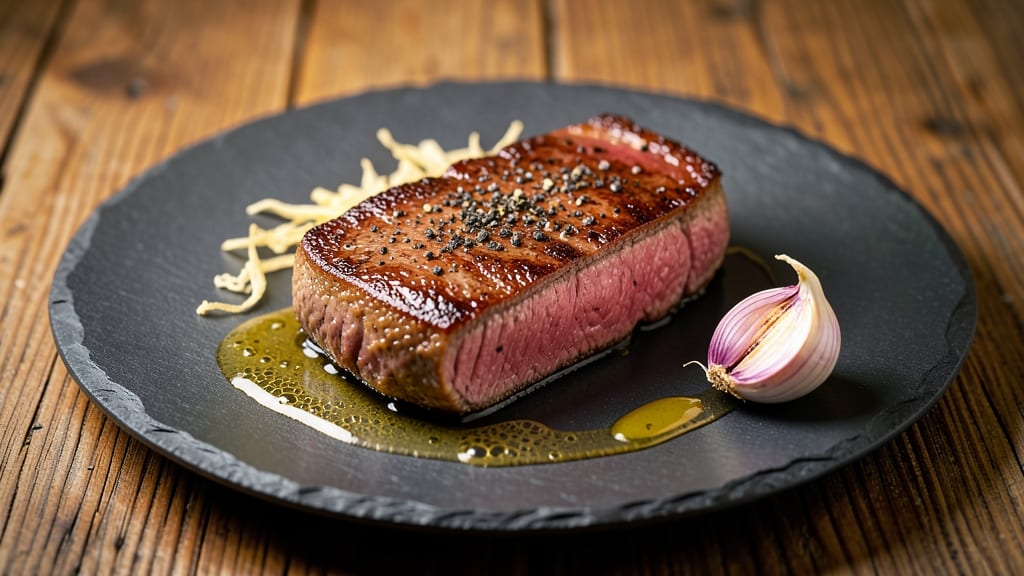
Mastering a perfectly cooked beef top loin New York strip steak boneless recipe means achieving that coveted buttery crust while keeping the center juicy and pink—something that separates home cooks from steakhouse professionals.
The secret lies in precise temperature control and a methodical approach that ensures every bite delivers restaurant-quality results without guesswork. I’ve refined this technique over years of testing, and it consistently delivers a steak that’s tender enough to melt in your mouth yet firm enough to hold its shape.
This recipe focuses on two critical techniques: reverse searing for even doneness and a high-heat sear to lock in flavor and create that coveted crust. You’ll need just a few high-quality ingredients—no fancy equipment beyond a meat thermometer and a heavy skillet—and about 20 minutes of active time, plus resting.
The key is patience; rushing this process will leave you with a steak that’s either overcooked or raw inside. Trust the method, and you’ll end up with a steak that’s worth every minute of waiting.
The result is a steak with a deep mahogany crust that’s rich and buttery, encasing a center that’s juicy, tender, and just pink—the perfect medium-rare finish. The flavor is intense, with a balance of beefy richness and a subtle char from the sear.
This is the kind of steak that makes your dinner table feel like a high-end restaurant, all while keeping the process straightforward and repeatable. Serve it with a simple side of roasted potatoes or a fresh salad to let the steak shine.
Whether you’re cooking for a special occasion or treating yourself to a weeknight upgrade, this recipe delivers consistent, professional results. The method is foolproof once you understand the science behind it, and the payoff is a steak that’s impossible to resist. Let’s get started on creating your best steak yet.
Ingredients for beef top loin new york strip steak boneless
Four high-quality ingredients transform raw beef into a restaurant-worthy steak.
| Ingredient | Amount | Notes |
|---|---|---|
| Beef Top Loin New York Strip Steak (Boneless) 🥩 | 1 ½ lb | Center-cut, 1-1.5 inches thick |
| Kosher Salt 🧂 | 1 ½ tbsp | Coarse grain, non-iodized |
| Freshly Ground Black Pepper 🌶️ | 1 tbsp | Cracked peppercorns preferred |
| Extra-Virgin Olive Oil 🫒 | 1 tbsp | High smoke point preferred |
| Unsalted Butter 🧈 | 2 tbsp | Cold, cut into small cubes |
| Garlic Cloves 🧄 | 4 cloves | Minced, for crust enhancement |
| Fresh Thyme Leaves 🌿 | ¼ cup | Chopped, for aromatic depth |
| Heavy Cream 🥛 | ¼ cup | For basting, optional |
| Red Wine (Optional) 🍷 | ½ cup | Dry, like Cabernet Sauvignon |
The steak is everything here—top loin New York strip is leaner than ribeye but delivers that perfect balance of tenderness and beefy flavor. Costco or Whole Foods usually carry the best cuts, but any well-marbled, center-cut steak works. Look for 1-1.5 inch thickness—thinner slices overcook faster. If your butcher won't cut it to size, ask them to trim it for you. The steak should be cold when you start—pull it from the fridge 30 minutes before cooking to ensure even temperature. Trust me, this makes all the difference for that perfect crust.
No fresh thyme? Dried works at one-third the amount, but the flavor won't be as bright. Short on butter? Ghee or duck fat works just as well for basting. The red wine is totally optional, but if you use it, dry, bold varieties like Cabernet Sauvignon add depth. The heavy cream is for basting—skip it if you're keeping it strictly low-fat. For the salt, kosher or sea salt is non-negotiable. Table salt has anti-caking agents that can interfere with the crust. If you're cooking for a crowd, double the butter and wine—just keep the ratio the same.
This steak tastes even better the next day, so make extra if you can. Wrap each portion in parchment paper, then foil, and store in the fridge for up to 3 days. For longer storage, vacuum-seal or freeze for up to 3 months. Reheat gently in a skillet with a splash of water to revive the crust. Pro tip: Let the steak sit at room temperature for 30 minutes before reheating—it makes a world of difference.
Why You'll Love This Recipe
- No-Fuss Prep: I swear by this method—just pat the steak dry, hit it with salt and pepper, and sear it in a screaming-hot pan with olive oil. No fancy marinades, no stress. That’s it.
- Butter-Basted Magic: The moment you add those cubes of cold butter to the pan mid-cook? Pure flavor explosion. The steak gets this golden crust while staying juicy inside—like a hug for your taste buds.
- Weeknight Hero: Between us, this is my go-to when I’m too tired to think. Throw it on the grill or stovetop, slice it up, and suddenly you’ve got dinner. Even my picky husband doesn’t complain.
- Leftovers That Don’t Suck: Cold slices the next day? Still delicious. Toss them in salads, wraps, or even a quick pasta. No sad, dry steak here—just versatile, flavor-packed protein that won’t let you down.
Step-by-step instructions for beef top loin New York strip steak boneless recipe
Here's how to achieve that perfect buttery crust with juicy pink centers every time.
Season and Rest the Steak
Remove the 1.5 lb beef top loin New York strip steak from the refrigerator and place it on a cutting board. Pat it dry completely with paper towels—this is crucial for that crispy crust. Rub all sides generously with the 1.5 tablespoons kosher salt and 1 tablespoon freshly ground black pepper, pressing the seasoning into the meat so it adheres evenly.
Let the steak sit at room temperature for exactly 30 minutes before cooking. This resting period ensures even cooking throughout, preventing any cold spots in the center. While it rests, I like to preheat my oven to 400°F for the finishing step—this creates a perfect environment for that buttery crust.
Sear the Steak to Develop Flavor
Heat a heavy skillet (cast iron works best) over medium-high heat until it's very hot. Add 1 tablespoon extra-virgin olive oil and let it shimmer for about 30 seconds. Place the steak in the pan and press down gently with a spatula—this prevents curling and ensures even contact with the hot surface.
Sear for 3-4 minutes on each side, until you see deep golden-brown crust forming. The steak should release easily from the pan when ready to flip. For a 1-1.5 inch thick steak, I aim for an internal temperature of 125°F at this stage—use a meat thermometer to check the thickest part without touching the bone.
Build the Buttery Garlic-Thyme Crust
Remove the steak from the pan and set it aside to rest on a warm plate. Add the 2 tablespoons cold unsalted butter to the same skillet and let it melt completely over medium heat. Immediately add the 4 minced garlic cloves and 0.25 cup chopped fresh thyme leaves, stirring constantly for 30 seconds until fragrant but not browned.
Return the steak to the skillet, spooning the buttery garlic-thyme mixture over the top. The residual heat will create a luscious crust while keeping the interior juicy. If using, deglaze the pan with 0.5 cup red wine (optional) and let it reduce by half before basting the steak again.
Finish in the Oven for Perfect Doneness
Transfer the skillet to your preheated 400°F oven. Baste the steak with the pan juices every 5 minutes for 5-8 minutes total, until it reaches your desired internal temperature. For medium-rare (130-135°F), this usually takes about 7 minutes in the oven. The crust will become rich and caramelized while the center remains beautifully pink.
Remove the steak from the oven and let it rest for 5-10 minutes before slicing. This resting period is crucial—it allows the juices to redistribute throughout the meat, ensuring each bite stays moist and flavorful. The crust will stay intact while the interior reaches its perfect temperature.
Serve with Creamy Thyme Sauce
While the steak rests, return the skillet to medium heat and add the 0.25 cup heavy cream. Stir in any remaining butter and thyme, letting the sauce simmer until slightly thickened. This creates an elegant sauce that complements the rich steak perfectly.
Slice the steak against the grain into 0.5-inch thick pieces and serve immediately with the creamy thyme sauce spooned over the top. Each bite should deliver that perfect combination of crispy buttery crust and tender, juicy pink center that makes this cut so special.
Pro Tips For Making Beef Top Loin New York Strip Steak Boneless
- Use Two Oils: Start with olive oil for high-heat searing—it handles the heat better than butter alone—but finish with a knob of cold butter and a splash of olive oil for that golden crust. The butter adds richness, while the olive oil keeps the crust from turning greasy. (Yes, even if you’re impatient like me, resist the urge to skip the butter.)
- Salt the Night Before: I used to salt steaks right before cooking, but after burning three batches of over-seasoned crusts, I learned: salt the steak 12–24 hours ahead. The salt penetrates deeper, and the crust forms more evenly. Just pat it dry before cooking—wet salt = steam = sad crust.
- Start Hot, End Medium: Crank your pan to screaming hot for the first 2 minutes—you want that deep sear—but pull the steak off the heat when it’s 5°F below your target temp. The residual heat carries it to perfection. (Your thermometer is your best friend here.)
- Rest Under Foil: Skip the plate—rest your steak on a wire rack set over a baking sheet, loosely tented with foil. This keeps it warm while letting steam escape, so it doesn’t turn into a sad, gummy brick. Give it a solid 5–10 minutes, even if you’re starving. (Your future self will thank you.)
Regional styles of this dish
Classic American Style
The New York strip steak was born in the heart of American steakhouses, where it became synonymous with high-end dining.
In this style, the steak is seasoned simply with kosher salt and freshly cracked black pepper, then cooked to a medium-rare finish with a focus on developing a deep mahogany crust.
The key here is high-heat searing in a cast iron skillet—I swear by my Lodge 10.25-inch—followed by a quick finish in the oven. Serve it with classic sides like creamy mashed potatoes or grilled asparagus to let the steak shine. 🥩
Texas BBQ Twist
In Texas, they take the New York strip to another level by adding a smoky, charred flavor using a reverse sear technique.
Start by cooking the steak low and slow in a smoker at 225°F until it reaches 125°F internal temperature, then finish with a blazing hot sear in a cast iron skillet. Season with coarse salt and cracked pepper, then brush with a garlic-butter mixture during the final sear.
For extra Texas flair, add a sprinkle of smoked paprika before serving. Pair it with smoky BBQ sauce on the side for dipping. 🔥
French Bistro Approach
French bistros elevate the New York strip by incorporating herbs de Provence and a red wine reduction. After searing the steak, deglaze the pan with ½ cup dry red wine, then reduce it by half to create a glossy sauce.
Finish with a butter-baste of 2 tbsp cold butter, 2 minced garlic cloves, and 1 tbsp chopped parsley. Serve with crusty baguette slices and a simple green salad dressed with Dijon vinaigrette. The French technique ensures a rich, aromatic crust that’s far from basic. 🍷
Japanese Yakiniku Style
For a lighter, more delicate take, prepare the steak marinated in soy sauce, mirin, and grated ginger for 30 minutes before cooking. Sear it in a hot griddle or skillet until it reaches medium-rare, then slice it against the grain into thin strips while still hot.
Serve with steamed rice, pickled vegetables, and raw onions for a fresh contrast. The marinade adds a subtle umami depth that’s perfect for a weeknight dinner. 🌿
Italian Bistecca alla Fiorentina
In Italy, the New York strip is often called bistecca alla Fiorentina, and it’s treated like a centerpiece. Season generously with flaky sea salt and freshly ground black pepper, then sear in extra-virgin olive oil until it develops a crispy crust.
Finish with a lemon wedge and a sprinkle of fresh rosemary for brightness. Serve with creamy polenta or roasted potatoes to soak up the juices. The Italian approach keeps it simple yet luxurious, focusing on the quality of the meat. 🍋
Nutrition facts
Frequently asked questions
What's the best way to tell when my New York strip steak is done?
Use a meat thermometer for precision. For medium-rare (the ideal doneness), aim for 130-135°F internal temperature. The steak should feel slightly springy when pressed gently in the center. Never rely on time alone—thickness and heat vary, so always check the temp!
Can I cook this steak without an oven?
Yes! For a stovetop-only method, sear the steak as directed, then reduce heat to medium-low and cover the pan with a lid. Cook until it reaches 130-135°F (about 5-8 minutes total), basting occasionally with pan juices. The crust won't be as rich, but the steak will still be tender and flavorful.
Why does my steak turn out dry even when I rest it?
Overcooking or cutting too soon are the most common mistakes. Always rest for 5-10 minutes—this redistributes juices. Also, avoid high heat for too long; the crust forms quickly, but the center needs time to cook through gently. If using a thermometer, never exceed 140°F for medium.
How do I adjust this recipe for thicker/thinner steaks?
For steaks over 1.5 inches thick, add 1-2 minutes per side to the sear time. For thinner cuts (1 inch or less), reduce sear time to 2-3 minutes per side and finish faster in the oven. Always adjust oven time based on your desired internal temperature—thinner steaks cook faster.
What's the best side dish to serve with this steak?
Classic choices include creamy mashed potatoes, roasted garlic asparagus, or a simple arugula salad with lemon vinaigrette. For a heartier meal, try truffle parmesan fries or grilled portobello mushrooms. The key is balancing rich flavors with something fresh or starchy.