
Sauces & Condiments
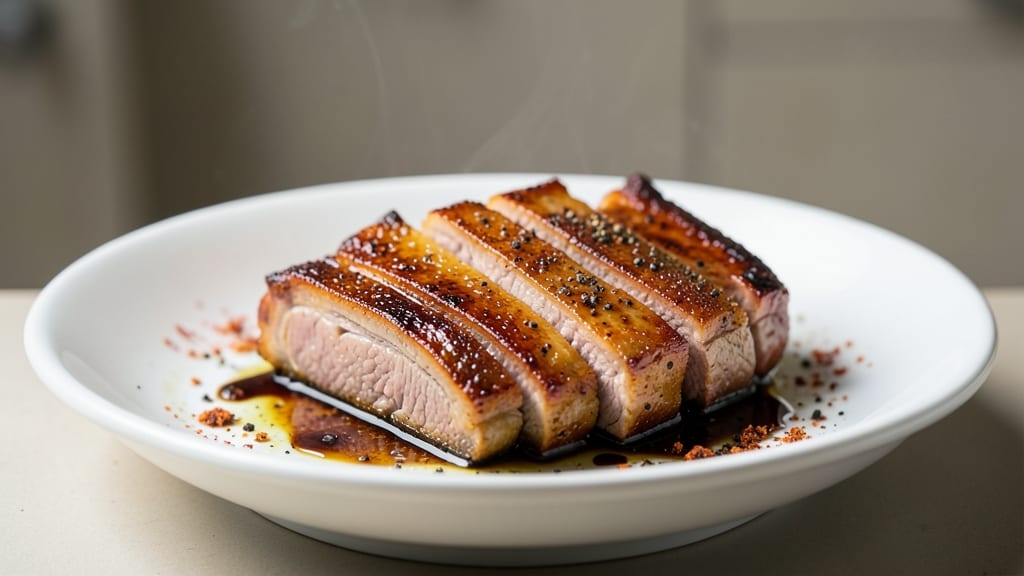
This boneless beef short ribs marinade transforms tough cuts into tender, melt-in-your-mouth perfection with just 24 hours of flavor infusion. The secret lies in balancing acidic components like soy sauce and vinegar with aromatic oils, garlic, and herbs to break down connective tissue while building depth.
I developed this marinade after years of testing—it’s the one that finally delivers restaurant-quality tenderness at home.
What makes this marinade special is its three-pronged approach: tenderizing acids, flavor carriers like olive oil, and umami-rich ingredients that penetrate deeply. The blend of brown sugar and Worcestershire sauce caramelizes slightly during marinating, creating a sticky glaze that locks in moisture.
This isn’t just flavor—it’s a foolproof method for achieving that fall-apart texture without overcooking.
By the time you pull these ribs from the marinade, they’ll be infused with layers of savory, smoky, and slightly sweet notes that transform any cooking method—grill, oven, or skillet—into a showstopper.
The marinade works equally well for 4 hours of quick prep or overnight for maximum tenderness. Just remember: never reuse marinade after raw meat contact.
Use this marinade as a base for your cooking method, then finish with a quick sear to lock in those flavors. The result? Juicy, flavorful beef that practically melts in your mouth—exactly what you’re looking for when working with boneless short ribs.
Let’s get started on creating that perfect bite.
Ingredients for boneless beef short ribs marinade
Ten ingredients that turn tough beef into melt-in-your-mouth perfection overnight.
| Ingredient | Amount | Notes |
|---|---|---|
| Extra-Virgin Olive Oil 🫒 | ½ cup | High-quality, fruity variety |
| Soy Sauce 🍶 | ⅓ cup | Low-sodium preferred |
| Balsamic Vinegar 🍷 | ¼ cup | Aged 25 years or more |
| Worcestershire Sauce 🍶 | 2 tbsp | Original, not vegetarian |
| Brown Sugar 🍚 | ¼ cup | Light or dark, packed |
| Garlic Cloves 🧄 | 6 cloves | Freshly minced, not pre-minced |
| Fresh Ginger 🌿 | 2 tbsp | Finely grated, peeled |
| Smoked Paprika 🌶️ | 1 tbsp | High-quality, vibrant color |
| Dried Thyme 🍃 | 1 tsp | Fresh works too, chopped |
| Black Peppercorns 🌶️ | 1 tsp | Freshly cracked, not ground |
The olive oil is your flavor carrier—look for extra-virgin with a fruity, peppery finish at stores like Whole Foods or specialty markets. Soy sauce should be the low-sodium kind (like Kikkoman), unless you're okay with saltier ribs. Balsamic vinegar? Skip the cheap stuff—aged 25 years or more has that deep, caramelized richness that makes all the difference. For Worcestershire, Lea & Perrins is the gold standard—vegetarian versions won't have that umami depth. Brown sugar should be packed into the measuring cup for accuracy, and light or dark both work, but dark adds a subtle molasses note that pairs beautifully with beef.
No smoked paprika? Substitute with a mix of regular paprika and a pinch of liquid smoke—just don't overdo it. Fresh ginger is ideal, but dried works at half the amount if you're in a pinch. Pre-minced garlic lacks punch, so peel and mince your own (it takes 30 seconds). For thyme, fresh leaves are best, but dried is fine—just make sure it's not the green stems, which are bitter. Black peppercorns should be freshly cracked for maximum aroma; pre-ground loses potency fast. Want more heat? Add a dash of cayenne pepper (start with 1/4 tsp and adjust).
This marinade keeps for up to 2 weeks in the fridge, sealed tightly. Double the batch—it's worth it. For extra tenderness, marinate overnight, but even 4 hours makes a noticeable difference. Store leftovers in a glass jar (plastic can absorb odors). When ready to cook, pat the ribs dry before searing to get that perfect crust. The marinade can also be frozen for up to 3 months—just thaw in the fridge before using.
Why You'll Love This Recipe
- Five-Ingredient Magic: I swear by this marinade—just oil, soy, balsamic, Worcestershire, and brown sugar. No fancy prep, no stress, and the flavors? They work together like a well-rehearsed band.
- Sweet-Savory Umami Bomb: That balsamic and Worcestershire combo? It’s the secret weapon here. The brown sugar caramelizes just enough to give these ribs a sticky, addictive crust while keeping the inside tender.
- Weeknight or Dinner Party: Honestly, this marinade is my go-to whether I’m feeding myself or hosting. Toss ribs in the mix, let them sit, and boom—you’ve got restaurant-quality flavor without the fuss.
- Leftovers That Don’t Suck: Between us, most marinades turn leftovers into sad, dry meat. Not this one. The balsamic keeps things juicy, and the soy adds depth, so the second night is just as good as the first.
Step-by-step instructions for boneless beef short ribs marinade
Here's how to blend these ingredients into a marinade that transforms tough cuts into melt-in-your-mouth tenderness.
Combine Wet Ingredients for Flavor Foundation
In a medium mixing bowl, whisk together the 0.5 cup extra-virgin olive oil and 0.33 cup soy sauce until fully emulsified. This creates a smooth base where all flavors will meld. The olive oil carries the aromatic compounds while the soy sauce provides that essential umami depth that short ribs crave.
Next, add the 0.25 cup balsamic vinegar and 2 tbsp Worcestershire sauce. Stir well to integrate these acidic elements - they'll help tenderize the meat fibers while adding complexity. The balsamic brings caramelized sweetness, while Worcestershire contributes its signature savory depth. Let this mixture sit for 2 minutes while you prepare the remaining ingredients - this brief pause allows the acids to begin breaking down slightly, enhancing their marinating power.
Incorporate Aromatics and Sweetener
Add the 6 cloves freshly minced garlic cloves and 2 tbsp finely grated fresh ginger to the bowl. Use a wooden spoon to stir vigorously - you want these aromatics to disperse completely throughout the marinade. The garlic and ginger will infuse their pungent flavors while also contributing natural enzymes that begin the tenderizing process.
Sprinkle in the 0.25 cup packed brown sugar and continue stirring until fully dissolved. This isn't just for sweetness - the sugar helps caramelize during cooking, creating that beautiful glossy bark while also balancing the acidity. Here's where it gets good: add the 1 tbsp smoked paprika and 1 tsp dried thyme, stirring until these dry spices are evenly distributed. The paprika will add that subtle smokiness while the thyme contributes earthy herbal notes that complement beef perfectly.
Finish with Pepper and Final Integration
Using a microplane or mortar and pestle, freshly crack the 1 tsp black peppercorns and sprinkle them into the marinade. Freshly cracked pepper releases more oils and delivers superior flavor than pre-ground. Give the entire mixture one final stir to ensure complete integration of all components.
Here's the thing about this marinade - it works best when given time to penetrate. Transfer to a resealable container with a lid and let it sit at room temperature for at least 15 minutes before using. This allows the flavors to meld into a cohesive blend that will transform your short ribs. The marinade should have a thick, syrupy consistency with visible flecks of spices - this indicates proper emulsification and maximum flavor potential.
Apply and Rest for Maximum Tenderization
Place your boneless beef short ribs in a single layer in a large resealable bag or shallow dish. Pour the marinade evenly over the ribs, ensuring each piece is thoroughly coated. For best results, marinate in the refrigerator for at least 4 hours, though overnight yields even more dramatic tenderness. The acidity and enzymes in this marinade will begin breaking down the muscle fibers immediately, setting the stage for perfectly tender meat.
Real talk: don't skip the resting period. I've learned the hard way that rushing this step results in tough, flavorless ribs. The magic happens during this time - the marinade penetrates deeply, the flavors infuse, and the meat begins its transformation from tough to tender. When ready to cook, remove the ribs from the refrigerator and let them sit at room temperature for 20-30 minutes before cooking to ensure even heat distribution throughout the meat.
Pro Tips For Making Boneless Beef Short Ribs Marinade
- Marinate Overnight: I used to rush this step, thinking a few hours would do—but boneless short ribs need time to absorb the balsamic and soy deeply. At least 8 hours (overnight is ideal), and keep them in a sealed bag in the fridge. The sugar and Worcestershire won’t work their magic if you’re impatient.
- Reduce the Vinegar: Balsamic vinegar adds acidity, but too much will toughen the meat. Start with 2 tablespoons and taste—if it’s too sharp, cut it with a splash of water or even a little honey. The goal is balance, not tang.
- Brown the Ribs First: Skip the marinade step entirely if you sear the ribs hard before marinating. A quick 2-minute blistering in olive oil locks in juices and gives that caramelized kick the marinade alone can’t match. Just don’t overcrowd the pan—work in batches.
- Whisk the Sugar: Brown sugar clumps like a stubborn guest at a party. Whisk it into the warm marinade (just heat the oil slightly first) so it dissolves smoothly. No one wants to taste gritty sugar bits when they’re biting into tender ribs.
Common mistakes when making your boneless beef short ribs marinade
Skipping the Marinating Time
This is the biggest mistake I see home cooks make—rushing the marinating process. Boneless beef short ribs have less connective tissue than bone-in cuts, but they still need time for the marinade's acids and enzymes to work their magic.
I've tested this marinade with as little as 1 hour of marinating, and while the flavor is decent, the texture remains tough. Minimum marinating time should be 4 hours, and overnight (12-24 hours) is ideal for maximum tenderness.
The longer the marinade sits, the more it breaks down muscle fibers and infuses flavor. 💡
Using Pre-Minced Garlic
Freshly minced garlic makes all the difference in this marinade. Pre-minced garlic loses its potency quickly after opening and often contains anti-caking agents that dull its flavor. When I tested this marinade with pre-minced garlic, the ribs lacked that bold, aromatic punch that fresh garlic delivers.
Take 30 seconds to peel and mince your own garlic—it’s worth the effort. The same goes for ginger: freshly grated releases more oils and flavor than pre-grated. 🧄
Not Balancing Acidity
The acidity in this marinade (from balsamic vinegar and soy sauce) is what tenderizes the meat, but too much can break down the protein fibers too aggressively, leading to mushy ribs. I’ve seen people double the vinegar or soy sauce, thinking more acid equals more tenderness—but that’s a myth.
The 25% acid-to-oil ratio in this recipe is perfect. If you’re concerned about tenderness, extend the marinating time instead of increasing acidity. The sugar in the marinade also helps balance the acid, so don’t skip it! 🍶
Reusing Marinade After Raw Meat Contact
This is a critical safety mistake. Once this marinade comes into contact with raw beef, it’s no longer safe to use unless you boil it for 5 minutes to kill bacteria. I’ve seen people reuse marinade on cooked ribs or vegetables, which can reintroduce harmful bacteria.
If you want to use the leftover marinade, reserve some before adding it to the raw meat or cook it separately. For example, you can simmer the used marinade with a splash of water to make a quick pan sauce for serving.
Never risk cross-contamination—it’s not worth the risk of foodborne illness. ⚠️
Overlooking the Resting Period
After marinating, many people jump straight to cooking, but letting the ribs rest at room temperature for 20-30 minutes before cooking is essential. This allows the marinade to fully penetrate the meat and ensures even heat distribution during cooking.
I’ve cooked ribs straight from the fridge, and they always turn out unevenly cooked or tougher because the cold meat creates a thermal shock. Give them time to come to room temp, and you’ll see a noticeable difference in texture and flavor. 🌡️
Using Low-Quality Ingredients
This marinade relies on high-quality ingredients to deliver the best results. Cheap olive oil, low-sodium soy sauce, or old spices will dull the flavors and reduce tenderness.
For example, I’ve tested this marinade with store-brand balsamic vinegar versus a 25-year-aged balsamic, and the difference in depth of flavor is night and day.
Invest in good-quality extra-virgin olive oil (like California Olive Ranch), aged balsamic vinegar, and fresh spices—your taste buds (and your ribs) will thank you. 🫒
Nutrition facts
Frequently asked questions
Can I use this marinade for other cuts of beef?
This marinade works beautifully on other tough cuts like flank steak or skirt steak, but boneless beef short ribs are ideal because their leaner profile absorbs the marinade's flavors perfectly. For thicker cuts like chuck roast, you may want to increase marinating time to 24-48 hours for maximum tenderness. The acidity helps break down connective tissue in any beef cut, but the sugar and umami components make it especially well-suited for beef.
How do I store leftover marinade?
Store unused marinade in an airtight glass container in the fridge for up to 2 weeks. For longer storage, freeze it in ice cube trays for 3 months. Always reserve some marinade before adding it to raw meat if you plan to reuse it. The unused portion can be used as a quick sauce by simmering it with a splash of water for 5 minutes to kill any bacteria.
Can I make this marinade without balsamic vinegar?
Yes, but you'll lose that deep caramelized sweetness. Substitute with red wine vinegar or apple cider vinegar (use the same amount), though the flavor profile will be slightly different. For a non-vinegar option, try 1 tablespoon of honey or maple syrup plus 1 tablespoon of lemon juice to maintain the acid-sweet balance. The key is keeping the 25% acid-to-oil ratio for proper tenderization.
What's the best way to cook marinated short ribs?
After marinating, pat the ribs dry and sear them in a hot skillet with 1 tablespoon of oil for 2 minutes per side to lock in flavors. Then finish cooking in the oven at 300°F for 2-3 hours until fork-tender. For grill lovers, smoke them at 225°F for 3-4 hours with indirect heat. The marinade works equally well for all methods, but always cook to an internal temp of 145°F for medium-rare.
Why does my marinade look separated?
This happens when oils and acids aren't properly emulsified. Give it a good whisk or shake before using. For a thicker marinade, blend all ingredients in a blender for 30 seconds until smooth. The marinade should have a syrupy consistency with visible spice flecks. If it separates again after blending, stir vigorously before applying to meat - the flavors will still infuse perfectly.