
Main Courses
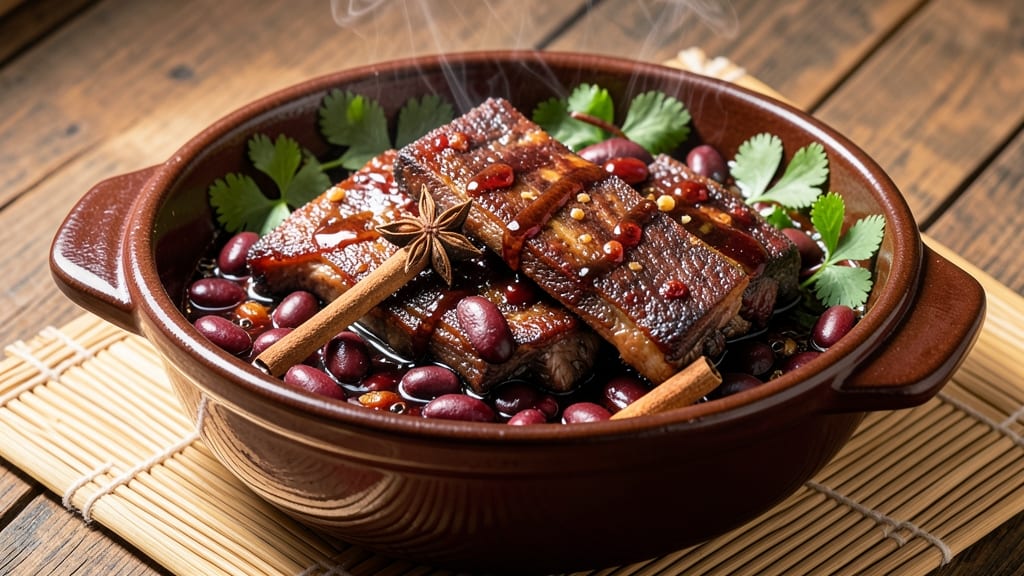
This Chinese-style braised beef ribs recipe transforms tough cuts into melt-in-your-mouth chews with a deep, aromatic soy glaze that clings to every bite. The key lies in slow cooking with star anise, cinnamon, and fermented black beans—building layers of umami that penetrate the meat over hours.
I developed this method after years of refining restaurant-quality techniques at home, where the ribs become so tender they practically fall apart.
The process begins with marinating the ribs in a bold mixture of soy sauce, Shaoxing wine, and spices, then braising them until fork-tender in a rich, caramelized sauce. The addition of silky egg noodles turns this into a complete meal—each strand perfectly absorbing the flavorful broth.
What makes this dish truly special is how the ribs develop a glossy, sticky exterior while remaining juicy inside, balanced by the subtle sweetness of the sauce.
By the time you serve this dish, your kitchen will smell like a bustling Cantonese restaurant, and every bite will deliver that satisfying contrast of crispy edges and tender meat.
The braising method ensures maximum flavor extraction, while the noodles add a comforting texture that makes this perfect for family dinners or special occasions. This is comfort food elevated to professional standards.
Pair with steamed jasmine rice and quick-pickled vegetables to complete the meal. The leftovers reheat beautifully, making this an ideal recipe for meal prep. Here’s how to achieve restaurant-quality braised beef ribs at home.
Ingredients for braised beef ribs chinese
Restaurant-quality braising begins with these 15 ingredients—each playing a precise role in transforming tough ribs into melt-in-your-mouth chews.
| Ingredient | Amount | Notes |
|---|---|---|
| Beef Ribs 🥩 | 3 lb | Bone-in, meaty cuts preferred |
| Soy Sauce 🥄 | ½ cup | High-quality, preferably Japanese |
| Shaoxing Wine 🍷 | ¼ cup | Dry Chinese cooking wine |
| Fermented Black Beans 🌱 | ¼ cup | Rinsed, chopped, for umami depth |
| Star Anise 🌶️ | 2 whole | Whole pods for infusion |
| Cinnamon Sticks 🌿 | 2 whole | 1-inch pieces for aroma |
| Fresh Ginger 🧅 | 2 oz | Peeled, sliced into matchsticks |
| Garlic Cloves 🧄 | 6 cloves | Peeled, smashed for infusion |
| Sugar 🍚 | 2 tbsp | White granulated preferred |
| Egg Noodles 🍜 | 12 oz | Fresh or dried, silky texture |
| Green Onions 🧅 | 4 whole | Sliced, for garnish |
| Sesame Oil 🫒 | 1 tbsp | Toasted, for finishing |
| Vegetable Oil 🫒 | ½ cup | High smoke point for searing |
| Salt 🧂 | 1 ½ tsp | Diamond Crystal preferred |
| Black Peppercorns 🌶️ | ½ tsp | Freshly cracked for heat |
The beef ribs are the foundation, and meaty, bone-in cuts ensure maximum flavor and tenderness. Source from a reputable butcher or Costco's bulk section—look for well-marbled meat with a vibrant red hue. Shaoxing wine is non-negotiable; Kikkoman or Pearl River Bridge brands deliver authentic depth. Fermented black beans add umami complexity—Asian markets carry the best quality, though the canned variety works in a pinch. Fresh ginger and garlic should be organic when possible to avoid bitterness, and store them in the freezer once opened to preserve potency. The star anise and cinnamon sticks are available at specialty spice shops like Penzeys or bulk sections at Whole Foods.
No Shaoxing wine? Dry sherry or mirin can substitute, though the flavor profile shifts slightly. Substituting fermented black beans with 1 tbsp soy sauce plus 1 tsp molasses mimics their salty-sweet complexity. For a quicker prep, pre-minced garlic and ginger from the Asian aisle save time, though fresh always delivers superior flavor. The egg noodles can be fresh or dried—Martini or King Noodle brands are reliable choices. If you lack sesame oil, toasted sesame seeds sprinkled at the end provide a similar aromatic finish. The vegetable oil should have a high smoke point—avocado or peanut oil are ideal for searing.
Store the braised ribs in their sauce for up to 5 days in the refrigerator, though flavor deepens overnight. The sauce can be reheated gently to maintain its silky texture. For longer storage, freeze in airtight containers for up to 3 months. The egg noodles keep well in their original packaging for 1 year at room temperature or frozen. To prep ahead, marinate the ribs and spices overnight—they'll develop more complex flavors. When reheating, add a splash of water to restore moisture, and finish with a drizzle of sesame oil for that authentic restaurant shine.
Why You'll Love This Recipe
- One-Pot Magic: I swear by this recipe when I’m too tired to scrub a million dishes. Toss the ribs, black beans, and star anise in one pot, cover it, and walk away—no flipping, no fussing. The wine and soy sauce do all the heavy lifting while you sip tea.
- Deep Umami Bomb: That combo of fermented black beans and Shaoxing wine? It’s like a flavor grenade in the best way. The ribs get this rich, caramelized glaze that’s salty, sweet, and just a little funky—exactly how Chinese braising should taste.
- Leftovers That Shine: Between us, this dish begs to be made in bulk. The flavors only get better after a day or two, and reheating is a breeze—just a splash of water, a quick simmer. I’ve fed my book club, my in-laws, and my hangry teens with zero complaints.
- Budget Feast: Beef ribs might sound fancy, but they’re actually my go-to for stretching a meal. The black beans and star anise add depth without breaking the bank, and a bottle of Shaoxing wine lasts for years of braising. Frugal? Yes. Delicious? Absolutely.
Step-by-step instructions for braised beef ribs Chinese recipe
This method delivers tender, fall-apart beef ribs with a rich soy-glazed finish and silky egg noodles.
Prepare and Sear the Beef Ribs
Pat the 3 lb beef ribs dry with paper towels, removing any excess moisture from the surface. Season generously with 1.5 tsp salt and 0.5 tsp freshly cracked black peppercorns, pressing the seasoning into the meat to ensure even coverage. This step is critical for developing flavor and creating a proper crust during searing.
Heat 0.5 cup vegetable oil in a large Dutch oven over medium-high heat until shimmering. Working in batches if needed, sear the ribs on all sides until deeply golden brown, about 3-4 minutes per side. The goal is to create a flavorful crust while maintaining moisture in the meat. Transfer the seared ribs to a plate and set aside.
Build the Aromatic Braising Base
In the same Dutch oven, reduce heat to medium and add the 2 oz peeled and sliced fresh ginger and 6 peeled garlic cloves. Sauté for 1 minute until fragrant, being careful not to let the garlic burn. Add the 2 whole star anise and 2 whole cinnamon sticks, allowing them to sizzle briefly before adding 0.25 cup Shaoxing wine. Scrape up any browned bits from the bottom of the pot with a wooden spoon.
Stir in the 0.25 cup rinsed and chopped fermented black beans and 2 tbsp sugar, cooking for an additional 2 minutes until the sugar begins to caramelize slightly. This step develops the complex umami and sweet-savory foundation of the braise. The mixture should smell rich and aromatic, with hints of licorice from the star anise and spice from the cinnamon.
Braise the Ribs to Tender Perfection
Return the seared ribs to the Dutch oven, along with their accumulated juices. Pour in the 0.5 cup soy sauce, ensuring all the ribs are coated in the sauce. Bring the liquid to a gentle simmer, then cover tightly with a lid. Reduce heat to low and braise for 2 hours, maintaining a consistent simmer throughout the cooking process.
After 2 hours, check the ribs for tenderness. They should be fork-tender, with the meat pulling away from the bone easily. If not fully tender, continue braising for an additional 30-60 minutes, adding 2-3 tablespoons of hot water if the liquid reduces too much. The ribs are done when they reach an internal temperature of 200°F, at which point they should be incredibly tender with a rich, caramelized sauce.
Prepare and Cook the Egg Noodles
While the ribs braise, prepare the 12 oz egg noodles according to package instructions. Cook them in a separate pot of boiling salted water until al dente, about 1 minute less than the package directions suggest. Reserve 1 cup of the pasta water before draining, as it will help create a silky sauce when combined with the braising liquid.
Drain the noodles and toss them with 1 tbsp toasted sesame oil. This step enhances their flavor and adds a nutty aroma that complements the rich braised ribs. Keep the noodles warm until ready to serve.
Finish and Serve
Remove the ribs from the braising liquid and transfer them to a serving platter. Strain the braising liquid through a fine-mesh sieve to remove the star anise and cinnamon sticks, then return the sauce to the Dutch oven. Simmer the sauce uncovered for 5-7 minutes to reduce it slightly and intensify the flavors.
To serve, plate the egg noodles on each of four plates, then arrange the braised beef ribs over the noodles. Ladle the reduced braising sauce generously over the top, and garnish with the sliced 4 whole green onions. The combination of tender, fall-apart ribs with their rich soy-glazed sauce and silky egg noodles creates a harmonious balance of textures and flavors.
Pro Tips For Making Braised Beef Ribs Chinese
- BLANCH RIBS FIRST: Skip the raw beef smell and uneven cooking by blanching the ribs in boiling water for 2-3 minutes before braising. I learned this the hard way—my first batch smelled like a butcher shop until I realized the raw meat was absorbing the sauce instead of soaking it up.
- TOAST BLACK BEANS: Dry-toast the fermented black beans in a pan for 1-2 minutes until fragrant before adding them to the braise. This isn’t just about flavor—it softens them faster and prevents them from turning mushy. (Yes, even if you’re impatient like me, wait for that nutty aroma.)
- LOW AND SLOW IS NON-NEGOTIABLE: After the initial sear, drop the heat to a simmer and cover the pot. The ribs need 1.5–2 hours at low heat to tenderize properly—any faster, and you’ll end up with chewy, undercooked meat. I used to rush this, and the texture was always off.
- USE THE STAR ANISE WELL: Pierce the star anise with a knife before adding it to the pot—this releases its oils and flavor into the sauce. Remove it after 30 minutes of cooking (strain it out if you’re squeamish), or the dish will taste bitter. (Your future self will thank you.)
Perfect pairings for these flavors
Steamed Jasmine Rice
Jasmine rice is the perfect neutral canvas to highlight the bold flavors of your braised ribs. Use a 1:1.25 rice-to-water ratio (e.g., 1 cup rice to 1¼ cups water) in a rice cooker or heavy pot.
For extra aroma, add a 1-inch cinnamon stick while cooking. The fragrant steam will complement the ribs' deep umami notes beautifully. 🌾
Quick-Pickled Vegetables
Bright, tangy pickled vegetables cut through the richness of the braised ribs. Thinly slice 1 cup radishes, 1 carrot, and 2 green onions, then pack into a jar. Cover with a mix of ½ cup rice vinegar, 1 tbsp sugar, and ½ tsp salt.
Let sit for at least 30 minutes before serving. The crisp texture and acidity balance the dish perfectly.
Cucumber Salad
A refreshing cucumber salad adds a cooling contrast to the hearty ribs. Thinly slice 1 English cucumber and toss with 1 tbsp rice vinegar, ½ tsp sugar, ¼ tsp salt, and a pinch of red pepper flakes.
Garnish with 1 tbsp chopped cilantro and 1 tsp toasted sesame seeds. The salad's lightness prevents the meal from feeling too heavy. 🥒
Scallion Pancakes
Crispy scallion pancakes add a satisfying crunch and traditional Chinese flair. Mix 1 cup all-purpose flour, ½ tsp salt, and ½ cup cold water to form a dough.
Roll it thin, brush with oil, and sprinkle with ¼ cup finely chopped scallions. Pan-fry until golden and crispy. Serve warm alongside the ribs for an authentic touch.
Miso Soup
A light miso soup cleanses the palate between bites. Dissolve 1 tbsp white miso paste in 2 cups hot dashi or water, then add 1 tbsp tofu, 1 tsp wakame seaweed, and 1 green onion.
Simmer for 2 minutes to meld flavors. The umami depth of the miso complements the ribs' sauce beautifully. 🍜
Tea Pairings
For drinks, a jasmine tea complements the dish's floral and savory notes. Brew 1 tsp loose-leaf jasmine tea in 8 oz hot water for 3-4 minutes.
The tea's delicate aroma enhances the meal's overall experience. For a non-alcoholic option, try yuzu soda—its citrusy tang cuts through the richness. 🍵
Nutrition facts
Frequently asked questions
Can I substitute pork ribs for beef ribs in this recipe?
While pork ribs would work, beef ribs are specifically chosen for their rich, beefy flavor and how they absorb the braising sauce. If you must use pork, opt for spare ribs and reduce braising time to 1.5 hours—pork tenderizes faster. The sauce will still work, but the texture and taste will differ slightly.
How do I know when the ribs are fully tender?
Ribs are done when they reach an internal temperature of 200°F and the meat pulls away from the bone easily with a fork. For extra assurance, cut between two bones—if the meat separates cleanly, they're ready. Braising times vary by cut, so check after 2 hours and continue until tender.
Can I make this recipe in a slow cooker?
Sear the ribs as directed, then transfer everything (including sauce) to a 6-quart slow cooker. Cook on low for 8 hours or high for 5 hours. The ribs will be even more tender, and the sauce will develop deeper flavor. Just skip the final sauce reduction step—it's already perfect!
What if my sauce turns out too thin or too thick?
For a thicker sauce, simmer uncovered for 5-10 minutes to reduce. If it's too thick, stir in 1-2 tablespoons of hot water or reserved noodle water. The ideal consistency should coat the back of a spoon but still glaze the ribs. Adjust gradually to avoid diluting flavors.
How can I make this dish spicier?
Add 1 tsp chili flakes or ½ tsp Szechuan peppercorns to the braising liquid for heat. For extra kick, stir in 1 tbsp chili garlic sauce when serving. Balance the spice with a squeeze of lime juice or extra pickled vegetables to refresh the palate.