
Soups & Stews
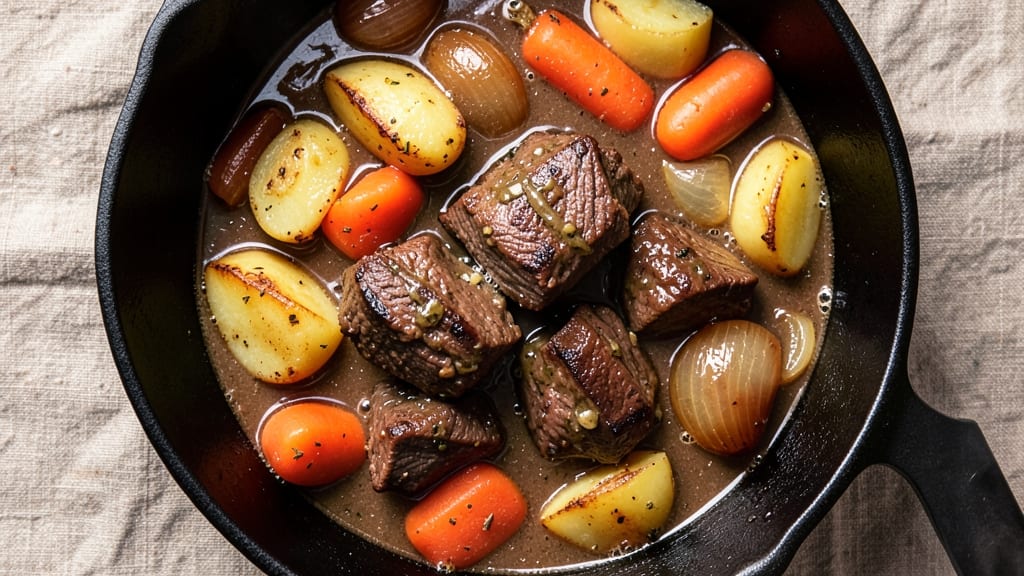
Creating a Campbell's-style beef stew in just 45 minutes delivers that comforting, hearty flavor without the hours of simmering. The secret lies in browning the beef properly and letting flavors meld during a focused simmer—no shortcuts, just professional results.
This one-pot wonder transforms tough cuts into tender, flavorful bites that taste like a classic from the can but made fresh at home.
What sets this recipe apart is the balance of rich beef broth, tender vegetables, and caramelized onions that build deep flavor. You'll start by searing the beef in batches to develop a flavorful crust, then deglaze the pot to capture every bit of browned goodness.
The 45-minute timeline includes prep, cooking, and resting time—no rushing, just precise technique for restaurant-quality stew at home.
The result is a hearty one-pot dinner with melt-in-your-mouth beef, perfectly softened potatoes, and carrots that stay crisp-tender. The aroma alone will have everyone gathering around the table, while the rich, savory broth ties everything together.
This is the kind of meal that feels like a hug in a bowl—warm, satisfying, and impossible to resist.
Whether you're feeding a family or meal prepping for the week, this recipe scales beautifully. Serve it with crusty bread to soak up every last drop of that flavorful broth. Ready to make the most comforting stew you’ve ever tasted? Here’s how to do it right.
Ingredients for campbell's beef stew
Fifteen ingredients transform into a rich, comforting beef stew with restaurant-quality depth.
| Ingredient | Amount | Notes |
|---|---|---|
| Chuck Roast 🥩 | 2 lb | Cut into 1-inch cubes |
| Yellow Onions 🧅 | 2 whole | Medium, thinly sliced |
| Carrots 🥕 | 4 whole | Medium, peeled, cut into chunks |
| Russet Potatoes 🥔 | 2 lb | Peeled, cut into 1-inch cubes |
| Garlic Cloves 🧄 | 4 cloves | Minced, fresh preferred |
| Beef Broth 💧 | 4 cups | Low-sodium preferred |
| Tomato Paste 🍅 | 2 tbsp | Smooth consistency |
| Red Wine 🍷 | ½ cup | Dry, such as Cabernet Sauvignon |
| All-Purpose Flour 🌾 | 2 tbsp | For thickening |
| Dried Thyme 🌿 | 1 tsp | Or 1 tbsp fresh |
| Bay Leaves 🍃 | 2 whole | Fresh or dried |
| Diamond Crystal Kosher Salt 🧂 | 1 ½ tsp | Adjust to taste |
| Freshly Ground Black Pepper 🌶️ | ½ tsp | Coarsely ground |
| Olive Oil 🫒 | 2 tbsp | Extra-virgin preferred |
| Worcestershire Sauce 💧 | 1 tbsp | For depth of flavor |
The chuck roast is non-negotiable for this recipe—its marbling ensures tender, flavorful bites. Opt for USDA Choice or Select grade from reputable butchers like Whole Foods or Costco, where you can verify freshness by checking the vibrant red color and firm texture. Pre-cut cubes save time, but if buying whole, trim excess fat and cube yourself for even cooking. The onions should be sweet and crisp, not wilting; yellow onions caramelize beautifully, while red onions add subtle sweetness. For the broth, low-sodium options like Kettle & Fire or homemade stock elevate flavor without excess salt. The tomato paste and red wine create the umami base—use San Marzano tomatoes for the paste and a bold, dry red like Cabernet for depth.
No chuck roast? Short ribs or beef stew meat work as substitutes, though cooking times may vary. Swap red wine for extra beef broth with a splash of balsamic vinegar to mimic acidity. Dried thyme can be used at one-third the amount of fresh, but fresh thyme leaves from the grocery store herb section add a brighter note. For tomato paste, Trader Joe's squeeze tubes are convenient and last months in the pantry. The Worcestershire sauce is key—Lea & Perrins is the gold standard, but any quality brand suffices. If you're avoiding wine, mushroom broth adds earthy richness without alcohol.
This stew reheats beautifully—simmer gently for 5-10 minutes to restore richness. Store in an airtight container in the fridge for up to 5 days or freeze for 3 months in portion-sized containers. For meal prep, double the batch and freeze half immediately. The flavors deepen overnight, so leftovers often taste better the next day. Serve with crusty bread to soak up the savory broth, or freeze extra portions for quick weeknight dinners.
Why You'll Love This Recipe
- Foolproof Simplicity: I swear, this stew is the kind of recipe that lets you multitask like a pro. Chuck roast goes in raw, onions and carrots get a quick chop—no fancy techniques, just brown the meat and let Campbell’s broth do the heavy lifting. My kids think I’m a culinary genius, but honestly? It’s more like I’m a lazy parent who still feeds them well.
- Deep, Rich Flavor: That first bite of tender chuck roast falling apart in your spoon? Chef’s kiss. The garlic cloves and onions caramelize just enough to add layers, while the potatoes soak up all the savory broth—no need for fancy seasonings. Between us, this tastes like it simmered for hours, even if you’re serving it in 45 minutes.
- Leftovers That Don’t Suck: I make this on Sundays because the leftovers are actually better the next day. The potatoes get even softer, the broth thickens into a velvety sauce, and it reheats in minutes. Pack it for lunch or freeze portions—no sad, dry reheats here. My husband’s favorite? The "stew sandwich" he makes with crusty bread the next morning.
- Budget-Friendly Crowd-Pleaser: A single chuck roast feeds six for under $15, and the veggies stretch the meal further. Honestly, this is the kind of recipe that makes me feel like I’m hosting a dinner party without breaking the bank. Plus, it’s the one dish everyone asks for seconds on—even my picky teenager. Win.
Step-by-step instructions for hearty beef stew
This method delivers rich, tender beef with perfectly cooked vegetables in a single pot.
Sear the Chuck Roast and Vegetables
Heat the 2 tablespoons olive oil in a large Dutch oven over medium-high heat. Working in batches, add the 2 lb chuck roast cut into 1-inch cubes, letting each piece develop a deep brown crust before removing and setting aside. This step creates the Maillard reaction that forms the stew's deep flavor foundation.
In the same pot, add the 2 whole yellow onions and 4 whole carrots cut into chunks. Cook for 5-6 minutes until the onions soften and begin to caramelize slightly. Add the 4 cloves garlic cloves and cook for 30 seconds until fragrant. The vegetables should release their natural juices, creating a flavorful base for the stew.
Build the Flavor Base
Sprinkle the 2 tablespoons all-purpose flour evenly over the vegetables, stirring constantly for 1-2 minutes to cook off the raw flour taste. Add the 2 tablespoons tomato paste and stir to combine, allowing it to caramelize slightly for 1 minute. This creates a rich, deep color and adds umami depth.
Pour in the 0.5 cup red wine and scrape up any browned bits from the bottom of the pot. Let the wine simmer for 2-3 minutes until reduced by half. This step develops the stew's complexity by concentrating the wine's flavors. Add the 4 cups beef broth, 1 tablespoon Worcestershire sauce, 1.5 teaspoons diamond crystal kosher salt, and 0.5 teaspoon freshly ground black pepper. Stir well to combine all ingredients.
Simmer the Stew
Return the seared chuck roast to the pot along with the 2 lb russet potatoes cut into 1-inch cubes, 1 teaspoon dried thyme, and 2 whole bay leaves. Bring the stew to a gentle boil, then reduce heat to low and cover partially. Let it simmer for 30 minutes, stirring occasionally to prevent sticking.
After 30 minutes, check the consistency. The vegetables should be tender but still hold their shape. If the stew is too thin, sprinkle 1 tablespoon additional all-purpose flour mixed with 2 tablespoons cold water into the pot and stir well. The stew should coat the back of a spoon but still be spoonable. Continue simmering uncovered for an additional 15 minutes to allow flavors to meld.
Finish and Rest
Remove the 2 whole bay leaves before serving. Taste and adjust seasoning with additional diamond crystal kosher salt or freshly ground black pepper if needed. The stew should be rich, flavorful, and well-balanced with tender beef and vegetables.
Let the stew rest for 10 minutes before serving. This allows the flavors to fully develop and the juices to redistribute throughout the meat. Serve hot with crusty bread or over mashed potatoes to soak up every last bit of the hearty sauce.
Pro Tips For Making Campbell'S Beef Stew
- BROWN THE ROAST FIRST: High heat for 5-7 minutes on each side until deep golden—this isn’t optional. I learned the hard way that skipping this step means bland, gray beef that won’t tenderize properly, no matter how long you simmer. (Yes, it’ll smell amazing and make your kitchen feel like a restaurant.)
- PEEL THOSE CARROTS: Leave the skins on if you’re feeling fancy, but for Campbell’s recipe, peeled carrots cook faster and stay firmer. I used to leave them whole and overcooked—now I cut them into 1-inch chunks and add them after the beef has simmered for 45 minutes. That way, they soak up flavor instead of turning to mush.
- POTATOES LAST 30 MINUTES: Add the Russets when the beef is nearly falling apart—about 30 minutes before serving. I used to toss them in at the start, and they’d either turn to glue or stay rock-hard. Cut them into even 1-inch cubes so they cook consistently, and resist the urge to stir them constantly (they’ll release starch and make the stew gluey).
- USE A LITTLE FLOUR: Toss the chuck roast in 1 tablespoon of flour before browning—it helps thicken the stew naturally and gives the beef a better sear. I was skeptical until I tried it; now I double-check I have it in the pantry before starting. (If you forget, just mix 1 tablespoon cornstarch with 2 tablespoons cold water and stir it in at the end.)
Regional styles of these flavors
Classic American Style
This recipe channels the comforting, hearty tradition of American beef stew, where tender chuck roast takes center stage. The key difference from British or French versions is the use of red wine and Worcestershire sauce—classic American ingredients that add depth without overpowering.
I like to serve it with crusty sourdough bread from local bakeries like Panera, which soaks up the rich broth beautifully. The potatoes stay firm rather than mushy, a hallmark of traditional American stews. 🥖
British Pub-Inspired
For a British twist, swap the red wine for stout beer (like Guinness) and add 1 parsnip cut into chunks alongside the carrots. The beer adds malty sweetness that pairs perfectly with the beef.
British versions often include pearl onions—simmer them whole in the stew for the last 20 minutes to keep them intact. Serve with Yorkshire pudding or buttered mashed potatoes for an authentic pub feel.
French Country Version
Elevate this stew with French techniques: use dry white wine instead of red, and add 1 sprig fresh thyme plus 2 sprigs fresh parsley at the end. French country stews often include mushrooms—sauté 8 oz cremini mushrooms with the onions for extra umami.
Finish with a 1 tbsp butter swirl before serving, and garnish with chopped parsley. The French version is lighter but equally rich, with a focus on natural flavors.
Slow Cooker Adaptation
For a hands-off regional approach, try the Southern slow-cooker method. Brown the meat and vegetables as directed, then transfer everything to a 6-quart slow cooker. Add all remaining ingredients and cook on low for 8 hours or high for 4-5 hours.
This works especially well in states like Texas or Georgia, where slow cooking is a staple. The result is even more tender beef, perfect for feeding crowds at family gatherings. 🍲
Mexican-Inspired Fajita Stew
Give this stew a Southwestern makeover by adding 1 bell pepper (any color) and 1 chipotle pepper in adobo sauce (minced). Use beer (like Modelo Negra) instead of wine for the liquid base. Stir in 1 tbsp ground cumin and 1 tsp smoked paprika with the flour.
Serve with warm corn tortillas and avocado slices for a hearty, flavor-packed meal that feels like a fiesta in a bowl.
Italian Grandma-Style
For an Italian touch, replace the red wine with dry vermouth and add 1 cup crushed San Marzano tomatoes to the broth. Italian versions often include celery (add 2 stalks with the onions) and finish with grated Parmigiano-Reggiano.
Serve with polenta or crusty ciabatta bread. The Italians focus on slow simmering and letting the flavors meld—this version tastes like Nonna's secret recipe. 🍝
Nutrition facts
Frequently asked questions
Can I make this beef stew in a slow cooker?
Brown the beef and vegetables first, then transfer everything to a 6-quart slow cooker. Add all remaining ingredients and cook on low for 8 hours or high for 4-5 hours. The slow cooker method yields even more tender beef and is perfect for busy weeknights. Just remember to remove the bay leaves before serving.
What's the best cut of beef for this recipe?
The recipe calls for chuck roast because it's affordable, flavorful, and becomes incredibly tender when slow-cooked. If you can't find chuck roast, short ribs or beef stew meat work well too. Just be mindful that cooking times may vary slightly depending on the cut and size of the pieces.
How do I fix a stew that's too thin?
If your stew is too thin, mix 1 tablespoon all-purpose flour with 2 tablespoons cold water to create a slurry. Stir it into the stew and simmer for 5-10 minutes until it thickens. For an even richer texture, you can also mash a few of the cooked potatoes directly into the pot to thicken it naturally.
Can I use beef bouillon cubes instead of broth?
While beef bouillon cubes work in a pinch, they won't provide the same depth of flavor as homemade or quality store-bought broth. If you use bouillon, opt for low-sodium cubes and dissolve them in 4 cups hot water before adding to the stew. For best results, use a bouillon cube labeled "beef" rather than a generic "beef and vegetable" blend.
How far ahead can I prepare this stew?
This beef stew actually tastes even better the next day! Store leftovers in an airtight container in the fridge for up to 5 days. The flavors continue to meld, making it perfect for meal prep. For longer storage, freeze portions in portion-sized containers for up to 3 months. Reheat gently on the stove over medium-low heat.