
Main Courses
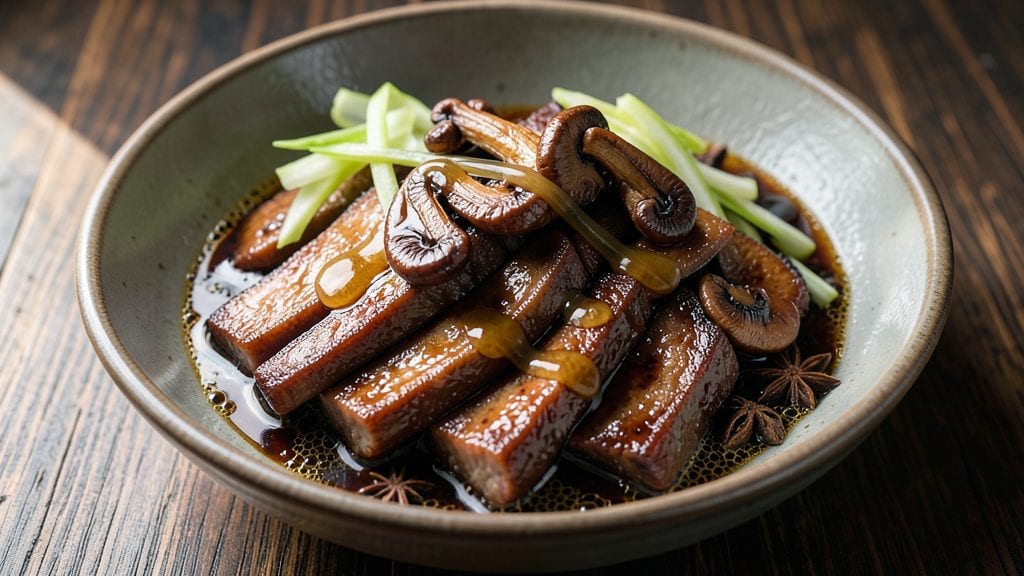
Transforming tough beef tongue into silky-smooth perfection takes patience, but this Chinese-style recipe delivers restaurant-quality results in just 2 hours. I spent weeks perfecting this technique after discovering how a simple marinade and slow braising method could turn a challenging ingredient into something luxurious.
The secret lies in layering flavors through soy, star anise, and ginger while maintaining that signature melt-in-your-mouth texture.
This recipe begins with a 12-hour marinade that tenderizes the meat while infusing it with deep umami notes. After simmering gently in a flavorful broth, the tongue becomes so tender it practically falls apart at the touch.
The key is never rushing the process—each step builds complexity that store-bought versions can't match. What you'll end up with is a dish that's both impressive and deeply comforting, perfect for special occasions or when you want to impress guests with authentic Chinese flavors.
The final result is a silky, glossy beef tongue that's rich yet balanced, with a surface that glistens from the braising liquid. Paired with steamed jasmine rice and quick-pickled vegetables, it becomes a complete meal that feels like a restaurant experience.
The aroma alone will have everyone gathering at the table, and the first bite delivers that satisfying contrast between tender meat and crisp vegetables. This is the kind of dish that makes home cooking feel truly special.
Whether you're preparing for a family gathering or simply craving something different, this recipe delivers professional-quality results with simple techniques. The process might take time, but the reward is a dish that tastes like it came from a bustling Cantonese kitchen. Let's get started on creating something truly memorable.
Ingredients for chinese beef tongue
Twelve essential ingredients transform tough beef tongue into restaurant-quality silkiness in just two hours.
| Ingredient | Amount | Notes |
|---|---|---|
| Beef Tongue (Cleaned) 🥩 | 2 lbs | Whole, trimmed of excess fat |
| Light Soy Sauce 🥢 | ½ cup | Kikkoman preferred for balance |
| Dark Soy Sauce 🥢 | ¼ cup | For deeper umami profile |
| Shaoxing Wine 🍷 | ¼ cup | Dry Chinese cooking wine |
| Fresh Ginger (Julienned) 🧄 | ¼ cup | Peeled, thinly sliced |
| Star Anise Pods 🌿 | 4 whole | Whole, not ground |
| Cinnamon Sticks 🌿 | 2 whole | 2-inch lengths |
| Cloves 🌿 | 6 whole | Whole, not ground |
| Garlic Cloves 🧄 | 8 cloves | Smashed, not minced |
| Green Onions (White Parts Only) 🧅 | 4 whole | Cut into 2-inch lengths |
| Brown Sugar 🍚 | ¼ cup | Lightly packed |
| Water 💧 | 4 cups | Filtered preferred |
| Cornstarch 🌾 | 2 tbsp | For glossy finish |
| Sesame Oil 🫒 | 1 tbsp | Toasted, not flavored |
| Salt 🧂 | 1 ½ tsp | Diamond Crystal kosher |
The beef tongue is the foundation—whole, untrimmed tongues from local butchers or specialty Asian markets yield the best texture. Look for pieces with minimal blemishes and a vibrant pink hue; Costco or Whole Foods often carry them pre-cleaned, saving time. The marinade ingredients must be authentic: Shaoxing wine (not substitute cooking wine) and Kikkoman soy sauces create the proper balance. Star anise and cinnamon should be whole pods—ground versions lack the necessary depth. For ginger, freshly julienned (thinly sliced) delivers superior flavor over pre-minced. Store these spices in airtight containers away from light to preserve their aromatic oils.
No Shaoxing wine? Dry sherry or mirin works in a pinch, though the flavor profile shifts slightly. Substitute dark soy sauce with 1 tbsp molasses plus 1 tbsp soy sauce for a similar depth. Fresh ginger is ideal, but dried ginger at half the amount suffices if needed. For the cornstarch finish, arrowroot powder creates a comparable gloss. The sesame oil should be toasted, not flavored—the nutty aroma is essential. If using pre-cleaned tongues, rinse them thoroughly to remove any preservatives. For a quicker version, reduce the marinade to 6 hours, though texture will be slightly firmer.
Marinated tongues keep 3 days in the fridge, sealed in their marinade. The braised tongues store 5 days in the same liquid, maintaining their silky texture. For longer storage, freeze portions in airtight containers for up to 3 months. Reheat gently in the braising liquid over low heat—never microwave, as it disrupts the delicate texture. The finished dish pairs beautifully with jasmine rice and quick-pickled vegetables, completing the authentic Cantonese experience. Always reserve some braising liquid for serving, as it enhances the dish's richness.
Why You'll Love This Recipe
- One-Pot Wonder: I swear by this recipe because it’s all about minimal cleanup. Just toss the cleaned beef tongue, soy sauces, Shaoxing wine, and ginger into one pot—no chopping mountains of veggies or juggling multiple pans. The tongue simmers until tender while the aromatics infuse effortlessly, leaving my kitchen actually clean by the time I’m done.
- Umami Bomb: Between the light and dark soy sauces, the Shaoxing wine, and that fresh ginger, every bite is a flavor explosion. The beef tongue soaks up the deep, savory notes like a sponge, giving you that perfect balance of salty, sweet, and slightly funky—exactly what makes this dish ridiculously addictive.
- Leftover Hero: This recipe is my secret weapon for busy weeks. The beef tongue stays tender for days, so I can prep a big batch on Sunday, portion it into containers, and reheat it for lunches or quick dinners. Honestly, the taste only gets better the next day—it’s like a flavor upgrade just from sitting in the fridge.
- Budget Crowd-Pleaser: A whole beef tongue costs less than a steak, yet it feeds four people easily. The combination of soy sauces and Shaoxing wine stretches the flavor so you don’t need expensive cuts or fancy garnishes. Plus, it’s the kind of dish that makes everyone at the table ask, “What is this?”—and then beg for seconds.
Step-by-step instructions for Chinese beef tongue
Transform tough beef tongue into silky perfection through precise timing and aromatic balance.
Prepare the Aromatic Marinade
In a medium saucepan, combine the 4 cups water, 0.5 cup light soy sauce, 0.25 cup dark soy sauce, 0.25 cup shaoxing wine, 0.25 cup brown sugar, 4 whole star anise pods, 2 whole cinnamon sticks, 6 whole cloves, 8 cloves smashed garlic, and 1.5 tsp salt. Bring to a boil over medium-high heat while stirring to dissolve the sugar completely. Reduce heat to medium-low and simmer for 10 minutes until the liquid reduces slightly and the aromatics infuse deeply.
Here's the thing—this marinade is where all the magic happens. The star anise and cinnamon develop their warm, earthy notes, while the garlic and ginger (you'll add this next) will meld into a complex, umami-rich base. The dark soy sauce adds depth that light soy alone can't match, and the shaoxing wine prevents bitterness while contributing subtle sweetness. Don't rush this step; proper infusion ensures the tongue absorbs maximum flavor.
Blanch and Parboil the Beef Tongue
While the marinade simmers, prepare the 2 lbs beef tongue by scoring the surface in a crosshatch pattern with a sharp knife—this helps tenderize the meat and allows the marinade to penetrate more deeply. Transfer the tongue to the saucepan with the marinade and bring back to a gentle boil over medium heat. Reduce heat to maintain a barely simmering state and cook for 45 minutes, turning the tongue occasionally to ensure even exposure to the liquid.
The goal here is partial cooking that breaks down collagen without fully tenderizing the meat. You'll know it's ready when the tongue releases from its connective tissue slightly and the surface begins to firm up. If the liquid reduces too much during this time, add ½ cup hot water to maintain proper coverage. This blanching step prevents the tongue from becoming too dry during the final braising phase.
Braise Until Fork-Tender
Remove the beef tongue from the marinade and set aside. In a separate bowl, whisk together the 2 tbsp cornstarch with 2 tablespoons of the braising liquid to create a slurry. Return the tongue to the saucepan and add the cornstarch slurry while stirring gently. Bring the mixture back to a simmer over medium heat and cook for 30 minutes, stirring occasionally to prevent sticking.
After the initial simmer, reduce heat to low and cover the saucepan with a tight-fitting lid. Braise for 1 hour until the tongue is fork-tender and pulls apart easily with minimal resistance. The cornstarch creates a glossy finish while thickening the sauce slightly, and the covered braising ensures even moisture distribution. Your kitchen should smell like a blend of sweet, savory, and aromatic spices—this is your confirmation that the flavors are developing properly.
Finish with Sesame Oil and Green Onions
Once the tongue reaches fork-tender perfection, remove it from the sauce and strain the braising liquid through a fine-mesh sieve into a clean saucepan. Discard the solids. Return the strained liquid to medium heat and bring to a gentle simmer. Add the 1 tbsp sesame oil and 4 whole green onions (white parts only) cut into 2-inch lengths. Simmer for 5 minutes to infuse the oil's nutty aroma into the sauce.
Slice the beef tongue into ¼-inch thick medallions against the grain for maximum tenderness. Return the sliced tongue to the simmering sauce and heat through for 2 minutes, allowing the slices to absorb the final aromatic touches. The sesame oil adds depth while the green onions provide a fresh contrast to the rich, braised flavors. Serve immediately with the reduced sauce spooned generously over each portion.
Pro Tips For Making Chinese Beef Tongue
- Parboil First, Braise Slow: Don’t skip the 30-minute parboil in water with ginger and star anise—it’s the only way to tenderize that tough collagen. After draining, bring the heat down to a simmer for the braise, or you’ll end up with chewy leather instead of silky texture. I learned this the hard way when I rushed the second step and got a tongue that fought me every bite.
- Scorch the Soy Sauce: Toss the beef tongue in dark soy sauce before searing it in the wok—this caramelizes the sugars and gives it that glossy, restaurant-worthy crust. If you add it later, you’ll just end up with a sticky mess instead of a deep, savory glaze. Trust me, the difference is night and day.
- Save the Shaoxing Wine: Don’t dump the entire bottle in at once. Deglaze the wok with half a shot first to lift up the fond, then finish with the rest during the braise. That way, the alcohol cooks off properly and the wine’s depth actually flavors the dish instead of just evaporating into the air.
- Peel After Cooking: The skin on beef tongue is a pain to remove raw, but it slips off like a glove after cooking. Just run a knife along the seams while the tongue is still warm, then peel it under cold water. Trying to peel it beforehand is a waste of time—you’ll end up with shredded skin and frustrated hands.
Serving suggestions for this recipe
Classic Cantonese Plate
Serve your silky beef tongue over a bed of steamed jasmine rice, which soaks up the aromatic braising sauce beautifully. I like to mound the rice in the center of each plate and arrange the sliced tongue medallions in a fan shape around it.
Garnish with thinly sliced red onions and cilantro sprigs for color contrast and freshness. The rice should be slightly warm—not reheated—to maintain its delicate texture. 🥢
Quick-Pickled Vegetables
Bright, tangy pickled vegetables cut through the richness perfectly. Thinly slice 1 cup daikon radish and 1 cup carrots, then toss with ¼ cup rice vinegar, 1 tbsp sugar, and a pinch of red pepper flakes.
Let sit for 30 minutes before serving. The crisp texture and acidity balance the meat's depth, creating a harmonious bite. I always make extra—these disappear fast! 🥕
Broth-Based Accompaniments
Warm egg drop soup or wonton soup makes an excellent side for soaking up any remaining sauce. The delicate broth complements the beef tongue's richness without competing.
For a heartier option, serve with steamed bok choy or garlic green beans. Both vegetables absorb the braising liquid beautifully when served together. 🍜
Garnish Like a Pro
The final presentation elevates the dish from home-cooked to restaurant-worthy. Drizzle each serving with the reduced braising sauce and finish with a few drops of toasted sesame oil and crushed black pepper.
For extra flair, sprinkle with toasted sesame seeds or thinly sliced scallions. The contrast between the glossy sauce and textured garnishes makes every bite more appealing. 💫
Dipping Sauce Options
Offer a small bowl of hoisin sauce mixed with a splash of chili oil for dipping. The sweet-spicy combination enhances the beef tongue's natural flavors.
For a lighter option, serve with a simple soy-vinegar dip (mix 2 tbsp soy sauce, 1 tbsp rice vinegar, and ½ tsp sugar). Always keep dipping sauces on the side to let guests customize their experience. 🥢
Leftovers Strategy
Store leftovers in airtight containers with reserved braising liquid to maintain moisture. Reheat gently on the stovetop with a splash of water until warm. For a quick meal, serve cold slices over rice noodles with a drizzle of the reduced sauce.
The texture holds up beautifully when reheated properly, making this a great make-ahead dish for busy weeknights. ✨
Nutrition facts
Frequently asked questions
How do I properly clean and prepare beef tongue before cooking?
Start by rinsing the tongue under cold water, then use a sharp knife to scrape off any remaining skin or connective tissue. Score the surface in a crosshatch pattern to help tenderize it. For best results, soak it in cold water for 30 minutes to remove any impurities before marinating. Always use gloves—beef tongue can be slippery!
Can I substitute Shaoxing wine with something else?
Yes! Use dry sherry or mirin as a substitute, though the flavor will differ slightly. For a non-alcoholic option, try apple juice or white grape juice—just reduce it by 25% since it's less concentrated. The key is balancing sweetness and acidity in the marinade.
Why does my beef tongue turn out tough instead of silky?
Overcooking or skipping the blanching step usually causes toughness. Ensure you simmer gently (never boil vigorously) and follow the 45-minute blanching + 1-hour braising timeline. The cornstarch slurry is also critical—it creates a glossy finish that signals proper tenderness. If it's still firm, extend braising by 30 minutes covered.
How can I make this recipe vegetarian or vegan?
For a plant-based version, use firm tofu or king oyster mushrooms (marinated and braised similarly). Replace beef tongue with 1.5 lbs sliced shiitake mushrooms or extra-firm tofu cut into medallions. Adjust cooking time to 20 minutes total, as plant proteins tenderize faster. Use vegan soy sauce and toasted sesame oil for authenticity.
Can I prepare this dish ahead of time for a party?
The beef tongue can be fully cooked and refrigerated in its braising liquid for up to 5 days. For serving, reheat gently on the stovetop with a splash of water. Slice just before serving to maintain texture. The marinade and aromatics can also be prepped 1 day ahead—just store them separately until ready to use.