
Main Courses
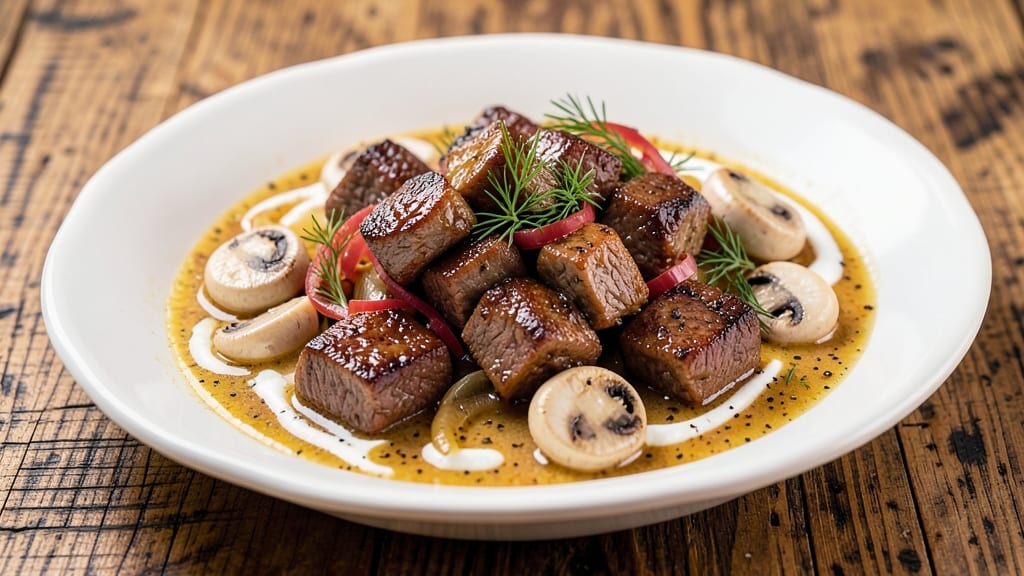
This copycat beef stroganoff recipe delivers the same restaurant-quality richness you crave—tender beef, earthy mushrooms, and a velvety cream sauce that clings perfectly to egg noodles.
After years of testing variations, I’ve perfected the balance between searing the beef for depth and simmering the sauce just enough to develop its signature flavor without curdling.
The secret lies in the slow reduction of beef broth and the careful incorporation of Dijon mustard, which adds a subtle tang that elevates every bite.
What sets this recipe apart is the foolproof method for achieving that signature stroganoff texture—creamy yet not heavy, with mushrooms that stay tender and beef that remains juicy.
The dish comes together in under 45 minutes, making it ideal for weeknights when you still want to feel like you’re dining out. No fancy techniques required, just precise timing and a few key ingredients that transform a simple meal into something unforgettable.
The result is a golden-brown sauce that coats each noodle, infused with the smoky aroma of seared beef and the earthy richness of sautéed mushrooms.
The dish is hearty enough to satisfy a hungry crowd but elegant enough for a dinner party, served with a sprinkle of fresh parsley for brightness. This is the stroganoff you’ll want to make again and again—once you taste it, you’ll never settle for anything less.
Whether you’re feeding a family or treating yourself to a cozy solo meal, this recipe delivers restaurant-quality results without the markup. The instructions walk you through every step—from searing the beef to balancing the sauce—so you’ll get it right the first time. Let’s get cooking.
Ingredients for copycat beef stroganoff
Restaurant-quality stroganoff starts with these 15 ingredients—earthy mushrooms, tender beef, and velvety cream.
| Ingredient | Amount | Notes |
|---|---|---|
| Beef Chuck Roast 🥩 | 1 ½ lb | Cut into 1-inch cubes, trimmed of fat |
| White Button Mushrooms 🍄 | 16 oz | Sliced into 1/4-inch pieces |
| Yellow Onion 🧅 | 1 whole | Diced into 1/4-inch pieces |
| Garlic Cloves 🧄 | 4 cloves | Minced, fresh preferred |
| All-Purpose Flour 🌾 | 2 tbsp | For dusting beef cubes |
| Unsalted Butter 🧈 | 4 tbsp | Full-fat for best flavor |
| Dijon Mustard 🍯 | 1 tbsp | High-quality for tang |
| Beef Broth 💧 | 1 ½ cups | Low-sodium preferred |
| Heavy Cream 🥛 | ½ cup | Full-fat for richness |
| Dry Egg Noodles 🍝 | 8 oz | Medium width preferred |
| Diamond Crystal Kosher Salt 🧂 | 1 ½ tsp | Adjust to taste |
| Freshly Ground Black Pepper 🌶️ | ½ tsp | Cracked peppercorns preferred |
| Fresh Parsley 🌿 | ¼ cup | Chopped, for garnish |
| Worcestershire Sauce 🍶 | 1 tbsp | For umami depth |
| Brandy or White Wine 🍷 | ¼ cup | Optional, for deglazing |
The beef is non-negotiable—chuck roast gives that signature fall-apart texture. Costco or Whole Foods sell pre-cubed chuck, but if you're cutting your own, look for good marbling. Fresh mushrooms are key too; Trader Joe's sells pre-sliced ones in a bag if you're short on time. The onions and garlic? Yellow onions add sweetness, and garlic cloves should be fresh—none of that jarred stuff. For the flour, King Arthur all-purpose works perfectly for dredging.
No brandy? Substitute with extra beef broth—it won't hurt the flavor. Fresh parsley is ideal, but dried works at one-third the amount if you're in a pinch. The Worcestershire sauce? Lea & Perrins is the gold standard, but any good-quality brand will do. For the cream, full-fat heavy cream is crucial—light cream won't give that signature richness. And if you're using wine, a dry white like Sauvignon Blanc works best. The Dijon mustard should be 100% mustard seed—none of that sweetened junk.
This sauce reheats beautifully—tastes even better the next day once the flavors meld. Store leftovers in an airtight container for 4-5 days or freeze for up to 3 months. I always double the recipe and portion it into containers—lunches are sorted for the week. The noodles cook fast, so boil them separately and add them to the sauce just before serving. That way, they soak up all that creamy goodness without getting mushy.
Why You'll Love This Recipe
- One-Pot Magic: I swear by this recipe because it’s actually one-pan—no skillet, no saucepan juggling. Just brown the chuck roast, toss in the onions and mushrooms, and let the flour thicken everything into a rich, velvety sauce. Honestly, the cleanup is half the battle won.
- Umami Bomb: That deep, savory punch comes from searing the beef chuck until it’s caramelized, then simmering it with mushrooms and garlic until the flour turns into a glossy, golden sauce. The texture? Tender beef cutting through creamy mushroom strands—like a hug in a bowl.
- Leftover Hero: This dish begs to be made extra because it reheats like a dream. I’ll make a double batch on Sundays, freeze half, and pull it out for lazy nights or when company drops by. (Yes, even on a Tuesday night.)
- Budget Powerhouse: Chuck roast is forgiving and affordable, and mushrooms stretch the flavor without breaking the bank. Between us, this recipe feeds four for under $15—plus, the leftovers taste just as good cold in a sandwich the next day.
Step-by-step instructions for beef stroganoff
Here's how to recreate that restaurant-style richness at home—every layer matters.
Sear the Beef Chuck Roast
Cut the 1.5 lb beef chuck roast into 1-inch cubes and trim any excess fat. Pat them dry with paper towels—this ensures a perfect sear. Heat 2 tablespoons unsalted butter in a large Dutch oven over medium-high heat until shimmering.
Working in batches to avoid crowding, add the beef cubes and sear for 3-4 minutes per side until they develop a deep golden-brown crust. You'll see the edges transform from pink to rich caramelization—that's your signal they're ready. Transfer the seared beef to a plate and set aside. If the pan looks dry, add another 1 tablespoon butter to maintain heat for the next batch.
Build the Mushroom-Onion Base
In the same Dutch oven, melt the remaining 1 tablespoon butter over medium heat. Add the 1 whole yellow onion diced into ¼-inch pieces and cook for 5 minutes until softened and translucent. Stir occasionally to prevent sticking.
Add the 16 oz sliced white button mushrooms and cook for 6-8 minutes until they release their moisture and begin to brown. The mushrooms should reduce by about half, leaving you with a rich, earthy base. Sprinkle in the 4 minced garlic cloves and cook for 30 seconds until fragrant—this is where the aromatic foundation takes shape.
Deglaze and Thicken the Sauce
Pour in the ¼ cup brandy or white wine and scrape up any browned bits from the bottom of the pan with a wooden spoon. This deglazing step captures all the meaty flavor that would otherwise disappear. Let the liquid simmer for 3-4 minutes until reduced by half.
Sprinkle the 2 tablespoons all-purpose flour over the mixture and stir vigorously for 1-2 minutes until fully incorporated. This creates a smooth, velvety roux that will thicken the sauce beautifully. Pour in the 1.5 cups beef broth and stir to combine. Bring to a gentle simmer and let it cook for 5 minutes until slightly thickened.
Finish with Cream and Mustard
Return the seared beef to the Dutch oven and stir to coat in the sauce. Add the 1 tablespoon Dijon mustard, 1 tablespoon Worcestershire sauce, 1.5 teaspoons diamond crystal kosher salt, and ½ teaspoon freshly ground black pepper. Simmer for 5-7 minutes until the beef is tender and the sauce has thickened to a luxurious consistency.
Reduce heat to low and stir in the ½ cup heavy cream. Let it heat through for 2-3 minutes, but don't boil—this ensures the cream remains silky rather than curdling. Taste and adjust seasoning if needed, remembering that the noodles will absorb some of the flavor.
Cook and Serve the Noodles
While the stroganoff simmers, cook the 8 oz dry egg noodles in a separate pot of salted boiling water for 1 minute less than the package instructions suggest. They'll finish cooking in the sauce, absorbing its rich flavors. Drain and set aside.
To serve, transfer the noodles to a warmed platter or individual bowls and ladle the beef stroganoff generously over the top. Garnish with ¼ cup chopped fresh parsley for a pop of color and freshness. The sauce should cling beautifully to the noodles, creating that signature creamy, hearty texture you crave.
Pro Tips For Making Copycat Beef Stroganoff
- SEAR THE CHUCK HARD: I learned this the hard way—skipping the deep sear means you’ll end up with a gray, dry slab instead of rich, caramelized beef. Hit that chuck roast with a hot pan and a splash of oil until it’s got a crust that’s almost black in spots. Yes, it’ll take 5-7 minutes per side, but that’s the flavor foundation for stroganoff.
- SLICE MUSHROOMS THIN: Button mushrooms release water like nobody’s business, and thick slices turn your sauce into a sad, watery mess. Grab a sharp knife and slice them paper-thin—almost like you’re shaving them. Pat them dry with a paper towel afterward, or your sauce will dilute faster than you can say "sour cream."
- DEGLAZE WITH BEER OR BROTH: That browned beef isn’t just for looks—it’s packed with flavor. After searing, immediately pour in ½ cup of beer (or beef broth) and scrape every last bit off the bottom with a wooden spoon. I used to rush this step, and the sauce always tasted flat. Take the 30 seconds to do it right.
- REST THE MEAT BEFORE SLICING: Cutting into that chuck roast too soon is how you end up with stringy, overworked beef. Let it sit under foil for 10 minutes after cooking—this keeps it tender and makes slicing a breeze. I know, I know, you’re hungry, but trust the process. Your stroganoff will thank you.
Regional styles of copycat beef stroganoff
Russian Origins
Beef stroganoff traces its roots to 19th-century Russia, where it was created for Count Stroganoff, a nobleman in the court of Tsar Alexander II. The original recipe used beef tenderloin instead of chuck roast, and the sauce relied on sour cream rather than heavy cream.
This version was lighter and more delicate, reflecting Russian aristocratic tastes. The dish became a symbol of elegance, often served at grand balls in St. Petersburg. 🌍
Hungarian Influence
Despite its Russian name, stroganoff’s mushroom and paprika base hints at Hungarian roots. Many historians believe the dish evolved from goulash, a Hungarian stew made with beef, onions, and paprika.
When Russian chefs adapted goulash for their cuisine, they replaced paprika with Dijon mustard and Worcestershire sauce for a more refined flavor. The Hungarian connection explains why mushrooms play such a starring role in modern stroganoff. 🍄
American Adaptations
When stroganoff crossed the Atlantic, American cooks simplified it for home kitchens. Egg noodles replaced traditional buttered egg noodles or rice, and the sauce became richer with heavy cream instead of sour cream.
Classic diners like Howard Johnson’s popularized stroganoff as a comfort food staple in the 1950s, often serving it with a side of roasted potatoes or a simple salad. This version is what most of us grew up with—and it’s the one we’re recreating here. 🍽️
Swedish Twist
In Sweden, stroganoff takes on a lighter, tangier profile with the addition of dill and sour cream. The Swedes also prefer leaner cuts of beef, like sirloin, and often serve it with lingonberry jam on the side.
This variation reflects Scandinavia’s love for bright, acidic flavors to cut through rich meats. If you’re feeling adventurous, try swapping the heavy cream for sour cream and adding 1 tablespoon fresh dill at the end. 🌿
Modern Fusion
Today’s stroganoff is all about creative twists. Some chefs add sun-dried tomatoes or spinach for a pop of color, while others swap beef for chicken or even mushrooms for a vegetarian version.
In California, stroganoff gets a West Coast upgrade with avocado slices and lime zest in the sauce. For a spicy kick, stir in 1 teaspoon smoked paprika or a dash of hot sauce before serving.
The beauty of stroganoff is its versatility—it’s a blank canvas for your favorite flavors. 🔥
Nutrition facts
Frequently asked questions
Can I make this stroganoff ahead of time?
This dish tastes even better the next day. Store the sauce and beef separately in an airtight container in the fridge for 4-5 days. When ready to serve, reheat gently in a saucepan over low heat and add fresh noodles cooked al dente. The flavors meld beautifully overnight, making it perfect for meal prep.
What's the best substitute if I don't have brandy?
No problem! Use dry white wine (like Sauvignon Blanc) or even extra beef broth—it won't hurt the flavor. For depth, add ½ teaspoon soy sauce or an extra ½ teaspoon Worcestershire sauce to compensate for the missing alcohol notes. The key is maintaining the same liquid volume for proper sauce reduction.
Why did my sauce turn grainy when I added the cream?
This happens when the sauce boils too vigorously, causing the cream to curdle. To fix it, immediately remove the pan from heat and whisk in 1 tablespoon cold butter or 1 tablespoon heavy cream. Stir constantly until smooth, then return to low heat just to warm through. For next time, keep the heat at low when adding cream and never let it boil.
Can I use ground beef instead of cubed chuck roast?
While possible, it won't give the same restaurant-quality texture. Ground beef lacks the caramelized crust that makes stroganoff special. If you must, use 80/20 ground chuck and sear it extra well in 2 tablespoons oil to develop flavor. For best results, stick with cubed chuck—it stays juicy and tender while creating that signature beefy depth.
How do I make this dish lighter without losing flavor?
Swap half the heavy cream for Greek yogurt or evaporated skim milk—it keeps the creaminess while cutting calories. Use chicken broth instead of beef, and add 1 teaspoon lemon juice at the end for brightness. For extra protein, stir in ½ cup cooked quinoa into the sauce before serving. The dish remains rich but with a lighter profile.