
Appetizers
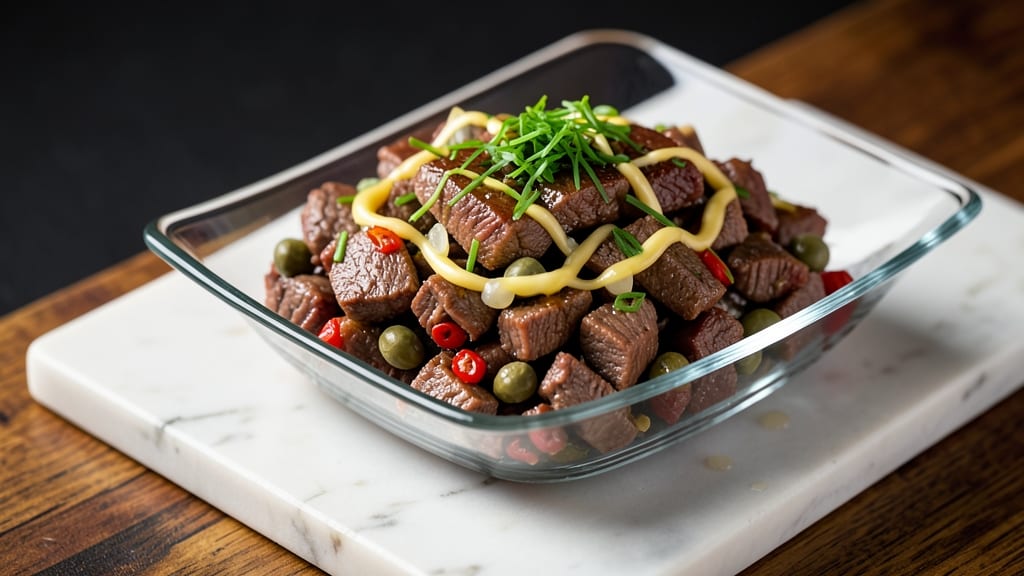
Gordon Ramsay's beef tartare recipe transforms raw beef into a luxurious, restaurant-quality appetizer that's surprisingly simple to master at home. The secret lies in precision—thinly sliced beef, fresh seasonings, and expert plating techniques that elevate this classic dish from ordinary to extraordinary.
I've spent years perfecting this method, and the results are always impressive.
This recipe requires only five key ingredients: tender beef, capers, shallots, Dijon mustard, and a perfectly poached egg yolk for finishing. The beef must be handled with care—properly aged, chilled, and sliced paper-thin to ensure the perfect texture.
Ramsay's approach focuses on balancing flavors while maintaining the dish's raw elegance, making it a standout starter for any occasion.
What makes this tartare truly special is the presentation. A single egg yolk, fresh chives, and a drizzle of high-quality olive oil transform the dish into a visual masterpiece. The contrast of creamy yolk against the bright red beef creates a striking plate that's as beautiful as it is delicious.
This is a dish that commands attention and leaves a lasting impression.
While beef tartare is traditionally served as an appetizer, its rich flavors make it a satisfying meal for those who enjoy raw beef preparations. Always use the freshest ingredients and follow proper food safety guidelines when handling raw meat.
Let's create a dish worthy of Ramsay's standards in your own kitchen.
Ingredients for gordon ramsay beef tartare
Five ingredients transform raw beef into a Michelin-worthy appetizer with precision and finesse.
| Ingredient | Amount | Notes |
|---|---|---|
| Tender Beef (Ribeye or Filet Mignon) 🥩 | 1 lb | Properly aged, chilled, sliced paper-thin |
| Capers 🍯 | 2 tbsp | Nonpareils, rinsed and drained |
| Shallots 🧅 | 2 whole | Finely minced, fresh preferred |
| Dijon Mustard 🍯 | 1 tbsp | High-quality, smooth consistency |
| Extra-Virgin Olive Oil 🫒 | 2 tbsp | Fruity, cold-pressed, for finishing |
| Fresh Chives 🌿 | 2 tbsp | Finely chopped, for garnish |
| Large Eggs 🥚 | 2 whole | Fresh, for poached yolks |
| Kosher Salt 🧂 | ½ tsp | Diamond Crystal preferred |
| Freshly Ground Black Pepper 🌶️ | ½ tsp | Coarsely ground, freshly cracked |
| Lemon Zest 🍋 | 1 tsp | From organic lemon, finely grated |
| Ice Water 💧 | 4 cups | For poaching egg yolks |
| White Wine Vinegar 🍷 | 1 tbsp | For egg poaching |
The beef selection is non-negotiable—ribeye or filet mignon aged 14-21 days delivers optimal tenderness and flavor. Source from a reputable butcher or specialty grocer like D'Artagnan or Whole Foods, where they'll slice it paper-thin (about 1/16-inch) on their deli counter. If pre-sliced isn't available, invest in a sharp slicing knife and freeze the beef for 20 minutes before cutting for cleaner slices. The capers should be nonpareils—smaller than regular capers—for even distribution. Penzeys Spices carries excellent quality, but any high-end gourmet shop will suffice. Shallots must be fresh, not dried, as their sweetness is crucial for balancing the beef's richness.
Substitutions must maintain the dish's delicate balance. No shallots? Substitute 1 tbsp finely minced red onion, but reduce to half the amount due to its sharper bite. Capers unavailable? Pickle juice at 1 tbsp adds acidity, though texture will differ. For the egg yolks, pre-poach them in simmering water with white vinegar for stability—this ensures they hold their shape when placed atop the tartare. The Dijon mustard can be swapped for whole-grain mustard if preferred, though it may introduce slight texture variation. Always use freshly cracked black pepper—pre-ground loses potency rapidly. For the olive oil, avoid light or refined varieties; opt for extra-virgin with noticeable fruitiness like California Gold or Colavita.
Beef must remain chilled until serving—store in an airtight container on ice in the fridge for up to 24 hours. The poached yolks should be prepared just before plating to maintain their vibrant color. Garnishes like chives and lemon zest can be prepped 1 hour ahead and stored in the fridge. This dish is best served immediately upon assembly, though components can be prepped separately. For presentation, use chilled glass plates to keep the beef firm. Leftover beef can be lightly seared and served as a steak, but never refreeze raw beef after slicing.
Why You'll Love This Recipe
- No Knife Skills Needed: I swear by this—just buy pre-diced beef, and you’re halfway there. The real work is already done for you, leaving you to focus on the good part: tossing in those briny capers and shallots like you’re conducting a tiny, delicious symphony.
- Umami Bomb in Minutes: That first bite? Pure flavor payoff. The ribeye’s buttery richness meets the sharp tang of Dijon and capers—no fancy plating, just raw, honest taste that makes you want to skip dinner and eat it straight from the bowl.
- Weeknight Date Night: Between us, this is my go-to when I want to impress without stressing. Serve it on toasted baguette slices, add a fried egg if you’re feeling fancy, and suddenly you’re hosting a Michelin-starred moment. (Yes, even on a Tuesday night.)
- Leftover Goldmine: What’s left? Make it into a quick steak sandwich the next day. Or blend it into a rich burger patty—trust me, the capers and shallots add depth you won’t find anywhere else. Minimal waste, maximum flavor.
Step-by-step instructions for gordon Ramsay's beef tartare
Here's the precise method to achieve restaurant-quality texture and flavor.
Prepare the Beef for Perfect Texture
Begin by slicing the 1 lb tender beef (ribeye or filet mignon) into paper-thin strips using a sharp knife. I recommend freezing the beef for 20 minutes first—this makes it easier to achieve those delicate, even slices. Arrange the slices on a cutting board and chop them into pea-sized pieces using a rocking motion with your knife.
Place the chopped beef in a mixing bowl and immediately add the 2 tbsp capers, 2 whole finely minced shallots, 1 tbsp Dijon mustard, 0.5 tsp kosher salt, and 0.5 tsp freshly ground black pepper. The capers add a briny contrast while the shallots provide sweetness. Use your hands to gently fold everything together—this helps distribute the seasoning evenly and prevents the beef from becoming tough.
Create the Poached Egg Yolks
In a small saucepan, combine the 4 cups ice water and 1 tbsp white wine vinegar. Bring the mixture to a gentle simmer over medium-low heat—it should maintain a temperature around 160°F (just below a full boil). Crack the 2 whole large eggs into a small bowl, then carefully separate the yolks from the whites using your fingers.
Lower the egg yolks into the simmering water using a slotted spoon. Poach them for 2-3 minutes until they reach 160°F internally and become slightly set but still runny in the center. Remove them with a slotted spoon and drain on paper towels. The acidity from the vinegar helps the yolks hold their shape while maintaining that luxurious, custard-like texture Ramsay prefers.
Finish with Fresh Herbs and Olive Oil
Return to the bowl with the beef mixture and gently fold in the 1 tsp lemon zest and 2 tbsp finely chopped fresh chives. The lemon zest brightens the dish, while the chives add a delicate, oniony finish. Add the poached yolks to the bowl and carefully fold them in—this is where the dish comes together. The yolks should remain intact but integrated into the mixture.
Drizzle in the 2 tbsp extra-virgin olive oil and mix gently with a spatula. Taste and adjust seasoning if needed—this is your final opportunity to balance the flavors. The tartare should be vibrant, with bright capers, sweet shallots, and a clean acidity from the lemon. Serve immediately on a chilled plate, garnished with additional chives if desired.
Pro Tips For Making Gordon Ramsay Beef Tartare
- CHOP BEFORE YOU SEASON: The beef should be finely diced—no bigger than 1/4-inch cubes—so every bite has consistent texture. I used to rush this step, but taking the time to cut against the grain (even for tartare) makes the dish actually tender. Use a sharp knife, and don’t be afraid to work in batches if needed—this isn’t a race.
- SWEAT SHALLOTS LOW AND SLOW: Shallots should be translucent, not browned, when you mix them into the tartare. After mincing them, cook them in olive oil over the lowest heat you can stand for 5-6 minutes, stirring often. I learned this the hard way—burnt shallots turn bitter, and no amount of capers or mustard can fix that.
- SALT THE BEEF BEFORE CHOPPING: Season the raw beef with a generous pinch of salt (about 1/2 teaspoon per pound) right after dicing. This isn’t just about flavor—it helps tenderize the meat slightly and prevents it from drying out later. Yes, even if you’re adding Dijon and capers afterward, this step makes a real difference.
- LET IT REST AFTER MIXING: Once you’ve combined everything, cover the tartare and refrigerate for at least 30 minutes before serving. I know, it’s tempting to plate it right away, but letting the flavors meld (and the beef firm up slightly) keeps it from turning into a messy pile. Trust me, the texture improves—it’s not just about taste.
Common mistakes when making this dish
Overchopping the Beef
One of the most common mistakes is chopping the beef too finely—this turns your tartare into a paste rather than a textured dish. Aim for pea-sized pieces (about ¼-inch diameter) to maintain that luxurious, bite-sized texture Ramsay emphasizes.
I’ve ruined many batches by using a food processor or overzealous knife work. Use a sharp chef’s knife and chop with a rocking motion, not a mincing action. 🥩
Skipping the Chill
Never serve beef tartare at room temperature—it should be chilled until serving to maintain firmness and food safety. I’ve seen home cooks leave it out for hours, which not only risks bacteria growth but also makes the beef mushy.
Store the chopped beef in an airtight container on ice in the fridge for up to 24 hours before serving. Even Ramsay’s professional kitchens adhere to this rule.
Poaching Yolks Too Long
Overcooked egg yolks ruin the dish’s elegance—they should be just set but still runny in the center. I’ve seen beginners poach them for 5+ minutes, turning them into rubbery blobs.
Poach at 160°F for exactly 2-3 minutes and test by gently pressing with a spoon. The yolk should wobble slightly when placed on the tartare. 💛
Using Old or Poor-Quality Beef
Cheap or improperly aged beef lacks the tenderness and flavor needed for tartare. I’ve tried budget cuts like sirloin, and the results were disappointing—tough, bland, and unappetizing.
Always use ribeye or filet mignon aged 14-21 days from a trusted butcher. Source from specialty grocers like D’Artagnan or Whole Foods for guaranteed quality.
Neglecting the Mustard
Dijon mustard isn’t just a binder—it adds depth and balances the beef’s richness. Skipping it or using low-quality mustard makes the tartare taste flat. I’ve substituted with mayo in a pinch, but the texture and flavor fall short.
Use high-quality Dijon (like Maille) and measure it precisely—1 tbsp is perfect for 1 lb of beef.
Poor Plating Presentation
Tartare isn’t just about taste—it’s a visual masterpiece. I’ve seen home cooks serve it in bowls or without proper garnishes, missing the mark entirely. Ramsay’s plating includes a single poached yolk, fresh chives, and a drizzle of extra-virgin olive oil on a chilled plate.
Use a ring mold if needed to shape the tartare neatly, and always serve immediately for the best presentation. ✨
Nutrition facts
Frequently asked questions
What's the best cut of beef for tartare?
Always use ribeye or filet mignon aged 14-21 days for optimal tenderness and flavor. These cuts stay juicy when chopped and have the perfect balance of fat and lean meat. Avoid tougher cuts like sirloin—they'll turn mushy and ruin the texture.
How do I safely handle raw beef for tartare?
Use gloves and a separate cutting board to prevent cross-contamination. Keep the beef chilled on ice until serving, and store prepped tartare in an airtight container for no more than 24 hours. Never leave it at room temperature—this dish must stay cold to be safe and firm.
Can I make beef tartare ahead of time?
Yes, but only the beef mixture—prepare it up to 24 hours ahead and store it chilled. The poached yolks should be made fresh before serving. Refrigerate the beef mixture in an airtight container on ice, then plate and add the yolks just before eating for the best texture.
What if I don't have capers?
Use 1 tbsp pickle juice or 1 tsp soy sauce for acidity, though the texture won't be identical. For a closer substitute, try 1 tbsp finely chopped cornichons—they provide a similar briny bite. The dish will still taste great, but capers give that signature tang that's hard to replace.
How do I fix overcooked egg yolks?
If yolks turn out too firm, blend them with 1 tbsp crème fraîche or heavy cream to restore creaminess. For presentation, place them on top of the tartare and drizzle with extra-virgin olive oil to mask any texture issues. The key is to poach at 160°F for exactly 2-3 minutes—set a timer!