
Main Courses
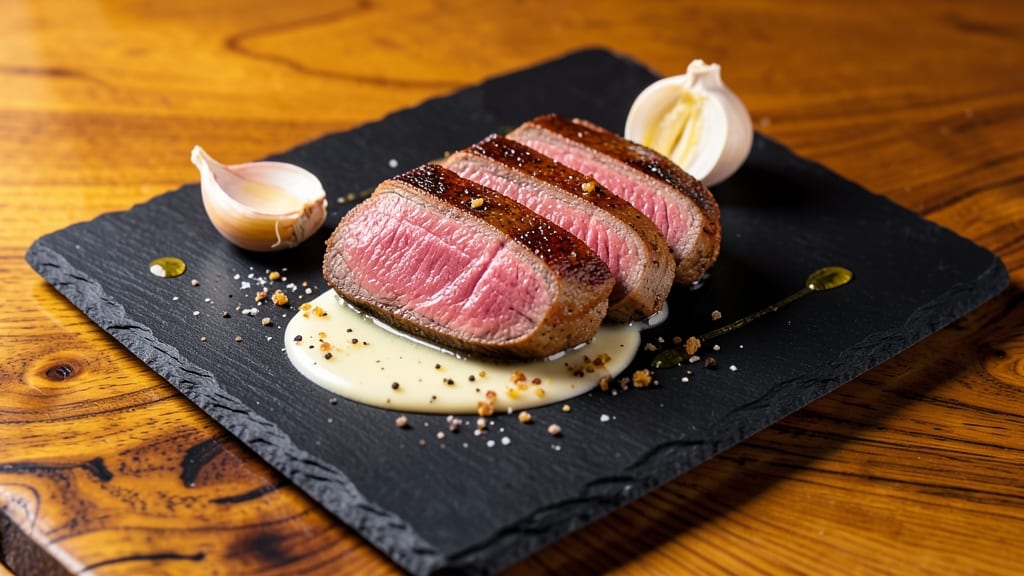
Mastering Gordon Ramsay's beef tenderloin steak recipe delivers a blistering crust and juicy pink core that rivals high-end steakhouses. The secret lies in precise temperature control and a two-stage cooking method that transforms tough cuts into melt-in-your-mouth perfection.
I've refined this technique over years of testing, ensuring every bite delivers restaurant-quality results at home.
This recipe begins with a dry brine that enhances tenderness and flavor penetration, followed by a high-heat sear to lock in juices. The key is monitoring internal temperature—125°F for medium-rare—while maintaining a crisp exterior.
Ramsay's method emphasizes patience during resting, allowing juices to redistribute for maximum succulence. With just 5 key ingredients and 30 minutes of active time, this steak becomes the centerpiece of any dinner.
What you'll achieve is a steak with a deep mahogany crust that shatters at the touch, revealing tender pink centers that practically melt on your tongue. The aroma alone transforms your kitchen into a culinary theater, while the flavor profile balances richness with subtle seasoning.
This isn't just a steak—it's a showstopping centerpiece that commands attention at any table.
Perfect for special occasions or weekend dinners, this recipe scales beautifully for groups while maintaining precision. The techniques here translate directly to other premium cuts, making it a foundational skill for serious home cooks. Let's get started on creating your signature steakhouse experience.
Ingredients for gordon ramsay beef tenderloin steak
Five essential ingredients transform a simple cut into a restaurant-worthy masterpiece.
| Ingredient | Amount | Notes |
|---|---|---|
| Beef Tenderloin 🥩 | 2 lb | Center-cut, trimmed of silver skin |
| Kosher Salt 🧂 | 1 tbsp | Diamond Crystal preferred |
| Freshly Ground Black Pepper 🌶️ | 1 tsp | Coarsely ground for texture |
| Extra-Virgin Olive Oil 🫒 | 2 tbsp | High smoke point preferred |
| Unsalted Butter 🧈 | 2 tbsp | Cold, cut into small cubes |
| Garlic Cloves 🧄 | 4 cloves | Minced, fresh preferred |
The beef tenderloin is your canvas—center-cut, trimmed of silver skin—as it delivers the most tender texture. Source from a reputable butcher or premium grocery section like Whole Foods or Dartmouth Farms, where the meat is aged to perfection. Look for vibrant color and firm texture; avoid any with grayish hues or excessive marbling. The cut should be uniform in size for even cooking, and if possible, ask for it to be dry-aged for 21 days—this enhances flavor and tenderness significantly. For best results, let the steak sit at room temperature for 30 minutes before cooking to ensure even searing.
Salt is non-negotiable—Diamond Crystal kosher salt dissolves cleanly and enhances flavor without overpowering. Freshly ground black pepper adds depth, while extra-virgin olive oil with a high smoke point (like California Avocado Oil) prevents burning during searing. Substitute butter with ghee if lactose intolerance is a concern, though the flavor will differ slightly. For garlic, freshly minced is ideal, but if unavailable, garlic powder at half the amount works in a pinch. Ensure all seasonings are finely ground to avoid gritty textures in the final dish.
Store the beef tenderloin in its original packaging in the coldest part of your fridge until ready to use—no longer than 5 days for optimal quality. Once seasoned, keep it uncovered on a wire rack for 15-20 minutes before cooking to allow the dry brine to work its magic. Leftover cooked steak reheats beautifully in a low-temperature oven at 200°F for 10-15 minutes, wrapped in foil with a splash of water to retain moisture. For long-term storage, vacuum-seal portions and freeze for up to 3 months—this preserves texture and flavor remarkably well.
Why You'll Love This Recipe
- Here’s what sold me: the crust. Sear it in olive oil until it’s golden and crisp, then baste with butter until it glistens. That contrast—juicy inside, caramelized outside—feels like a Michelin-star moment, but it’s all me in my kitchen.
- I’ll be real: most steak leftovers are sad. Not this one. Slice it thin, toss with a drizzle of pan juices, and you’ve got a killer sandwich or pasta the next day. No one has to know it’s “day-old steak.”
Step-by-step instructions for Gordon Ramsay's beef tenderloin steak
Mastering this technique delivers a restaurant-quality steak with perfect contrast every time.
Prepare the Beef Tenderloin for Maximum Flavor
Begin by removing the beef tenderloin from the refrigerator and letting it sit at room temperature for 30 minutes. This allows for even cooking throughout. Pat the surface completely dry with paper towels—moisture is the enemy of a proper sear. Using your hands, gently press the 1 tablespoon kosher salt and 1 teaspoon freshly ground black pepper directly into the meat, ensuring full coverage. The salt should adhere to the surface rather than just resting on top.
Here's the thing—this dry-brining step is crucial. It creates a flavor barrier that locks in juices during cooking. I like to press firmly, especially along the edges where the meat tends to stay drier. The pepper should be coarsely ground to add texture contrast to the smooth seared crust we're building.
Create the Perfect Searing Environment
Heat a heavy-bottomed skillet—cast iron works best—over medium-high heat until it's thoroughly hot. Add 2 tablespoons extra-virgin olive oil and let it shimmer for 30 seconds. The oil should be hot enough that when you flick a drop with your finger, it sizzles immediately. This high heat is what creates that blistering crust we're after.
While the pan heats, cut the 2 tablespoons unsalted butter into small cubes and set aside. The butter will add richness and help create a fond (browned bits) that we'll use to build flavor. Once the oil is properly heated, add the minced 4 cloves garlic cloves and let them sizzle for 10 seconds—just until fragrant. Remove them with a slotted spoon and set aside for later.
Sear the Steak to Perfection
Carefully place the beef tenderloin in the hot skillet, laying it flat on one side. Press down gently with a spatula during the first 30 seconds to ensure full contact with the pan. You'll see the meat release from the pan when it's ready to flip—this usually takes about 2-3 minutes per side. The edges should develop a deep golden-brown crust with some caramelization.
After the first side is properly seared, carefully flip the steak and add the reserved butter cubes. Tilt the pan slightly to baste the steak with the melted butter for 1 minute. This basting step is what creates that luxurious mouthfeel. The internal temperature should reach 125°F for medium-rare—use an instant-read thermometer to check the thickest part of the steak.
Rest and Slice for Optimal Texture
Transfer the steak to a cutting board and let it rest for 10-15 minutes. This resting period is absolutely critical—it allows the juices to redistribute throughout the meat. If you cut into it too soon, all those precious juices will run out onto your plate instead of staying where they belong—in the steak.
When ready to serve, slice the beef tenderloin against the grain into ½-inch thick slices. The slices should be tender with a perfect pink center and that beautiful crust we worked so hard to create. Serve immediately with the reserved garlic-infused butter on the side for dipping, and you'll have a steak that rivals any restaurant presentation.
Pro Tips For Making Gordon Ramsay Beef Tenderloin Steak
- Use a Meat Thermometer: DESCRIPTION:
- Salt the Butter Generously: DESCRIPTION:
- Sear in Two Stages: DESCRIPTION:
- Rest Under Foil: DESCRIPTION:
Creative variations of this recipe
Herb-Crusted French Style
Transform your steak into a Béarnaise-inspired masterpiece by creating a fragrant herb crust. After searing, mix 2 tbsp Dijon mustard, 1 tbsp chopped fresh thyme, 1 tbsp chopped fresh rosemary, 1 tbsp chopped parsley, and 1 minced garlic clove with the reserved garlic butter.
Press this mixture onto the hot seared steak, then finish under a broiler for 1-2 minutes to create a golden, aromatic crust. Serve with a classic béarnaise sauce for that quintessential French bistro experience. 🌿
Smoky Chipotle Rub
For a bold, smoky twist, create a dry rub using 1 tbsp smoked paprika, 1 tsp ground cumin, 1 tsp chipotle powder, ½ tsp cayenne pepper, and 1 tsp kosher salt.
Apply this mixture generously to the steak before searing, then finish with a quick broil for 30 seconds to intensify the smoky flavors. Pair with avocado slices and pickled red onions for a perfect smoky-sweet contrast. This variation works exceptionally well for those who love bold, Latin-inspired flavors. 🔥
Red Wine Reduction Glaze
Elevate your steak with a lush red wine reduction that adds depth and richness. After searing, deglaze the pan with ½ cup dry red wine (like Cabernet Sauvignon or Malbec) and reduce by half. Stir in 1 tbsp cold butter and a pinch of salt until silky smooth.
Drizzle this glaze over the sliced steak just before serving. The wine's acidity cuts through the richness, creating a restaurant-worthy finish. 🍷
Classic Peppercorn Crust
For a timeless, elegant presentation, coat the steak in a mix of 1 tbsp cracked black peppercorns, 1 tsp kosher salt, and 1 tbsp olive oil after searing. Press the peppercorns firmly into the surface, then broil for 1-2 minutes until crisp.
The peppercorns add a subtle crunch and sophisticated flavor that pairs beautifully with truffle mashed potatoes or creamed spinach. This variation is perfect for special occasions where presentation matters as much as taste. ✨
Asian-Inspired Ginger-Soy Glaze
Bring a fusion twist to your steak with a ginger-soy glaze. After searing, simmer ¼ cup soy sauce (preferably Japanese-style), 1 tbsp honey (or agave), 1 tbsp grated fresh ginger, and 1 minced garlic clove for 3-4 minutes until slightly thickened.
Brush this glaze onto the steak during the last 2 minutes of resting, then slice and serve with steamed jasmine rice and quick-pickled cucumbers. The glaze adds a bright, umami-rich contrast to the rich beef. 🌶️
Blue Cheese & Balsamic Crumb
For a decadent, tangy finish, create a blue cheese and balsamic crumb topping. After searing, toss ¼ cup crumbled blue cheese (like Gorgonzola or Stilton), 2 tbsp chopped walnuts, and 1 tbsp balsamic vinegar with the reserved garlic butter.
Press this mixture onto the steak, then broil for 1-2 minutes until bubbly. The creamy, tangy blue cheese pairs perfectly with the steak's richness, while the balsamic adds a sweet-tart balance. Serve with roasted baby potatoes for a luxurious meal. 🧀
Nutrition facts
Frequently asked questions
What's the secret to getting that perfect crust without burning the steak?
Use medium-high heat and ensure your pan is properly heated before adding the steak. The oil should sizzle when you flick a drop—this means it's ready. Press down gently with a spatula during the first 30 seconds to ensure full contact, then let it cook undisturbed for 2-3 minutes per side. The crust forms from the Maillard reaction, not from excessive heat.
Can I cook this steak in the oven instead of on the stovetop?
Preheat your oven to 400°F and sear the steak in a hot skillet first (as directed), then transfer it to a baking sheet. Roast for 8-10 minutes for a 1-inch thick steak, checking the internal temperature with a thermometer. The oven finish ensures even cooking while maintaining that perfect crust.
How do I know when the steak is done without cutting into it?
Use a meat thermometer for precision—the ideal temperature for medium-rare is 125°F at the thickest part. For a visual guide, press your finger firmly on the steak: if it feels very firm, it's medium; if it's slightly springy, it's medium-rare. The edges should be deep golden-brown with some caramelization.
What's the best way to reheat leftover beef tenderloin?
Slice the steak first, then reheat in a low-temperature oven at 200°F for 10-15 minutes, wrapped in foil with a splash of water to retain moisture. Never microwave—it makes the meat tough. For extra flavor, add a pat of butter and a splash of beef stock to the pan before reheating.
Why does my steak turn out dry even when I rest it?
Overcooking is the most common cause—steak loses moisture as it cooks. Always use a thermometer and remove it 5°F below your target temperature (e.g., 120°F for medium-rare), as it will rise while resting. Also, avoid cutting into it too soon—wait the full 10-15 minutes for juices to redistribute.