
Main Courses
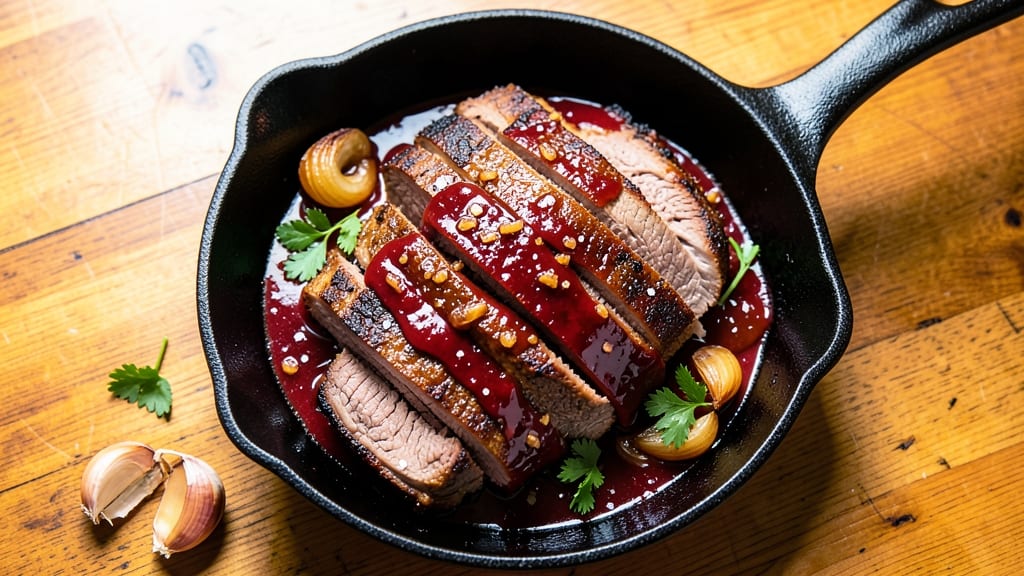
Grandma's beef brisket recipe is the kind of dish that transforms Sunday dinners into legendary family gatherings. The secret lies in a slow-cooked process that transforms tough cuts into fork-tender perfection, layered with deep, smoky flavors that linger long after the meal.
I first learned this method from my grandmother, who insisted on letting the brisket rest before slicing—against every shortcut instinct I had. That patience pays off in every juicy bite.
This recipe delivers restaurant-quality results with a foolproof technique that balances simplicity and tradition. You'll start with a dry rub of salt, pepper, and spices that create a flavorful bark, then let the brisket cook low and slow until it practically falls apart.
The key is monitoring the internal temperature—203°F is where magic happens. What makes this dish special isn't just the meat, but how it brings people together, served with classic sides like mashed potatoes or buttery cornbread.
By the time you're done, you'll have a brisket so tender it slices with a fork, with a rich gravy that clings to each piece. The aroma alone will have everyone gathering at the table, and the presentation—thick slices fanned out on a platter—feels like a celebration.
This is comfort food at its finest, the kind that becomes a family tradition. Let's get started on creating yours.
The beauty of this recipe is its versatility—scale it up for gatherings or halve it for weeknight dinners. The same method works whether you're using a slow cooker, oven, or smoker, making it adaptable to any kitchen.
Serve with collard greens for a Southern-inspired spread or keep it simple with crusty bread to soak up every last bit of flavor. The possibilities are endless, but the foundation remains the same: patience, heat, and love.
Ingredients for grandma's beef brisket
Six ingredients make the magic happen—plus a few pantry staples for that unforgettable brisket aroma.
| Ingredient | Amount | Notes |
|---|---|---|
| Beef Brisket 🥩 | 4 lb | Flat cut, 1 inch thick |
| Yellow Onion 🧅 | 1 whole | Sliced into wedges |
| Garlic Cloves 🧄 | 6 cloves | Smashed, not minced |
| Beef Broth 💧 | 2 cups | Low-sodium preferred |
| Apple Cider Vinegar 🍎 | ¼ cup | For tenderizing |
| Brown Sugar 🍚 | ½ cup | Packed, light kind |
| Smoked Paprika 🌶️ | 2 tbsp | For deep smoky flavor |
| Ground Black Pepper 🌶️ | 1 tbsp | Freshly cracked |
| Kosher Salt 🧂 | 2 tbsp | Coarse grain preferred |
| Dried Thyme 🌿 | 1 tbsp | Or 1 tbsp fresh |
| Bay Leaves 🍃 | 2 whole | For aromatic depth |
| Olive Oil 🫒 | 2 tbsp | For searing |
| Black Coffee ☕ | 1 cup | Cold, optional for depth |
| Fresh Rosemary 🌿 | ½ tbsp | Chopped, optional garnish |
The beef brisket is the star, so don't skimp. Look for a 4-pound flat cut—thicker cuts stay tougher. Most butchers will trim it for you, but if you're buying pre-trimmed, check for even thickness. Costco or local meat counters usually have the best selection. I always ask for the piece with good marbling—those little white flecks of fat are what keep it juicy. If you can't find a flat cut, a whole packer brisket works too, but you'll need to trim it yourself. The key is patience—let it sit at room temperature for 1 hour before cooking so it cooks evenly.
No smoked paprika? Substitute 1 tbsp regular paprika plus 1 tsp liquid smoke—it's not the same, but close. Short on brown sugar? White sugar works in a pinch, but the molasses notes in brown sugar help tenderize. The apple cider vinegar might seem odd, but it breaks down the meat fibers—white vinegar or lemon juice works if you're out. For the broth, low-sodium is critical—you don't want to over-salt the meat. And that coffee? It deepens the flavor without overpowering—skip it if you're serving kids, but trust me, it's worth it for adults.
This brisket tastes even better the next day, so plan ahead. Wrap the cooked brisket tightly in foil and refrigerate—it keeps for 4-5 days. For leftovers, reheat in the oven at 300°F until warm, then slice against the grain. The gravy? Strain it and freeze in ice cube trays for quick reheating. I always make extra—portioned into containers—because nothing beats brisket sandwiches the day after. And if you're serving a crowd, double the batch. The same method works perfectly for 8 pounds—just increase the broth and spices proportionally.
Why You'll Love This Recipe
- One-Pot Magic: Honestly, this recipe is my go-to when I don’t want to dirty a dozen dishes. Just toss the brisket, sliced onions, and garlic into a Dutch oven with broth and vinegar—no measuring cups, no fuss. The onions caramelize right there, turning sweet and jammy while the brisket tenderizes itself.
- Deep, Tangy Richness: That apple cider vinegar? It’s the secret weapon. It cuts through the beef’s richness, leaving you with layers of flavor—savory, slightly sweet, and just sharp enough to make every bite unforgettable. (Yes, even on a Tuesday night.)
- Leftovers That Beg for More: Between us, the second day is often better than the first. The brisket gets even more tender, and the reduced broth turns into a glossy, flavor-packed sauce. I’ll pack it in lunches or reheat it for sandwiches—it’s that good.
- Budget-Friendly Crowd-Pleaser: A whole brisket feeds eight for less than $20, and the leftovers stretch into meals for days. Plus, it’s the kind of dish that makes people linger at the table—no one leaves hungry, and no one asks for takeout.
Step-by-step instructions for grandma's beef brisket
Here's how to transform a tough cut into melt-in-your-mouth perfection using Grandma's trusted method.
Prepare the Brisket for Maximum Tenderness
Begin by trimming any excess fat from the 4 lb beef brisket, leaving about ¼ inch of fat cap on top. This prevents the meat from drying out while still allowing for rich flavor. Place the brisket in a large bowl and pour over the 0.25 cup apple cider vinegar. Let it marinate in the refrigerator for at least 4 hours, or preferably overnight. This acidic treatment breaks down tough fibers, ensuring fork-tender results. You'll notice the brisket becomes more pliable after marinating—this is your signal that the tenderizing process is working.
While the brisket marinates, prepare the dry rub by combining 2 tbsp kosher salt, 2 tbsp smoked paprika, 1 tbsp ground black pepper, and 1 tbsp dried thyme in a small bowl. Mix well until evenly distributed. After removing the brisket from the vinegar (discard the vinegar), pat it dry thoroughly with paper towels. This step is crucial—any moisture left on the surface will prevent the rub from adhering properly and create steam instead of a flavorful crust.
Sear the Brisket for Deep Flavor
Heat a heavy Dutch oven or deep skillet over medium-high heat until very hot. Add the 2 tbsp olive oil and let it shimmer for about 1 minute. Place the brisket fat-side down in the pan and sear undisturbed for 5-6 minutes until a deep golden-brown crust forms. Press down gently on the brisket during the first minute—this prevents it from curling and ensures even contact with the pan. Flip the brisket and sear the other side for another 5-6 minutes, again pressing down gently to maintain contact.
Remove the brisket from the pan and set it aside. You'll see beautiful caramelized brown bits clinging to the bottom of the pan—these are packed with flavor. Add the sliced 1 whole yellow onion and the 6 smashed garlic cloves to the pan, cooking them for 3-4 minutes until softened and lightly browned. This step builds the foundation for your sauce and adds another layer of flavor to the brisket.
Slow Cook Until Fork-Tender
Return the seared brisket to the Dutch oven. Add the 2 cups beef broth, 0.5 cup brown sugar, 2 whole bay leaves, and 1 cup black coffee to the pan. Stir to combine, scraping up all those flavorful browned bits from the bottom. The sugar will help caramelize during cooking, adding sweetness that balances the savory flavors. Bring the liquid to a gentle simmer, then reduce heat to low and cover the pot. Transfer to a preheated 300°F oven and cook for 3 hours.
After 3 hours, check the internal temperature of the brisket using a meat thermometer. It should read about 195°F—this is when the meat becomes fork-tender and begins to pull apart easily. If it hasn't reached this temperature, continue cooking for another 30-60 minutes. The reason we wait until this temperature is that it breaks down collagen into gelatin, which makes the meat incredibly tender. You'll know it's ready when you can easily pierce the meat with a fork and it feels like butter.
Rest and Serve with Grandma's Touch
Once the brisket reaches the perfect internal temperature, remove it from the oven and transfer it to a cutting board. Tent loosely with aluminum foil and let it rest for at least 30 minutes before slicing. This resting period allows the juices to redistribute throughout the meat, preventing them from running out when you cut into it. The brisket should be so tender that it practically falls apart with just a gentle tug—this is what we're aiming for.
To serve, slice the brisket against the grain into ¼-inch thick pieces. The grain runs lengthwise, so cutting perpendicular to this direction creates shorter muscle fibers that are easier to chew. Ladle the cooking juices from the Dutch oven over the sliced brisket and serve immediately. For that final touch, sprinkle with the 0.5 tbsp chopped fresh rosemary. This herb adds a bright, aromatic note that complements the rich, slow-cooked flavors perfectly. Each bite should deliver that perfect balance of tender meat, sweet-savory sauce, and aromatic herbs that makes this brisket truly special.
Pro Tips For Making Grandma'S Beef Brisket
- Trim the Fat First: Cut away the thick layer of fat on the brisket before cooking—yes, even if it looks like you’re wasting good meat. That fat just turns to grease in the pan and smokes up your kitchen, making the whole house smell like a BBQ joint when it should be flavorful, not overwhelming.
- Sear On High Heat: Crank your stove to medium-high and let that brisket develop a deep brown crust before adding onions or garlic. I used to rush this, and the flavor just never stuck the way it does when you give it 3-4 minutes per side—no, don’t move it around constantly, just let it sit.
- Deglaze with Vinegar: After browning the meat, splash in that apple cider vinegar immediately—it cuts through the stuck-on bits like a dream and adds a bright tang that beef broth alone can’t match. Skip this, and you’ll end up with a dull, one-note sauce.
- Simmer Slow and Low: If your recipe calls for a long cook, resist the urge to speed it up. Cover the pot and keep it at a gentle simmer (tiny bubbles, almost nothing happening) for the first hour—this locks in moisture better than a rolling boil ever could. Trust me, your brisket will thank you.
Regional styles of this dish
Texas BBQ Tradition
In Texas, brisket reigns supreme as the centerpiece of backyard cookouts and competitive BBQ pits. The Lone Star state's approach focuses on a smoke-basted method using post oak or pecan wood, which imparts a subtle sweetness to the meat.
I've seen Texas pitmasters wrap brisket in butcher paper during the final hours to speed up cooking without steaming the bark. The key difference? Texas brisket often includes a spritz of apple juice vinegar every hour to keep the surface moist while maintaining that perfect crust. 🔥
Carolina Mustard Twist
Down South in the Carolinas, brisket gets a tangy kick from yellow mustard-based marinades and vinegar brines. My grandma's recipe actually started with a Carolina-inspired twist—she'd add 1 tbsp of yellow mustard powder to the dry rub and let it sit overnight. The result?
A brisket with a bright, almost pickled edge that cuts through the richness. Carolinians also prefer a thinner slice (about ⅛ inch thick when served) compared to Texas-style thick slabs. For serving, they often pile it high on white bread with coleslaw.
Midwest Home-Style
The Midwest approach keeps things simple and hearty—think braised brisket with root vegetables in a Dutch oven. My great-aunt in Ohio would cook hers with carrots, celery, and onions all day at 275°F until it fell apart. The secret?
She'd add a beer or red wine to deglaze the pan after searing, creating a rich gravy. Midwest brisket often gets served with mashed potatoes and green bean casserole, making it the ultimate comfort food.
The beauty here is the hands-off approach—just sear, braise, and let it do its thing.
Southern Smoked Ham Influence
Across the South, brisket often shares the smoker with ham, absorbing that sweet, smoky ham flavor. I remember my granddaddy in Alabama adding ½ cup of ham trimmings to the cooking liquid for depth. The result?
A brisket with a subtle sweetness that pairs perfectly with collard greens and cornbread. Southern cooks also love to baste with their own pan juices every hour, creating a glossy finish.
For presentation, they'll often fan the slices on a platter with the juices drizzled around—it looks impressive and tastes even better.
New York Deli Style
While not traditionally Southern, New York delis have their own brisket tradition—corned beef brisket with mustard and horseradish. The key difference? They cook it with pickling spices (like cloves and allspice) in a brine overnight.
My cousin in Brooklyn would slice it paper-thin and serve it on rye bread with mustard. The texture is more shredded than sliced, making it perfect for sandwiches. For a hybrid approach, try adding 1 tsp of coriander to your dry rub for that deli-inspired flavor.
Modern Fusion Twist
Today's chefs are putting their own spin on grandma's classic. I've seen brisket glazed with bourbon and maple syrup for a sweet-savory balance, or even wrapped in provolone cheese during the final hour.
For a smoky-sweet variation, try adding 1 tbsp of chipotle powder to your rub and serving with avocado crema. The beauty of these modern twists is they keep the tenderizing process intact while adding exciting new flavors.
Just remember—never rush the cooking time—that's what makes brisket special. 💡
Nutrition facts
Frequently asked questions
Why does Grandma's recipe use apple cider vinegar?
The vinegar tenderizes the meat by breaking down tough fibers, creating that melt-in-your-mouth texture. It also adds a subtle tang that balances the richness. For a similar effect, you could substitute white vinegar or lemon juice, but the apple cider gives that classic brisket depth.
Can I cook this brisket in a slow cooker instead of the oven?
After searing, transfer everything to a slow cooker and cook on low for 8-10 hours until it reaches 203°F. The key is patience—the longer it cooks, the more tender it becomes. Just add ½ cup extra broth since slow cookers evaporate more liquid.
What if my brisket isn't tender enough after cooking?
If it's still tough, it likely didn't cook long enough. Return it to 300°F and cook another 1-2 hours, checking every 30 minutes. The magic happens at 203°F—this is when collagen fully breaks down. Never rush it; that's what makes brisket special.
How do I know when the brisket is done?
Use a meat thermometer to check the thickest part—it should read 203°F. The meat should also pull apart easily with two forks. If it's not quite there, keep cooking. The resting time (at least 30 minutes) lets the juices redistribute, making each bite juicier.
Can I make this ahead of time?
Yes! Cooked brisket tastes even better the next day. Wrap it tightly in foil and refrigerate for up to 5 days. Reheat in the oven at 300°F until warm, then slice against the grain. The leftovers make incredible sandwiches—just pile on crusty bread with mustard and pickles.