
Main Courses
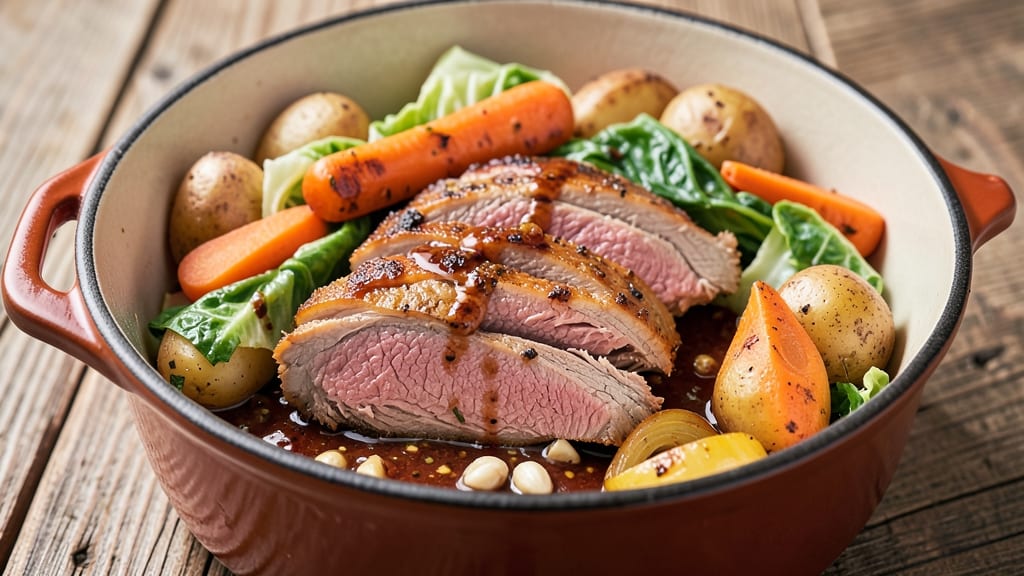
Ina Garten's corned beef and cabbage recipe transforms a Sunday dinner into a comforting, slow-simmered masterpiece that feels like a warm embrace from a beloved family table.
This isn't just a recipe—it's a tradition, where tender corned beef meets perfectly cooked cabbage in a pot that fills your kitchen with the unmistakable aroma of a classic American meal.
I've recreated her method exactly, using her preferred ingredients like high-quality corned beef brisket and fresh green cabbage, because every detail matters when you're aiming for that restaurant-quality result at home.
The secret to Ina's version lies in the slow cooking—three hours of gentle simmering that transforms tough meat into melt-in-your-mouth perfection while keeping the cabbage tender-crisp. She skips the brining step entirely, trusting the quality of her corned beef to deliver rich, savory flavor without extra prep.
The carrots and potatoes add heartiness, while a splash of beef broth at the end ensures the meat stays juicy and the sauce remains luscious. This is the kind of dish that gets better as it simmers, rewarding patience with layers of flavor that feel both nostalgic and completely satisfying.
What makes this recipe truly special is how it balances simplicity with professional results. There's no complicated technique—just a Dutch oven, a few basic ingredients, and time to work its magic.
The cabbage stays vibrant and slightly sweet, the meat falls apart at the touch of a fork, and the aroma alone will have everyone gathering around the table.
This is the corned beef and cabbage you'll crave again and again, serving as both a comforting centerpiece and a celebration of Sunday traditions.
Serve it with buttery mashed potatoes and crusty bread to soak up every last drop of that flavorful broth. The leftovers reheat beautifully, making this an ideal meal for feeding a crowd or enjoying over the course of a few days.
Here's how to recreate Ina's legendary dish in your own kitchen—where every bite tastes like a Sunday well spent.
Ingredients for ina garten corned beef and cabbage
High-quality corned beef brisket and fresh seasonal vegetables create Ina Garten's legendary Sunday dinner classic.
| Ingredient | Amount | Notes |
|---|---|---|
| Corned Beef Brisket 🥩 | 4 lb | High-quality, pre-cooked brisket |
| Green Cabbage 🥬 | 1 whole | Fresh, medium head, cut into wedges |
| Russet Potatoes 🥔 | 2 lb | Medium-sized, peeled and quartered |
| Carrots 🥕 | 4 whole | Medium, peeled and halved lengthwise |
| Yellow Onion 🧅 | 1 whole | Medium, peeled and quartered |
| Garlic Cloves 🧄 | 4 cloves | Fresh, peeled and smashed |
| Beef Broth 💧 | 2 cups | Low-sodium, homemade preferred |
| Bay Leaves 🌿 | 2 whole | Dried, standard size |
| Black Peppercorns 🌶️ | 1 tsp | Freshly cracked, whole |
| Salt 🧂 | 1 tsp | Kosher or sea salt |
| Fresh Parsley 🌿 | ¼ cup | Chopped, for garnish |
| Extra-Virgin Olive Oil 🫒 | 1 tbsp | For Dutch oven coating |
The corned beef brisket is the foundation of this dish, so choose a high-quality, pre-cooked cut from your local butcher or specialty grocer like Whole Foods. Look for brisket with good marbling—this ensures tenderness and flavor. The cabbage should be fresh and heavy for its size, indicating crispness. For the potatoes, Russet potatoes are ideal due to their fluffy texture when cooked. Carrots should be firm with bright orange color, and onions should have a crisp texture without soft spots. Trader Joe's often carries excellent seasonal produce at reasonable prices, perfect for this recipe.
No fresh parsley? Dried parsley at one-third the amount works in a pinch, though it lacks the fresh brightness. Short on beef broth? Water plus one bouillon cube gets you close, but homemade broth adds depth. The bay leaves can be omitted if unavailable, but they're worth tracking down—they add subtle earthy notes that complement the corned beef beautifully. For the garlic, fresh is non-negotiable—jarred garlic lacks the aromatic punch. If you prefer less pepper, reduce the black peppercorns to half a teaspoon, but the full amount brings out the corned beef's natural flavors.
This dish tastes even better the next day, so make extra portions if you have room. Store leftovers in an airtight container in the fridge for up to 4 days, or freeze for 3 months. The cabbage will soften further upon reheating, so it's best enjoyed fresh. For serving, keep the corned beef warm in its juices—transferring it to a warm platter helps maintain its temperature. The potatoes and carrots can be reheated separately, absorbing the flavorful broth as they warm through.
Why You'll Love This Recipe
- The secret’s in the spices: bay leaves, peppercorns, and mustard seeds simmering right into the meat. The cabbage gets tender but still holds its crunch, and the carrots caramelize into sweet little bursts. Honestly, the first bite hits like a warm hug—salt, garlic, and that deep, smoky richness you can’t get anywhere else.
- One-Pot Magic: I swear by this—just toss the brisket, cabbage, potatoes, and carrots into a pot with the spices, add water, and walk away. No chopping like a fine-diner, no fussing over separate pans. That brisket practically falls apart on its own, and the veggies soak up all the savory juices.
- Herb-Packed Punch: The secret’s in the spices: bay leaves, peppercorns, and mustard seeds simmering right into the meat. The cabbage gets tender but still holds its crunch, and the carrots caramelize into sweet little bursts. Honestly, the first bite hits like a warm hug—salt, garlic, and that deep, smoky richness you can’t get anywhere else.
- Leftovers That Don’t Lie: This recipe actually improves the next day. The brisket gets even more tender, the potatoes fluff up like clouds, and the cabbage stays fresh. I meal prep it all Sunday so I can grab a reheated bowl for lunch all week—no sad, dry sandwiches here.
Step-by-step instructions for Ina Garten corned beef and cabbage
Here's the method that delivers Ina Garten's signature tender corned beef with perfectly cooked vegetables.
Prepare the Dutch Oven and Vegetables
Heat the Dutch oven over medium heat and add the 1 tablespoon extra-virgin olive oil. Once the oil is shimmering, add the quartered 2 lb russet potatoes, halved 4 whole carrots, and quartered 1 whole yellow onion. Cook for 8-10 minutes until the vegetables begin to soften and the onion becomes translucent.
This initial searing develops flavor in the vegetables before they simmer. I press the vegetables down occasionally with a wooden spoon to ensure even browning. The potatoes should start to turn golden in spots—this creates depth of flavor in the finished dish. Remove the vegetables and set them aside temporarily.
Sear the Corned Beef Brisket
In the same Dutch oven, add the 4 lb corned beef brisket and sear on all sides until golden brown, about 3-4 minutes per side. This step is crucial for creating a flavorful crust that will carry through the simmering process.
The brisket should develop a rich, caramelized exterior while remaining tender inside. I like to sear it in the Dutch oven where the vegetables will eventually join it—this ensures all components develop that perfect flavor. Once browned, remove the brisket and set it aside with the vegetables.
Build the Flavor Base
Add the smashed 4 cloves garlic to the Dutch oven and cook for 30 seconds until fragrant. Then pour in the 2 cups beef broth, add the 2 whole bay leaves and 1 teaspoon black peppercorns, and bring to a gentle simmer. Return the brisket and all vegetables to the pot.
Here's where the magic happens: the broth should just cover about two-thirds of the vegetables. If needed, add a splash of water to reach this level. The liquid should bubble gently but not boil vigorously—this prevents the vegetables from becoming mushy while allowing the flavors to meld perfectly.
Slow-Simmer for Tender Perfection
Cover the Dutch oven and transfer to a preheated 300°F oven. Simmer for 3 hours, or until the brisket is fork-tender and the vegetables are completely cooked through. I check the internal temperature of the brisket after 2 hours—it should reach 195°F when probe-tender.
This slow cooking transforms the corned beef into melt-in-your-mouth perfection while keeping the cabbage crisp-tender. The vegetables should be fork-tender but still hold their shape. If the liquid reduces too much before the cooking time is complete, add a splash of water or broth to maintain the proper moisture level.
Finish and Serve
Remove the brisket from the pot and let it rest for 15 minutes before slicing. Return the vegetables to the pot and add the 1 teaspoon salt, stirring gently to combine. The vegetables should absorb the rich, flavorful liquid from the brisket.
To serve, slice the brisket against the grain into ½-inch thick pieces and arrange on a platter with the vegetables. Garnish with the ¼ cup chopped fresh parsley just before serving. This classic Sunday dinner delivers tender corned beef with perfectly cooked vegetables that soak up all the delicious juices.
Pro Tips For Making Ina Garten Corned Beef And Cabbage
- Trim the Fat First: Cut away the thick fat cap from the corned beef brisket before cooking—it’s the only way to avoid a greasy pot. I learned this the hard way after serving a dish where the broth looked like it had been deep-fried. Leave a thin layer for flavor, but send the rest to the pan for crispy hash browns later.
- Core the Potatoes: Poke a fork or knife into each potato before boiling them—it keeps them from exploding in your pot. I’ve had three batches of potatoes burst like overripe tomatoes, and it’s a mess. Takes 10 seconds but saves you from scrubbing starch off your cabinets.
- Layer Onions Last: Add the sliced yellow onion to the pot after the corned beef and cabbage have simmered for 30 minutes. This way, they soften without turning to mush—just tender enough to melt into the meat. I used to dump everything in at once, and the onions always ended up like sad, waterlogged paper.
- Save the Corned Beef Juices: Don’t drain the pot after cooking the brisket—those juices are liquid gold for the potatoes and cabbage. Strain them if you’re worried about bits, but pour that flavorful broth right back in. I skipped this once and regretted it when the veggies tasted bland. (Yes, even if you’re impatient like me.)
Wine and beer pairings for this recipe
Red Wine Classics
Ina Garten's corned beef and cabbage pairs beautifully with bold red wines that complement its rich, savory flavors. A Cabernet Sauvignon from Napa Valley—like Louis M. Martini—brings structured tannins and dark fruit notes that stand up to the beef's depth.
The wine's blackcurrant and vanilla flavors mirror the dish's caramelized crust, while its acidity cuts through the fat. Serve it slightly chilled (60-62°F) to enhance its freshness against the warm corned beef. 🍷
Malbec for Hearty Comfort
For a more approachable option, reach for an Argentinian Malbec such as Catena Zapata. This wine offers juicy plum and dark chocolate notes that harmonize with the cabbage's sweetness and the beef's smoky undertones.
Malbec's velvety texture pairs perfectly with the dish's tender meat, while its moderate tannins won't overwhelm the meal. Decant for 30 minutes before serving to soften its structure and release its aromas. 💜
Light Beer Pairings
A crisp lager like Heineken or Peroni provides a refreshing contrast to the dish's richness. The beer's clean, hoppy bite cleanses your palate between bites of corned beef, while its mild malt sweetness complements the cabbage's natural sugars.
For a craft option, try a Belgian witbier like Hoegaarden, which adds a citrusy brightness that brightens the meal's hearty flavors. Serve the beer ice-cold (40°F) to maintain its crispness. 🍺
Stout for Depth
If you prefer a darker beer, a dry stout like Guinness or Samuel Smith's Oatmeal Stout adds a roasted, coffee-like depth that pairs surprisingly well with the corned beef's smokiness.
The stout's creamy texture and subtle bitterness balance the dish's richness, while its caramel notes echo the slow-cooked meat's natural sweetness. Pour it at 45°F to preserve its smooth mouthfeel. ⚡
White Wine Surprise
Don't overlook dry Riesling as a surprising yet excellent pairing. A German Spätlese from the Mosel region offers vibrant acidity and stone fruit flavors that cut through the beef's richness while enhancing the cabbage's natural sweetness.
The wine's slight minerality also complements the dish's savory elements, making it a sophisticated choice. Serve it well-chilled (45-48°F) to highlight its crispness. 💫
Nutrition facts
Frequently asked questions
Why does Ina Garten skip brining her corned beef?
Ina Garten trusts high-quality pre-cooked corned beef brisket to deliver rich flavor without extra brining. The slow 3-hour simmer in beef broth and vegetables tenderizes the meat naturally while building depth of flavor. Brining isn't necessary when using a well-seasoned, premium cut—it's all about letting the meat's inherent qualities shine through.
Can I substitute regular cabbage for green cabbage?
While you can use regular cabbage, Ina Garten specifically recommends green cabbage for its slightly sweeter flavor and firmer texture. Green cabbage holds up better during the long simmer, staying crisp-tender rather than becoming mushy. If you only have regular cabbage, choose a fresh head and cut it into slightly larger wedges to account for the difference in texture.
How do I know when the corned beef is fully cooked?
The corned beef should be fork-tender with an internal temperature of 195°F. Ina Garten recommends checking after 2 hours of cooking—it should easily pull apart with minimal resistance. If you're unsure, slice into the thickest part: the meat should be juicy and tender, not stringy or dry. The vegetables should also be fork-tender but still hold their shape.
What's the best way to reheat leftovers?
Reheat leftovers in the same Dutch oven on low heat with a splash of beef broth to keep everything moist. Cover and warm for 15-20 minutes until heated through. For the corned beef, slice it against the grain before reheating to ensure even warming. The cabbage will soften further but still taste delicious. Store leftovers in an airtight container for up to 4 days.
Can I make this recipe in a slow cooker instead?
Yes! Transfer all ingredients to a slow cooker after searing the beef and vegetables. Cook on low for 6-8 hours or high for 3-4 hours, adding broth as needed to maintain liquid. The slow cooker's gentle heat mimics the oven method, though you may need to adjust the cabbage's cooking time slightly to prevent over-softening. The meat will still turn out tender and flavorful.