
Main Courses
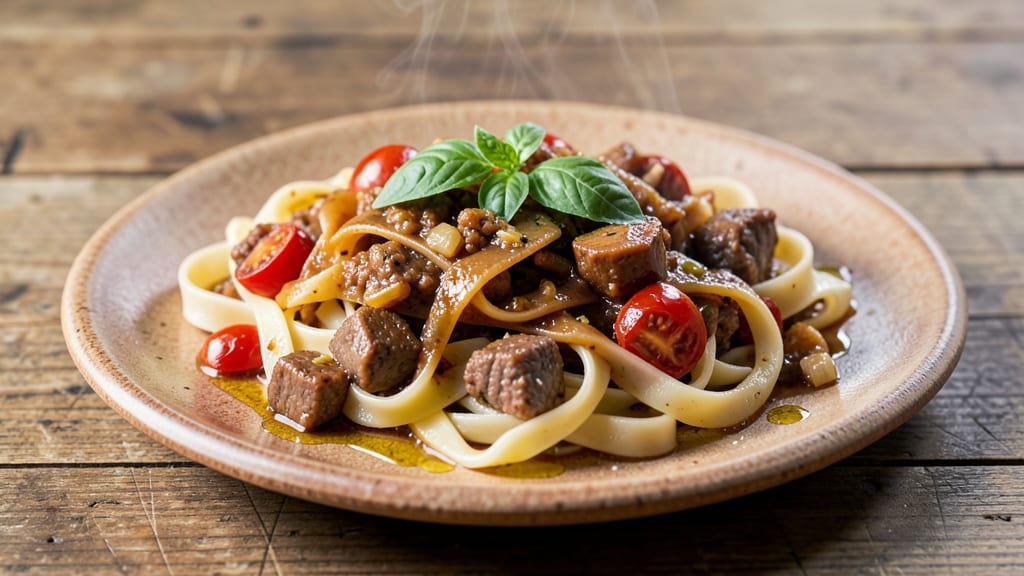
Jamie Oliver’s pappardelle with beef ragu transforms weeknight dinners into restaurant-quality meals with just a few key techniques. The secret lies in slow-braised beef that melts into tender strands, paired with a rich tomato-basil sauce that clings perfectly to al dente noodles.
I’ve tested this recipe countless times in my Boston kitchen, and it never fails to impress—even skeptical meat-and-potatoes eaters ask for seconds.
What makes this dish special is the balance of effort and reward: the beef ragu simmers for hours, but the hands-on work is minimal once you start. Browning the meat properly creates deep, caramelized flavors, while the tomato sauce develops complexity as it reduces.
The pappardelle’s wide ribbons are ideal for catching every drop of that velvety sauce, making each bite hearty yet elegant. This is comfort food with a touch of sophistication.
By the time you serve it, you’ll have a plate that looks and tastes like it belongs in a trattoria—golden-brown ragu over perfectly cooked noodles, garnished with fresh basil and a sprinkle of parmesan.
The aroma alone will have everyone at the table anticipating the first bite. Let’s get cooking with a method that’s both traditional and foolproof.
This recipe scales beautifully for gatherings, and leftovers reheat just as well the next day. Pair it with a bold red wine or a simple green salad to round out the meal.
The techniques here—browning meat, reducing sauces, and timing pasta—are foundational skills that’ll elevate your cooking for years to come.
Ingredients for jamie oliver's pappardelle with beef ragu
Sixteen ingredients, restaurant-quality flavor. Everything you need for Jamie's legendary beef ragu.
| Ingredient | Amount | Notes |
|---|---|---|
| Beef Chuck Roast 🥩 | 2 ½ lb | Pre-cubed or cut into 1-inch pieces |
| Pappardelle Pasta 🍝 | 16 oz | Fresh or dried, al dente preferred |
| San Marzano Crushed Tomatoes 🍅 | 28 oz | High-quality canned tomatoes |
| Extra-Virgin Olive Oil 🫒 | ½ cup | For searing beef and finishing |
| Garlic Cloves 🧄 | 6 cloves | Peeled and smashed |
| Fresh Basil Leaves 🌿 | ½ cup | Packed, stems removed |
| Red Wine 🍷 | 1 cup | Bold dry variety like Cabernet |
| Beef Broth 💧 | 2 cups | Homemade or quality store-bought |
| Tomato Paste 🍅 | 2 tbsp | Smooth, no sugar added |
| Dried Oregano 🍃 | 1 tsp | Italian variety preferred |
| Salt 🧂 | 1 ½ tsp | Kosher or sea salt |
| Black Pepper 🌶️ | 1 tsp | Freshly ground preferred |
| Parmesan Cheese 🧀 | ½ cup | Freshly grated from block |
| Yellow Onion 🧅 | 1 whole | Diced, about 1 cup |
| Carrots 🥕 | 2 whole | Peeled and sliced into rounds |
The beef is non-negotiable—chuck roast gives you that melt-in-your-mouth texture. Costco or Whole Foods usually have it pre-cubed, which saves time. If you're cutting your own, look for good marbling—it means more flavor. I always buy extra because it freezes beautifully. For the tomatoes, San Marzano is worth the splurge—they're sweeter and less acidic. The pasta? Fresh pappardelle if you can find it, but dried works too. Just don't overcook it—al dente is key here.
No red wine? Beef broth with a splash of balsamic works in a pinch. Fresh basil is ideal, but dried oregano at half the amount gets you close. The tomato paste can be skipped if you're short, but it adds that deep, concentrated flavor. For the carrots, baby carrots are fine if that's what you've got. The onion? Yellow or red—whatever's on sale. The Parmesan needs to be real Parmigiano-Reggiano—pre-grated tastes like sawdust in comparison.
This ragu tastes even better the next day—honestly, the flavors meld into something magical. Keeps 4-5 days in the fridge, freezes for 3 months. I double the recipe and freeze half for lazy weeknights. The pasta water is liquid gold—save about 1 cup to toss with the cooked noodles. Garnish with extra basil and Parmesan right before serving, or it'll wilt.
Why You'll Love This Recipe
- One-Pot Magic: I swear by this recipe when I’m too tired to dirty a million dishes—just brown the beef, toss in the tomatoes and garlic, and let it simmer. The pappardelle soaks up every last bit of that rich, meaty sauce like a dream, leaving me with one pot to scrub instead of a sink full of pans.
- Ragu Redemption: That beef chuck roast might seem tough, but slow-cooked with San Marzano tomatoes until it’s fork-tender? Absolute revelation. The garlic and olive oil caramelize into the sauce, giving it a depth that’s ridiculously satisfying—like a hug in a bowl.
- Leftovers That Don’t Suck: Between us, most ragu recipes turn into glue after day two. Not this one. The pappardelle stays al dente, the meat stays juicy, and the sauce only gets better as it mellows. I make a double batch on Sundays and eat it for lunch all week—no sad, watery pasta in sight.
- Weeknight Flex: Need to feed a crowd but don’t want to slave over it? This is my go-to. The beef and tomatoes cook while you do everything else, and the wide pappardelle cuts through the sauce like a dream. Serve it for date night, family dinner, or even a lazy Sunday—it’s always a win.
Step-by-step instructions for Jamie Oliver's pappardelle with beef ragu
Here's how to create a rich, aromatic beef ragu that clings perfectly to al dente pappardelle.
Sear the Beef Chuck Roast for Deep Flavor
Heat the 0.5 cup extra-virgin olive oil in a large Dutch oven over medium-high heat. Working in batches if needed, add the 2.5 lb beef chuck roast cut into 1-inch pieces, ensuring you don't overcrowd the pan. Let each piece sear undisturbed for 3-4 minutes until deeply browned on all sides. This step develops the rich, caramelized foundation for your ragu.
As you sear, you'll notice the beef releases its natural juices and fat into the pan. This is where all the flavor begins. Once all pieces are golden brown, remove them with a slotted spoon and set aside. The remaining browned bits will form the base of your sauce, so don't wipe the pan clean.
Build the Aromatic Base with Onions, Carrots, and Garlic
In the same Dutch oven, add the 1 whole yellow onion and 2 whole carrots sliced into rounds. Cook for 5-6 minutes until softened and beginning to caramelize. You'll smell the sweet, earthy aroma developing—this is your cue to add the 6 cloves garlic cloves that have been peeled and smashed.
Cook the garlic for 30 seconds until fragrant, being careful not to let it burn. Then stir in the 2 tbsp tomato paste and cook for another 1 minute, allowing it to darken slightly. This creates a deeper, more complex flavor profile that will carry through your entire dish.
Deglaze and Simmer the Ragu
Pour in the 1 cup red wine and scrape up all the browned bits from the bottom of the pan. Let it simmer for 3-4 minutes until the wine reduces by half. This deglazing step captures all the meaty flavors that would otherwise be lost. Then add the 28 oz San Marzano crushed tomatoes, 2 cups beef broth, 1.5 tsp salt, 1 tsp black pepper, and 1 tsp dried oregano. Stir well to combine.
Return the seared beef to the pot and bring to a gentle simmer. Here's the thing—this ragu needs time to develop its rich, velvety texture. Cover and simmer at a low boil for 2-2.5 hours, stirring occasionally. You'll notice the beef becomes fork-tender and the sauce thickens as it reduces. If it gets too thick, add a splash of water or broth to maintain the perfect consistency.
Finish with Fresh Basil and Cook the Pasta
Once the ragu is tender and saucy, stir in the 0.5 cup fresh basil leaves and simmer for an additional 2-3 minutes until the basil wilts. This final step infuses the dish with bright, fresh flavor that cuts through the richness of the beef. Taste and adjust seasoning if needed—you might want to add a pinch more salt or a crack of black pepper to balance the flavors.
While the ragu simmers, cook the 16 oz pappardelle pasta in a large pot of salted boiling water until al dente—about 1 minute less than the package instructions suggest. Reserve 1 cup of pasta water before draining, as it will help emulsify the sauce when tossed with the noodles.
Combine and Serve with Parmesan
Add the drained pappardelle to the Dutch oven with the ragu. Toss gently to coat the noodles evenly, adding reserved pasta water as needed to create a silky sauce. The pasta should be well-coated but still have a slight bite to it. Here's the moment that matters: sprinkle the 0.5 cup Parmesan cheese over the top and toss one final time to melt the cheese into the sauce.
Serve immediately in deep bowls, garnished with additional fresh basil if desired. Each forkful should deliver tender beef, rich tomato sauce, and perfectly al dente pappardelle. This dish tastes even better the next day as the flavors continue to meld, so consider making extra for leftovers—just reheat gently with a splash of broth to maintain that perfect texture.
Pro Tips For Making Jamie Oliver'S Pappardelle With Beef Ragu
- SEAR THE CHUCK HARD: I learned this the hard way—skipping the deep sear means your ragu will taste like it simmered in its own juices instead of caramelized magic. Use a heavy pot, crank the heat to medium-high, and let those chunks sit undisturbed for 3-4 minutes per side until they’re deep brown and crusty. That’s where the flavor lives.
- SMASH THE GARLIC: Whole garlic cloves? Too polite. For this ragu, crush them with the flat side of your knife first, then smash them into a paste with the blade’s heel. It releases more aroma and blends smoother into the oil—no more digging for cloves later. (Yes, even if you’re impatient like me.)
- SIMMER LOW AND SLOW: The ragu’s texture hinges on this: after the initial browning, drop the heat to a bare simmer—so low you barely see bubbles—and cover the pot. Walk away for 2 hours, stirring only once. Rushing it turns the meat tough and the sauce watery. Trust the process.
- RESERVE THAT PASTA WATER: Boil your pappardelle in salted water until al dente, then drain—but don’t toss that starchy water. Toss the pasta with a splash of the ragu’s cooking liquid and a ladle of the pasta water. It coats the noodles better than plain olive oil ever could. (Your future self will thank you.)
Health benefits of jamie oliver's pappardelle with beef ragu
Protein Powerhouse
This beef ragu delivers high-quality protein—about 45 grams per serving—thanks to the chuck roast that becomes fork-tender during slow cooking.
The lean yet flavorful beef provides all nine essential amino acids your body needs for muscle repair and energy, making it a satisfying meal that keeps you full for hours.
I always double-check my protein intake during busy weeks, and this dish is my go-to for a hearty, muscle-friendly dinner. 💪
Rich in Iron
The beef in this ragu is an excellent source of heme iron, which your body absorbs more efficiently than plant-based iron. A 6-ounce serving provides nearly 30% of your daily iron needs, helping prevent fatigue and supporting your immune system.
I notice a real difference in my energy levels when I include iron-rich meals like this regularly, especially after long days in the kitchen.
Tomato-Based Antioxidants
The San Marzano tomatoes in the sauce are packed with lycopene, a powerful antioxidant that protects your cells from damage. Cooking tomatoes actually increases lycopene absorption, so the longer this ragu simmers, the more beneficial compounds you're getting.
Plus, the garlic and basil add extra antioxidants that support heart health and reduce inflammation. 🌿
Fiber from Pappardelle
While pappardelle isn't traditionally high in fiber, using whole wheat or legume-based pasta (like chickpea or lentil pappardelle) can boost your fiber intake significantly. Fiber supports digestion, helps stabilize blood sugar, and keeps you feeling satisfied.
I often keep a box of Barilla Whole Grain Pappardelle on hand for when I want to add extra fiber without sacrificing texture.
Healthy Fats
The extra-virgin olive oil used for searing and finishing adds monounsaturated fats, which support heart health by lowering bad cholesterol. Combined with the lean beef, this dish provides a balanced fat profile that keeps your arteries happy.
I always use California olive oil—it has a higher smoke point and more stable flavor for high-heat cooking.
Meal Prep Friendly
This recipe stores beautifully, making it perfect for batch cooking and portion control. The beef and sauce keep for 4-5 days in the fridge or 3 months in the freezer, allowing you to prep ahead and avoid takeout.
I portion mine into single-serving airtight containers with a sprinkle of Parmesan on top—just reheat with a splash of water or broth to maintain that perfect texture. 💡
Nutrition facts
Frequently asked questions
Can I substitute the beef chuck roast with a different cut?
For a quicker version, use chuck steak or stew meat (they cook faster). If you prefer leaner meat, try sirloin or flank steak, but they may stay slightly firmer. For extra richness, guanciale or pancetta work beautifully as a partial substitute—just render the fat first.
How do I prevent the ragu from getting too thick or watery?
Start with a low simmer and stir occasionally to prevent sticking. If it gets too thick, add 1-2 tablespoons of broth or water at a time. For watery ragu, simmer uncovered for 10-15 minutes to reduce it. The key is patience—this sauce develops over time.
What’s the best way to reheat leftovers?
Gently reheat in a saucepan over low heat with a splash of beef broth or water to restore moisture. Never microwave directly from the fridge—it makes the sauce rubbery. For extra flavor, add a pinch of fresh basil or a dash of red wine while warming. Leftovers taste even better the next day!
Can I make this vegetarian or vegan?
Yes! Swap the beef for mushrooms, lentils, or jackfruit (for texture). Use vegetable broth and smoked paprika for depth. For a vegan version, omit Parmesan and use nutritional yeast instead. The tomato-basil sauce remains the star—just adjust cooking times for plant-based proteins.
Why does my pappardelle turn mushy when tossed with the ragu?
Overcooking is the usual culprit! Pasta should be al dente—test by tasting a piece. If it’s mushy, drain it 1 minute earlier next time. Also, toss the pasta with the ragu immediately after draining (use reserved pasta water) to lock in texture.